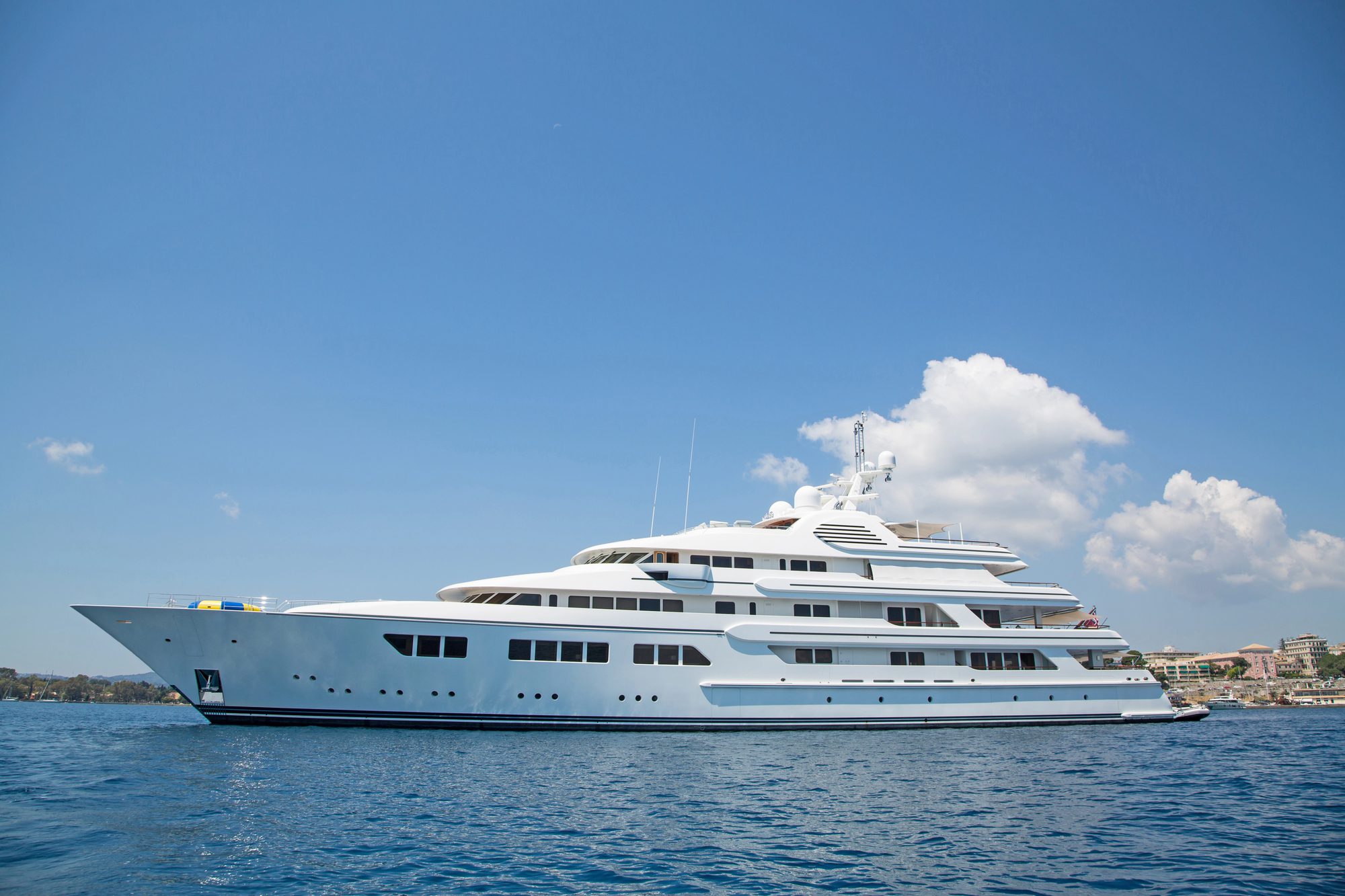
A serious yacht purchase begins long before a viewing. It starts with how you will use the vessel and what ownership will cost year after year. For a U.S.-based buyer planning global cruising in a 24 to 60 meter yacht, 2026 can be a practical time to move from aspiration to acquisition, as long as you use current market context and a buyer-protective process.
Recent data points to more choice, but also a need for discipline. Boats Group’s 2025 Market Index reported full-year sales roughly 9% below 2024, with stabilization in the second half and fourth-quarter growth. SuperYacht Times counted 6,174 operational superyachts over 30 meters globally by August 2025. Buyers can be selective.
Define your mission first
Every good decision flows from mission. Ask who will be aboard, how far you want to range, and what style of cruising you prefer. Those answers point toward hull and propulsion choices before you fall for any particular profile.
Motor yachts trade fuel efficiency for volume and speed. Sailing yachts offer a quieter, lower-consumption experience. If your itineraries lean toward high-latitude waters or long passages, an explorer yacht with greater range and reinforced construction may make more sense than a conventional flybridge motor yacht.
What size actually buys you
 Length often correlates with crew, range, and amenities, and each breakpoint carries operating consequences. A 24 to 30 meter yacht may run with a small crew and modest dockage needs. A 30 to 40 meter yacht adds guest capacity, longer range, and a larger crew model. Above 40 meters, you move into full-time professional crews and more complex systems.
A useful planning rule from YachtWorld is to budget roughly 10% to 25% of the yacht’s value per year for all-in ownership costs. Crew, dockage, maintenance, insurance, and fuel drive that figure. Larger yachts usually sit toward the higher end of the range.
Budgeting the whole asset
Treat the purchase price as the entry fee, not the total cost. Beyond the annual operating budget, reserve for refit work and recurring insurance and dockage.
Tax treatment varies by jurisdiction, so consult a qualified tax advisor. As one example of how state rules differ, Florida caps the state sales tax collected on each boat sale at $18,000, a statutory limit reported as still in force in 2026. Your advisor can model how registration, use, and location interact for your situation.
Charter can offset costs, but it is not a profit center. A well-run program can defray expenses while adding wear, scheduling limits, and compliance obligations. On crewed charters, the Advance Provisioning Allowance, or APA, typically runs 20% to 40% of the base weekly rate and is held by the captain for fuel, food, and other operating expenses.
Where to buy and where to keep it
Flag, class, and usage pattern shape both compliance and cost. For U.S. buyers, U.S. Coast Guard documentation is available for U.S.-owned vessels measuring at least five net tons, which includes most recreational yachts in this size range.
If you plan to cruise European waters under a non-EU flag, the EU’s Temporary Admission rules generally allow private use for up to 18 months before re-export, with extensions only in exceptional cases. Review these decisions with a maritime attorney and flag or class specialists.
New build versus brokerage
The choice usually comes down to timeline, customization, and depreciation. A new build offers control over layout and specification, but it requires patience and a longer commitment. A brokerage yacht offers known pedigree, a visible maintenance history, and faster entry, often at a more favorable point on the depreciation curve. This is also the stage to compare yacht financing structures before choosing a build or brokerage path.
Two terms matter for resale and charter flexibility. A “classed” yacht is built and maintained to a classification society’s standards. A “commercially compliant” yacht meets the additional requirements needed to charter legally. When comparing brokerage candidates, review how builder reputation, class status, and refit history affect asking prices.
How a professional broker reduces risk
A reputable broker structures the deal so your money is protected. In brokered purchases, a 10% deposit placed with an agreed neutral escrow agent is the industry standard. Escrow keeps the deposit out of either party’s hands until contract conditions are met.
A buyer-protective purchase sequence
For a brokered resale, a typical flow runs about 12 to 24 weeks:
- Submit a letter of intent or offer.
- Place the 10% deposit into escrow.
- Sign a recognized purchase contract.
- Begin buyer due diligence.
- Complete survey, haul-out, and trial run.
- Negotiate findings.
- Close and register the vessel.
Survey day, done right
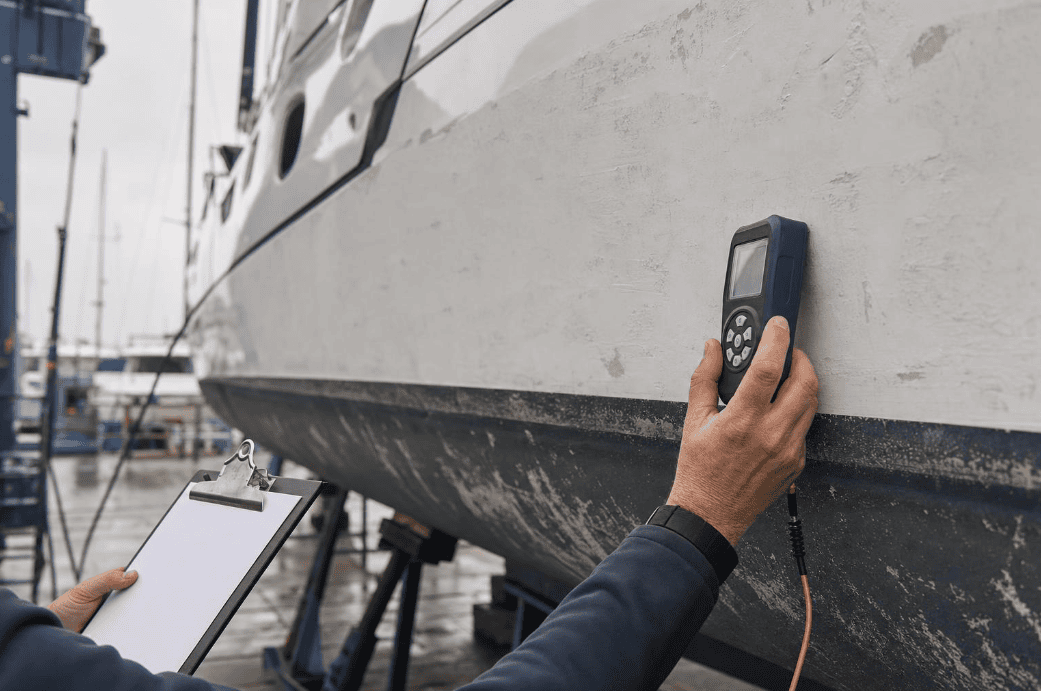
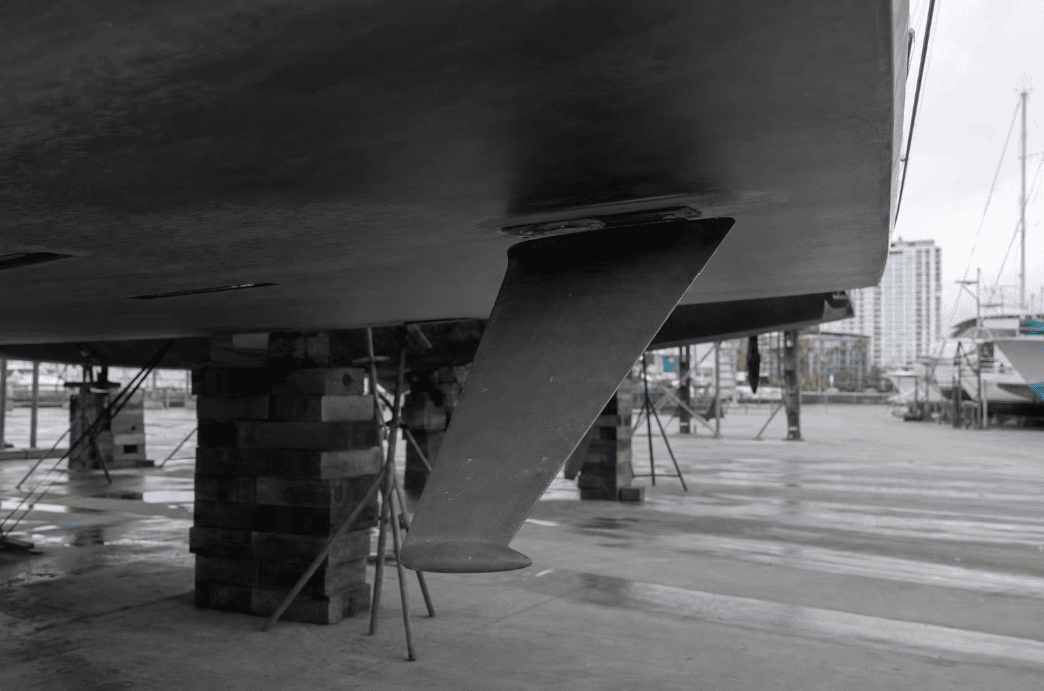
A standard pre-purchase survey typically includes an in-water inspection, an out-of-water haul-out, and a trial run. Add engine or rig specialists when the systems warrant a closer look. Leave enough time before acceptance to price remediation.
Future-proofing engineering choices
Emissions rules increasingly influence specification. The Norwegian Sea NOx Emission Control Area applies Tier III limits to engines on ships with contracts placed on or after March 1, 2026, subject to related keel-laying and delivery triggers. NOx means nitrogen oxides, a regulated air pollutant. Selective catalytic reduction and other aftertreatment systems are therefore appearing in yacht specs.
Shortlisting yachts like a professional
Build a tight candidate list before you travel to view anything. As you shortlist examples, compare build pedigree, layouts, refit notes, and asking ranges. Filters for length, price, yacht type, guest capacity, builder, year built, and onboard facilities can turn a broad search into a serious buyer’s list when reviewed on Ocean Independence.
Closing, handover, and the first year
Bind insurance before closing, line up crew hiring and management early, and track warranty items. Plan an early-season shakedown cruise while support is fresh. When comparing inventory across platforms, documented brokerage records can help you gauge how comparable yachts are equipped and maintained, which is useful when setting first-year expectations for your own vessel.
Cover photo by depositphotos