How much does a horizontal foundation crack cost to repair? There is no reliable price for the crack alone. If the crack is associated with a bowing basement wall, Angi’s October 2026 U.S. cost guide reports a $4,500 average and says most bowing-wall projects fall between $500 and $10,000. It also puts a structural engineer’s inspection at $250–$500. Those are national benchmarks for a bowing wall, not a quote for every horizontal crack. A wall that needs only moisture work, one that needs structural restraint, and one that must be excavated and straightened are different projects.
Before you commit money to a particular repair, establish whether the wall has moved and why. A photograph of a crack does not tell you the repair scope. The price that matters is the total written scope for this wall, including diagnosis, structural work if needed, water management, access and restoration.
What the repair may cost
Angi’s published bowing-basement-wall figures give a useful sense of scale. For an illustrative 20-foot wall, it lists wall anchors at $1,600–$2,800, steel or carbon-fiber straps at $1,700–$5,000, helical tiebacks at $6,000–$7,200, and wall straightening at $6,800–$11,000. These are alternative methods, not items to add together; the chosen method depends on an assessment of the wall and site. The full quote can change with wall length, access, local labor, excavation, drainage, permits and finishes. Some of those costs may sit outside a contractor’s headline price.
For a rough first budget, keep Angi’s $500–$10,000 range in mind only when a bowed wall is the actual problem being priced. If no one has established that, there is no honest crack-specific dollar figure yet. Get an independent assessment and comparable bids before using an online range in a purchase or repair decision.
Why a horizontal crack needs more than a price lookup
The U.S. Department of Housing and Urban Development’s Residential Rehabilitation Inspection Guide discusses horizontal cracking in brick or concrete-block foundation walls. Potential causes include improper backfilling, nearby vibration and swelling or freezing of water-saturated soil. The guide also notes that some such distress dates from original construction, while a wall that is bent or broken may have a serious structural concern. That is why the crack’s direction alone cannot tell a homeowner whether a low-cost seal, reinforcement or larger repair is appropriate.
Record the crack’s location and length, whether the wall appears displaced or bowed, any water entry, and any old repair records. An engineer qualified in the property’s jurisdiction can assess the specific structural question, state what remains uncertain, and specify further investigation or a repair design if needed. If movement is suspected, do this before a cosmetic patch conceals the evidence.
What should the written quote include?
- Assessment and scope: Is the contractor pricing an engineer-defined repair, a limited water-sealing task or merely a visible patch? Who pays for the engineer’s report and any design?
- Wall and method: Identify the wall, its length, the amount of work, materials, anchor or brace layout where applicable, and the intended result. “Fix foundation crack” is too vague to compare.
- Water and soil: Ask how the plan deals with the source of moisture or lateral pressure where one is identified. The Department of Energy’s building-science guidance explains why runoff should be carried away from the foundation. A brace may stabilize a wall while drainage still needs separate work.
- Access and restoration: Clarify excavation, landscaping, interior finishes, utility conflicts, debris removal and who restores each area.
- Permissions and follow-up: Ask about permits, inspections, payment milestones, warranty terms and whether an engineer will review the completed structural work when appropriate.
Ask two or three qualified contractors to price the same defined scope. A $3,000 quote for visible sealing and a $12,000 quote that includes excavation and stabilization are not competing prices for the same job. Compare exclusions line by line before deciding.
Can you just seal the crack?
Sealing may address a water-entry issue, but it should not be presented as a structural remedy for a wall that needs stabilization. Conversely, not every visible horizontal line proves current movement. The right sequence is to document the condition, identify whether there is structural displacement and water pressure, then price the specified work. If there is ongoing movement, displacement, or substantial water entry, seek a qualified local assessment promptly.
What if you are buying the house?
During the inspection period, ask for prior engineering reports, permits and repair warranties. Arrange a targeted assessment if the general inspector flags the wall, then seek bids based on its findings. Our guide to buying a house with foundation problems explains how to make the decision before the contract deadline. If it is an investment property, include any repair and carrying time in the cash needed to buy the property.
Here is a simple sensitivity check: if two written scopes come back at $5,000 and $15,000, the second requires $10,000 more cash before any time, reserve or financing effect. Those figures are illustrative bids, not a prediction for a reader’s house. Find out why the scopes differ; a lower bid that excludes drainage or restoration can be the more expensive choice after the work begins.
Quick answers
Is a horizontal foundation crack always serious?
No. Its meaning depends on the wall, movement, moisture and history. HUD describes both older cracking and potentially serious cases involving a bent wall. Have a qualified professional evaluate a suspicious wall rather than diagnosing it by shape alone.
How much does an engineer’s inspection cost?
Angi’s October 2026 guide budgets $250–$500 for a structural engineer’s inspection of a bowing-wall concern. Confirm the local fee and whether it includes a written report or a repair design; those are different deliverables.
Should I get a contractor quote before the engineering report?
You can ask about availability, but a price is easier to trust once contractors bid on the same defined scope. If you are on a purchase deadline, tell the inspector, engineer and contractors the date up front.
Editorial note: This U.S.-focused guide explains published cost benchmarks and inspection considerations. It does not diagnose an individual property or provide a site-specific engineering opinion. Prices cited above come from Angi’s October 2026 cost guide; actual local bids may differ.
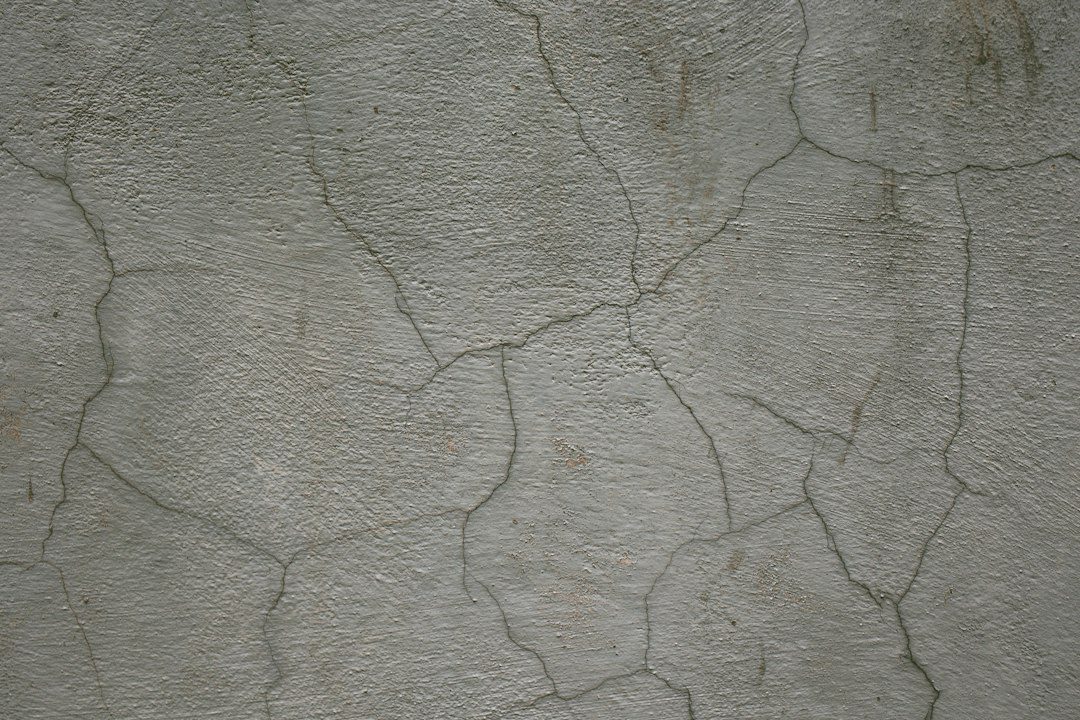
Featured image: Vladislav Nikonov / Unsplash. Illustrative cracked wall; it does not depict a diagnosed foundation defect.