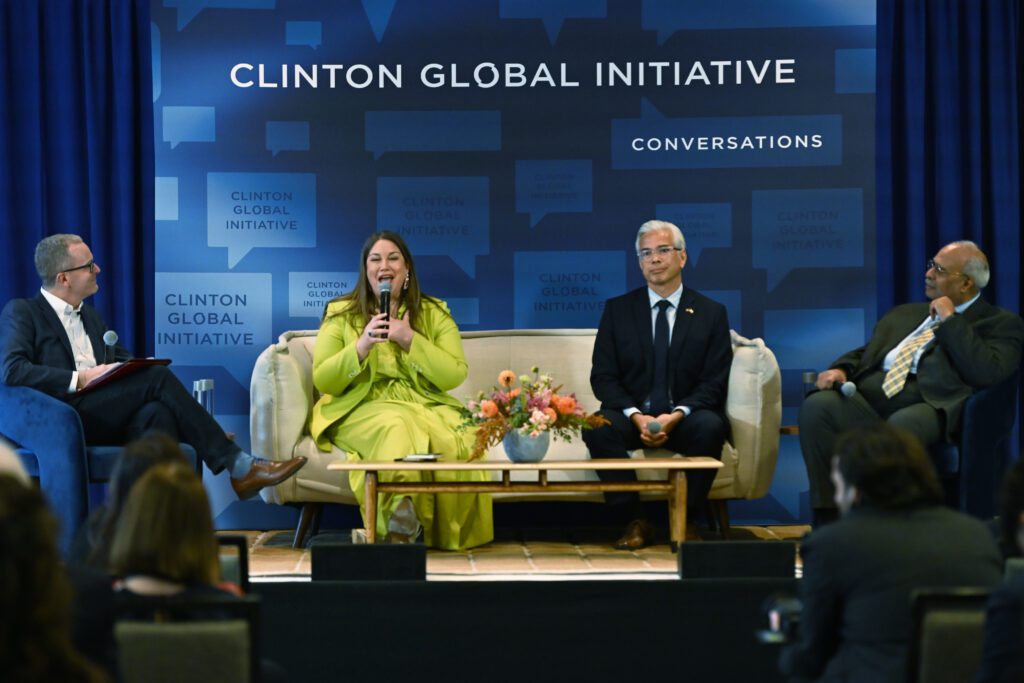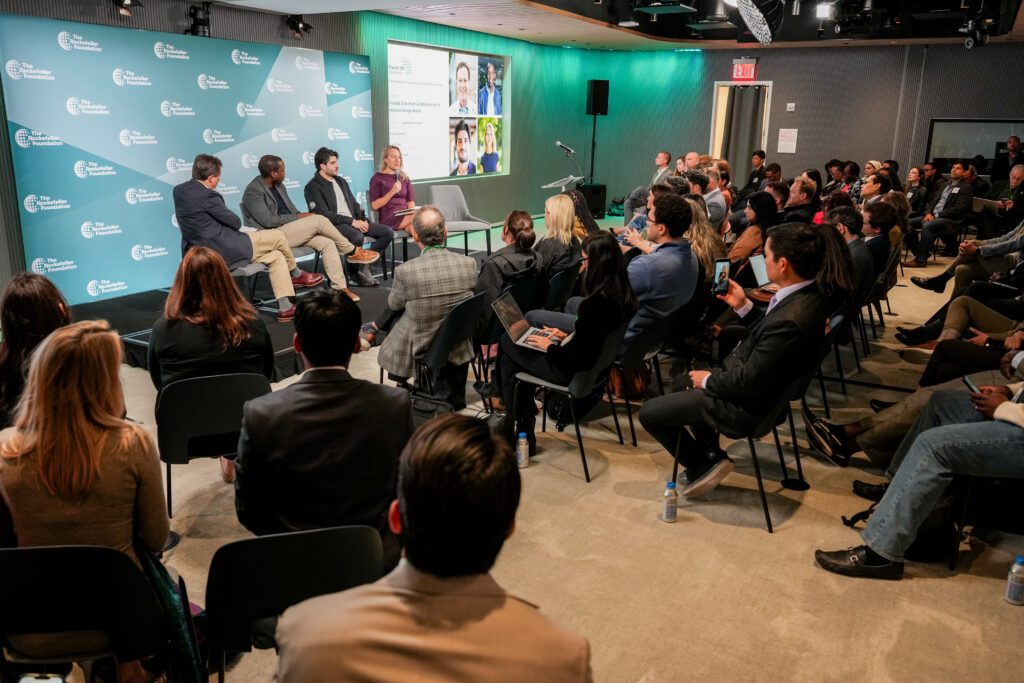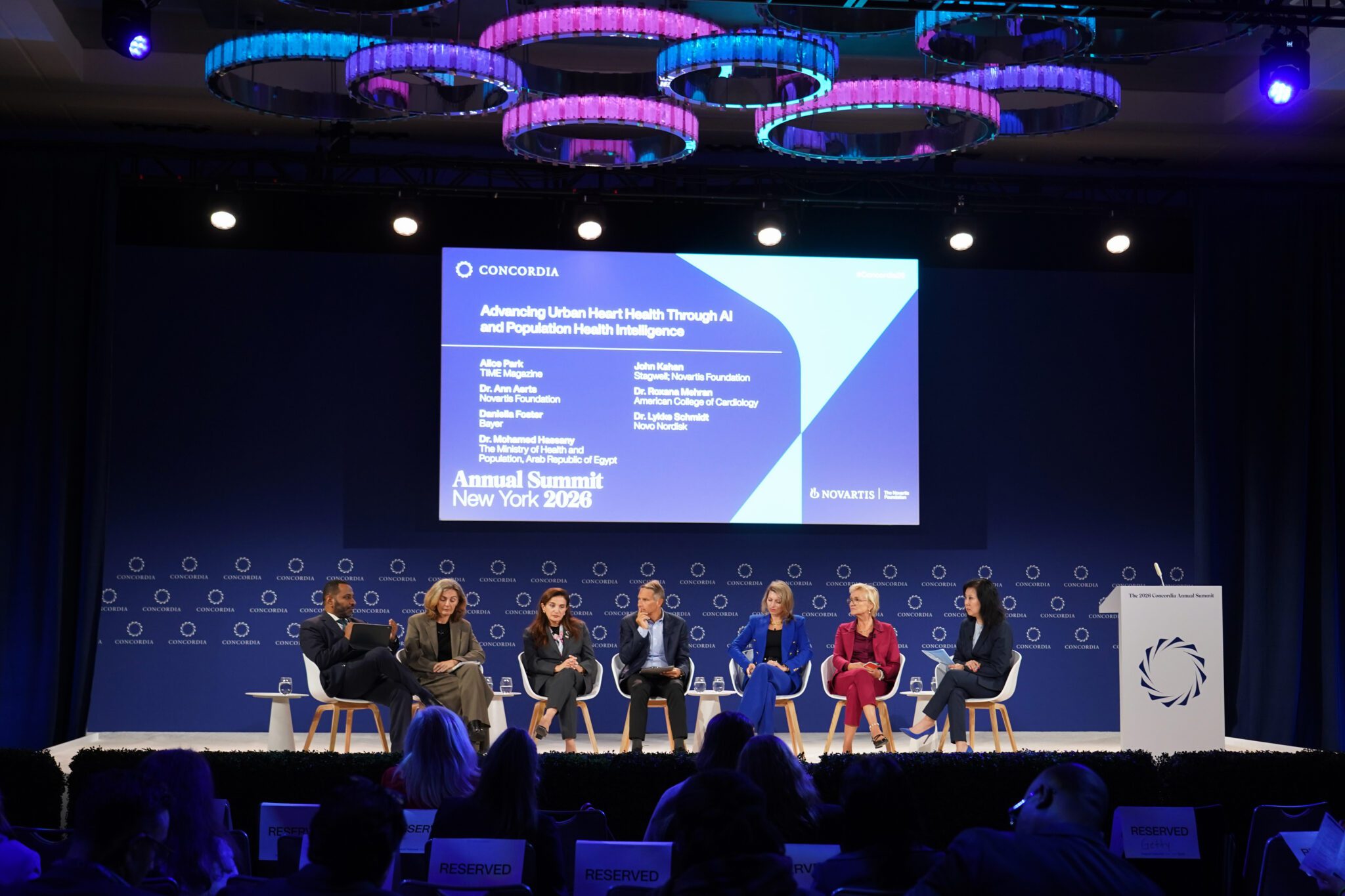
From artificial intelligence and geopolitical realignment to sustainable investing, global health and the changing architecture of philanthropy, the 2026 Concordia Annual Summit brought together influential leaders to explore how public-private partnerships can redefine economic growth and global prosperity.
As world leaders descended on New York City for the United Nations General Assembly, another influential gathering was taking place just blocks away. At the 2026 Concordia Annual Summit, heads of state, business executives, investors, philanthropists and innovators convened to confront a fundamental question: Who will finance, build and lead the next era of global progress?
Held September 20–23 at the Sheraton New York Times Square Hotel, the summit reflected a profound transformation in how the world’s most pressing challenges are being addressed. Government policy alone is no longer sufficient, traditional philanthropy is being reimagined, and private capital is increasingly being called upon to bridge the gap between ambitious global objectives and tangible results.
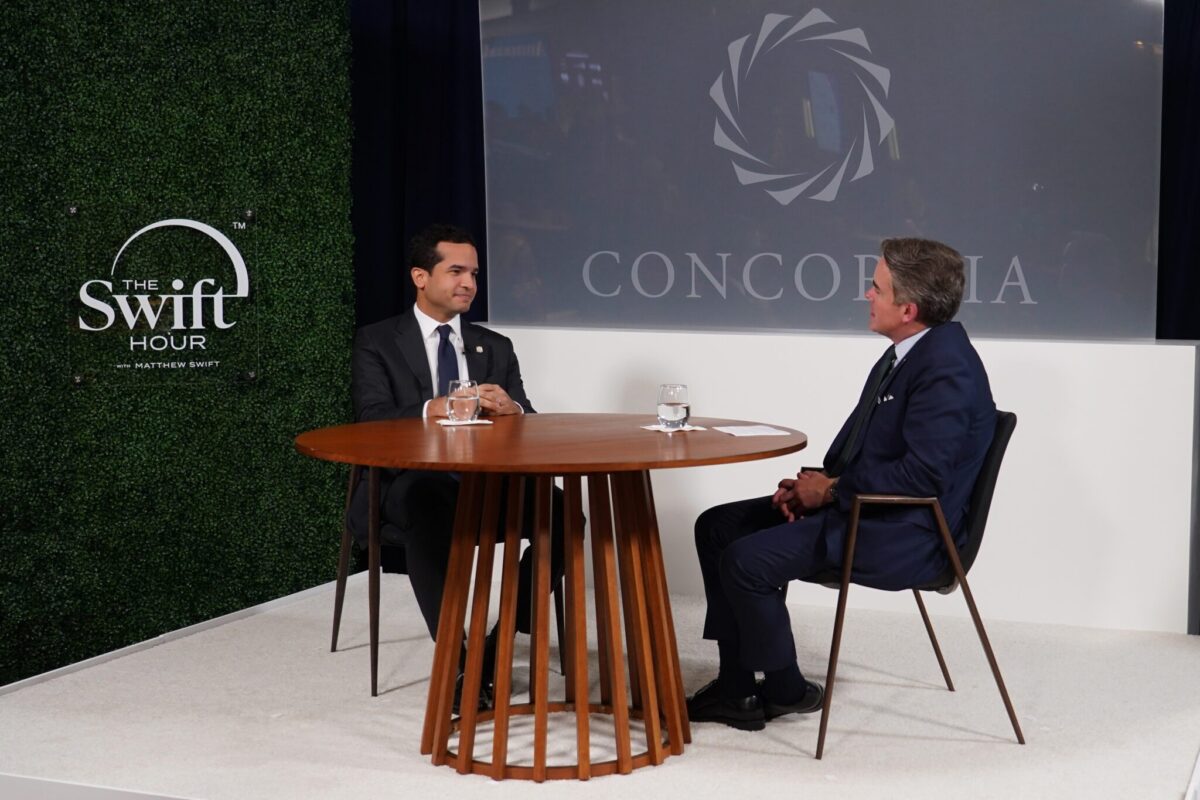
Founded by Nicholas Logothetis and Matthew Swift, Concordia has established itself as a prominent nonpartisan platform connecting the public, private and nonprofit sectors. Its annual gathering has become an important forum for the intersection of diplomacy, business strategy and social impact.
For the global family office community, institutional investors and entrepreneurial wealth creators, the conversations carried implications extending well beyond international policy. They illuminated where capital may flow, how emerging technologies could reshape industries, and why the next generation of successful investors may increasingly be measured not only by the wealth they create, but also by the systems and societies they help strengthen.
A New Economic Order: The Growing Influence of Private Capital
Among the most consequential themes emerging from Concordia 2026 was the evolving relationship between government, institutional finance and private wealth.
The session New Capital, New Blueprint: Accelerating Development’s Next Chapter confronted a structural challenge facing the international development community: traditional aid budgets are shrinking at a time when global financing needs continue to expand.
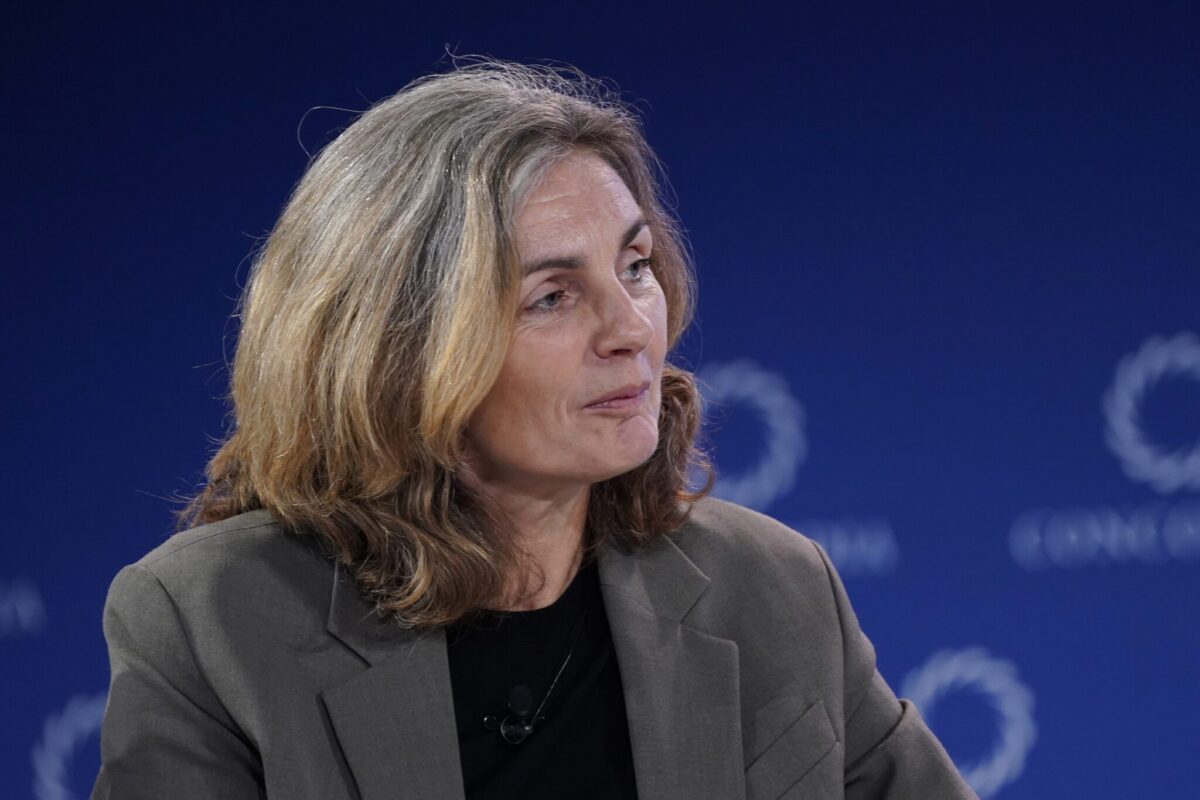
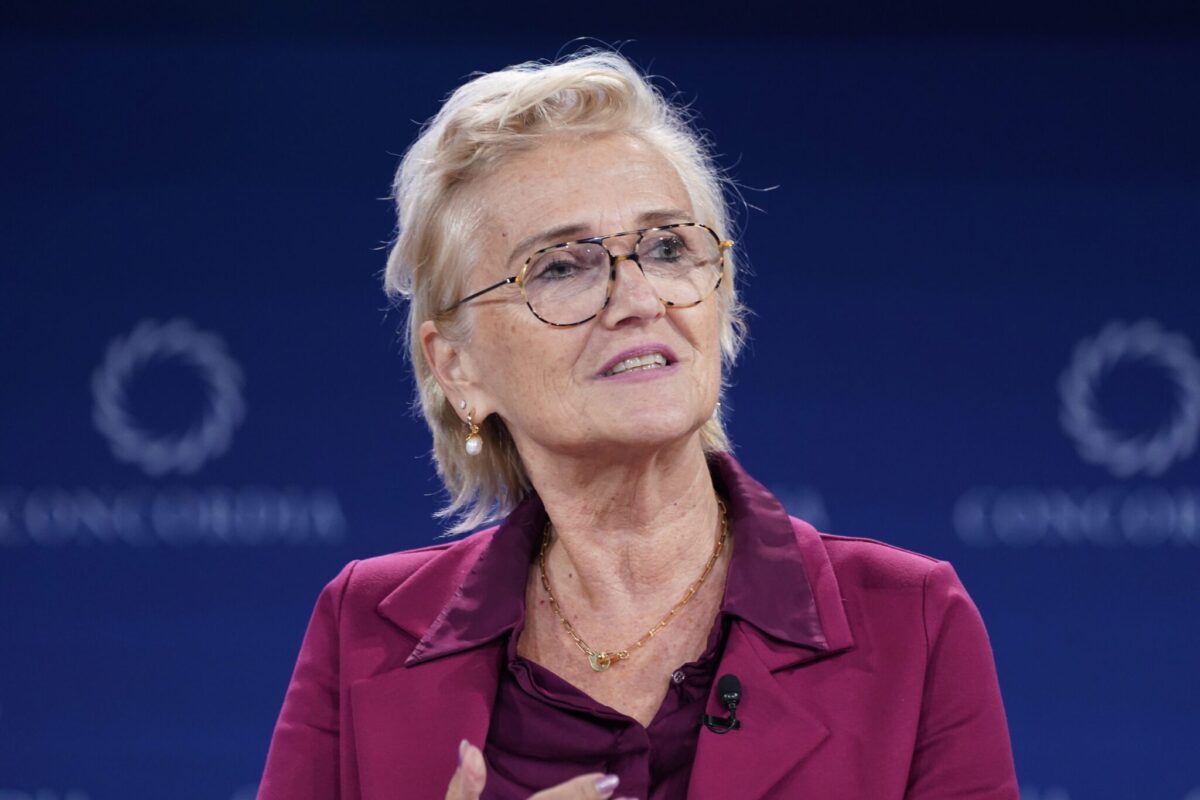
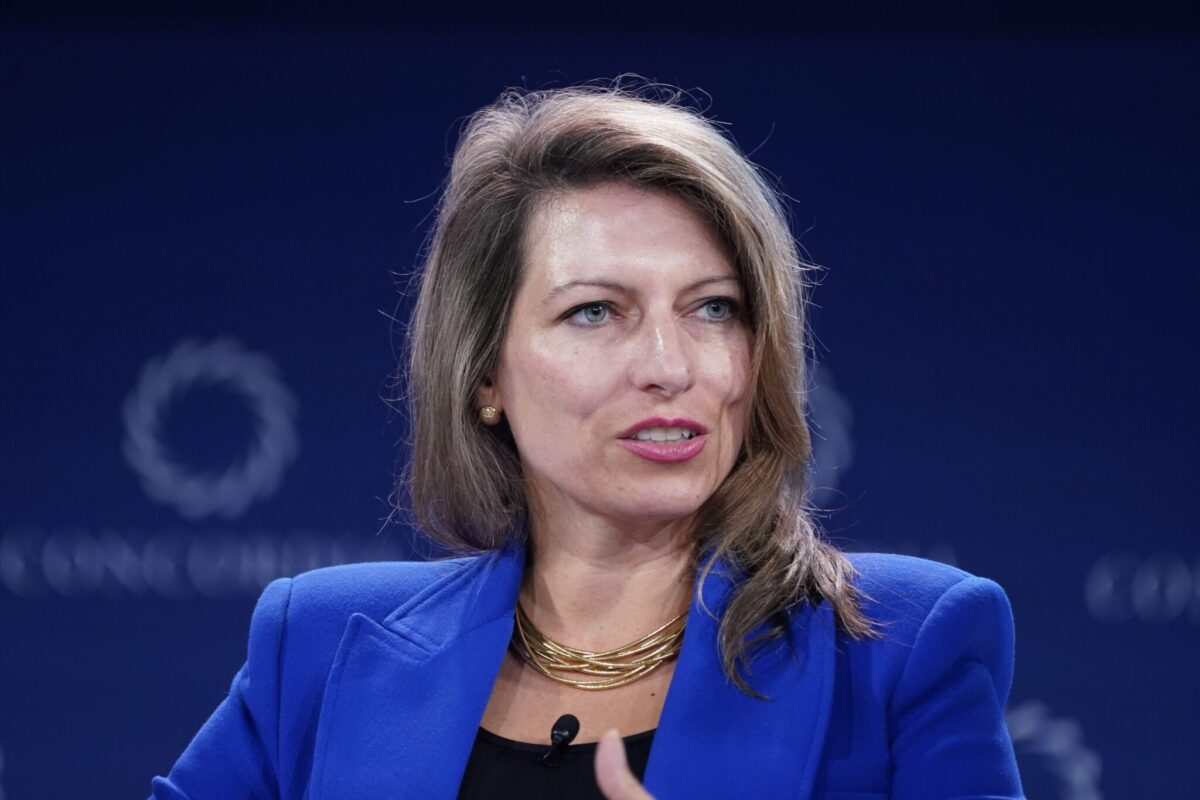
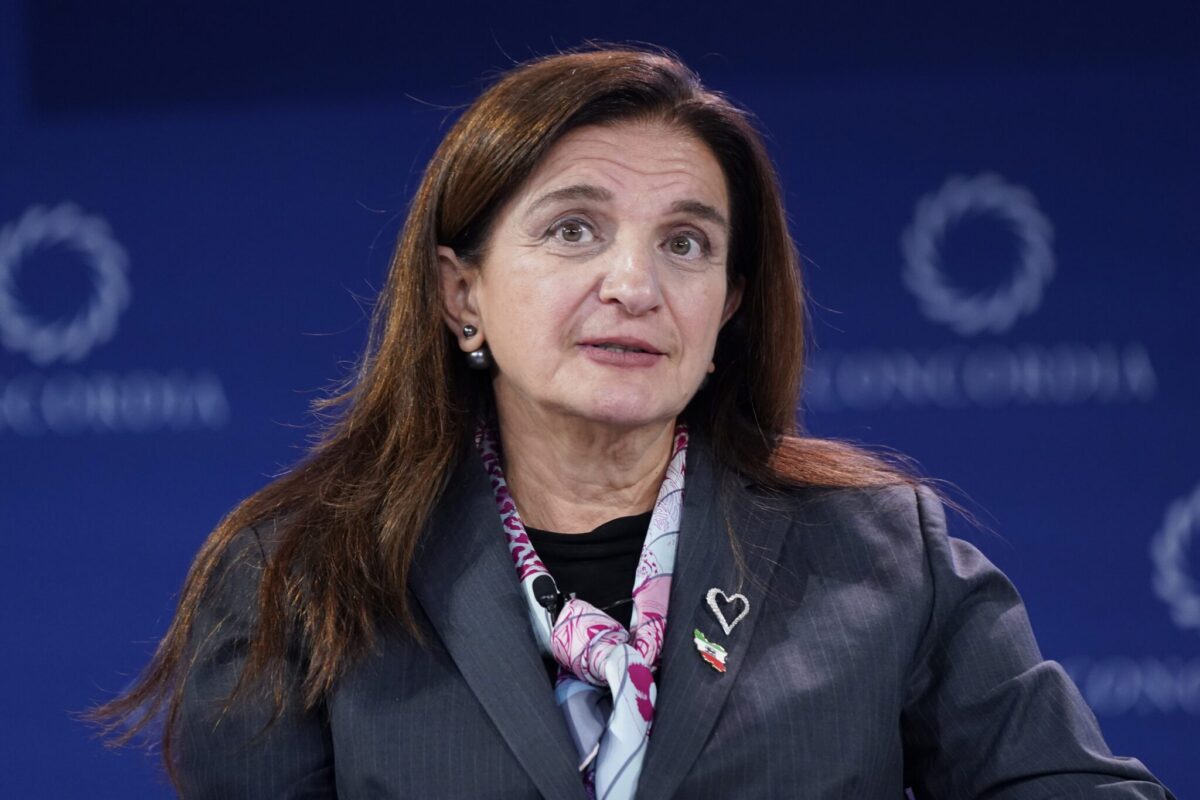
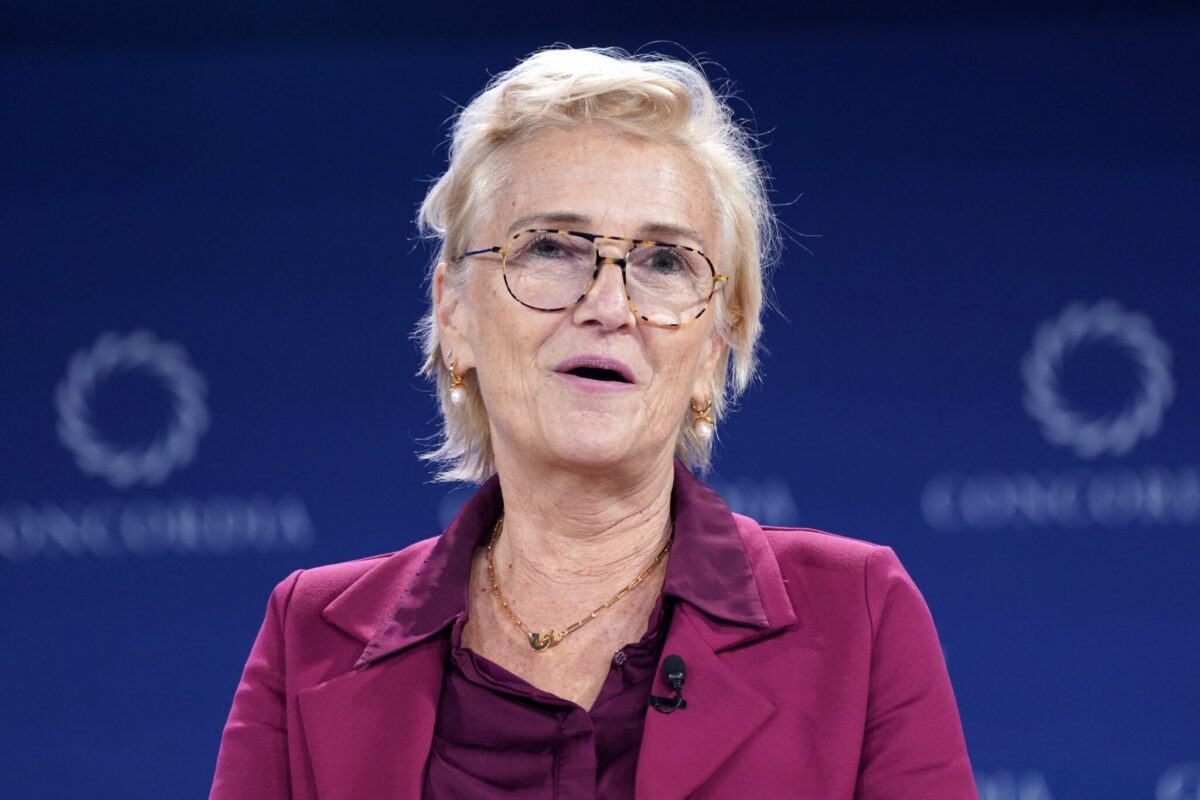
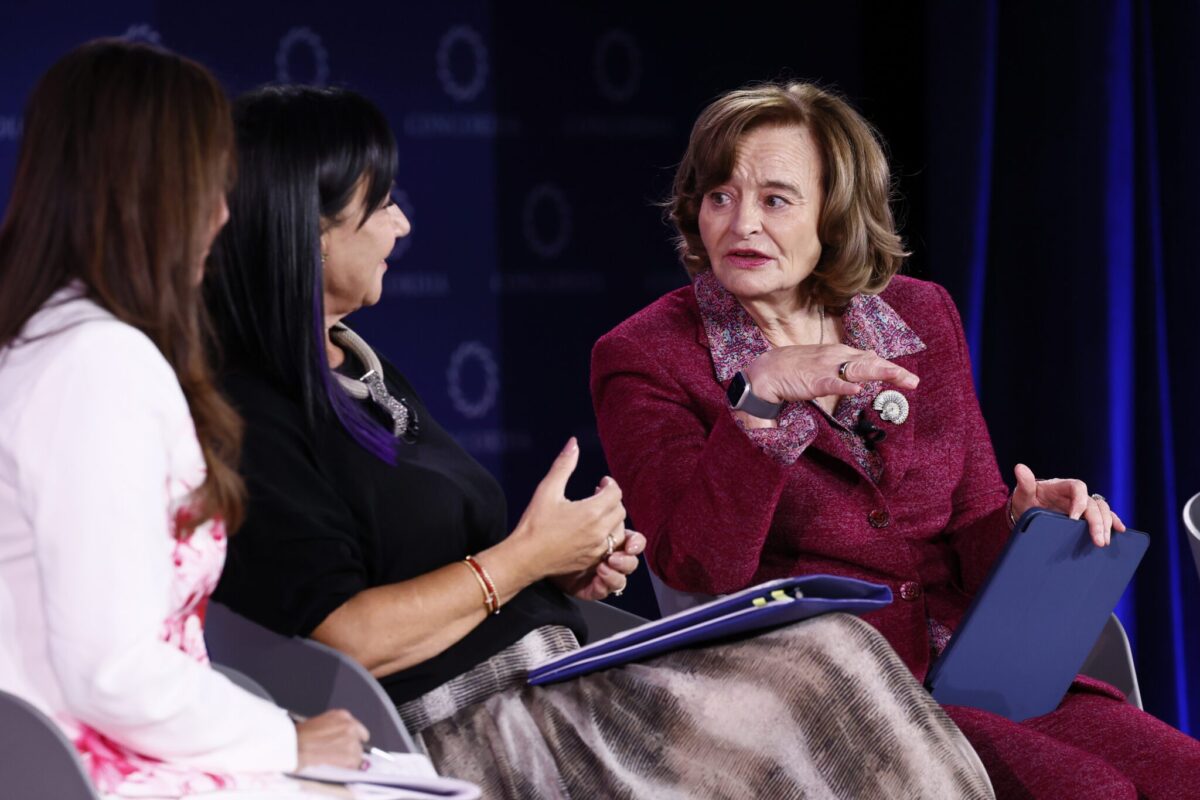
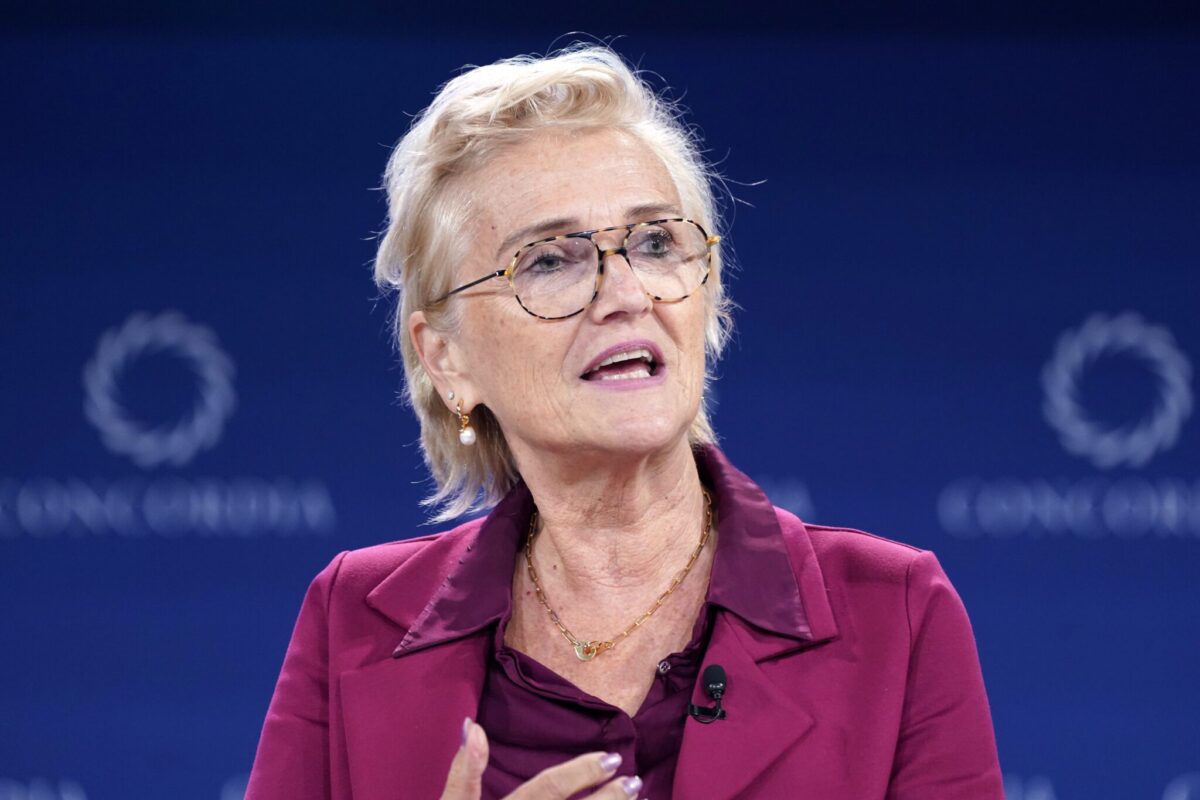
The discussion, featuring Anna Gawel, Lisha McCormick, Hammam N. Bin Juraied, Hend Alhinnawi and Jose Aguirre, examined the growing influence of sovereign wealth, blended finance and private investment in financing development.
The underlying issue was not simply how to replace diminishing donor funding, but how to create an entirely new financial architecture capable of attracting sustainable investment.
For family offices and private investors, this evolution presents an important strategic opportunity. Infrastructure, renewable energy, healthcare, digital connectivity and education are increasingly being examined through models that combine financial sustainability with measurable social benefits.
Blended finance, which uses catalytic public or philanthropic funding to help mobilize commercial investment, is particularly relevant. By reducing certain investment risks or improving project economics, these structures can potentially make previously inaccessible development opportunities more attractive to institutional and private investors.
Yet the opportunities come with challenges. Political instability, currency fluctuations, regulatory uncertainty and the difficulty of measuring social returns remain important considerations.
The broader message was unmistakable: private wealth is no longer merely a supplementary source of development funding. It is becoming an increasingly important participant in determining how global development is financed.
Navigating Market Volatility and the AI Investment Revolution
Financial markets and the changing discipline of investment management were also prominent subjects.
In Finding Opportunity in Volatile Markets, Calamos executive John Koudounis joined CNBC’s Morgan Brennan for a discussion framed around monetary policy uncertainty, political risk and the search for investment opportunities in an unpredictable economic environment.
The conversation’s agenda also explored how artificial intelligence is transforming investment research, portfolio management and financial decision-making.
For sophisticated investors, AI represents both an investment theme and an operational transformation.
Machine learning and advanced analytical tools can process vast quantities of financial information, identify patterns and support risk assessment at speeds that would have been unimaginable a generation ago.
However, the increasing availability of AI-powered investment tools raises a question for wealth managers: When technology democratizes access to sophisticated analytics, where does competitive advantage reside?
Increasingly, the answer may lie in the combination of proprietary information, investment judgment, disciplined governance and the ability to identify long-term structural opportunities rather than simply respond to short-term market movements.
For family offices managing multigenerational capital, this distinction is particularly important. Technological sophistication must ultimately serve a coherent investment philosophy rather than replace one.
Ajay Banga and the World Bank: Turning Demographic Growth into Economic Opportunity
One of the summit’s most consequential discussions featured Ajay Banga, President of the World Bank Group, in conversation with Ravi Agrawal.
The session examined a demographic challenge with enormous economic implications: Over the coming decade, approximately 1.2 billion young people are expected to reach working age in emerging markets, while only 420 million jobs are projected to be created.
That imbalance represents far more than a labor-market challenge. It has implications for migration, political stability, consumer demand, infrastructure development and the future distribution of global economic power.
The discussion focused on making job creation a central organizing principle of international development, supported by foundational investment, policy reform and private capital mobilization.
For investors, the potential opportunities are substantial. Emerging markets with growing populations will require expanded transportation systems, housing, telecommunications, energy infrastructure and financial services.
However, demographic growth does not automatically translate into economic prosperity. Without adequate education, employment opportunities and supportive institutions, a young population can become a source of instability rather than an engine of growth.
The investment imperative is therefore twofold: identify markets positioned to benefit from demographic expansion while supporting the institutions and infrastructure necessary to convert that potential into productive economic activity.
Energy Security Becomes a Defining Investment Theme
Energy emerged as one of the clearest intersections between economic competitiveness, national security and private investment.
In Powering Prosperity: A Pragmatic Agenda for America’s Energy Future, Representatives Mike Levin and Deborah Ross joined Concordia co-founder Nicholas Logothetis to examine how energy policy can strengthen American competitiveness while addressing affordability, reliability and technological innovation.
The discussion highlighted the Thriving Economy Project, an initiative intended to develop actionable policy recommendations.
Elsewhere, From Datacenters to Doorsteps examined a striking contrast in the global energy landscape.
While artificial intelligence and expanding data-center infrastructure are driving demand for additional electricity in developed markets, hundreds of millions of people worldwide continue to lack reliable power.
The session explored how centralized energy infrastructure and decentralized solutions can coexist to address these very different needs.
For investors, the implications extend across the energy value chain, from electricity generation and transmission to battery storage, grid modernization and distributed power systems.
Artificial intelligence is often discussed as a software revolution, but its physical infrastructure requirements are becoming an equally important investment consideration.
The companies and investors capable of delivering reliable, affordable energy may occupy an increasingly strategic position in the AI economy.
Geopolitics, NATO and the New Industrial Order
Global security and the reconfiguration of international trade also occupied a prominent place on the Concordia agenda.
In NATO’s Eastern Flank: Holding the Line, Winning the Peace, former Polish President Andrzej Duda joined Paula Dobriansky and Estonian Foreign Minister Margus Tsahkna to examine European security, defense modernization and the political sustainability of Western support for Ukraine.
The discussion reflected a broader transformation in how governments and investors assess geopolitical risk.
Defense spending, energy independence and supply-chain security are increasingly interconnected.
Meanwhile, The New Industrial Order: Rethinking Global Supply for a Fragmented World explored how industrial policy is being reshaped by strategic competition.
The session, featuring Matthew Swift and John Jovanovic, addressed the importance of export financing, strategic reserves and public-private cooperation in securing critical materials and strengthening industrial resilience.
For private capital, these developments are creating opportunities in domestic manufacturing, advanced materials, semiconductors, logistics and defense-related infrastructure.
They also underscore a fundamental shift in investment analysis.
Geopolitical exposure can no longer be evaluated solely through the lens of country risk. Investors must increasingly consider where products are manufactured, how supply chains are structured, and whether critical industries depend on politically vulnerable trading relationships.
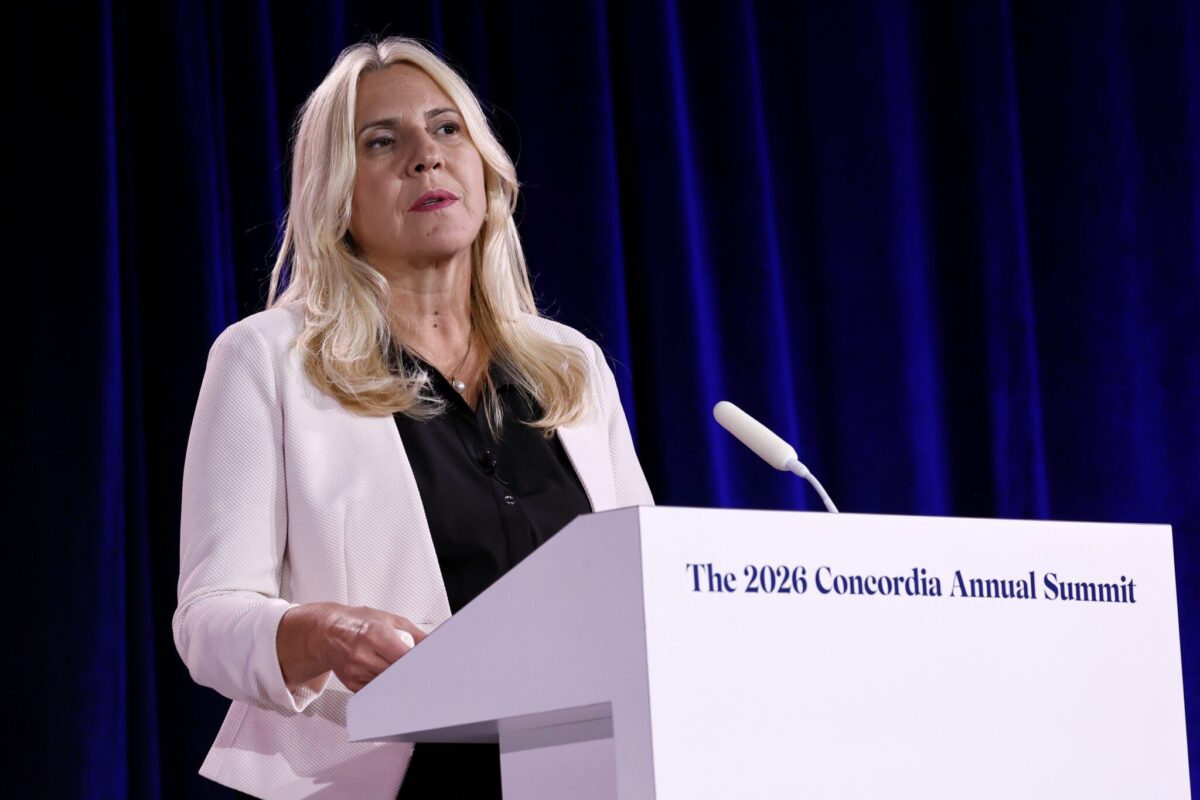

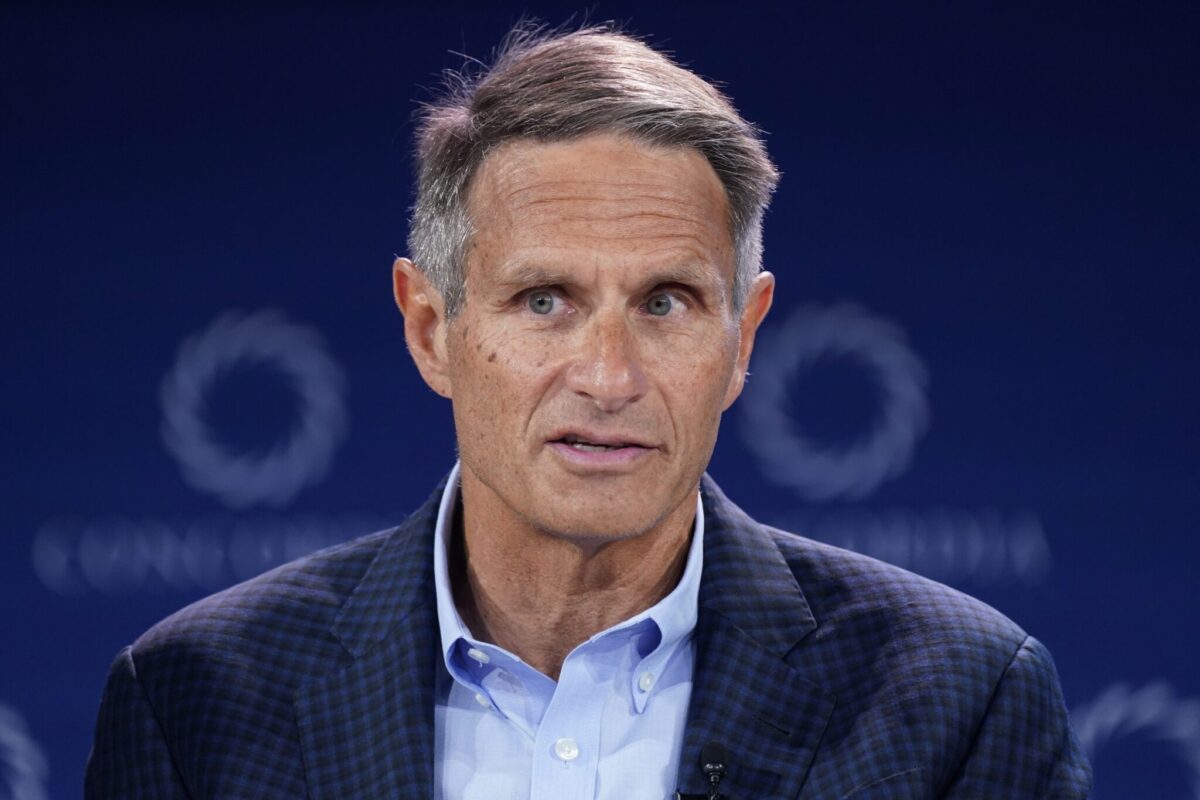
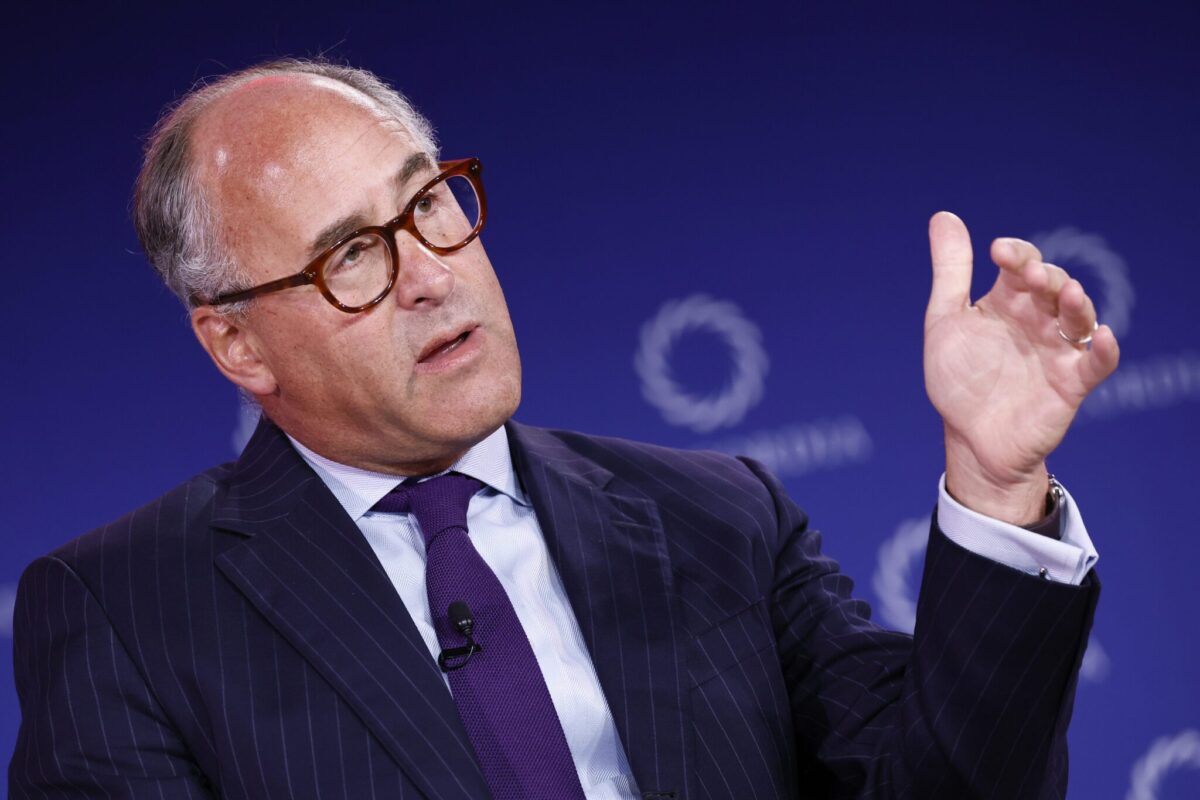
Healthcare: From Reactive Treatment to Preventive Investment
The summit’s healthcare discussions reinforced the idea that health should be understood not simply as a social expenditure, but as a fundamental component of economic productivity.
In The Cognitive Edge: A Global Imperative for Work, Warfare, and Wellbeing, Sandi Chapman, Morgan Luttrell, Jesus Mantas and John Nosta examined the emerging importance of proactive brain health.
The session explored the role of cognitive performance in workforce productivity, military readiness and resilience in an increasingly AI-driven world.
This shift from treating disease to supporting long-term cognitive function reflects a broader evolution in the healthcare and longevity industries.
For investors, it points toward growing interest in preventive diagnostics, digital health platforms, neuroscience and technologies designed to support healthy aging.
Reza Pahlavi on Iran’s Future, Economic Opportunity, and Regional Stability
One of the summit’s most compelling geopolitical conversations featured Iranian opposition leader and former Crown Prince Reza Pahlavi in a discussion with Concordia co-founder Matthew Swift about Iran’s political future, regional stability, and the economic opportunities that could emerge from a fundamental transformation of the country.
Pahlavi presented a vision of Iran reintegrating into the international economy, arguing that decades of political isolation have prevented the country from realizing its economic potential.
“We want to be able to be partners with the free world. We want to be re-engaged in the world economy,” Pahlavi declared, drawing a striking comparison between Iran’s trajectory and that of South Korea.
“Had it not been for the revolution, Iran today should have been the South Korea of the Middle East at the very least. Instead, it has become the North Korea of the Middle East.”
For international investors, the implications of such a transformation could be considerable. Iran possesses substantial energy resources, a large domestic market, and an educated population, yet political restrictions, international sanctions, and longstanding economic challenges have severely constrained its participation in global capital markets.
Pahlavi suggested that political change could create significant commercial opportunities, particularly for American businesses and investors.
“It’s the fact that it will create economic opportunities unprecedented in modern history,” he said, describing the potential benefits of renewed international engagement.
Energy security was another central theme. Pahlavi pointed to Iran’s potential role in diversifying Europe’s energy supply, particularly as European governments seek to reduce their exposure to geopolitical disruptions.
He also argued that the country’s political future should be determined by its citizens rather than through negotiations that exclude their aspirations.
“Why is it that you should invest on the people of Iran rather than endless negotiation” with the existing government, he asked, emphasizing the importance of supporting the Iranian population.
Beyond economic development, Pahlavi outlined a broader vision of regional cooperation, suggesting that resources currently directed toward military confrontation could instead support healthcare, environmental protection, and infrastructure.
“My biggest concern is the water crisis that affects Iran in particular, but many other countries in the region,” he said, highlighting the urgency of addressing shared environmental challenges.
His closing remarks reflected a central theme of Concordia’s broader mission: the belief that cooperation can create greater prosperity than confrontation.
“Your gain is my gain and vice versa. It should not be zero sum.”
Wyclef Jean and the Enduring Value of Human Creativity
Amid discussions of artificial intelligence, finance and geopolitics, one of the summit’s more culturally resonant conversations explored the enduring importance of human creativity.
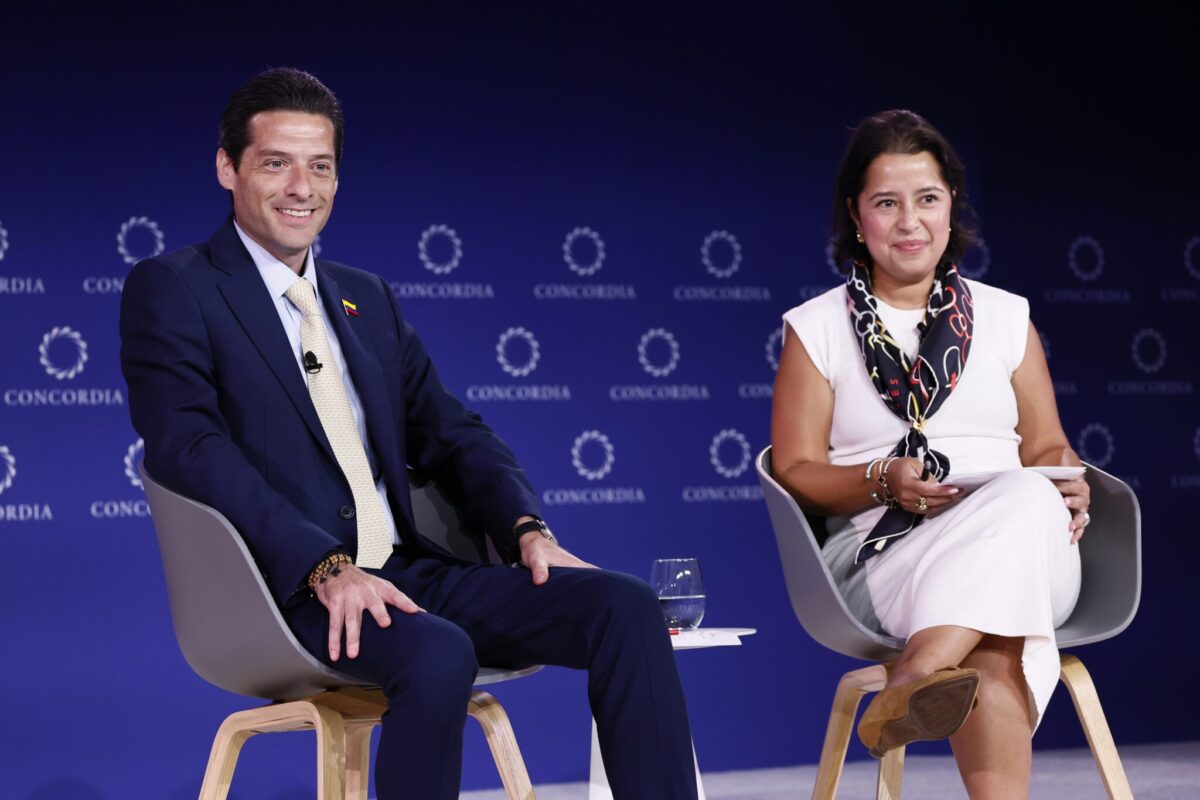
In From Fugees to the Future, Grammy-winning musician, producer and entrepreneur Wyclef Jean joined former Colombian President Iván Duque to consider how artificial intelligence is reshaping creative expression.
The conversation’s central theme was especially timely: As technology becomes increasingly capable of generating music, images and other creative content, what makes human imagination distinctive?
For the entertainment, media, luxury and creative industries, this question carries significant commercial implications.
AI offers extraordinary opportunities to streamline production, personalize consumer experiences and expand creative possibilities. At the same time, it raises questions about intellectual property, authenticity and the economic value of original artistic work.
For luxury brands in particular, human creativity remains closely associated with heritage, craftsmanship and emotional connection.
The most successful creative enterprises may therefore be those that embrace technological innovation while preserving the originality and cultural identity that make their work valuable.
The discussion served as a reminder that technological advancement and human creativity need not be opposing forces. Their most productive relationship may be one in which technology amplifies human ingenuity rather than attempting to replace it.
The Family Office Perspective: Where Capital Meets Global Influence
For the international family office community, Concordia 2026 offered a particularly relevant window into the evolving relationship between wealth, policy and societal transformation.
Unlike traditional investment conferences focused primarily on asset allocation and financial performance, Concordia approached economic opportunity through a broader framework encompassing geopolitics, technology, human capital and institutional resilience.
Several strategic themes stood out.
First, the distinction between traditional investing and impact-oriented capital deployment is becoming less rigid. Infrastructure, healthcare, energy and digital connectivity can represent both commercial opportunities and essential components of social development.
Second, geopolitical awareness is increasingly central to sophisticated wealth management. Supply-chain resilience, energy security and political stability can materially influence long-term investment outcomes.
Third, the growing importance of public-private partnerships creates opportunities for patient capital. Family offices, with their potentially flexible investment horizons and ability to pursue objectives beyond quarterly performance, may be particularly well positioned to participate.
Finally, philanthropy itself is evolving.
Rather than viewing charitable giving solely as a mechanism for redistributing wealth, families are increasingly able to consider strategies that combine grants, catalytic investments, institutional partnerships and measurable outcomes.
The result is a more integrated approach to wealth stewardship, one in which financial resources, intellectual capital, business expertise and philanthropic priorities can work together.
The Concordia Legacy: From Dialogue to Action
Perhaps the most important takeaway from the 2026 Concordia Annual Summit was that many of the world’s defining challenges can no longer be addressed effectively by any single sector.
Governments possess the authority to establish policy and shape regulatory environments. Businesses bring operational capabilities, innovation and investment. Philanthropic institutions can support experimentation, address funding gaps and advance initiatives that may not yet attract commercial capital.
The greatest opportunities may emerge where these capabilities intersect.
Concordia’s cross-sector model reflects a growing recognition that collaboration is not merely a diplomatic ideal, but an increasingly practical necessity for addressing challenges at global scale.
For the leaders gathered in New York, the conversations extended from immediate geopolitical concerns to questions that will shape the coming decades: how to create employment for a rapidly expanding global workforce, how to finance resilient energy systems, how to preserve natural resources, and how to ensure technological progress benefits society.
The next generation of wealth creation may be defined as much by access to innovation, strategic partnerships and the ability to anticipate structural change as by traditional financial assets.
And the legacy of wealth may increasingly be measured not only in the preservation of capital across generations, but in the opportunities that capital creates.
As Concordia 2026 demonstrated through the breadth of its agenda, the future of global prosperity will depend on the ability of influential leaders to connect ambition with investment, innovation with responsibility, and private success with lasting public benefit.