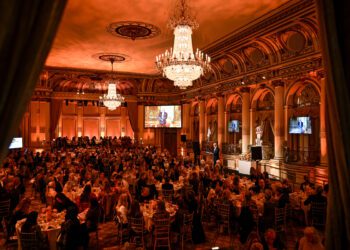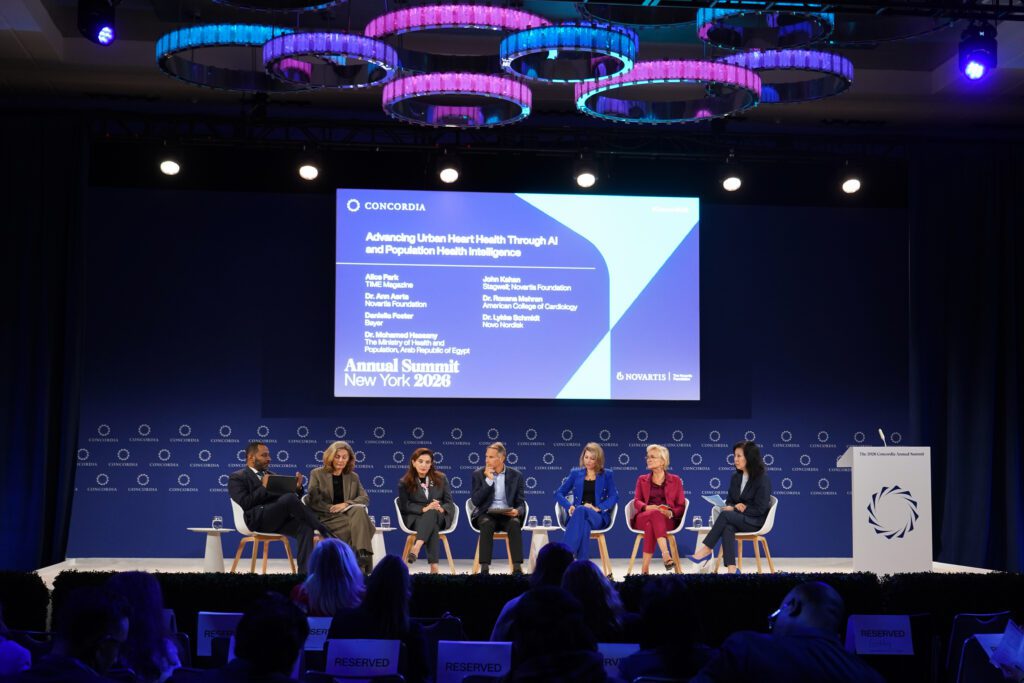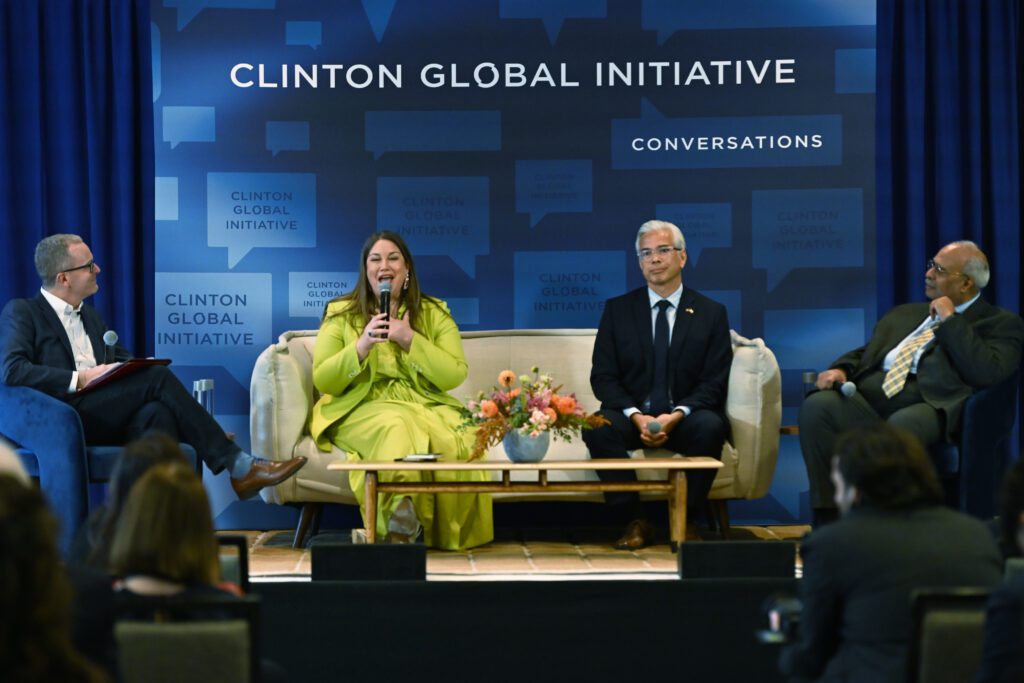
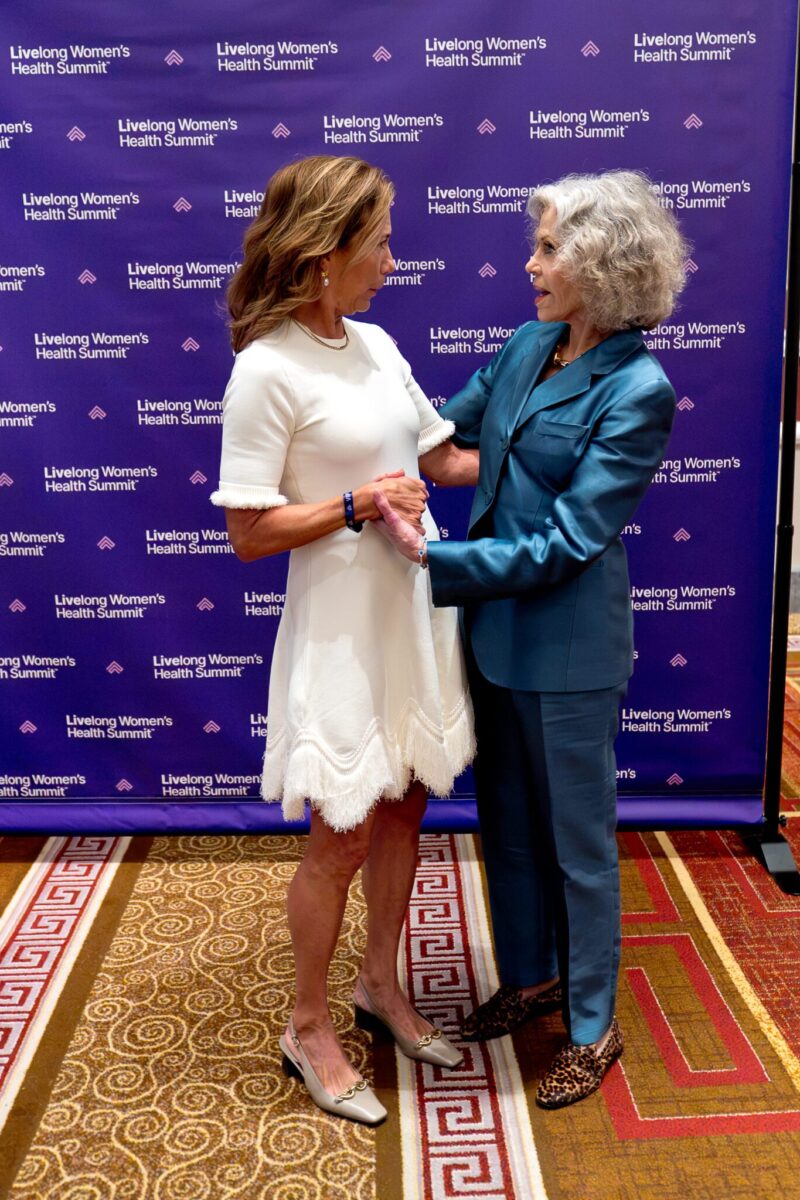
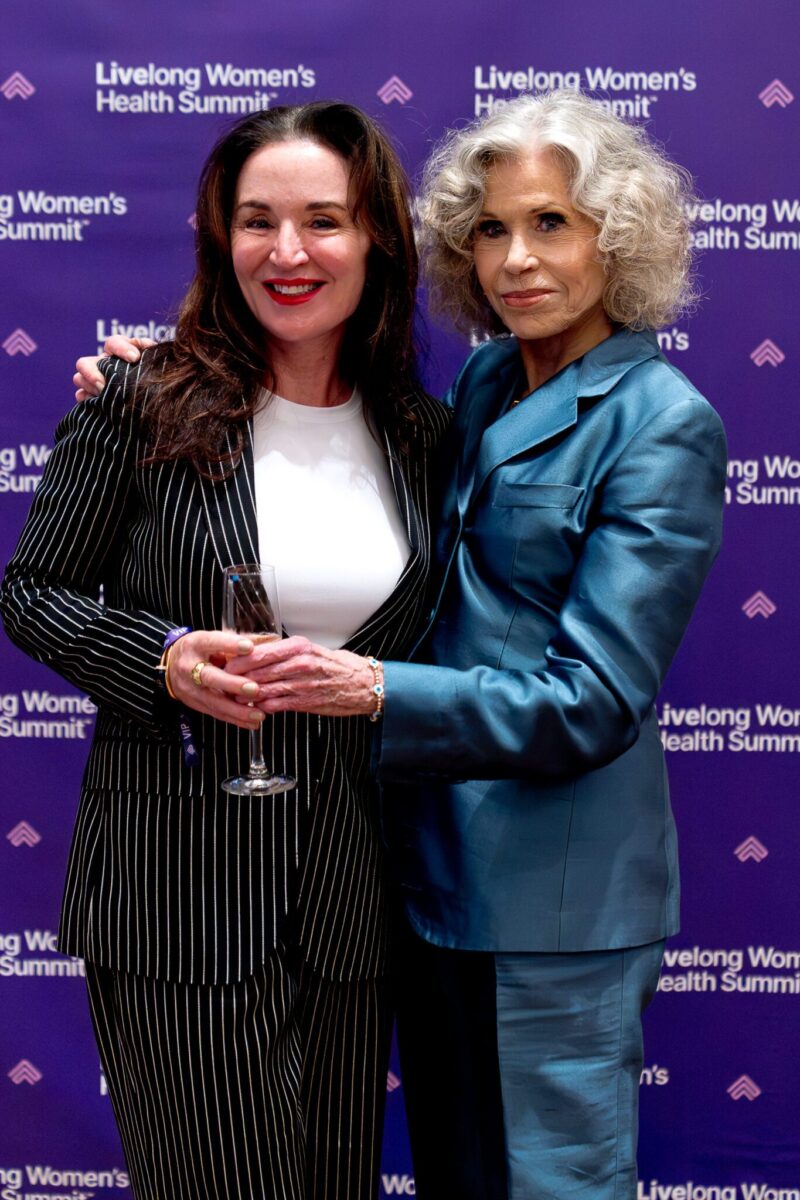
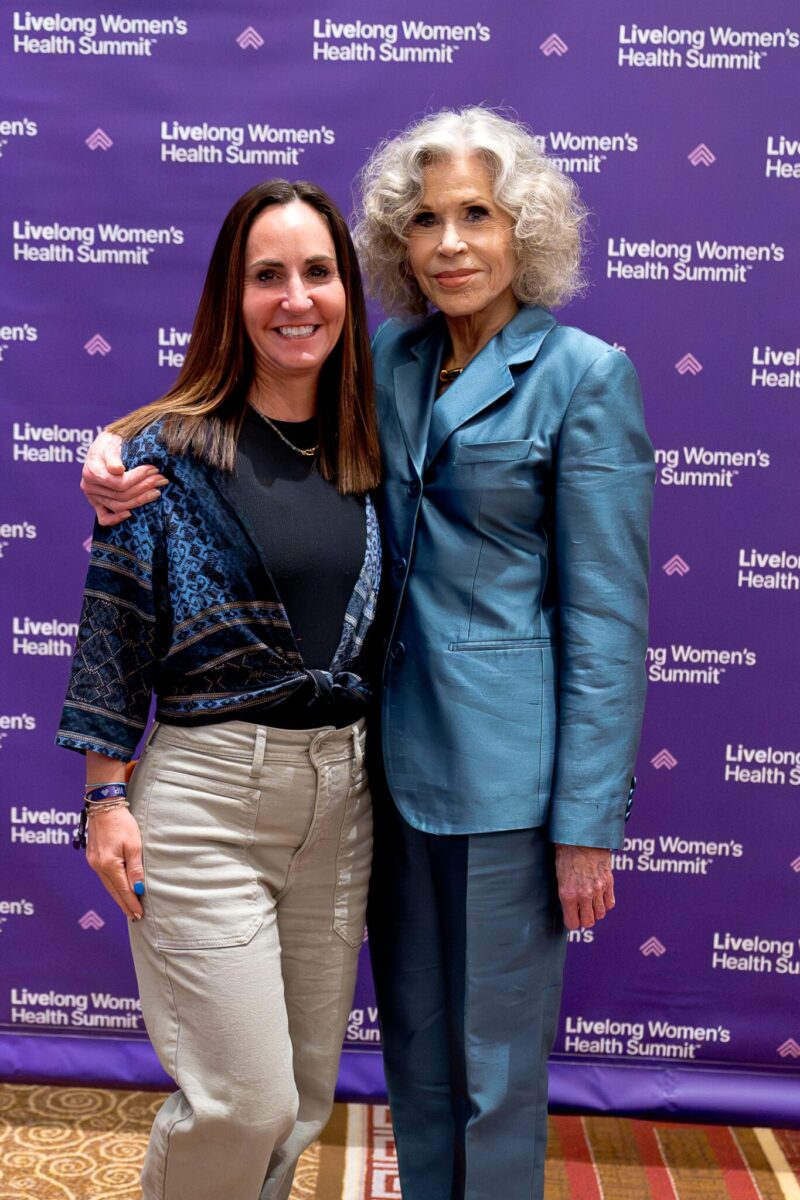
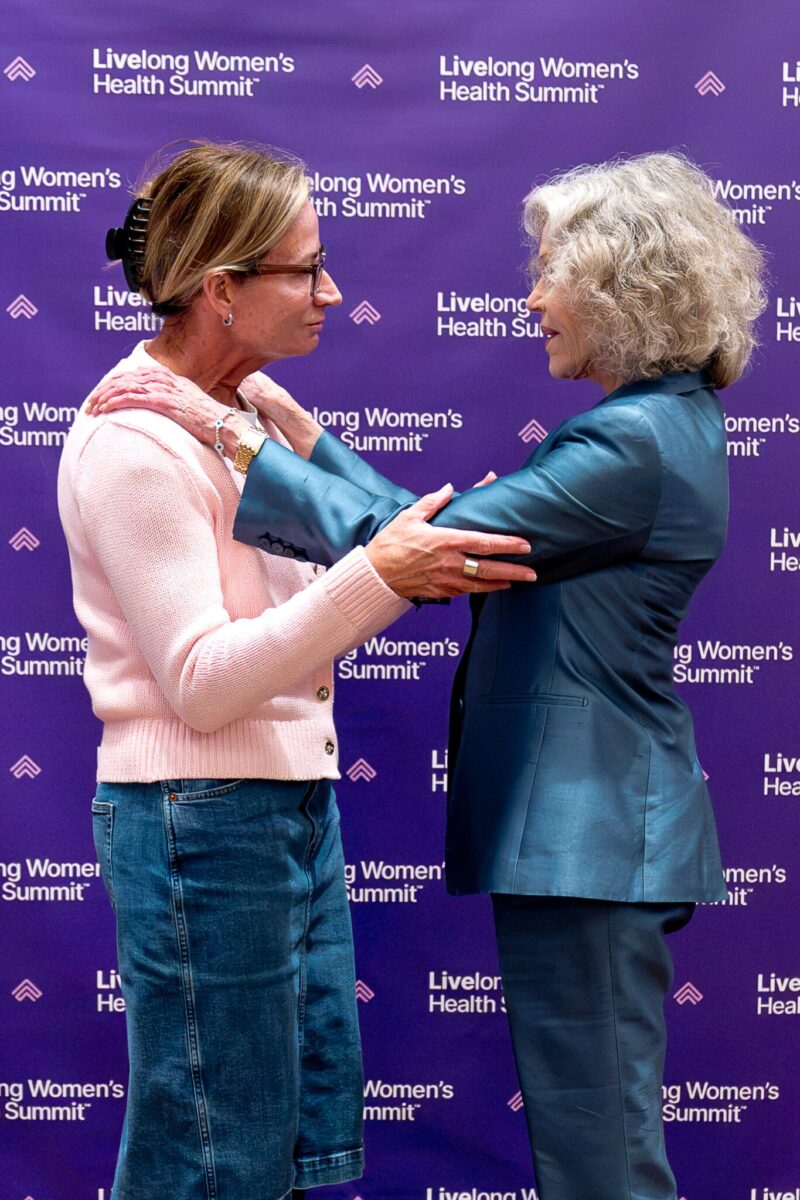
Jane Fonda, Bobbi Brown, Dr. Mary Claire Haver and leading voices in medicine, biotechnology and wellness converged in Manhattan for a groundbreaking exploration of how women can live longer, stronger and healthier—and why the future of longevity must be designed specifically for women.
For generations, women have been taught to approach aging as something to resist, conceal or quietly accept. But at the 2026 Livelong Women’s Health Summit in New York City, an entirely different narrative took center stage: Aging is not simply about adding years to life, but about preserving vitality, independence, cognitive sharpness and purpose throughout those years.
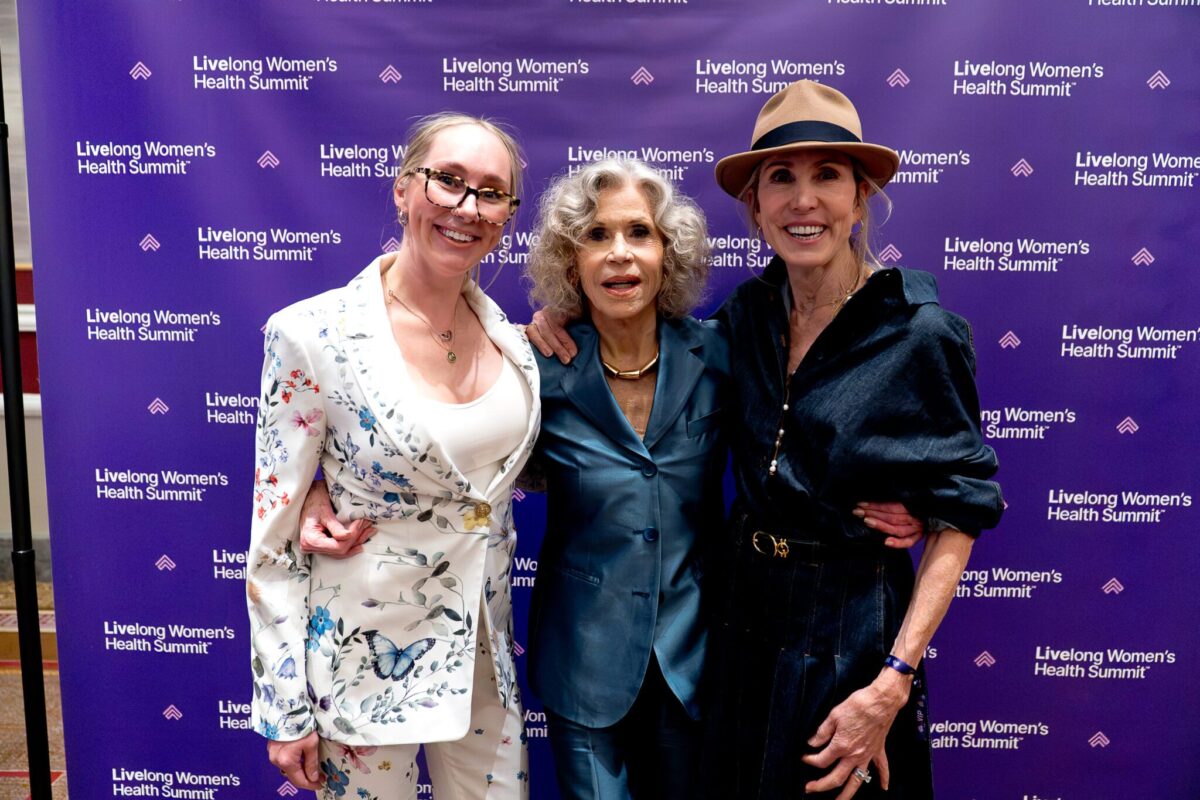
Held September 25–26 at the Hilton Midtown, the two-day gathering brought together an ambitious cross-section of physicians, researchers, entrepreneurs, wellness innovators and cultural icons, including Jane Fonda, beauty entrepreneur Bobbi Brown, menopause specialist Dr. Mary Claire Haver and exercise physiologist Dr. Stacy Sims.
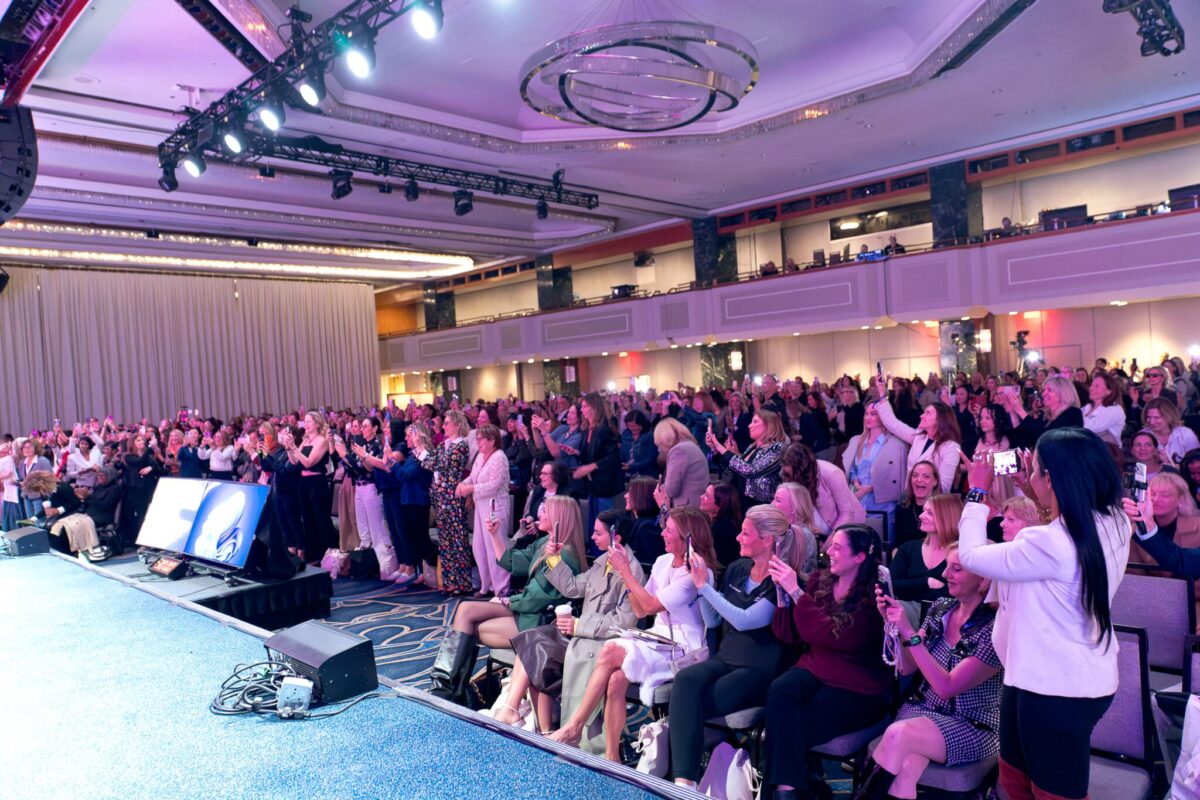
With a program featuring more than 100 experts and an anticipated audience of over 3,000 women, the summit represented a growing movement to transform women’s healthcare from a largely reactive system into one focused on prevention, personalization and healthy longevity.
Under the empowering theme “Your Health Is Your Power,” discussions ranged from the science of cellular aging and hormone replacement therapy to cardiovascular disease, cognitive decline, sexual wellness, artificial intelligence and the emerging investment opportunities in women’s health.
For Impact Wealth, the summit offered an especially compelling perspective on the convergence of longevity science, financial independence and a rapidly expanding market for female-focused healthcare innovation.







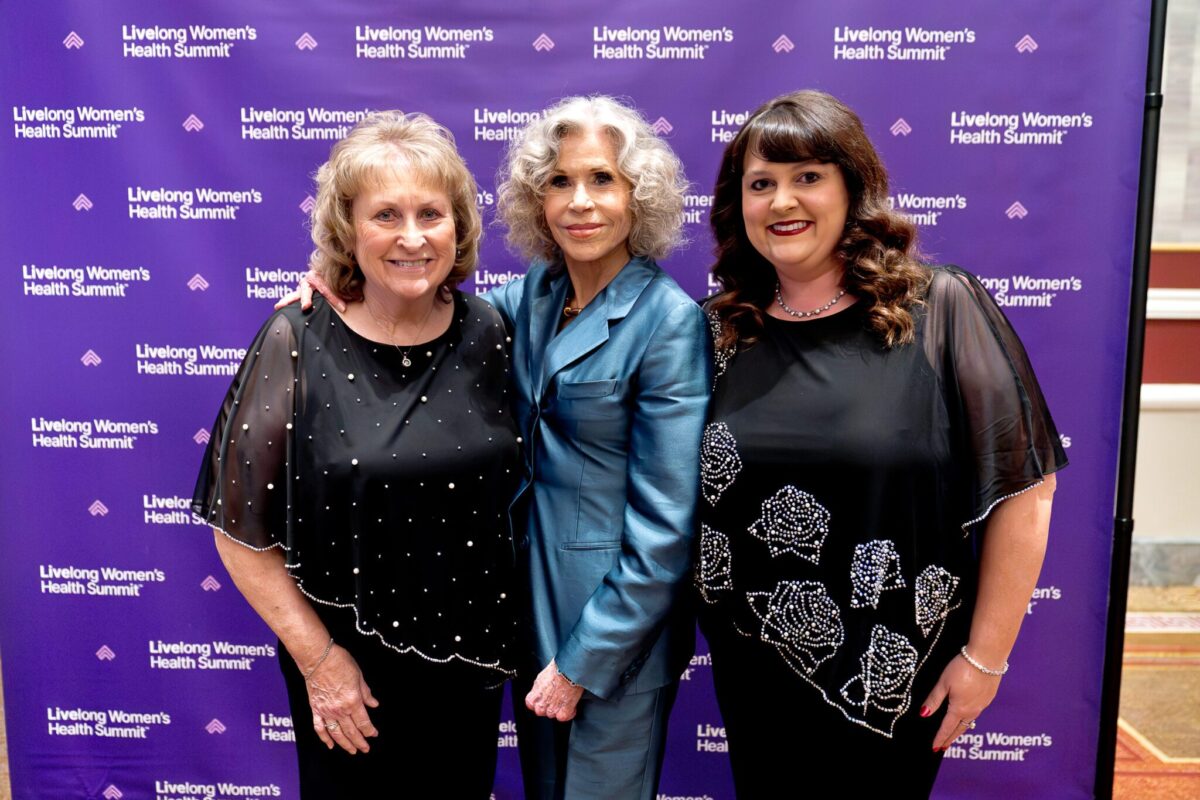
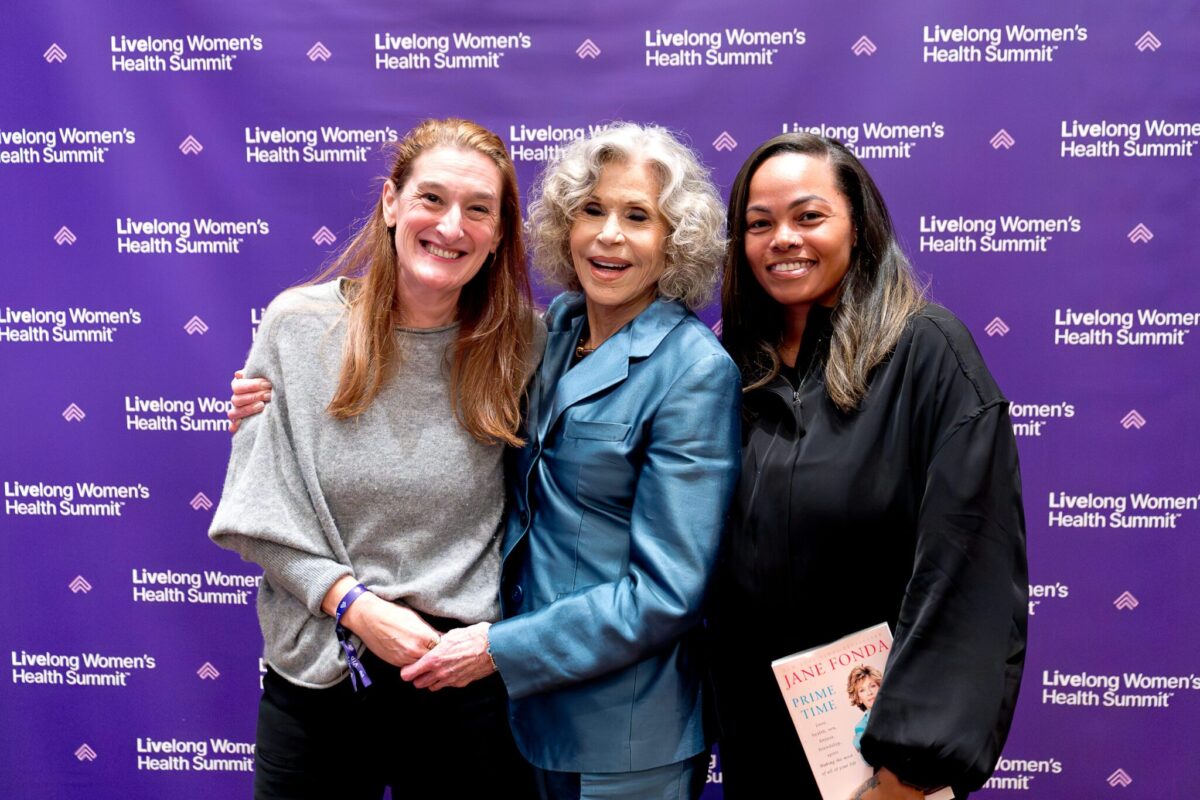
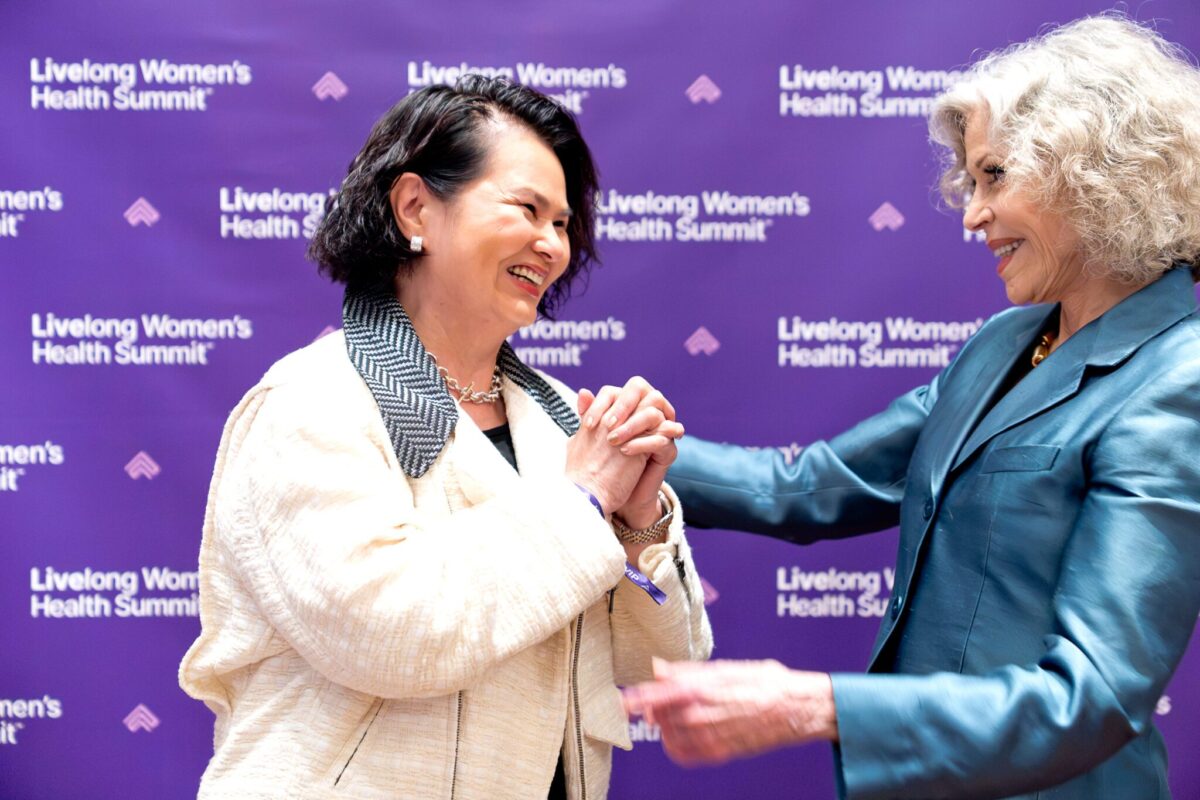
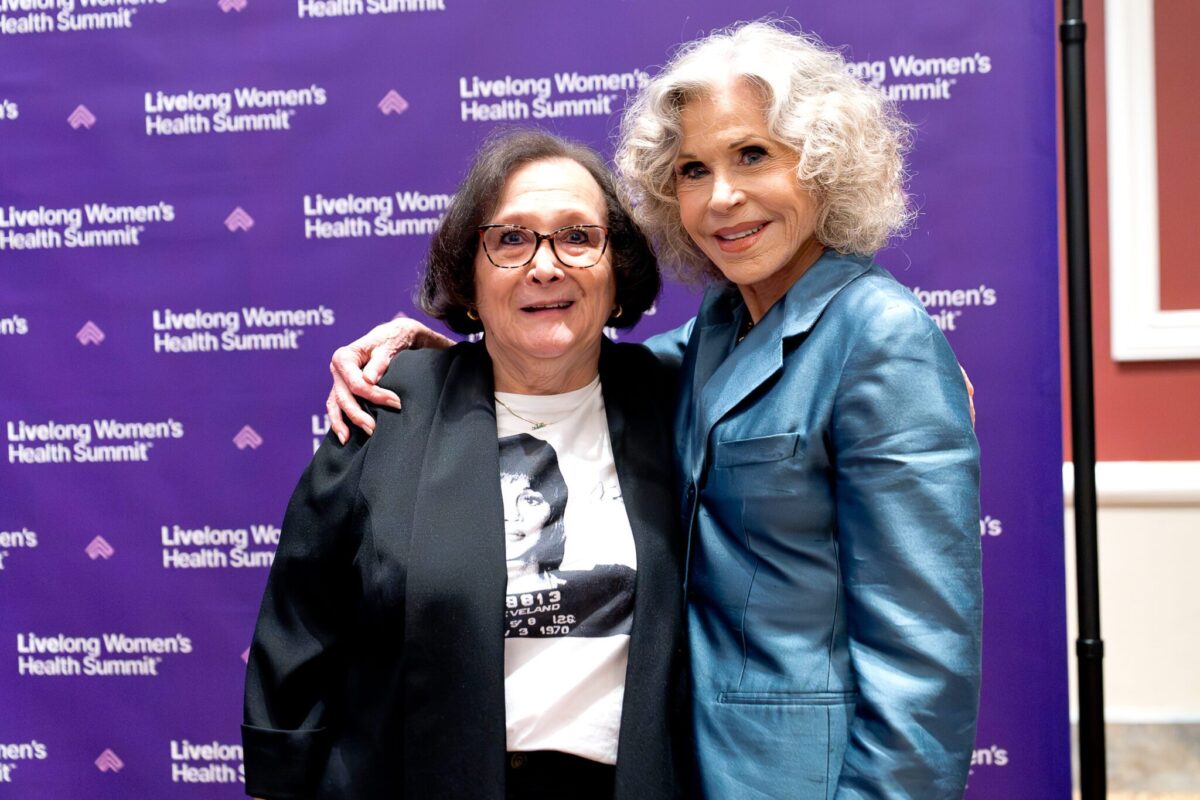
Jane Fonda: The Third Act May Be the Most Powerful
Few public figures embody the possibilities of purposeful aging quite like Jane Fonda.
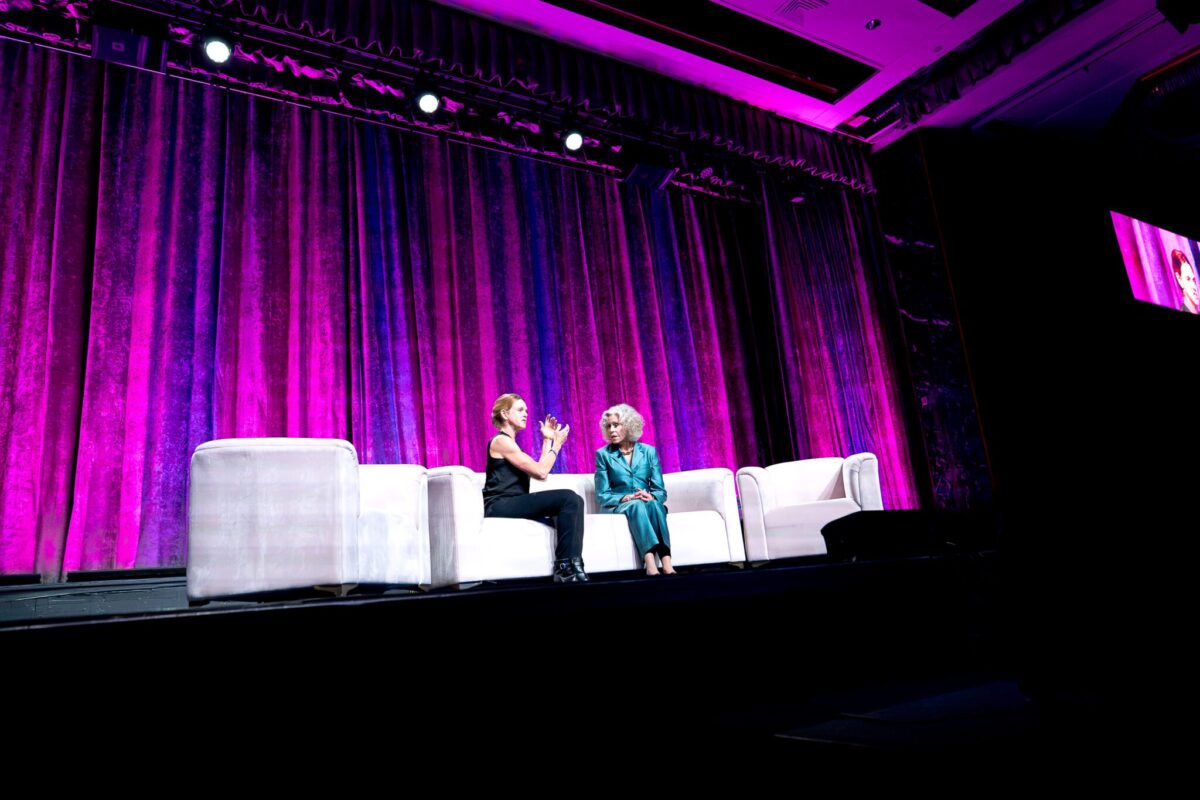
The Academy Award-winning actress, activist and fitness pioneer headlined a conversation titled The Third Act, moderated by exercise physiologist Dr. Stacy Sims.
At 88, Fonda remains a compelling example of how reinvention, engagement and purpose can continue well beyond conventional retirement age.
The session explored an idea that challenged the traditional narrative surrounding later life: What if the most meaningful chapters of our lives are still ahead of us?
For women navigating their sixties, seventies and beyond, this perspective is more than motivational. It reflects a growing body of research linking social connection, physical activity and a sense of purpose with improved well-being and healthier aging.
Fonda’s presence also underscored the cultural transformation taking place around longevity. Rather than defining older women by what they have lost, the conversation increasingly centers on what they can continue to contribute, create and accomplish.
The message was especially relevant to women who have spent decades building careers, raising families or supporting others, only to discover that later life offers an opportunity to redefine success on their own terms.
Menopause Takes Center Stage as a Whole-Body Health Issue
Among the summit’s most important medical themes was the changing understanding of menopause and its influence on long-term health.
For decades, menopause was frequently discussed primarily in terms of hot flashes, sleep disruption and reproductive aging. Today, specialists increasingly recognize that hormonal changes during midlife can affect cardiovascular health, bone density, muscle mass, metabolism and quality of life.
Dr. Mary Claire Haver, a board-certified OB-GYN and prominent advocate for menopause education, participated in discussions examining the relationship between hormones, inflammation and women’s overall health.
Her participation reflected a broader movement toward individualized, evidence-based menopause care.
The decline in estrogen during menopause is associated with changes in bone turnover, body composition and cholesterol levels. These changes can have lasting implications, particularly when combined with insufficient exercise, poor sleep or existing cardiovascular risk factors.
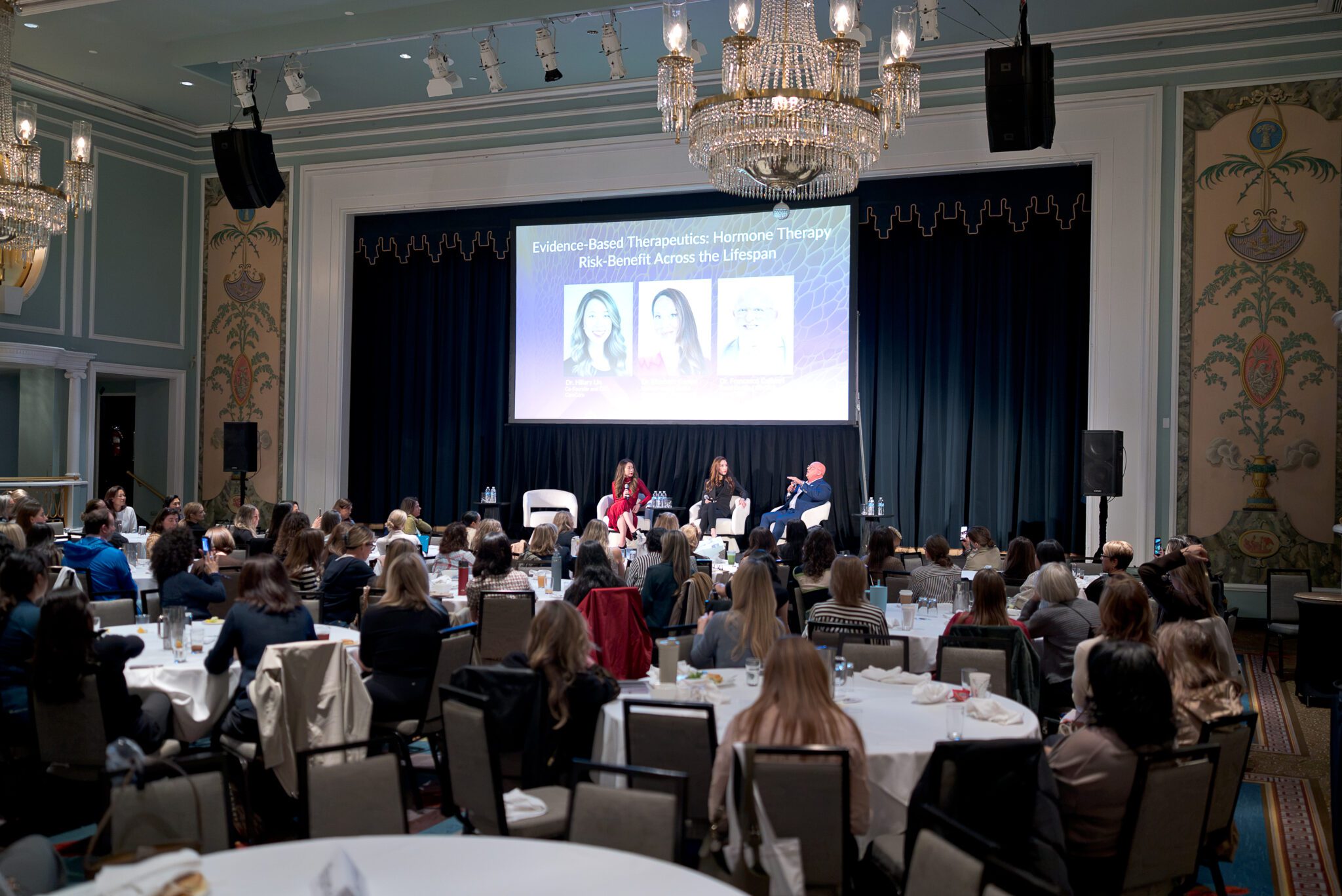
Menopausal hormone therapy can be effective for appropriately selected women, especially for managing vasomotor symptoms and preventing bone loss in certain circumstances. However, its benefits and risks depend on individual factors, including age, medical history, treatment formulation and timing.
The summit also featured Dr. Jessica Shepherd, an OB-GYN focused on comprehensive women’s health, alongside reproductive endocrinologist Dr. Natalie Crawford in a session examining the ovarian clock.
Their discussion connected reproductive aging with broader questions about women’s health across the lifespan.
The larger takeaway was that women should not have to wait until symptoms become debilitating to begin conversations about hormonal health, preventive screening and long-term wellness.
Dr. Stacy Sims: Why Women Are Not Small Men
One of the summit’s most relevant scientific discussions came from Dr. Stacy Sims, whose session, Women Are Not Small Men, challenged longstanding assumptions in exercise science.
Historically, much of the research informing fitness, nutrition and athletic performance has been conducted predominantly on men, with findings often generalized to women.
Yet female physiology is influenced by distinctive hormonal patterns, reproductive transitions and changes in body composition that can affect exercise response and recovery.
Sims’ work emphasizes the importance of understanding these differences rather than relying exclusively on training and nutrition models developed around male physiology.
For women entering perimenopause and menopause, the conversation is particularly relevant.
Age-related declines in muscle mass and strength can contribute to metabolic changes, reduced mobility and increased vulnerability to injury. Resistance training, adequate protein intake and appropriately programmed cardiovascular exercise can help counter these effects.
The summit’s broader focus on physical strength reinforced a powerful principle: Muscle is not merely an aesthetic asset. It is essential to metabolic health, mobility and long-term independence.
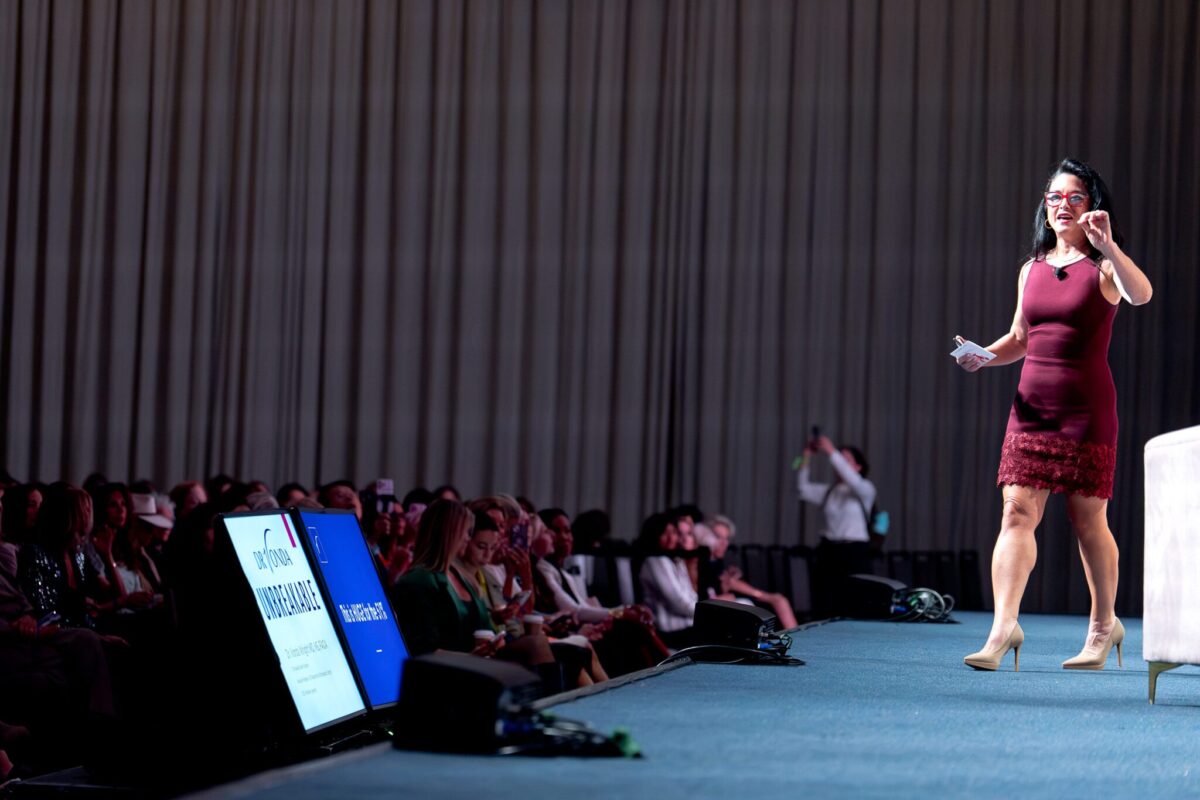
Orthopedic surgeon Dr. Vonda Wright expanded on this theme in Unbreakable: Age with Power, examining the role of strength and musculoskeletal health in maintaining physical capability throughout life.
Together, these sessions repositioned fitness as a form of preventive medicine rather than simply a strategy for weight management or appearance.
Brain Health and the Race to Prevent Cognitive Decline
As women live longer, protecting cognitive function is becoming an increasingly urgent medical and economic priority.
The summit addressed this challenge in How to Protect Your Brain: The Science of Preventing and Treating Cognitive Decline, featuring UCLA neurologist Dr. Rhonda Voskuhl, Cognito Therapeutics Chief Medical and Scientific Officer Dr. Ralph Kern and NeuroAge Therapeutics co-founder Dr. Christin Glorioso.
Their session examined emerging approaches to Alzheimer’s disease, neurological aging and the possibility of identifying cognitive decline earlier.
The relationship between menopause and brain health has also attracted growing scientific interest, particularly as researchers investigate how hormonal transitions influence memory, sleep and neurological function.
For the biotechnology sector, these developments represent a significant area of research and investment. Companies are exploring new diagnostics, neurotherapeutics and technologies that could eventually transform the treatment of age-related cognitive disorders.
However, many experimental interventions remain unproven, and no available therapy can guarantee the prevention of Alzheimer’s disease.
The strongest established preventive strategies continue to include managing cardiovascular risk factors, regular physical activity, adequate sleep and maintaining social and cognitive engagement.
From GLP-1s to Peptides: Separating Longevity Science from Hype
Few categories have attracted as much attention in the wellness industry as GLP-1 medications and peptide therapies.
At Livelong, physicians including Dr. Kathleen Jordan, Dr. Heather Woolery-Lloyd and endocrinologist Dr. Rocio Salas-Whalen explored the implications of GLP-1 treatments for women’s metabolic health, weight management and hormonal transitions.
Although medications such as semaglutide and tirzepatide have transformed obesity treatment, their use requires individualized medical supervision. Preserving muscle mass, ensuring adequate nutrition and monitoring adverse effects remain essential considerations.
A separate session, Peptides: Hype, Hope, or Both?, featured physician-scientist Dr. Florence Comite alongside Dr. Poonam Desai, Dr. Juhi Saltzstein and Dr. Krista Ramonas.
The discussion addressed a growing disconnect between the commercial enthusiasm surrounding peptide treatments and the clinical evidence supporting particular applications.
Some peptide-based medications have well-established medical uses, while many compounds marketed for anti-aging remain investigational, lack adequate human safety data or are not FDA-approved.
For consumers investing significant sums in personalized longevity programs, distinguishing established therapies from experimental interventions is becoming increasingly important.
Bobbi Brown: Reinvention Has No Age Limit
While much of the summit centered on medical innovation, beauty entrepreneur Bobbi Brown offered a different perspective on aging: the freedom to reinvent oneself.
In a conversation with author and entrepreneur Jess Ekstrom, the founder of Jones Road Beauty explored entrepreneurship, beauty and the possibilities of beginning again.
Brown’s professional journey offers a compelling case study in the relationship between experience and innovation.
After building her original cosmetics brand into an internationally recognized business, she returned to entrepreneurship with Jones Road Beauty, a company reflecting her evolving philosophy of effortless, natural-looking beauty.
Her story also illustrates the growing commercial influence of mature women.
Long overlooked by brands disproportionately focused on younger demographics, women over 40 represent a powerful consumer audience with substantial purchasing influence and increasingly sophisticated expectations.
For the beauty industry, the shift is significant. Rather than promoting youth as the singular ideal, brands are finding opportunities in products and messaging that celebrate individuality, authenticity and confidence across generations.
Brown’s presence reinforced one of the summit’s defining cultural messages: Aging does not diminish a woman’s capacity for creativity, reinvention or entrepreneurial success.
The Next Frontier: AI, Wearables and Personalized Medicine
The growing integration of artificial intelligence into healthcare was another major theme.
A session titled Beyond the Step Count: Making Sense of Your Health Data brought together representatives from WHOOP, Oura, Canyon Ranch and OpenAI to explore how wearable technologies and artificial intelligence are changing personal health monitoring.
Participants included WHOOP’s Dr. Kristen Holmes, Oura’s Dr. Chris Curry, Canyon Ranch’s Dr. Jen Wagner and OpenAI healthcare AI strategist Giuliana Freda.
Smart rings, fitness trackers and continuous monitoring technologies are generating unprecedented quantities of personal health data.
The opportunity lies in transforming that information into meaningful decisions.
Sleep patterns, resting heart rate, activity levels and recovery indicators can offer useful insights into individual health trends. Yet consumer devices vary in accuracy, and their measurements are not substitutes for clinical diagnosis.
The more transformative possibility is the development of integrated systems that combine longitudinal health information with professional medical oversight.
For investors, the convergence of AI, diagnostics, remote monitoring and personalized care represents an expanding area of healthcare innovation.
Investing in Women’s Health: An Underserved Market Comes of Age
One of the summit’s most commercially significant discussions addressed the financing of women’s healthcare innovation.
In The Front Row: Investing at the Edge of Women’s Health, Trish Costello, founder and CEO of Portfolia, examined the investment landscape for companies developing solutions in women’s health and longevity.
The subject was also explored in The Breakthroughs in Women’s Health You Need To Be Ready For, featuring Costello, Earli founder Cyriac Roeding, Stanford bioengineering professor Dr. Mark Skylar-Scott and Cure CEO Seema Kumar.
The program highlighted emerging technologies in cancer detection, regenerative medicine and other areas of biomedical innovation.
Historically, women’s health has been underrepresented in certain areas of clinical research and venture funding. Growing awareness of those gaps is encouraging entrepreneurs and investors to develop more targeted solutions.
Opportunities span menopause care, reproductive health, oncology, cardiovascular diagnostics, pelvic health, mental health and digital healthcare delivery.
But the sector’s investment potential depends on more than consumer demand.
Successful companies must demonstrate clinical effectiveness, navigate regulatory requirements, establish sustainable reimbursement or payment models, and build trust among patients and physicians.
For family offices and investors seeking opportunities at the intersection of healthcare and social impact, women’s health offers a compelling field for long-term research and capital allocation.


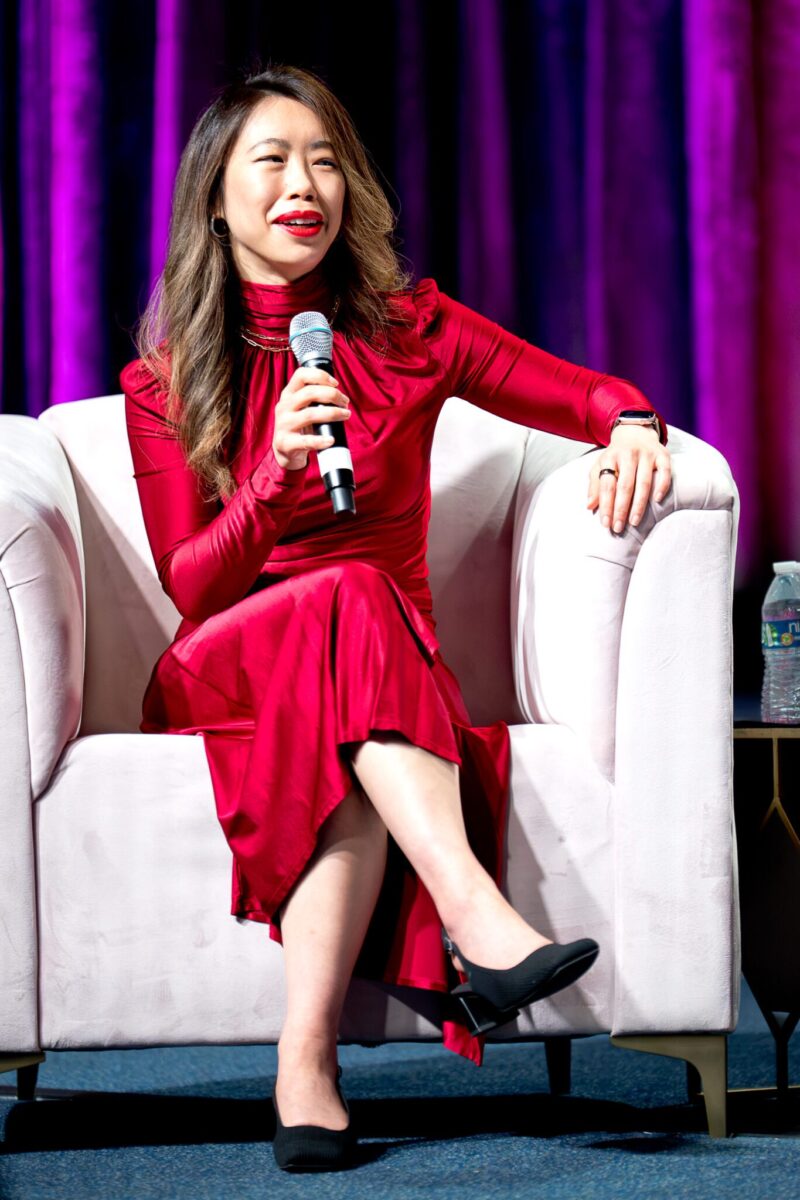
Healthspan Meets Wealthspan: The Financial Implications of Living Longer
For Impact Wealth readers, one of the summit’s most relevant sessions was Healthspan & Wealthspan: Planning for Women’s Longer, Healthier Lives.
Featuring Dr. Kim Henderson, Head of Health and Wellness Education at Morgan Stanley, the discussion explored how women’s health milestones intersect with financial security.
The connection is increasingly important.
Women generally have longer life expectancies than men, creating distinctive challenges in retirement planning, healthcare spending, caregiving and long-term financial independence.
An extended lifespan can mean additional years of opportunity, but also greater exposure to inflation, market volatility and the potential cost of long-term care.
The summit also addressed Solo Aging with Confidence, featuring legacy planner Marni Blank and financial planner Beth Pinsker.
Their session considered the legal, financial and social planning necessary for individuals who may age without a spouse, children or other traditional family support systems.
For affluent women and family offices, longevity planning should extend beyond investment portfolios and estate structures to include healthcare advocacy, durable powers of attorney, long-term care arrangements and the preservation of independence.
The emerging concept of wealthspan recognizes that financial security and physical well-being are deeply interconnected.
After all, the value of a longer life is substantially enhanced by the health and independence necessary to enjoy it.
Beyond the Main Stage: An Experiential Approach to Wellness
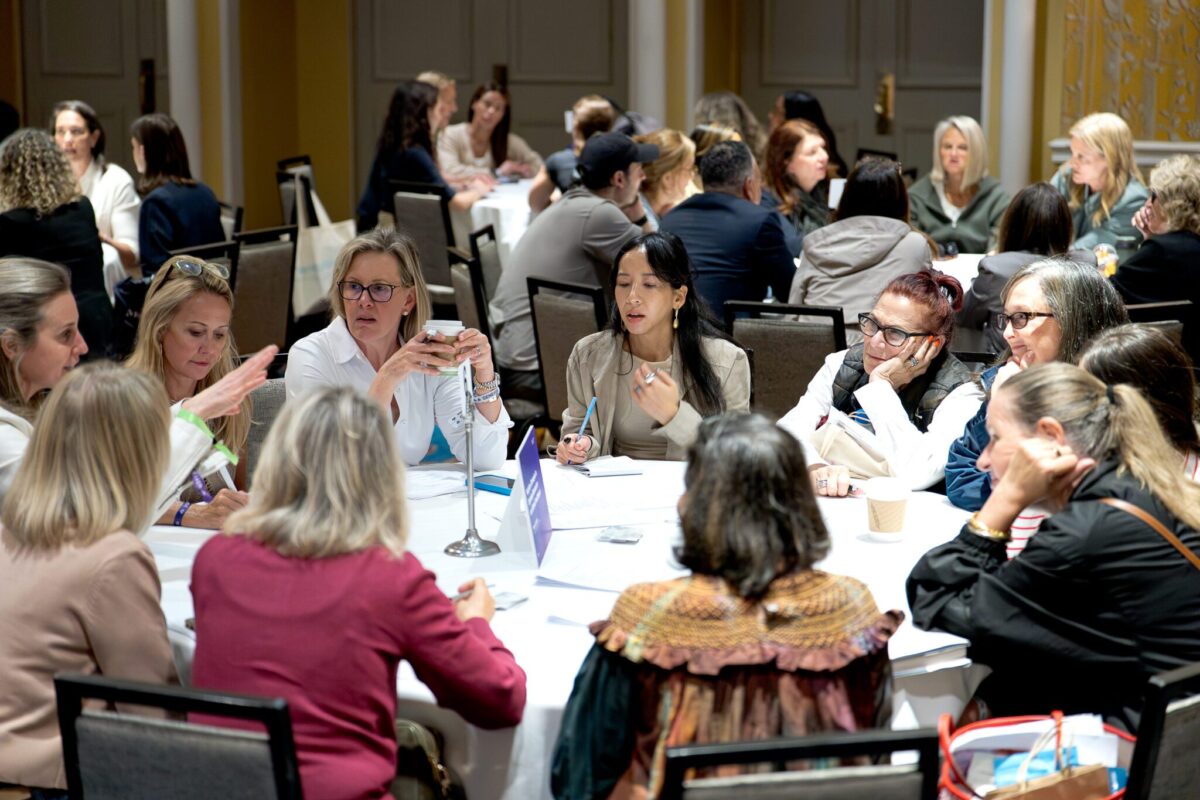
Livelong extended its programming beyond traditional panel discussions through an interactive wellness showcase, expert roundtables and specialized breakout sessions.
Attendees could explore fitness experiences including PVOLVE functional training, Tai Chi and Dance Church, alongside conversations about sleep optimization, gut health, sexual wellness, skin health and personalized diagnostics.
A discussion featuring Dr. Somi Javaid and Dr. Sameena Rahman addressed sexual health across different stages of life, helping bring greater visibility to an area of women’s medicine that has historically received insufficient attention.
Other sessions explored blood-flow-restriction training, cellular health, cardiovascular screening and emerging technologies designed to support healthy aging.
The summit’s approach reflected a broader shift within the luxury wellness industry: Consumers are increasingly seeking personalized, science-informed experiences rather than isolated beauty or fitness treatments.
For established wellness destinations and emerging health technology companies alike, this shift creates opportunities to develop more integrated offerings that combine medical expertise, lifestyle interventions and ongoing health monitoring.
The Future of Longevity Is Female
What made the 2026 Livelong Women’s Health Summit particularly relevant was not simply its roster of high-profile speakers or its ambitious exploration of emerging medical technologies.
It was the recognition that women’s longevity deserves its own scientific, cultural and economic framework.
For too long, conversations about aging have been fragmented across specialties, separating reproductive health from cardiovascular medicine, physical fitness from cognitive wellness, and financial planning from the realities of women’s longer lifespans.
Livelong brought these subjects into a shared conversation.
The summit also reflected an important evolution in the definition of luxury. For a growing number of affluent consumers, the most valuable investments are no longer confined to real estate, art or traditional financial assets. They increasingly include access to quality healthcare, time, mobility, cognitive vitality and the freedom to remain active throughout life.
The promise of longevity science is not that aging can be eliminated. Rather, it is that better research, preventive medicine and informed lifestyle choices may help more women preserve their health and independence for longer.
From Jane Fonda’s reflections on purpose to Bobbi Brown’s entrepreneurial reinvention and the scientific insights of leading physicians, the summit offered a multidimensional vision of what it means to age well.
The most powerful message was also the simplest: The future of women’s health is not merely about living longer. It is about having the knowledge, resources and agency to live better.
And for the next generation of women—and the investors, innovators and healthcare leaders shaping their future—that may be the most valuable return of all.
Reporting note: This feature is based on the organizer’s published New York 2026 agenda, which is also archived on the supplied San Francisco agenda page. Session descriptions are used to identify topics and participants; no unverified remarks are presented as direct quotations.
Official event source: Livelong Women’s Health Summit NYC 2026