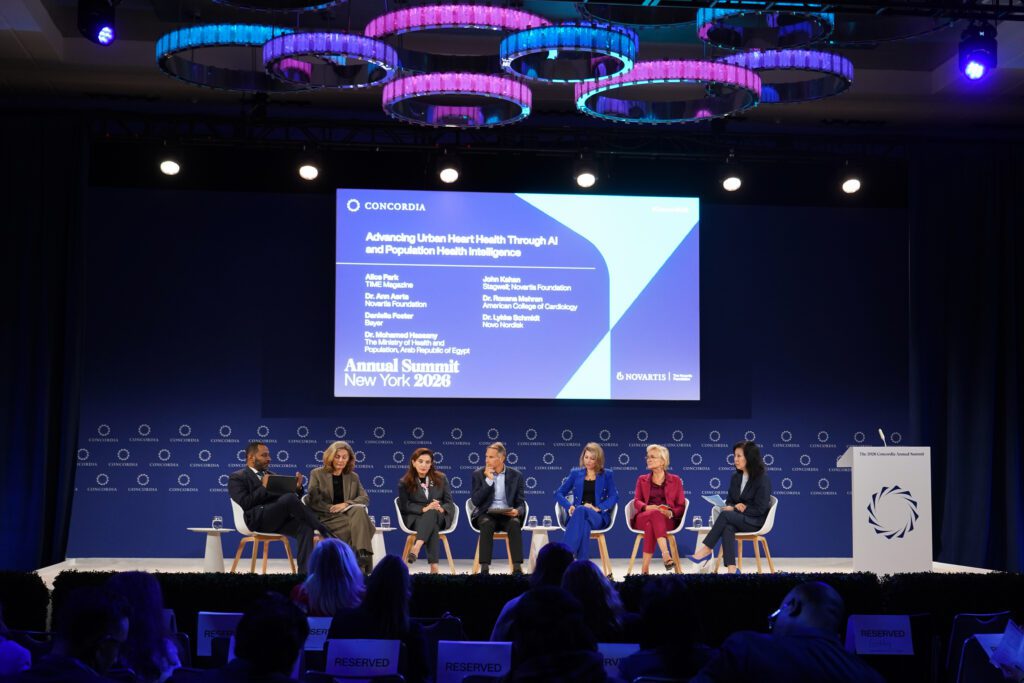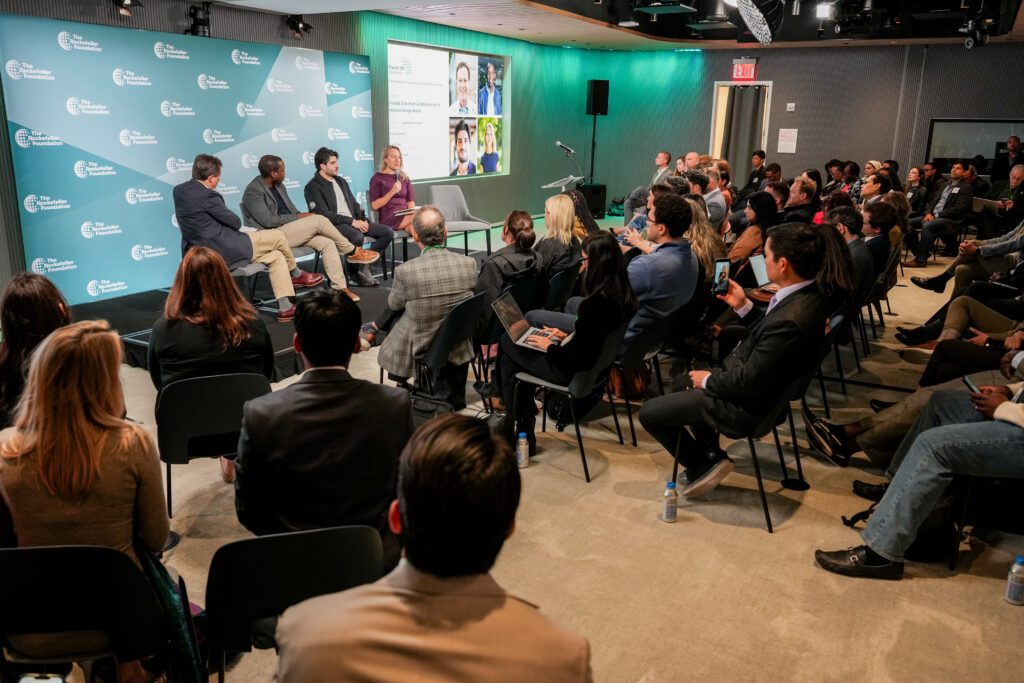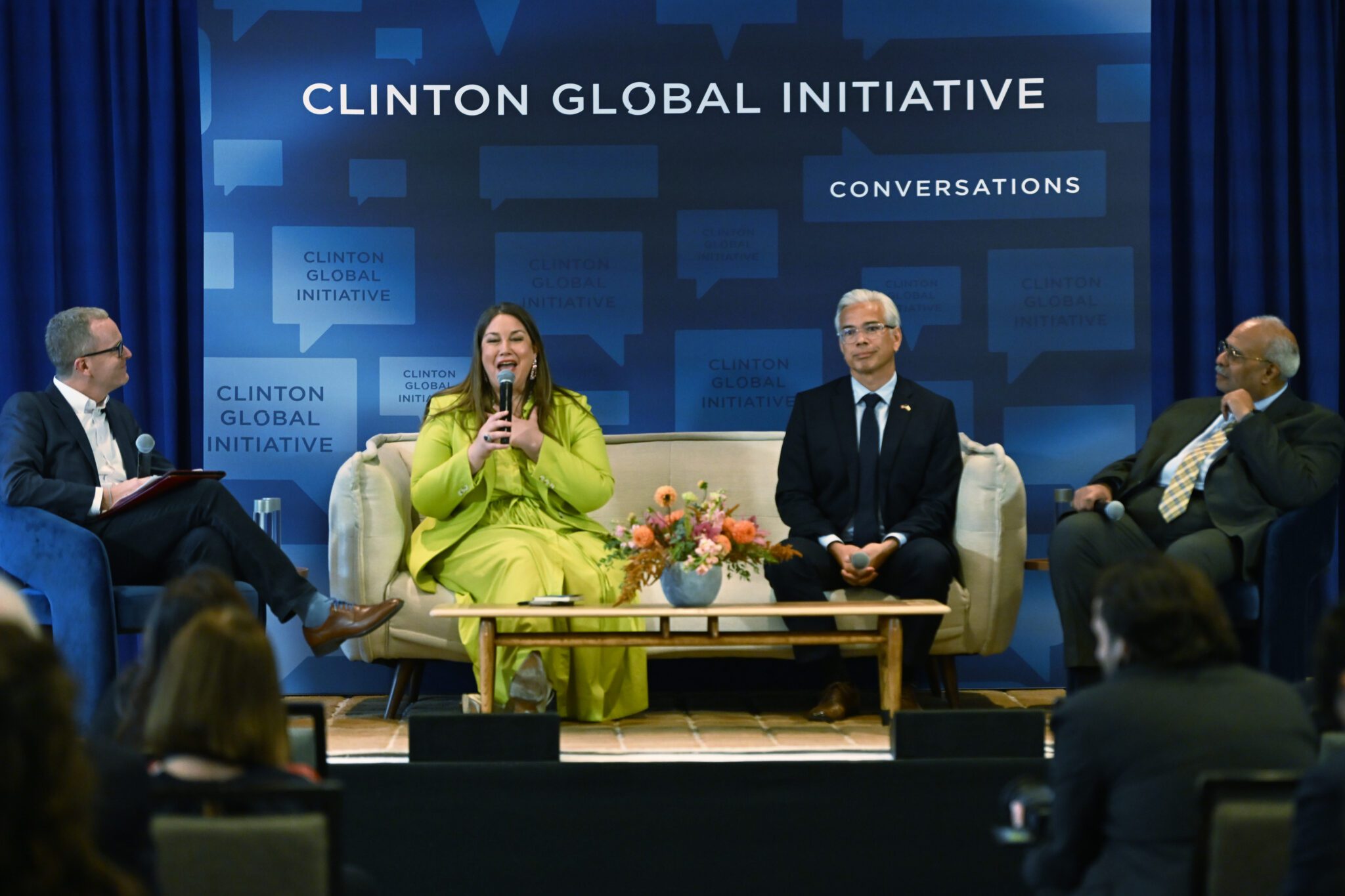
From Bill and Hillary Clinton to visionary entrepreneurs, global philanthropists, and technology pioneers, the 2026 Clinton Global Initiative brought together an extraordinary coalition of changemakers to transform bold ideas into measurable action.
At a time when geopolitical tensions, economic uncertainty, rapid technological disruption, and growing humanitarian challenges are reshaping the global landscape, the question confronting the world’s most influential leaders is no longer simply what needs to change, but how to make that change happen.
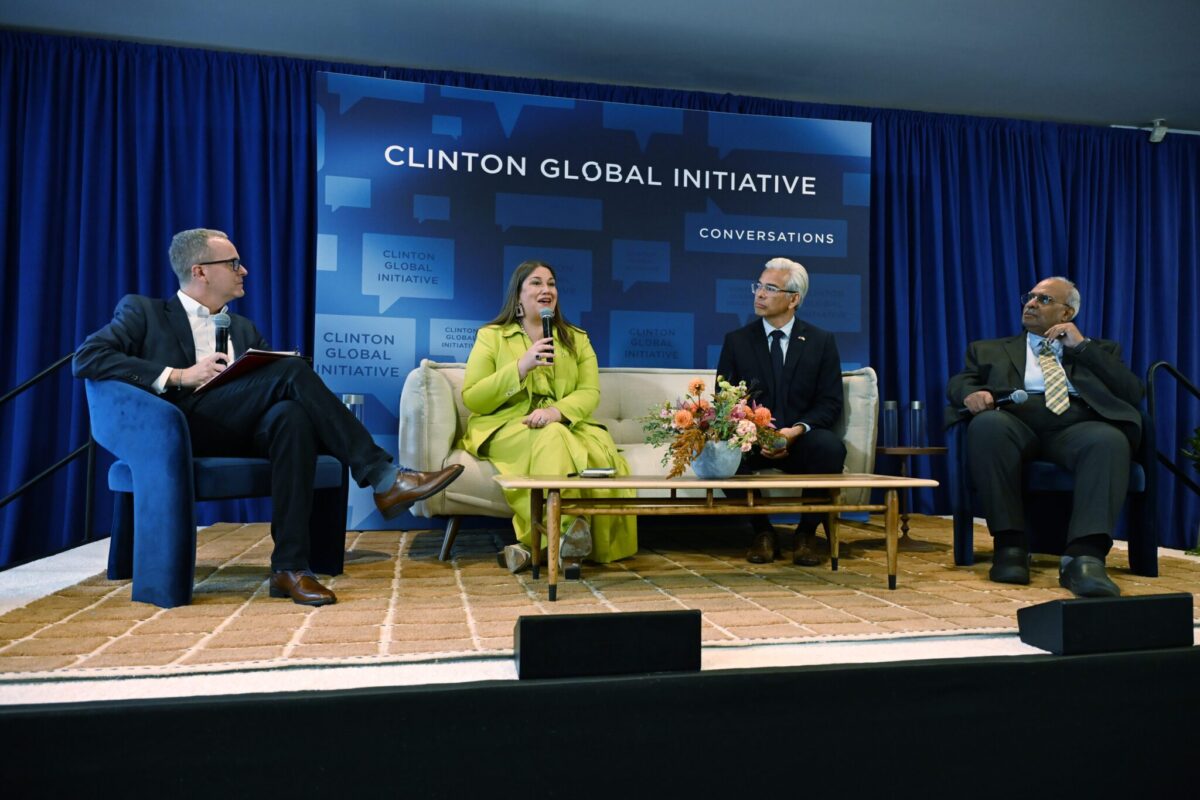
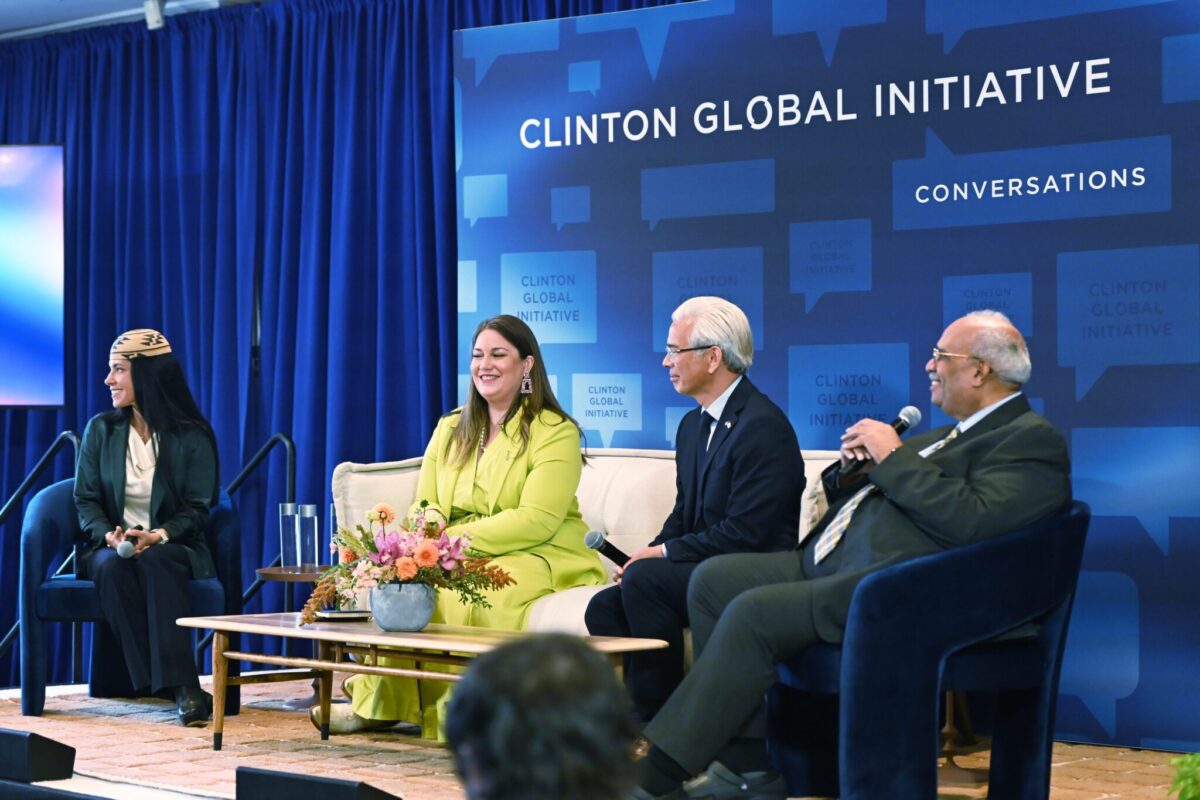
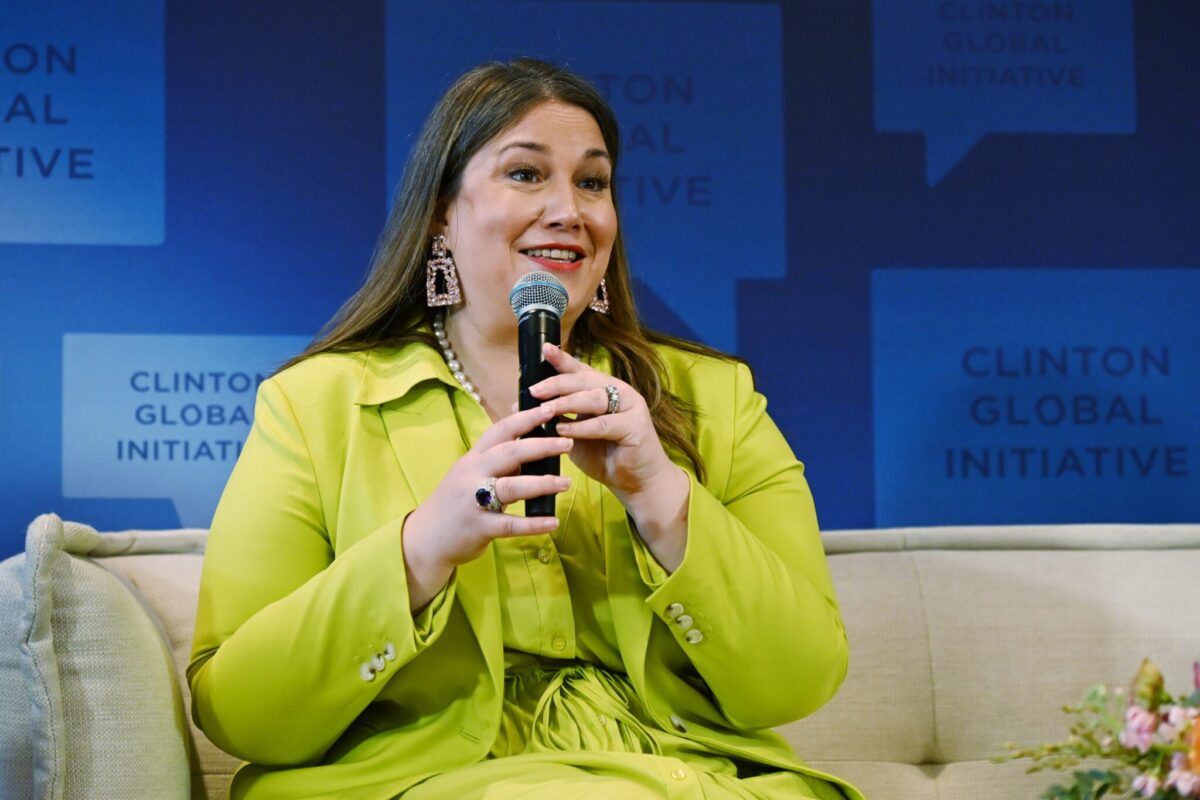
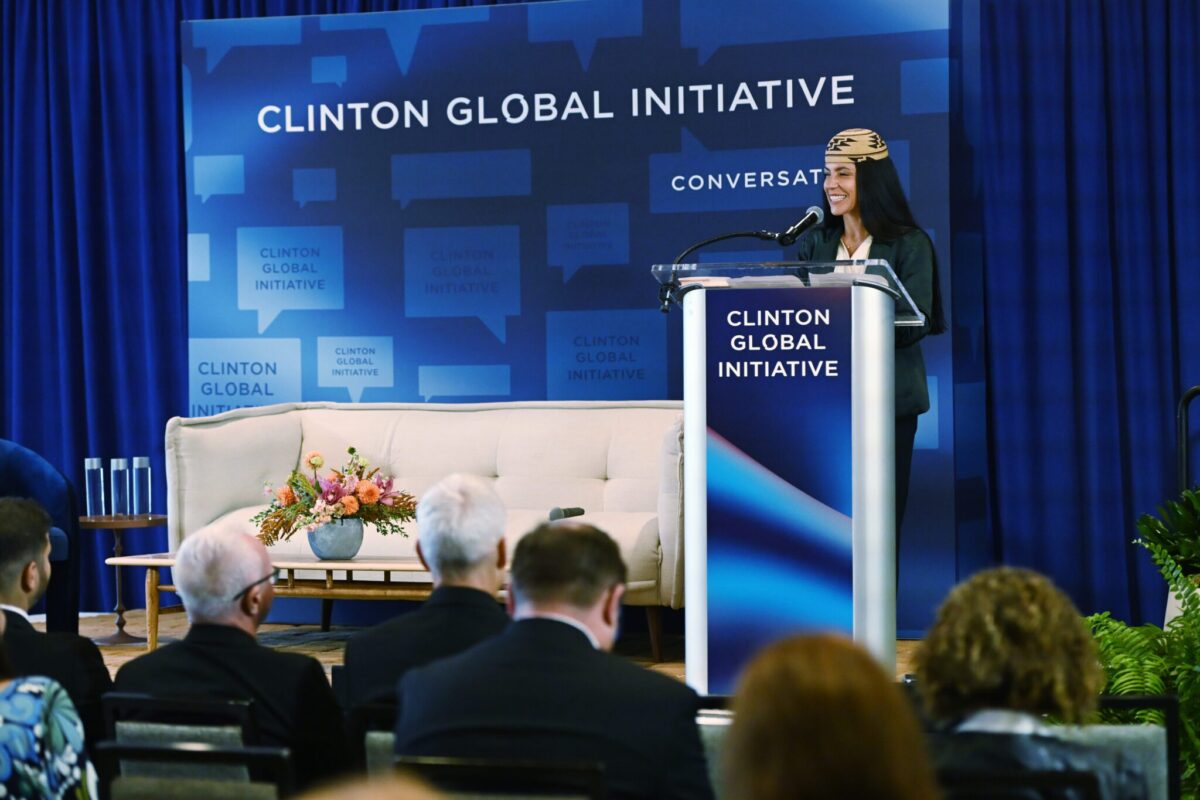
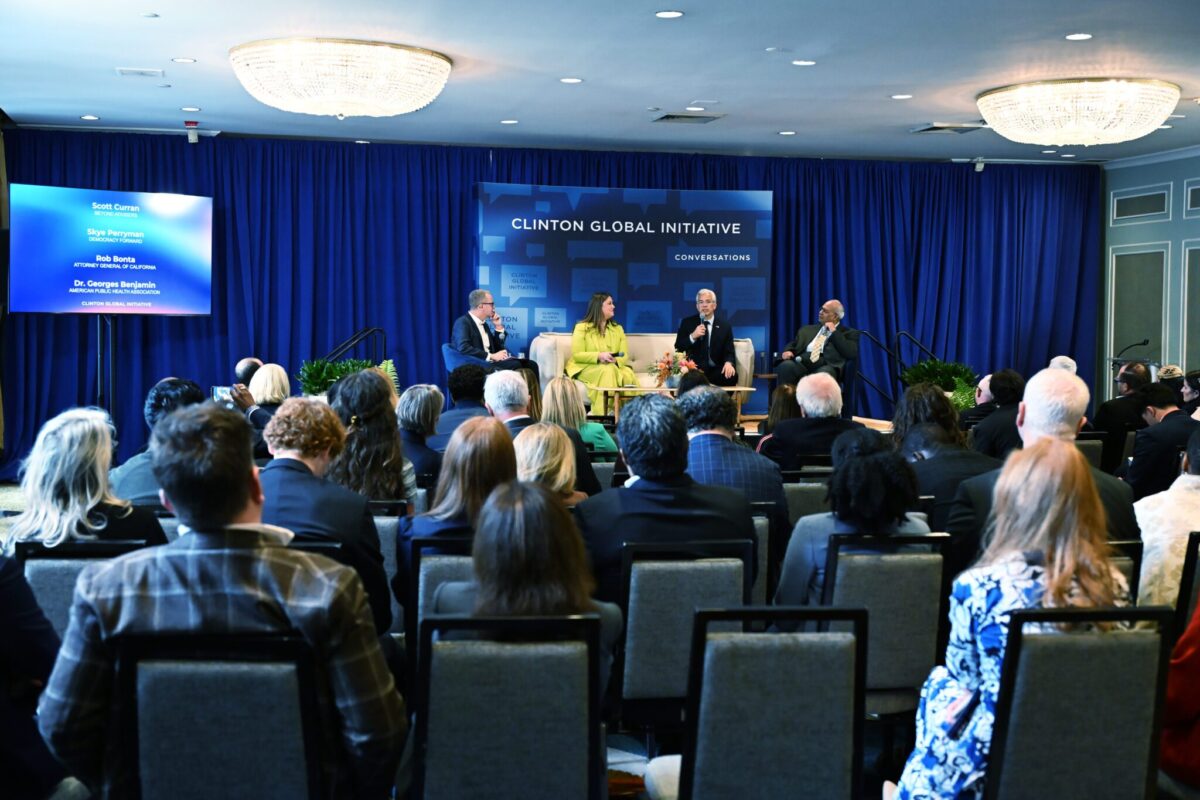
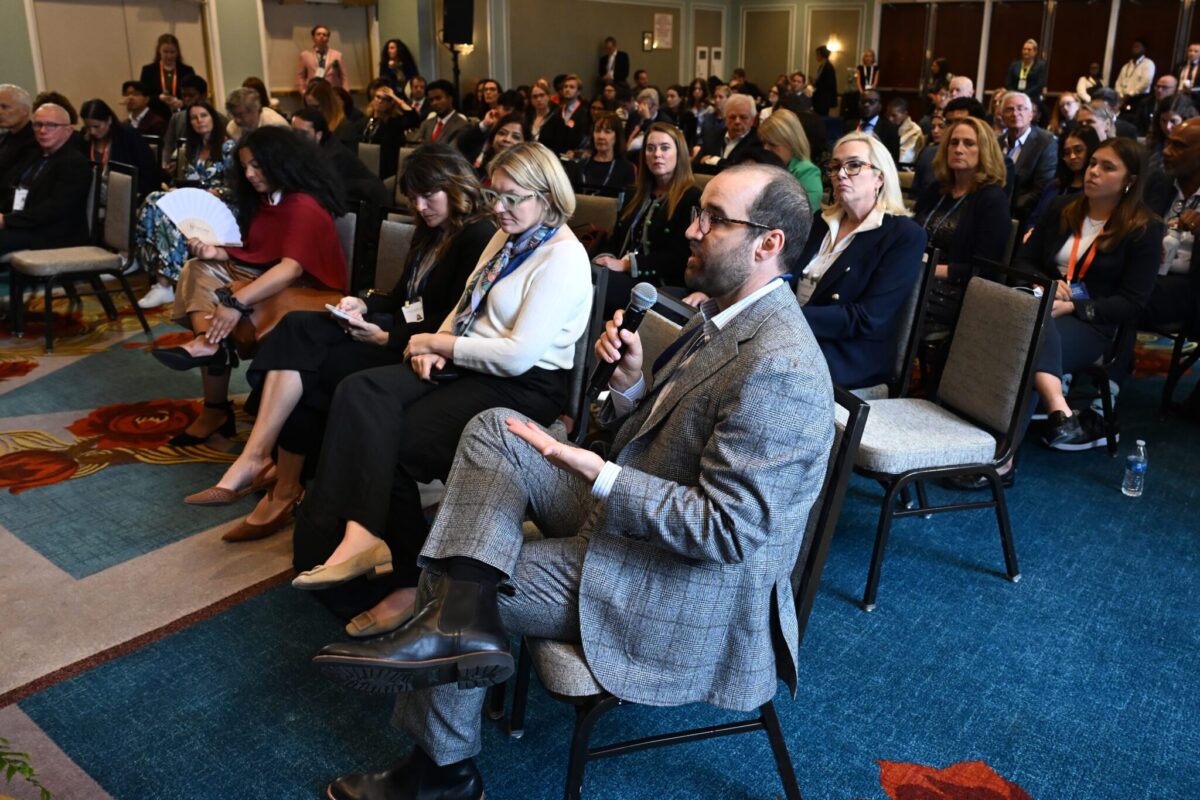
That question became the defining theme of the 2026 Clinton Global Initiative (CGI) Annual Meeting, held September 22–23 at the New York Hilton Midtown during the United Nations General Assembly.
Under the theme “How Do We Get It Right?”, the gathering convened leaders from business, government, philanthropy, technology, and civil society to explore how collaboration, innovation, and strategic investment can produce meaningful, lasting solutions.
Convened by former President Bill Clinton, former Secretary of State Hillary Rodham Clinton, and Chelsea Clinton, the meeting underscored a fundamental shift in modern philanthropy: meaningful impact increasingly requires more than writing checks. It demands entrepreneurial thinking, sophisticated financial structures, cross-sector partnerships, and a willingness to rethink traditional approaches to solving the world’s most pressing problems.
The gathering resulted in 60 new Commitments to Action, representing more than $603 million in projected value when fully funded and implemented, with over $212 million already secured, according to the Clinton Foundation.
Beyond Traditional Philanthropy: The New Architecture of Global Giving
For more than two decades, the Clinton Global Initiative has operated on a distinctive premise: the world’s greatest challenges cannot be solved by governments, corporations, or nonprofit organizations working independently.
Founded in 2005, CGI created a platform where leaders could move beyond dialogue and develop specific, measurable projects known as Commitments to Action.
Unlike traditional conferences, where discussions often conclude without concrete follow-through, CGI encourages participants to identify partners, mobilize resources, and establish actionable plans designed to produce tangible results.
Its broader network has involved more than 10,000 organizations and generated thousands of commitments affecting hundreds of millions of people worldwide.
The 2026 gathering took place against a particularly challenging backdrop. As governments reconsider international aid priorities and philanthropic organizations face increasing demands, private-sector leadership has become more important to the global development equation.
President Clinton urged participants to move beyond zero-sum thinking and confront the consequences of declining international cooperation. His message reflected a central argument running throughout the meeting: progress depends on finding common ground even when political and economic divisions appear insurmountable.
For wealthy families, family offices, and institutional investors, the implications are significant. Philanthropy is evolving from an activity often treated separately from wealth management into a sophisticated component of long-term capital allocation, legacy planning, and global engagement.
The question is increasingly not only how much wealth can be donated, but how effectively financial resources, business expertise, and networks can be deployed to create sustainable change.
Venture Philanthropy Takes Center Stage: A $100 Million Bet on Breast Cancer Innovation
Among the most compelling announcements at CGI 2026 was the launch of BCRF Ventures, a $100 million venture philanthropy initiative from the Breast Cancer Research Foundation.
The fund represents a potentially transformative approach to accelerating scientific breakthroughs by applying principles traditionally associated with venture capital to philanthropic medical research.
With an initial $11 million commitment from philanthropists Karen and Rob Hale, BCRF Ventures aims to support promising scientific advances that might otherwise struggle to attract sufficient capital during early development.
Unlike conventional grantmaking, the model is designed to recycle financial returns from successful investments into additional research, creating the possibility of a self-reinforcing cycle of innovation.
BCRF President and CEO Donna McKay emphasized the urgency of bringing discoveries to patients faster, particularly as advances in biotechnology and precision medicine open new avenues for treatment.
For family offices and wealthy individuals seeking to align financial sophistication with philanthropic ambition, the initiative illustrates how venture philanthropy can potentially bridge the gap between scientific discovery and commercial investment.
It also reflects an important development in medical philanthropy: donors are increasingly looking beyond funding individual research projects toward building ecosystems that can accelerate discovery, attract additional capital, and sustain innovation over time.
Rethinking the Economics of Giving
Another major theme was the need to reconsider how foundations deploy their assets.
Dr. Carmen Rojas, president and CEO of the Marguerite Casey Foundation, challenged the philanthropic community to respond more aggressively to immediate social needs rather than allowing traditional endowment preservation strategies to dictate the pace of giving.
The foundation has announced plans to distribute at least $500 million over the next decade, an approach reflecting the belief that extraordinary circumstances may warrant extraordinary deployment of capital.
Rojas argued that the risk of withholding resources during periods of urgent need can outweigh the financial risks associated with more aggressive spending.
Meanwhile, Ford Foundation President Heather Gerken encouraged participants to think beyond short-term challenges and envision the institutions and communities they ultimately hope to build.
Together, these perspectives raised an important question for philanthropic investors: should foundations primarily seek to preserve their purchasing power indefinitely, or should they be willing to deploy greater resources when the potential social return is particularly high?
Artificial Intelligence: A Defining Opportunity and Responsibility
Artificial intelligence emerged as one of the most consequential issues shaping the future of global development.
As AI transforms healthcare, education, business, and scientific discovery, CGI participants confronted a fundamental tension: the same technologies capable of expanding opportunity can also deepen inequality and introduce new social risks.
The conference’s emphasis on responsible innovation reflected the growing recognition that technological progress cannot be measured solely through productivity gains or commercial valuations.
For investors and philanthropists, the challenge is to ensure that emerging technologies become tools for broad-based prosperity rather than instruments that concentrate economic and informational power.
Among the prominent participants was Noubar Afeyan, founder and CEO of Flagship Pioneering and co-founder and chairman of Moderna. His participation highlighted the importance of entrepreneurial science and biotechnology in discussions about the future of human health.
The presence of technology innovators alongside public health leaders also illustrated the growing convergence between artificial intelligence, scientific research, and global development.
Prince Harry Calls for Greater Accountability in the Digital World
One of the meeting’s most prominent voices was Prince Harry, who addressed the growing dangers facing children in an increasingly digital world.
Speaking from his perspective as a father, the Duke of Sussex highlighted the risks associated with social media and emerging artificial intelligence technologies, calling for stronger accountability and transparency from technology companies.
His remarks drew attention to the work of The Parents’ Network, an initiative he and Meghan, Duchess of Sussex, established to support families affected by online harms.
The discussion underscored the increasingly important intersection of technology, mental health, child protection, and corporate responsibility.
Healthcare as a Global Investment Priority
Healthcare access and medical innovation remained central pillars of the 2026 meeting, with several major commitments demonstrating how targeted partnerships can address persistent disparities.
MISTR announced a commitment to provide one million free HIV tests and one million free hepatitis C tests by the end of 2027.
Direct Relief launched a $40 million campaign intended to support 2.5 million safe births.
These initiatives illustrate two complementary approaches to improving global health: expanding access to preventative services and strengthening the delivery of essential care.
The economic implications are substantial. Earlier detection, preventative medicine, and improved maternal healthcare can help reduce avoidable complications and lessen the long-term financial burden on health systems.
However, the ultimate impact of these commitments will depend on implementation, sustained financing, and measurable health outcomes.
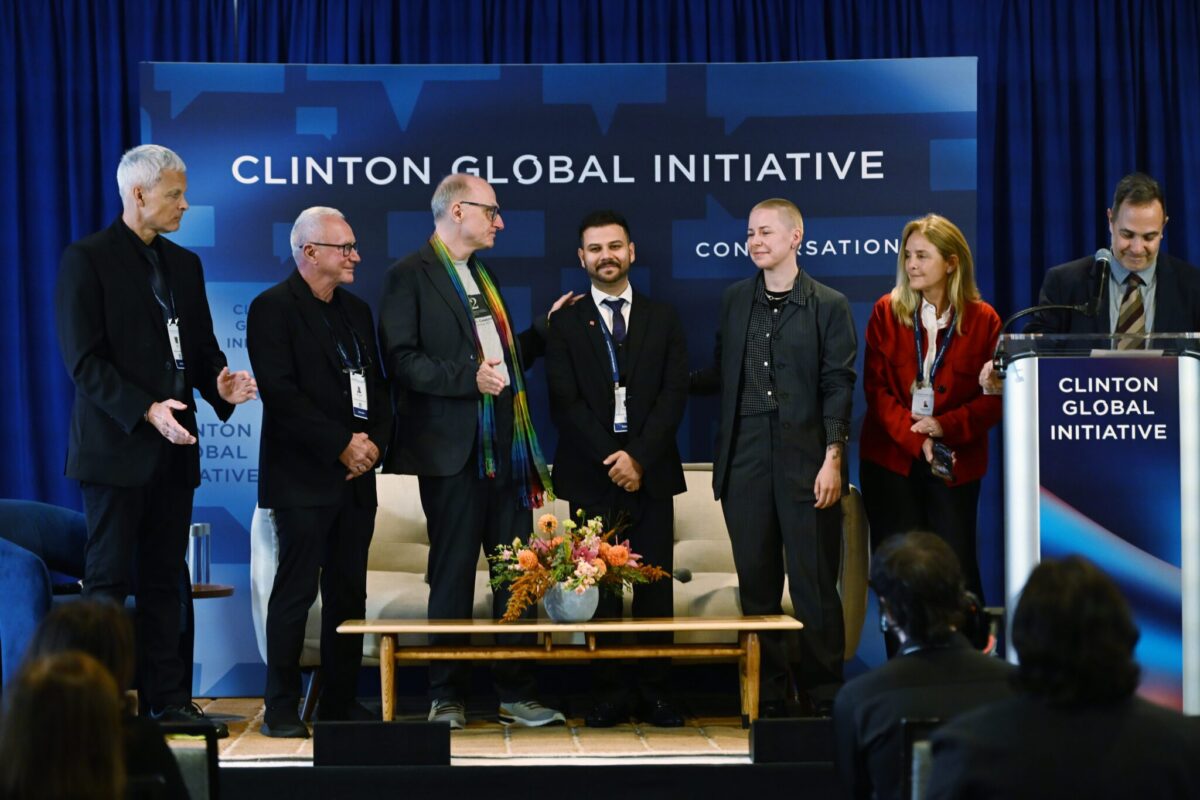
Mobilizing $100 Million for Global Impact
Another significant announcement came from Global Impact Ventures, which committed to mobilizing and deploying $100 million in new philanthropic funding over three years.
The organization, whose network includes Global Impact and Geneva Global, intends to support initiatives addressing economic opportunity, healthcare, education, climate resilience, and humanitarian needs.
Its strategy focuses partly on a persistent problem in philanthropy: the administrative and operational barriers that prevent funding from reaching organizations capable of delivering meaningful results.
By providing grantmaking administration, fiscal sponsorship, and other implementation services, Global Impact Ventures seeks to improve the efficiency of philanthropic capital deployment.
For family offices managing multiple charitable initiatives across different countries, such infrastructure can be particularly relevant.
While donors may possess the financial resources to support ambitious projects, navigating local regulations, identifying effective partners, and monitoring implementation can be complex.
Organizations that simplify these processes may help transform philanthropic intentions into more consistent and scalable outcomes.
Democracy, Leadership, and the Role of Civil Society
The health of democratic institutions also featured prominently in discussions.
Political leader and voting rights advocate Stacey Abrams introduced two initiatives designed to strengthen the financial sustainability of organizations working on democratic participation.
The Democracy Index Fund is intended to pool philanthropic resources for nonprofit organizations, while the Democracy Hedge Fund is designed to generate revenue alongside support for democracy-focused initiatives.
The announcements illustrated how financial innovation is extending beyond conventional areas of social investment into civic infrastructure.
Former Secretary of State Hillary Clinton also participated in discussions about the importance of press freedom and accountability, issues increasingly intertwined with technological change and the proliferation of digital information.
Nobel Peace Prize laureate Maria Ressa was among the voices drawing attention to the threats confronting independent journalism and the implications of artificial intelligence for democratic societies.
Although these subjects are politically contested, their relevance to investors and philanthropists extends to broader questions of institutional stability, transparency, and the social conditions that support sustainable economic development.
Humanitarian Innovation: Building Resilience Beyond Emergency Relief
As conflicts and climate-related crises displace communities around the world, humanitarian organizations face the challenge of responding to growing needs with increasingly constrained resources.
At CGI 2026, the session “Rewriting the Humanitarian Playbook” examined how organizations might rethink traditional aid models.
Moderated by David Miliband, president and CEO of the International Rescue Committee, the discussion included Ahmed Shehata, CEO of IDEA, and explored new approaches to humanitarian financing and delivery.
The conversation reflected a broader shift toward resilience-based strategies that seek to help vulnerable communities develop longer-term economic and social stability.
IDEA also participated in a high-level roundtable with CGI and the Islamic Development Bank focused on the global forced displacement crisis.
For private philanthropists, this approach suggests opportunities to support not only emergency assistance but also education, employment, healthcare infrastructure, and locally driven economic development.
Such investments may help communities become less dependent on recurring humanitarian intervention, although their effectiveness depends heavily on local conditions and sustained partnerships.
Ukraine: From a Commitment to a Lifeline
One of the most tangible examples of CGI’s model came from Olga Rudnieva, CEO and co-founder of Ukraine’s Superhumans Center.
Four years after bringing a commitment to establish a war trauma center in Ukraine to CGI, Rudnieva returned in 2026 to report on the initiative’s progress.
According to a subsequent Clinton Foundation update, the effort had expanded to three centers located in Lviv, Dnipro, and Odesa, supported by a team of approximately 650 people.
The development offered a concrete illustration of how a commitment announced at an international gathering can evolve into operating institutions delivering services in communities facing extraordinary challenges.
It also highlighted the importance of following philanthropic projects beyond their initial announcements.
While financial pledges and ambitious targets can generate attention, the more meaningful measure of success is whether organizations build the capacity to deliver lasting benefits.
Unlocking New Capital for Change
A particularly relevant session for the Impact Wealth audience, “Unlocking New Capital for Change,” examined how investors, philanthropists, and public institutions can improve access to financing for initiatives that traditional capital markets have overlooked.
Participants included European Parliament President Roberta Metsola, Grand Challenges Canada CEO Karlee Silver, Equality Fund CEO Jess Tomlin, and other leaders working across development finance and social investment.
The discussion addressed catalytic capital, gender-lens investing, and public-private partnerships, highlighting how different forms of financing can be combined to support solutions that might otherwise remain underfunded.
Catalytic capital, for example, can accept greater risk or lower financial returns in order to attract additional investment toward projects with meaningful social benefits.
For family offices, this creates an opportunity to consider how philanthropic funds, concessionary investments, and market-rate capital can complement one another within a broader impact strategy.
Rather than treating charitable giving and investment as entirely separate activities, some wealthy families are exploring approaches that deploy different pools of capital according to their objectives and risk tolerance.
The CGI discussions reinforced the importance of financial structures that match the needs of the communities and organizations they are intended to serve.
The Growing Influence of Family Offices and Next-Generation Philanthropists
Perhaps the most important takeaway from CGI 2026 for the private wealth community is the expanding role of family capital in shaping global outcomes.
Historically, philanthropy was often regarded as the final stage of wealth creation: a means of redistributing accumulated resources through charitable institutions.
Today, that model is becoming more complex.
Wealthy families increasingly have access to investment expertise, entrepreneurial networks, scientific advisors, and international partnerships that can be applied to philanthropic objectives.
This evolution is particularly relevant to the next generation of wealth holders, many of whom are interested in connecting their financial resources to issues such as healthcare innovation, climate resilience, education, and economic inclusion.
CGI’s model offers a framework for such engagement by emphasizing measurable commitments and collaboration across sectors.
However, the meeting also raised important questions about accountability.
Private philanthropy cannot fully replace government investment, and wealthy donors inevitably bring their own priorities to the causes they support. Effective partnerships therefore require transparency, community participation, and credible evaluation of results.
The most promising opportunities may emerge when philanthropic capital complements public institutions and local organizations rather than attempting to substitute for them.
From Promises to Progress: Measuring the Real Impact of CGI 2026
The true legacy of the 2026 Clinton Global Initiative will not be determined by the prominence of its speakers or the size of its announced commitments.
It will be measured by what happens next.
Will new healthcare initiatives reach their intended populations? Will venture philanthropy accelerate medical breakthroughs? Can innovative financing mechanisms attract additional resources to underserved communities? And will humanitarian partnerships produce durable improvements in the lives of people affected by conflict and displacement?
These questions are central to the credibility of modern philanthropy.
The 60 new commitments announced at CGI 2026 represent a significant pipeline of proposed action, but they are not equivalent to completed projects or independently verified results.
That distinction matters, particularly for sophisticated donors and investors accustomed to evaluating performance against clearly defined benchmarks.
CGI’s enduring contribution may be its insistence that public commitments create a framework for accountability, encouraging leaders to move beyond aspiration and demonstrate progress over time.
The Optimism Strategy: Why Leadership Still Matters
The meeting’s closing theme, “The Optimism Strategy,” offered a fitting conclusion to two days of discussions about the world’s most formidable challenges.
Optimism, in this context, was not presented simply as a positive outlook. It was a call to make deliberate choices, build partnerships, and invest in solutions despite uncertainty.
For President Clinton and the broader CGI community, the underlying philosophy remains that cooperation can generate outcomes beyond the capabilities of any single institution.
For business leaders, investors, and philanthropic families, the lesson is equally relevant.
Wealth carries the potential to influence the future not merely through financial markets, but through scientific advancement, institutional development, and the expansion of opportunity.
The most consequential legacy of wealth may ultimately be found in the institutions it strengthens, the discoveries it helps accelerate, and the opportunities it creates for generations yet to come.
As the 2026 Clinton Global Initiative demonstrated, the question is no longer simply whether the resources exist to address the world’s greatest challenges.
It is whether leaders possess the imagination, discipline, and collective determination to deploy them effectively.
And in an era defined by unprecedented complexity, that may be the most important investment of all.