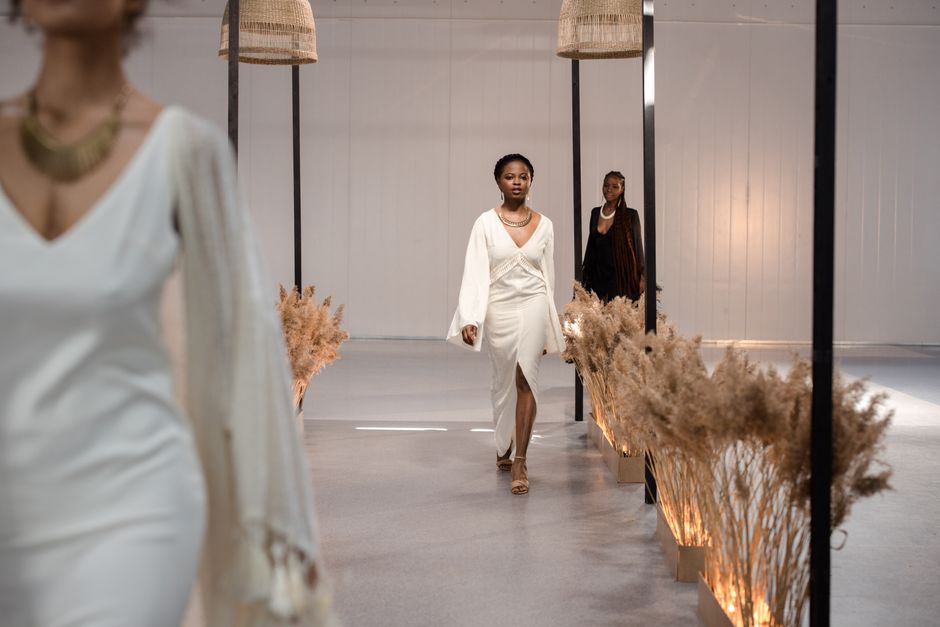
African Luxury Fashion Is Rewriting the Rules of High Style
African luxury fashion is one of the most compelling — and undervalued — forces in the global luxury market right now. The continent’s designers are not borrowing from Western playbooks. They are writing their own.
Here is a quick snapshot of what you need to know:
| What It Is | Why It Matters |
|---|---|
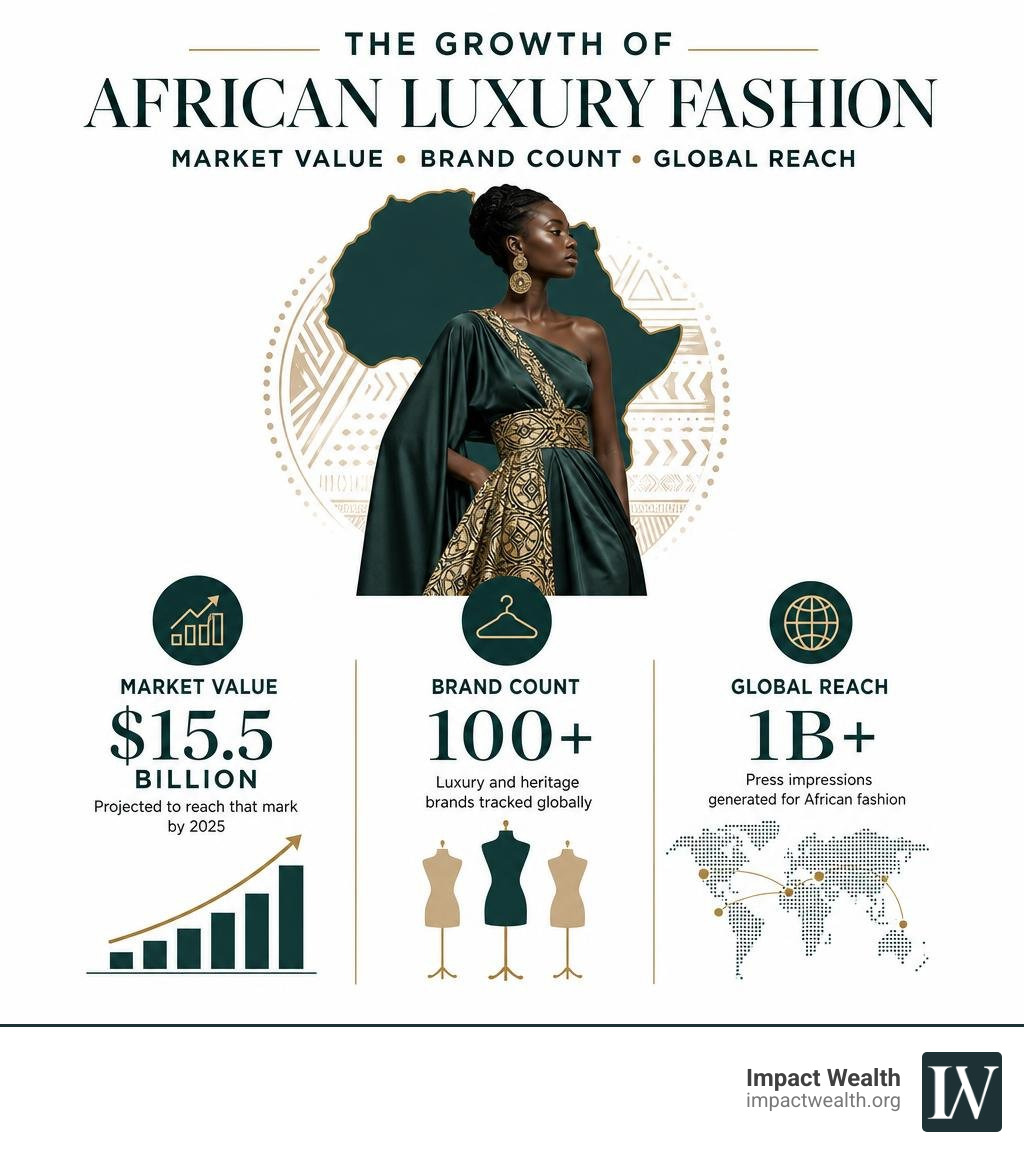
| Handcrafted, heritage-driven high fashion made in Africa | A $15.5 billion industry projected to reach that mark by 2025 |
| Rooted in cultural storytelling, not trend cycles | Over 100 luxury and heritage brands tracked globally |
| Ethically produced with artisan equity at its core | 1 billion+ press impressions generated for African fashion |
| Global diaspora spanning the UK, US, Canada, Australia | Worn by icons including Beyoncé |
Think of it this way: European luxury houses like Hermès and Louis Vuitton built empires on heritage, craft, and provenance. African luxury designers are doing exactly the same thing — but with a living, evolving cultural depth that cannot be replicated.
The philosopher’s term for it is Luxe Ubuntu — a luxury model where community empowerment and cultural preservation are as important as the price tag or the finish on a seam.
This is not niche. This is the next frontier of global high style, and the world’s most discerning collectors are paying attention.
Basic african luxury fashion glossary:
The Rise of African Luxury Fashion: Redefining Global High Style
For generations, the Western fashion establishment viewed Africa primarily as a source of raw inspiration—a mood board of vibrant wax prints and safari aesthetics to be borrowed, sterilized, and sold back to the global elite. But in July 2026, the paradigm has completely shifted. Today, African luxury is defined by self-determination, raw creative agency, and unparalleled craftsmanship.
Unlike traditional Western luxury, which often prioritizes sterile perfection and mass-produced exclusivity, African luxury is deeply relational. It is an industry built on the weight of history, where a single garment can act as a physical vessel for memories, passing down generations of cultural storytelling. As we look at how the global elite curates their wardrobes, we see a distinct movement away from over-commercialized logos toward pieces that possess a soul.
This quiet revolution has not gone unnoticed. We have watched with pride as international runways have embraced this creative wave, showcasing how How luxury African fashion has wowed Europe’s catwalks with its structural brilliance and narrative depth. At the same time, this movement aligns perfectly with the global shift toward mindful consumption, demonstrating How Sustainability And Smart Choices Are Transforming High End Fashion by proving that true opulence does not have to come at the cost of our planet or its people.
Luxe Ubuntu: The Soul of African Luxury Fashion
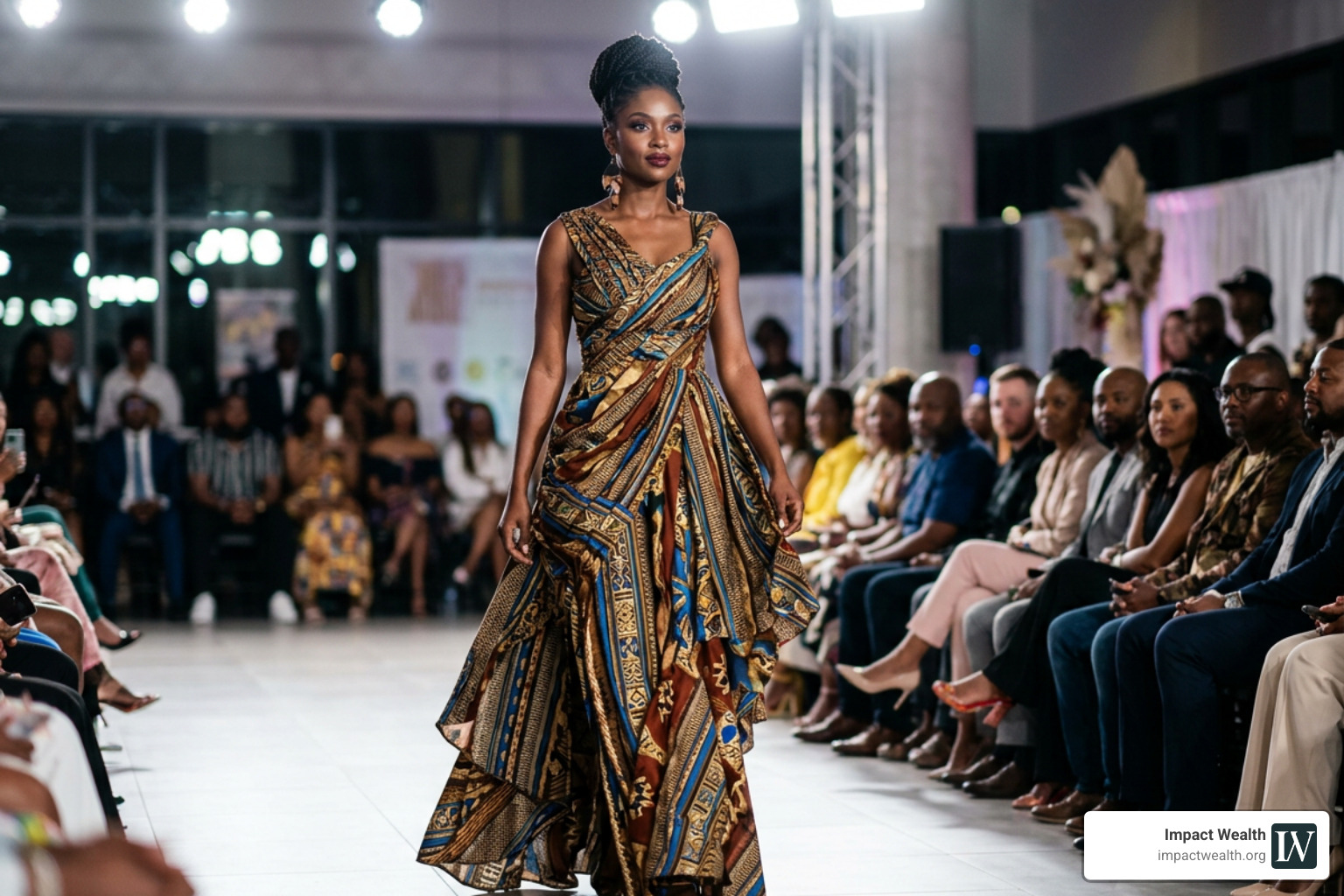
At the core of this movement lies the concept of Luxe Ubuntu—a philosophy that redefines luxury through the lens of community, humanity, and mutual empowerment. In the traditional luxury sector, the hands that construct a gown are almost always invisible. Luxe Ubuntu completely flips this dynamic on its head. Here, the artisan is not just a laborer; they are the co-author of the garment.
By focusing on ethical production, living wages, and artisan equity, African luxury brands are transforming high fashion into a powerful tool for social change. When you invest in these pieces, you are directly supporting long-standing lineages of craft. This emphasis on human connection has sparked a global renaissance for Handmade Clothing Brands Online, where discerning buyers can acquire masterfully stitched apparel that carries the energetic signature of the maker.
Traditional Textiles Meet Modern Silhouettes
The magic of modern African luxury lies in the tension between ancient textile techniques and cutting-edge contemporary design. Designers are breathing new life into heritage fabrics, translating them into silhouettes that feel completely at home in the fashion capitals of the world, from London to Los Angeles.
Among these legendary textiles, several stand out:
- Asò-òkè: A prestigious handwoven fabric from the Yoruba people of Nigeria, historically reserved for coronations and weddings, now structured into avant-garde trench coats and tailoring.
- Indigo Dyed Adirẹ: A resist-dyed cloth utilizing traditional Yoruba techniques, resulting in deep, mesmerizing shades of blue that rival any modern denim or silk print.
- Kente: The iconic handwoven silk and cotton fabric of Ghana, characterized by geometric patterns that carry specific philosophical meanings.
- Master-Woven Organza: Often layered with slow-dyed ombré gradients that shift color depending on how the light hits the fabric.
By integrating these heritage materials with modern luxury staples like raw silk, heavy velvet, and premium wool, designers are championing the use of Eco Friendly Fabrics Used In Fashion, proving that ancestral techniques are inherently sustainable and highly sophisticated.
Elite Designers Shaping the Continent’s Sartorial Narrative
To understand the sheer breadth of this creative movement, one must look at the individual houses that are currently capturing the imagination of global collectors.
Below is a curated look at the top luxury houses redefining the modern wardrobe:
| Brand | Primary Focus | Key Aesthetic | Unique Value Proposition |
|---|---|---|---|
| KAHINDO | Ethical Occasion Wear | Bold colorways, master-woven organza | Handcrafted in Kenya, signed provenance cards |
| OZÉL | Streetwear & Couture | Defiant, structured, traditional textiles | Merges Lagos street energy with bespoke tailoring |
| House of Julyet Peters | Architectural Tailoring | Power volume, flawless crepe drapes | Seasonless, bespoke private client services |
| Élisabeth Akaïa Kaï | Ethical Textile Art | Gabonese heritage, custom wax prints | Inclusive sizing (XXS-7XL), wearable memory |
| Adele Dejak | Art Jewelry | Bold, sculptural, recycled metals | Handcrafted in East Africa, worn by global icons |
| LAAK RICHARD | Prestige Apparel & Footwear | Classic heritage, precision drapes | Limited-edition runs, exceptional footwear |
To visualize how these houses bring bespoke creations to life, we can look at the modern journey of an African couture piece:

KAHINDO: Ethical Occasion Wear and Master-Woven Organza
Founded by designer Kahindo Mateene, KAHINDO | Modern Wedding Guest & Occasion Wear for Women is a masterclass in how to combine New York design sensibilities with traditional African heritage. Designed in New York and meticulously handcrafted in Kenya by a women-led artisan co-operative in Nairobi, each piece is a literal act of authorship.
KAHINDO is highly celebrated for its Blue Ombré Collection, which utilizes a double-layer threaded organza. This fabric undergoes a slow-bath dyeing process that can take up to two days per length of fabric to achieve its flawless gradient. A single gown from the collection requires a minimum of 18 hours of expert artisan labor. When you receive a piece, it comes with a signed provenance card certifying the artisan who made it. For those looking to stand out at high-profile galas or summer weddings, these designs offer a stunning alternative to traditional Bespoke Gowns.
OZÉL: Lagos Streetwear Meets High-End Couture
Operating under the banner of “Draped In Defiance,” OZÉL — Contemporary African Luxury is a brand that perfectly encapsulates the electric, raw energy of Lagos. OZÉL does not design clothes that simply fit a body; they design garments that hold a story, allowing the wearer to step into that narrative.
By merging contemporary streetwear silhouettes with high-end couture craftsmanship, the brand has created a cult following among the global creative elite. Their signature pieces, such as the Asoke Trench, the Eko Cargo Set, and the indigo-dyed Adire Slip Gown, showcase how traditional Nigerian textiles can be seamlessly integrated into a modern, cosmopolitan wardrobe. OZÉL also offers a highly personalized made-to-order service, allowing international clients to submit their measurements online and consult virtually with their Lagos-based atelier.
House of Julyet Peters: Architectural Tailoring and Wearable Art
For the modern woman who commands the boardroom and the gala with equal poise, House of Julyet Peters | Luxury Fashion House | House of Julyet Peters offers the ultimate power wardrobe. The house is built on a foundation of impeccable craftsmanship, seasonless elegance, and architectural volume.
Their oversized power suits and structural crepe-draped dresses are designed to transition effortlessly from daytime business meetings to evening galas. Every piece is treated as a work of art, relying on a deep understanding of fabric behavior and precise tailoring techniques. Through their exclusive, appointment-only private client services, the atelier curates custom-tailored garments from the initial sketch to the final fitting, offering an elite level of personalization.
Élisabeth Akaïa Kaï: Gabonese Heritage and Bespoke Textile Art
Based on the philosophy that clothing should be a witness to time and an expression of self, Élisabeth Akaïa Kaï | Afro Luxury Ethical & Artisanal Fashion House creates wearable works of art designed to be passed down through generations. Under the creative direction of Leslie Duranton Métogo, the house draws deep inspiration from Gabonese heritage and ancestral textile art.
The brand is highly sought after for its custom wax print fabric designs and bespoke corporate uniforms, which allow organizations and families to weave their personal stories directly into the cloth. Committed to sustainable production and extreme inclusivity, the house offers limited-edition collections in sizes ranging from XXS to 7XL, ensuring that every individual can experience the magic of custom-designed, 100% cotton African luxury.
Adele Dejak: Bold, Handcrafted Statement Jewelry
No luxury ensemble is complete without the perfect adornment, and Luxury African Jewelry | Bold, Handmade Pieces by Adele Dejak provides exactly that. Based in East Africa, Adele Dejak designs bold, sculptural jewelry inspired by the rich tribal ornaments of the continent.
Using recycled materials, including reclaimed brass, horn, and wood, the brand transforms discarded elements into high-fashion masterpieces. These statement collar necklaces, cuffs, and earrings have caught the attention of global stylists and icons, including Beyoncé. For collectors who view their accessories as physical investments, these handmade, timeless creations serve as an exceptional example of Jewelry As Investment, offering artistic integrity that only appreciates over time.
LAAK RICHARD: Global Prestige and Signature Footwear
Established in October 2020 by Mina Gbemisola Laak and Richard Laak, LAAKRICHARD | African Luxury Fashion for Men, Women & Kids has rapidly grown from a small creative atelier into a prominent international luxury house. The brand’s design philosophy is anchored by three core pillars: Heritage, Precision, and Rarity.
LAAK RICHARD specializes in high-end apparel and exceptional footwear, including meticulously stitched leather loafers, clogs, and sophisticated slides. By producing limited-edition runs, the house ensures that each client maintains a sense of exclusivity. Their collections tell proud African stories with a level of precision and global prestige that makes a powerful statement on any stage.
Overcoming Supply Chain and Scaling Hurdles
Despite the incredible creative success of these designers, building a global luxury brand from the African continent comes with unique operational challenges. The infrastructure that Western designers take for granted—reliable supply chains, easy access to specialized raw materials, and streamlined cross-border shipping—must often be built from scratch by African fashion houses.
Scaling production while preserving the integrity of handmade, artisanal techniques is a delicate balancing act. If a brand transitions to mass factory production, it risks losing the very soul—the Luxe Ubuntu—that makes it luxurious in the first place. This is why we are seeing a rise in specialized retail advisory studios and platforms dedicated to helping local ateliers navigate international logistics. Designers are finding innovative ways to make their mark, showing How African designers are making their mark on global fashion by establishing localized production hubs that protect artisan equity while meeting global demand.
Navigating the Global Market: How African Luxury Fashion Reaches the West
For ultra-high-net-worth individuals in luxury hubs like Bal Harbour, Palm Beach, Beverly Hills, and London, sourcing these exquisite pieces has historically required direct travel or custom commissions. However, the retail landscape has evolved dramatically.
Platforms like Industrie Africa have spent years building the digital and physical infrastructure needed to connect global buyers with the continent’s top design talent. By curating a designer index of over 100 verified brands and generating over 1 billion press impressions, they have brought commercial viability to raw cultural intelligence. Today, collectors can seamlessly acquire these garments through high-end e-commerce boutiques, virtual atelier consultations, and exclusive trunk shows at premier shopping destinations like Bal Harbour Shops. As high fashion continues to merge with art, acquiring these limited-edition garments is increasingly viewed as a sophisticated lifestyle choice, much like Investing In Luxury Assets Yachts Private Jets And Art In 2026.
Frequently Asked Questions About African Luxury Fashion
What defines African luxury fashion compared to Western luxury?
While Western luxury often focuses on brand heritage, high price tags, and industrial perfection, African luxury is defined by Luxe Ubuntu—community empowerment, cultural storytelling, and artisan equity. It is a highly relational model where the history of the textile, the hands of the artisan, and the preservation of ancestral craftsmanship are central to the garment’s value.
Which traditional textiles are most prominent in modern African couture?
The most prominent textiles include handwoven Asò-òkè from Nigeria, resist-dyed Adirẹ, vibrant Ankara (wax prints), hand-loomed Kente from Ghana, and master-woven organza that is slow-dyed to create unique, light-shifting color gradients.
How can international buyers purchase authentic African luxury pieces?
Authentic pieces can be purchased through specialized luxury e-commerce platforms like Industrie Africa, direct-to-consumer designer websites (such as KAHINDO, OZÉL, and Élisabeth Akaïa Kaï), and through private client virtual consultations for bespoke, made-to-measure commissions.
Conclusion
At Impact Wealth, we believe that true luxury is defined by authenticity, rare craftsmanship, and the stories that our possessions carry. African luxury fashion is not a passing trend; it is a profound cultural movement that is permanently reshaping the global high-fashion landscape. By investing in these elite designers, you are not only elevating your personal wardrobe with wearable art—you are actively participating in a sustainable, ethical, and deeply human fashion ecosystem. To stay ahead of the curve and discover more design houses, Explore the latest high-end style movements with us.