In a world filled with mass-produced fashion, handmade clothing offers something different: individuality, craftsmanship, and a stronger connection between the garment and the person who made it. As shoppers become more interested in unique designs and thoughtful production, handmade clothing brands online are becoming an increasingly popular alternative to conventional fashion retailers.
Online handmade clothing brands make it possible to discover independent designers, small studios, artisan workshops, and traditional crafts from almost anywhere. From hand-embroidered dresses and block-printed shirts to handmade jackets and naturally dyed garments, these brands offer clothing with character that is often difficult to find in mainstream stores.
What Is Handmade Clothing?
Handmade clothing refers to garments that involve significant manual work in their design, construction, decoration, or finishing. Depending on the brand, a garment may be completely handmade or combine machine sewing with hand embroidery, hand printing, weaving, dyeing, or other artisan techniques.
Handmade fashion can include:
- Hand-embroidered dresses
- Hand-block-printed clothing
- Artisan shirts
- Handmade jackets
- Handwoven garments
- Custom-made dresses
- Crochet and knitwear
- Embellished traditional clothing
- Naturally dyed apparel
- Small-batch contemporary fashion
The amount of handmade work can vary considerably, so shoppers should read product descriptions carefully to understand how each garment is produced.
Best Handmade Clothing Brands Online
There is no single style associated with handmade fashion. Some brands focus on traditional techniques, while others create contemporary clothing using small-batch production.
| Brand Type | Best For | Common Features |
|---|---|---|
| Artisan studios | Traditional craftsmanship | Embroidery, weaving, hand printing |
| Independent designers | Unique fashion | Limited collections and unusual designs |
| Small-batch brands | Everyday clothing | Carefully produced basics |
| Custom designers | Personalized garments | Made-to-measure options |
| Heritage brands | Cultural clothing | Traditional textiles and techniques |
| Sustainable labels | Conscious shoppers | Natural materials and slower production |
| Handmade marketplaces | Variety | Multiple independent sellers |
Exploring different categories can help you find a brand that matches your preferred style, budget, and expectations.
Why Buy Handmade Clothing Online?
One of the biggest advantages of shopping handmade clothing online is variety. Independent brands are not necessarily restricted to the same seasonal trends as large fashion companies, allowing them to experiment with fabrics, silhouettes, colors, and techniques.
Handmade clothing can also provide a sense of exclusivity. Small studios may produce garments in limited quantities, meaning you are less likely to encounter the same outfit everywhere.
Another benefit is craftsmanship. Details such as embroidery, hand stitching, block printing, appliqué, and decorative finishing can give a garment a distinctive appearance.
For many shoppers, the story behind a garment is equally important. Knowing that a piece was created by skilled artisans or produced in a small workshop can make the clothing feel more meaningful.
Handmade Clothing for Women
Women’s handmade fashion includes an enormous range of styles. Dresses, kurtas, blouses, skirts, trousers, jackets, and embroidered tops are particularly popular.
Handmade dresses can be ideal for shoppers who want something more distinctive than standard high-street designs. Floral block prints, hand embroidery, textured fabrics, and unusual silhouettes can transform a simple dress into a statement piece.
For everyday wear, look for breathable fabrics and relaxed silhouettes. For special occasions, embellished or embroidered garments can provide an elegant alternative to mass-produced formalwear.
Handmade Clothing for Men
Handmade fashion is not limited to women’s clothing. Independent designers and artisan brands also create men’s shirts, jackets, trousers, knitwear, traditional garments, and accessories.
Handwoven shirts and naturally textured fabrics can add visual interest to a simple wardrobe. Handmade jackets and overshirts can also work particularly well as statement layers.
Men who prefer minimalist fashion can choose handmade garments in neutral colors such as black, cream, navy, gray, brown, and olive. The craftsmanship becomes the main feature rather than excessive branding.
Handmade and Traditional Clothing
Many handmade clothing brands preserve techniques that have been practiced for generations. Traditional embroidery, weaving, block printing, natural dyeing, and hand embellishment can connect modern clothing with regional craft traditions.
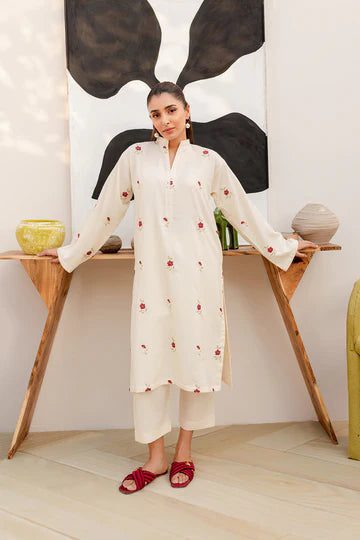
For example, South Asian fashion offers an extensive range of handmade techniques. Hand-embroidered kurtas, block-printed fabrics, handwoven textiles, and artisan-made dupattas can combine cultural heritage with contemporary styling.
This type of clothing can be especially appealing when you want an outfit that has a sense of history and individuality.
How to Find Quality Handmade Clothing Online
Shopping online requires a little more research because you cannot physically examine the garment before purchasing it.
Start by reading the product description carefully. Look for information about the fabric, production method, craftsmanship, sizing, and care instructions.
High-quality handmade clothing brands usually provide detailed information about their products. Product photographs should also show important details such as stitching, embroidery, fabric texture, and finishing.
Customer reviews can provide additional insight into fit, fabric quality, color accuracy, and durability.
Check the Fabric Carefully
The word “handmade” does not automatically mean that a garment is made from premium fabric. Always check the material composition.
Common fabrics used by handmade clothing brands include:
- Cotton
- Linen
- Silk
- Wool
- Hemp
- Organic cotton
- Khadi
- Rayon
- Tencel and other regenerated fibers
Choose the fabric according to the climate and purpose of the garment. Lightweight cotton and linen can be excellent for warm weather, while wool and heavier woven fabrics are better suited to colder conditions.
Handmade Clothing and Sustainability
Handmade and small-batch fashion can support a slower approach to clothing consumption. Producing fewer garments may reduce the pressure associated with constant mass production, while durable craftsmanship can encourage shoppers to keep pieces for longer.
However, handmade does not automatically mean sustainable. Environmental impact depends on factors such as fabric sourcing, dyes, transportation, packaging, production methods, and garment longevity.
Rather than relying solely on a “handmade” label, look for brands that clearly explain their materials and production practices.
Custom Handmade Clothing
One of the most attractive benefits of shopping from independent clothing brands is the possibility of customization.
Some designers offer made-to-measure services, allowing customers to provide measurements or request adjustments to length, sleeve style, neckline, color, or other details.
Custom clothing can be particularly useful for people who struggle to find a good fit in standard sizing.
Before placing a custom order, check the brand’s measurement instructions carefully. Ask about alterations, turnaround times, returns, and what happens if the finished garment does not fit as expected.
How to Style Handmade Clothing
Handmade clothing does not have to be styled in a traditional or overly elaborate way.
A hand-embroidered blouse can be paired with simple jeans for an everyday outfit. A block-printed shirt can work with neutral trousers. A handmade jacket can become the focal point of a minimalist outfit.
The easiest styling approach is to let one distinctive piece stand out while keeping the rest of the outfit relatively simple.
Accessories can also complement handmade clothing without competing with it. Leather bags, simple jewelry, scarves, and understated footwear can complete the look.
Handmade Clothing vs. Mass-Produced Fashion
The biggest difference between handmade and mass-produced clothing is often the production scale and level of individual craftsmanship.
Mass-produced clothing is designed to be manufactured efficiently in large quantities. Handmade clothing is more likely to involve individual artisans, smaller production runs, and manual decorative or construction techniques.
| Feature | Handmade Clothing | Mass-Produced Clothing |
|---|---|---|
| Production scale | Usually smaller | Usually larger |
| Craftsmanship | More manual work | More standardized |
| Availability | Often limited | Widely available |
| Design | Often distinctive | Trend and market driven |
| Customization | More likely | Less common |
| Production speed | Generally slower | Generally faster |
| Price | Can be higher | Often more accessible |
| Individuality | Usually high | Varies |
Neither approach is automatically better for every shopper. The right choice depends on your priorities, budget, and personal style.
What to Consider Before Buying
Before purchasing handmade clothing online, consider the total cost and practical details.
Check the sizing information rather than assuming your usual size will fit. Handmade garments can sometimes have different measurements from standardized retail clothing.
Also check shipping costs, delivery times, return policies, and care instructions. International orders may involve additional taxes or customs charges depending on the destination.
If a garment is hand-dyed or hand-printed, slight variations in color or pattern may be part of the production process. These differences can be a natural characteristic of handmade fashion rather than a defect.
Final Thoughts
Handmade clothing brands online offer an exciting alternative to conventional fashion. They give shoppers access to unique designs, artisan techniques, small-batch collections, traditional craftsmanship, and personalized clothing.
Whether you are searching for a hand-embroidered dress, a block-printed shirt, a handwoven jacket, or a custom-made garment, online independent brands make it easier to discover clothing with character.
The best approach is to research the brand, check fabric and sizing information, understand the production process, and read customer reviews before ordering. When you find a maker whose craftsmanship and aesthetic match your style, handmade clothing can become more than another addition to your wardrobe—it can become a piece you value and wear for years.