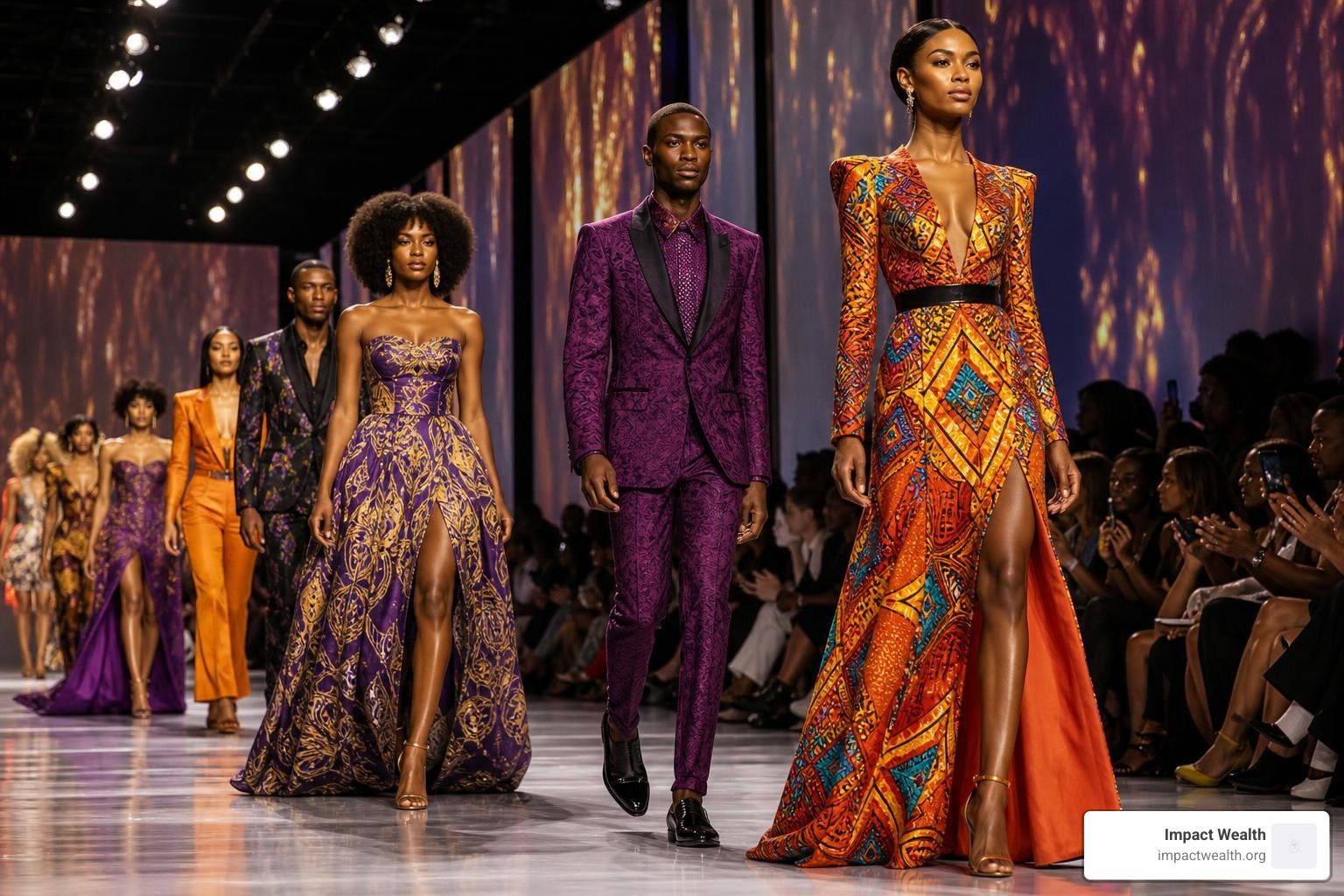
Drip with Purpose and Style with These African American Designer Brands
Why African American Designer Brands Are Reshaping the Luxury Fashion Landscape
When it comes to african american designer brands, the options are richer, bolder, and more investment-worthy than most luxury consumers realize.
Here are some of the top African American designer brands to know right now:
| Brand | Category | Known For |
|---|---|---|
| KAHINDO | Occasionwear | Congolese heritage, artisan-crafted gowns |
| DIARRABLU | Ready-to-wear | Math-generated prints, Nordstrom-stocked |
| Pyer Moss | Luxury fashion | Cultural storytelling, runway activism |
| Brother Vellies | Accessories | African-made footwear, ethical sourcing |
| Wales Bonner | Menswear/womenswear | Afro-Atlantic identity, fine tailoring |
| Hanifa | Womenswear | 3D digital runway, sculptural silhouettes |
| Fear of God | Luxury streetwear | Premium basics, major brand collaborations |
| Telfar | Accessories | Iconic shopping bag, radical inclusivity |
For decades, the luxury fashion world has been dominated by European houses. But that is changing — and fast.
High-profile controversies involving brands like Gucci, Prada, and Burberry sparked a hard conversation about who gets a seat at the table in high fashion. Consumers began asking a simple question: why keep spending with brands that don’t see us?
The answer, for a growing number of shoppers, is that they don’t have to.
A new generation of Black-owned luxury labels is delivering world-class craftsmanship, deep cultural storytelling, and designs rooted in African and African American heritage. And they are doing it at a level that rivals — and in many cases surpasses — the established names.
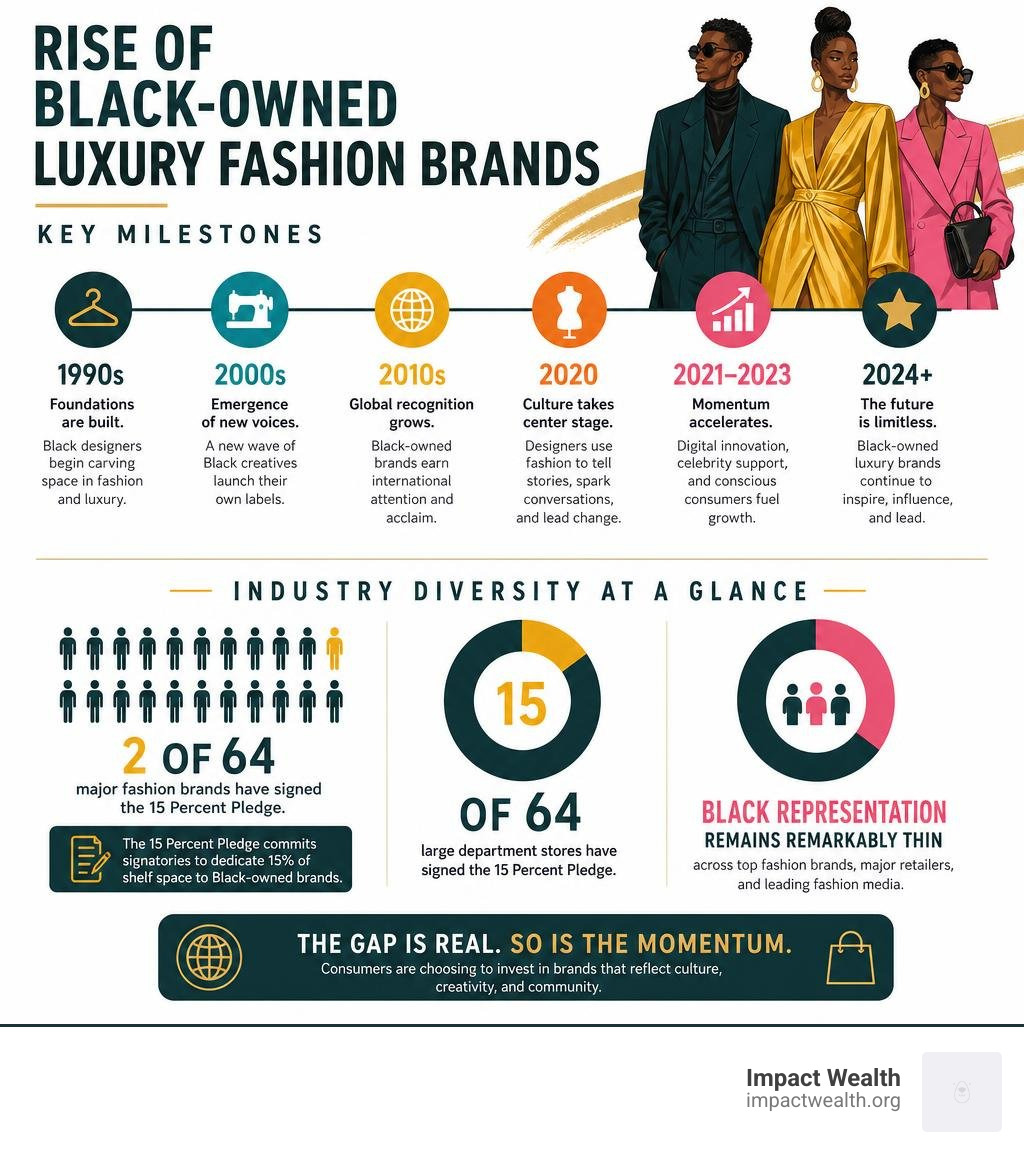
Yet the industry’s power structure hasn’t fully caught up. Black representation among top fashion brands, major department stores, and leading magazines remains remarkably thin. Only two of 64 major brands and 15 large department stores have signed the 15 Percent Pledge — a commitment to dedicate just 15% of shelf space to Black-owned brands.
The gap between consumer demand and institutional support is real. But so is the momentum.
Similar topics to african american designer brands:
The Rise of African American Designer Brands in Global Luxury
To understand the current dominance of african american designer brands, we have to look at the historical context. For years, established European heritage houses operated with a sense of cultural impunity. However, a series of high-profile controversies—such as Prada’s “Pradamalia” figurines in 2018, Gucci’s blackface-resembling balaclava sweater, and Burberry’s ill-advised noose hoodie—created a massive consumer backlash.
These missteps exposed a glaring lack of diversity within the decision-making rooms of global fashion houses. For the luxury consumer who values cultural sensitivity and authentic representation, the message was clear: it was time to redirect capital toward designers who respect and celebrate Black culture.
This shift in consumer behavior gained immense traction during the 2020 racial justice movement. The industry responded with initiatives like the 15 Percent Pledge, urging major retailers to commit 15% of their shelf space to Black-owned businesses. By the Spring 2022 runway season, we saw tangible progress: representation of models of color on the runways jumped to a record 48%, up from 43% the previous season.
Today, premier shopping destinations are reflecting this shift. If you stroll through the curated collections of Women’s Luxury Fashion – Bal Harbour Shops in Miami, or explore the vibrant boutique scene via Black Owned Women’s Boutiques in Los Angeles, the presence of these pioneering designers is unmistakable. Platforms like Black Designer Brands | Discover Black-Owned Brands have also made it easier than ever for discerning global citizens to discover and acquire these elite labels.
Curated List: Elite Labels Redefining Modern Style

True luxury is defined by the narrative behind the garment. Unlike the mass-produced luxury of some heritage houses, these labels prioritize bespoke tailoring, meticulous craftsmanship, and rich cultural storytelling.
Whether you are building a wardrobe of timeless staples or seeking a standout piece for your next gala, these brands offer unparalleled artistry. From the runway innovations discussed in Exploring Torishéju on YouTube to the curated selections highlighted in Six Black-Owned Fashion Brands, here are the premier labels reshaping global style in 2026.
KAHINDO: Sustainable Luxury Among African American Designer Brands
For those who view fashion as a medium for ethical storytelling, KAHINDO | Sustainable Luxury Fashion Brand Ethically Made in Africa is a revelation. Founded with a vision to merge Congolese heritage with contemporary New York design, the brand has become a favorite for high-society occasionwear.
Each KAHINDO piece is handcrafted by female artisans in Kenya, ensuring they receive fair wages and equity in their craft. The brand’s signature gowns require a minimum of 18 hours of meticulous artisan labor. The striking ombré gradients are achieved through a slow-bath dyeing process that takes up to two days per fabric length. When you wear KAHINDO to a black-tie gala or a high-profile debut event, you aren’t just wearing a dress—you are supporting a sustainable, certified fair-trade ecosystem.
DIARRABLU: Mathematical Artistry in African American Designer Brands
What happens when a Wall Street analyst and math teacher pivots to high fashion? You get DIARRABLU, a brand that represents the pinnacle of conscious luxury. Founder Diarra Bousso famously walked away from a career in finance to build her dream, as detailed in Diarra Bousso Left Wall Street To Build DIARRABLU – Essence.
DIARRABLU’s design process is entirely unique: Bousso uses mathematical algorithms and geometric transformations plotted on coordinate planes to generate her vibrant prints. This analytical approach minimizes textile waste, as garments are produced in small, calculated batches in Senegal. After going viral on Instagram, the brand caught the attention of a Nordstrom buyer, leading to a major retail partnership that brought African mathematical artistry to luxury department stores worldwide.
Pat Sutton Designs: Wearable Afro-Caribbean Art
If your style leans toward bold, expressive, and visually spectacular, Pat Sutton Designs | Bold Afro-Caribbean Fashion for All deserves a prominent place in your wardrobe. Drawing inspiration from rich Afro-Caribbean art and powerful cultural symbolism, this brand creates wearable masterpieces.
To combat the fashion industry’s waste crisis, Pat Sutton Designs operates on a made-to-order model. Every swimsuit, jogger, and knit sweater is produced individually to ensure an impeccable fit while keeping carbon footprints low. It is the ultimate expression of slow fashion for the modern, conscious traveler.
LAAK RICHARD BRANDS: Global Prestige and Footwear
Co-founded in October 2020 by Mina Gbemisola Laak and Richard Laak, LAAKRICHARD | African Luxury Fashion for Men, Women & Kids has rapidly positioned itself as a premier African luxury footwear and apparel house.
The brand’s philosophy—”Heritage. Precision. Rarity.”—is evident in every pair of hand-finished loafers, clogs, and slides. Merging traditional West African design elements with Italian-level precision, LAAK RICHARD BRANDS caters to the global elite who demand comfort without sacrificing their signature style.
Villa Aburi: Afro-Inspired Home and Lifestyle Design
Luxury extends far beyond the closet; it encompasses how we inhabit our private spaces. VILLA ABURI is a vibrant home goods brand that infuses Afro-Caribbean and Latin heritage into high-end home decor and fine fragrances.
Villa Aburi’s candles are crafted with clean-burning vegan wax, essential oils, and natural plant extracts. Their woven blankets and cushions are made in small batches, utilizing wool and cotton sourced from local farmers who respect natural ecosystems. By repurposing designer fabric remnants, the brand ensures a zero-waste loop that elevates your living space sustainably.
Amyang Fashun: Upscale Loungewear and Kaftans
For the ultimate in resort wear and sophisticated leisure, Amyang Fashun™ A Lifestyle Brand offers an exquisite collection of kaftans and matching sets.
Specializing in translucent fabrics, elegant pleated sleeves, and traditional African silhouettes reinterpreted for modern luxury, Amyang Fashun is designed for effortless elegance. Whether hosting an intimate gathering at a Palm Beach estate or relaxing on a yacht in the Mediterranean, these pieces offer unmatched comfort and style.
Overcoming the Scale Gap: Funding, Production, and Long-Term Viability

While the creative brilliance of african american designer brands is undeniable, scaling a luxury fashion house requires immense capital and structural support. Historically, Black-founded brands have faced systemic barriers in securing venture capital, scaling production, and maintaining retail partnerships once initial media hype fades.
However, the tide is turning as savvy investment firms recognize the massive economic potential of Black-led enterprises. We are seeing high-value exits and substantial funding rounds across fashion, beauty, and retail technology:
| Company / Project | Sector | Funding / Valuation | Impact |
|---|---|---|---|
| Siris Equiniti | Investment / Tech | $4.2 Billion | Successful high-value firm exit |
| Juneteenth Museum | Cultural Development | $70 Million | Led by four Black-owned firms |
| Vori | Retail Technology | $22 Million | Modernizing independent supply chains |
| Doji | Fashion AI | $14 Million | Personalizing online try-ons with AI avatars |
| Ruka | Beauty Technology | $4.5 Million | Expanding advanced hair tech platforms |
These financial milestones prove that Black-led companies are highly viable, investable, and capable of driving massive returns. For luxury fashion brands, the integration of cutting-edge technology—like Doji’s AI avatars—helps bridge the sizing and fit gap, reducing costly returns and streamlining global e-commerce.
Frequently Asked Questions About Black-Owned Luxury Fashion
How do African American designer brands compare to European heritage houses?
In terms of material quality and design execution, top-tier Black-owned brands are fully on par with European legacy houses. However, they often surpass traditional brands in cultural authenticity, ethical sourcing, and storytelling. Rather than appropriating global cultures, these designers draw directly from their own lived experiences and ancestral heritage, offering consumers a deeper, more meaningful connection to what they wear.
What role do major retailers play in supporting Black designers?
Retailers like Nordstrom and Bloomingdale’s serve as vital scaling partners. By providing shelf space, marketing resources, and flexible wholesale terms, they help emerging brands transition from local operations to global powerhouses. However, sustained success requires these partnerships to extend beyond temporary Black History Month showcases into permanent, year-round inventory commitments.
How can consumers avoid performative allyship when buying luxury?
The most impactful way to support Black designers is through direct, consistent purchasing. Buy directly from the brands’ websites whenever possible so they retain their full markups. Additionally, view these brands not as seasonal charity purchases, but as permanent additions to your luxury wardrobe. Invest in their high-ticket items, share their stories, and advocate for their inclusion in elite retail spaces.
Conclusion
The evolution of african american designer brands is not a passing trend; it is a permanent rewrite of the luxury fashion playbook. By combining heritage, mathematical precision, and uncompromising sustainability, these designers are creating the future of style.
As part of our commitment to championing purposeful luxury, we encourage our readers to seek out these extraordinary labels. To stay ahead of the curve on the designers, artists, and innovators shaping tomorrow’s high society, Explore Luxury Fashion Trends with us. Let your wardrobe reflect both your exquisite taste and your values.