The World’s Best Luxury Fashion Brands at a Glance
Luxury fashion brands are defined by their participation in the “Big Four” fashion weeks — Paris, Milan, London, and New York — along with exceptional craftsmanship, heritage, and exclusivity.
Here are 10 of the best luxury fashion brands to know in 2026:
- Louis Vuitton — Most valuable fashion brand globally ($40.7B)
- Chanel — Iconic French house redefining women’s style since 1909
- Hermès — Legendary craftsmanship rooted in Parisian heritage since 1837
- Gucci — Italian powerhouse spanning ready-to-wear, handbags, and more
- Dior — The benchmark for Parisian haute couture
- Prada — Milanese elegance blending tradition with avant-garde design
- Valentino — Romantic Italian glamour with global runway presence
- Bottega Veneta — Understated luxury defined by artisanal Italian craft
- Balenciaga — Boundary-pushing fashion with a strong cultural footprint
- Stella McCartney — The leading name in sustainable luxury fashion
Fashion is more than clothing — at the highest level, it’s a signal of culture, taste, and lasting value. For ultra-high-net-worth individuals, the brands you wear and invest in say as much as the assets you hold.
The global luxury fashion market is shaped by a small group of elite houses. These brands don’t just sell products. They sell identity, legacy, and craftsmanship built over decades — sometimes centuries.
From Hermès founding its first harness workshop in Paris in 1837 to Louis Vuitton growing into a $40.7 billion brand by 2025, the story of luxury fashion is one of endurance and reinvention.
Understanding which brands lead — and why — matters whether you’re curating a personal wardrobe, gifting, or treating fashion as a tangible asset class.
Defining the Pinnacle: What Makes a High Fashion Brand?
A true high fashion brand is not simply expensive. Plenty of things are expensive. Airport coffee, for instance. Luxury, however, is about a different standard.
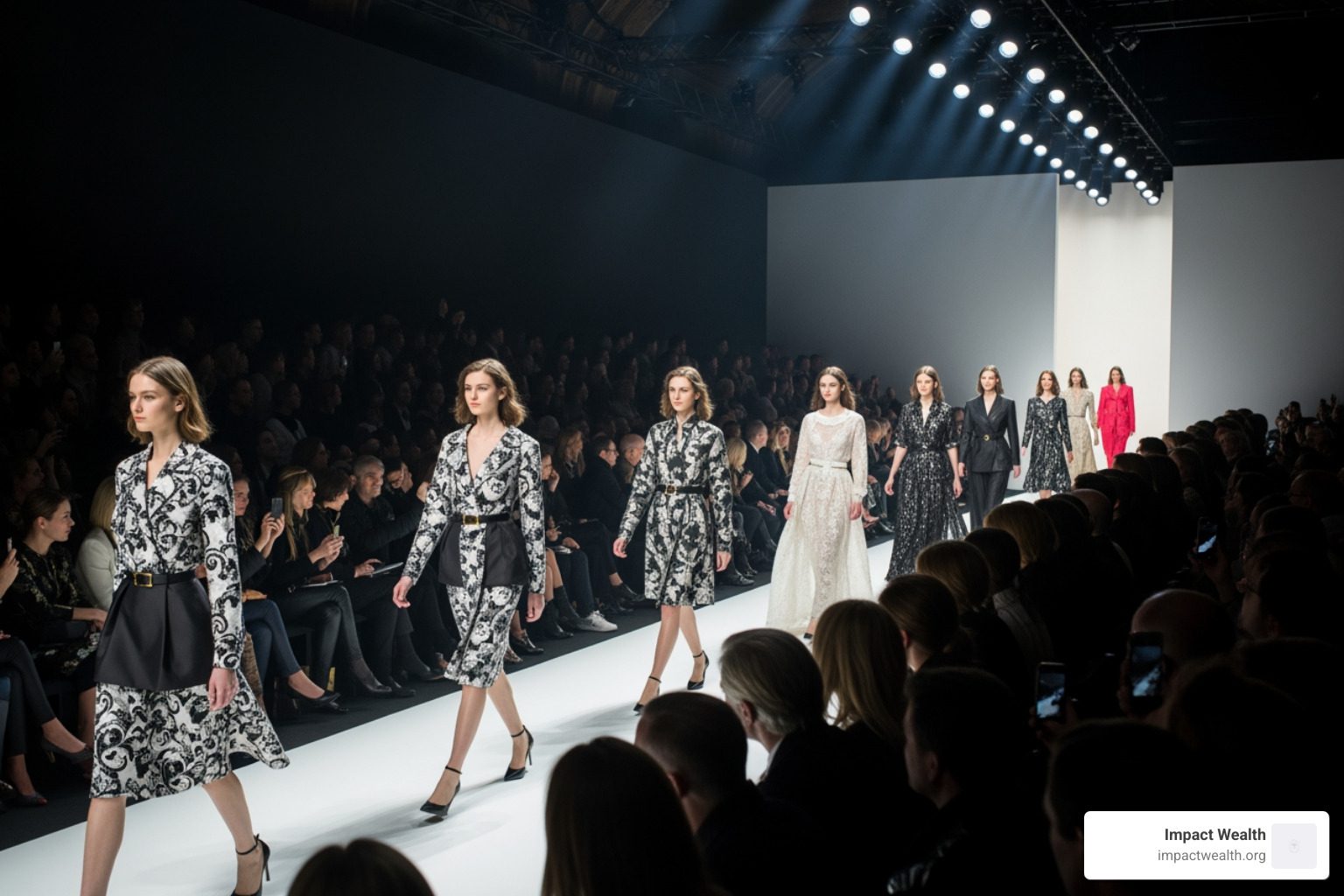
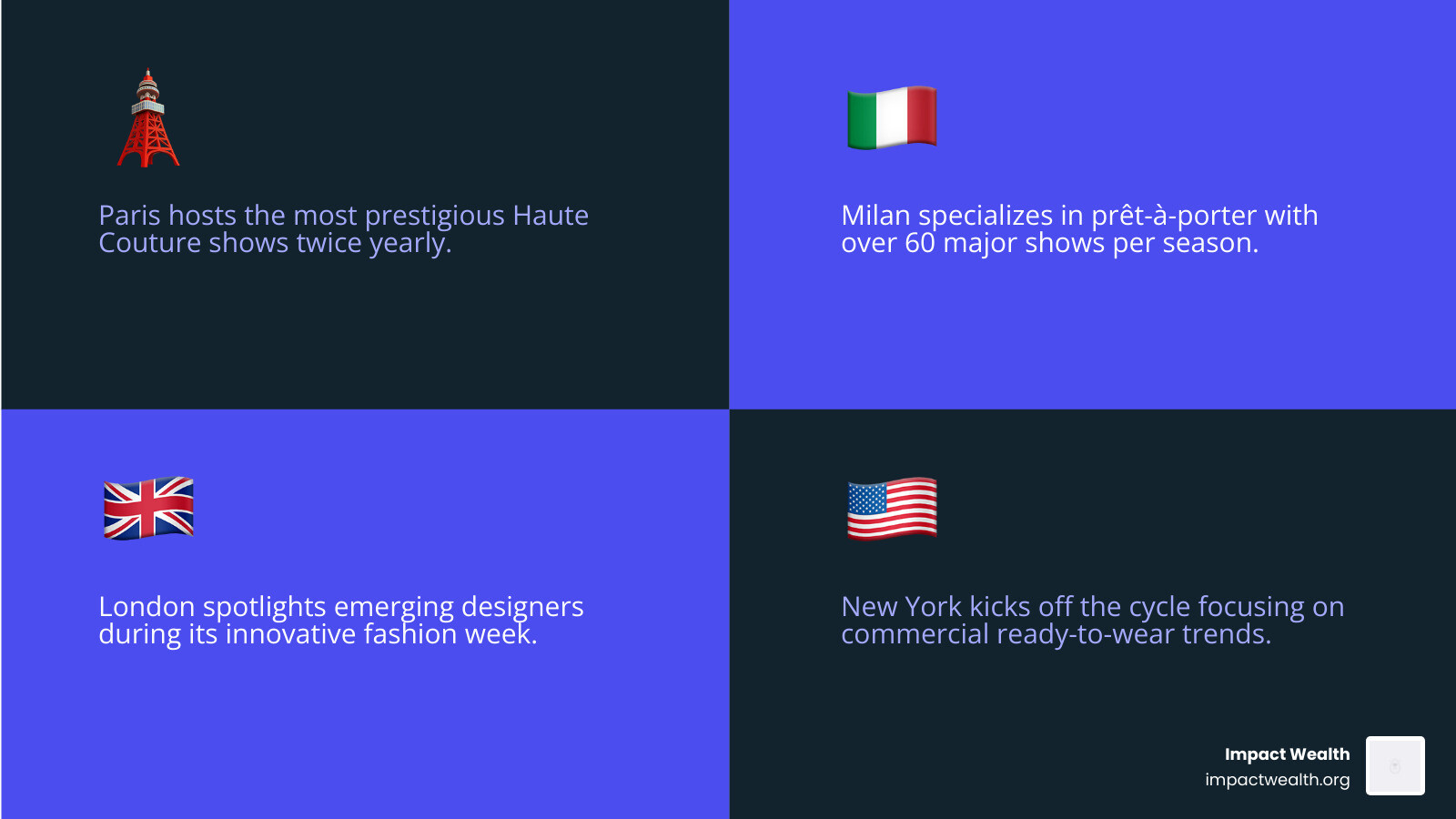
In practical terms, high fashion brands are commonly associated with active participation in one or more of the Big Four fashion weeks: Paris, Milan, London, and New York. That runway presence matters because it places a house inside the global conversation that shapes style, buyers’ decisions, editorial coverage, and client demand.
But fashion week participation alone is not enough. The most respected luxury fashion brands tend to share a few core qualities:
- Exceptional craftsmanship and materials
- A recognizable design language
- Consistent runway relevance
- Strong heritage or a compelling modern point of view
- Exclusivity across pricing, access, and distribution
- Expansion across categories like leather goods, footwear, beauty, jewelry, and home
This is why haute couture still carries such prestige. Couture sits at the summit of custom craftsmanship, handwork, fit, and artistry. Even for brands best known today for handbags or fragrance, couture often acts as the halo that elevates the entire house.
Paris remains the spiritual center of couture. Milan dominates conversations around tailoring, leather, and polished ready-to-wear. London often incubates experimentation and designer individuality. New York brings commercial sharpness and modern lifestyle dressing. Together, these cities create the international circuit that tells us which houses are still leading and which are merely watching from the front row.
For readers interested in the broader culture behind runway prestige, our guide to Milan Fashion Week offers useful context, especially if you follow how collections move from catwalk to closet. We also explore craftsmanship more deeply in More info on bespoke fashion and long-term wardrobe strategy in Style That Lasts: Choosing Pieces That You’ll Wear for a Lifetime.
The Big Four: Iconic Houses Leading the Industry
Some names sit above trends because they helped create the idea of modern luxury in the first place. Chanel, Dior, Gucci, and Hermès are not just famous labels. They are reference points.
Chanel
Chanel is one of the clearest examples of how a heritage house maintains authority across generations. Founded in 1909, it reshaped women’s fashion with a new idea of elegance: freer, cleaner, and less constrained. Today, Chanel remains deeply associated with couture, handbags, jewelry, beauty, and fragrance. Its staying power comes from strict brand control and a visual identity that never feels random.
Dior
Dior represents the grandeur of Parisian fashion. The house is especially important when discussing haute couture because it has long stood for polished femininity, atelier excellence, and runway influence. Dior’s authority also extends well beyond apparel into beauty and fragrance, showing how luxury brands can build empires without losing their fashion credibility.
Gucci
Gucci is one of the strongest examples of a luxury brand that spans categories with unusual breadth. It has force in ready-to-wear, handbags, small leather goods, footwear, and accessories, while still carrying major cultural cachet. The official GUCCI® US Official Site | Redefining Luxury Fashion emphasizes handbags, personalization, appointments, and in-store services, which speaks to how luxury now blends product and experience.
Hermès
Hermès may be the purest expression of craftsmanship-led luxury. Founded in Paris in 1837 as a harness workshop, the house built its reputation on leather expertise, precision, and restraint. It remains synonymous with silk, leather goods, equestrian references, and patient craftsmanship. The The official Hermes online store | Hermès USA continues to foreground silks, leather, and highly curated product storytelling rather than mass promotion.
These four houses also illustrate why fashion week matters. Runway visibility helps reinforce authority, but heritage gives that visibility weight. A collection shown in Paris or Milan means more when it comes from a house with decades of disciplined design, atelier skill, and customer trust.

It is also worth noting that brand value tends to follow this prestige. According to the research cited above, Louis Vuitton reached an estimated $40.7 billion in brand value in 2025, Chanel $34.2 billion, and Hermès $30.4 billion. Those numbers do not define luxury on their own, but they do show how strongly consumers and markets reward heritage plus desirability.
For more runway and shopping inspiration, readers can also explore Explore Designer Womenswear.
10 of the Best Luxury Fashion Brands for 2026
Below, we have expanded our shortlist into a practical guide. These are the names that combine runway relevance, global recognition, and category strength in 2026.
Louis Vuitton
The powerhouse of modern luxury. Louis Vuitton began in 1854 as a trunk maker and evolved into a full lifestyle house. Its strength lies in leather goods, travel heritage, ready-to-wear, footwear, jewelry, and gifting. Research above places it at $40.7 billion in brand value for 2025, making it the most valuable fashion brand in that dataset. The LOUIS VUITTON Official USA Website | LOUIS VUITTON ® also highlights personalization and client services, both central to luxury today.Chanel
Chanel remains one of the most exclusive and recognizable houses in the world. It dominates classic handbags, couture, fine jewelry, and beauty, all while preserving a rare sense of control and scarcity.Hermès
For many collectors, Hermès is the gold standard in leather craftsmanship. The house stands apart through artisanal production, silk heritage, equestrian roots, and a deliberately measured pace of desirability.Gucci
Gucci blends Italian heritage with strong cultural visibility. Its influence across handbags, shoes, belts, and fashion basics makes it one of the most accessible entry points into true luxury branding without being “entry-level” in prestige.Dior
Dior remains central to couture, eveningwear, accessories, and beauty. It is one of the clearest examples of a brand that can be both artistic and commercially powerful.Prada
Founded in 1913, Prada is known for turning intellectual minimalism into luxury. It performs especially well in ready-to-wear, nylon and leather accessories, footwear, and modern tailoring.Valentino
Valentino brings romantic glamour to the top tier of luxury. Its identity is rooted in elegant eveningwear, sharp accessories, and strong runway storytelling. The Valentino US Online Boutique: the Maison Valentino official site reinforces the house’s direct luxury positioning.Bottega Veneta
Bottega Veneta represents quiet luxury before the phrase became unavoidable. Its woven leather signatures and logo-light approach make it especially appealing to clients who prefer discretion over flash.Balenciaga
Balenciaga remains one of the most influential names in boundary-pushing fashion. Whether one loves every collection is beside the point; it consistently shapes the conversation around silhouette, proportion, and luxury street influence.Stella McCartney
Stella McCartney earns a place here because it proves luxury and sustainability can coexist. The brand has built a clear identity around vegan and responsible materials, making it especially relevant to clients who want ethics without sacrificing design.
Beyond this top 10, several houses deserve honorable mention for their role in the modern luxury wardrobe: Saint Laurent for sharp Parisian eveningwear, Fendi for leather goods and fur heritage, Loewe for artisanal craft and modern design intelligence, Brunello Cucinelli for elevated soft tailoring, and Alexander McQueen for dramatic tailoring and fashion theater.
Contemporary and Emerging Luxury Fashion Brands to Watch
Not every important luxury brand is a century old. The current landscape is shaped by a mix of heritage houses and newer labels with strong creative identities.
- Stella McCartney stands out for sustainable luxury. Research above notes the brand’s use of organic, recycled, and vegan materials, including vegan construction in its Falabella bags.
- Jacquemus has become highly visible for playful proportions, vacation-inflected minimalism, and strong social-era branding.
- Khaite has gained traction for refined womenswear with a New York sensibility.
- The Row has become a benchmark for ultra-discreet luxury, focusing on exceptional materials and rigorous simplicity.
These brands matter because they show how luxury is evolving. Heritage still matters, but so do material innovation, sustainability, and a sharply defined point of view. In 2026, many affluent shoppers want more than status. They want clarity: what does the brand stand for, how is it made, and does it still feel special?
The sustainability conversation is especially important. Stella McCartney’s current positioning around responsible materials, artisan craft, and vegan alternatives shows that “luxury” no longer requires old assumptions about what premium materials must be. For readers interested in this shift, our Guide to Sustainable Clothing is a useful companion.

Diversifying the Wardrobe with Luxury Fashion Brands
One reason luxury houses remain powerful is that they rarely stop at apparel. The best ones become ecosystems.
Here is how top brands typically differentiate across categories:
- Ready-to-wear: Prada, Dior, Valentino, and Gucci excel in seasonal fashion collections and runway-to-retail influence.
- Handbags and leather goods: Hermès, Louis Vuitton, Chanel, Bottega Veneta, and Gucci dominate here because craftsmanship and brand recognition are especially visible in accessories.
- Jewelry: Chanel and Dior extend their aesthetic language into fine jewelry, while many luxury shoppers pair fashion houses with statement pieces and heirlooms.
- Footwear: Gucci, Prada, Balenciaga, and Saint Laurent are particularly strong in shoes, from loafers to heels to fashion-forward sneakers.
- Fragrance and beauty: Dior and Chanel are especially successful at translating fashion prestige into beauty categories with broad global reach.
- Home decor and lifestyle: Many top houses now extend into home objects, tableware, textiles, and gifting, allowing clients to express taste beyond the closet.
This category diversification matters for both consumers and brands. For clients, it means one house can dress a life, not just an event. For brands, it creates multiple entry points. Someone may begin with fragrance, graduate to shoes, then eventually collect handbags or fine jewelry.
That broader luxury wardrobe often overlaps with personal styling and investment dressing. If jewelry is part of your luxury mix, explore Exclusive Men Fashion: Discover the Ultimate 14k Gold Necklaces for Men and Latest trends in Men Jewelry 2026.
Where to Shop: The Role of High-End Retailers and Districts
Luxury fashion is not only about brands. It is also about where and how we discover them.
High-end retailers remain essential because they curate across houses, categories, and price points. Neiman Marcus is a strong example. Its Designer Brands List | Neiman Marcus showcases a wide range of luxury names across fashion, accessories, jewelry, beauty, and home. Based on the research above, prominent brands listed there include names such as Akris, Alaia, Balenciaga, Bottega Veneta, and Brunello Cucinelli, demonstrating how a single retailer can introduce shoppers to both icons and rising players.
This matters because luxury department stores do three things well:
- They help clients compare brands in one place
- They provide cross-category discovery, from gowns to candles
- They offer service layers like personal shopping, alterations, and gifting support
For our readership, location also shapes the experience. In South Florida and beyond, shopping districts such as Luxury lifestyle and fashion shopping at Bal Harbour Shops and luxury destinations in Miami offer a more immersive environment than standard retail. Worth Avenue in Palm Beach likewise remains associated with polished, resort-adjacent luxury shopping culture. These districts are not just transactional spaces; they are lifestyle stages where hospitality, architecture, dining, and fashion all reinforce the luxury message.
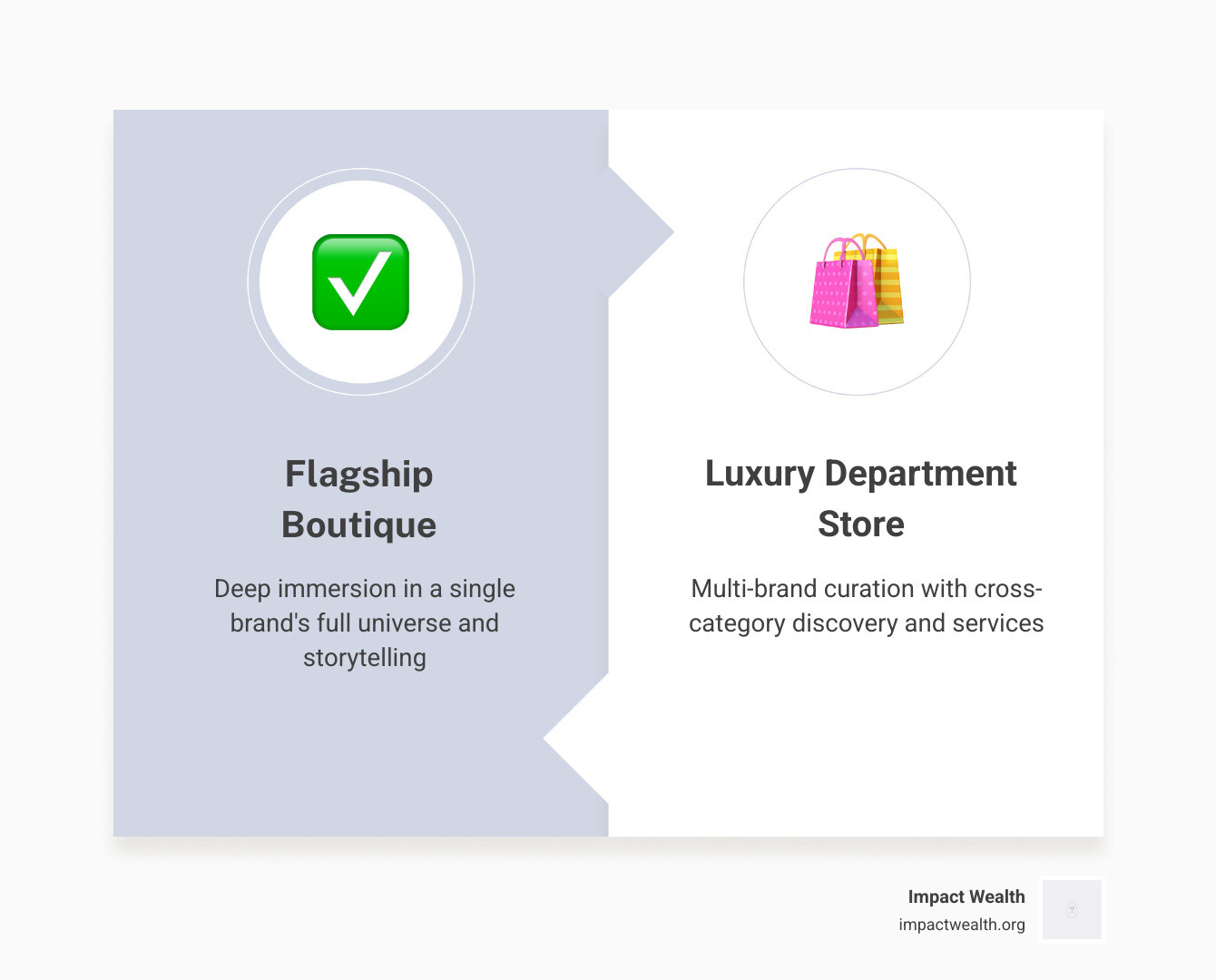
| Experience factor | Flagship boutique | Luxury department store |
|---|---|---|
| Brand immersion | Deep, single-house storytelling | Multi-brand discovery |
| Product range | Full brand universe | Curated selection |
| Personalization | Often strongest at brand level | Strong cross-brand service |
| Comparison shopping | Limited | Excellent |
| Atmosphere | Highly controlled and exclusive | Efficient and exploratory |
| Best for | Loyal collectors | New discovery and gifting |
The best strategy is usually a blend. Visit a multi-brand retailer when you want breadth. Visit the flagship when you want the full theater.
Frequently Asked Questions about Luxury Fashion
What defines a high fashion brand in 2026?
In 2026, a high fashion brand is generally defined by a mix of runway participation, craftsmanship, exclusivity, and cultural authority. The most widely accepted shorthand is active participation in one of the Big Four fashion weeks: Paris, Milan, London, or New York. But that is just the starting line.
A true high fashion brand also needs:
- Distinctive design identity
- Premium materials and workmanship
- Strong editorial and client relevance
- Category strength beyond one viral item
- Long-term desirability
Which luxury brand has the highest brand value?
Based on the research provided, Louis Vuitton held the highest estimated brand value in 2025 at $40.7 billion. Chanel followed at $34.2 billion, and Hermès at $30.4 billion. Brand value is not the same thing as taste, of course, but it is a useful signal of global recognition, pricing power, and enduring demand.
How do heritage brands maintain their status?
They balance consistency with reinvention.
The strongest heritage houses protect their core codes while refreshing silhouette, styling, and storytelling through each collection. They also maintain high standards in materials, selective distribution, and client experience. In simple terms: they evolve without losing the plot.
Fashion weeks help with that process. Each show gives a brand the chance to prove it still belongs at the center of culture. Without that ongoing visibility, even a famous house can start to feel archival rather than active.
Conclusion
The world of luxury fashion brands is ultimately a conversation between heritage and change. The best houses preserve craftsmanship while adapting to new expectations around lifestyle, sustainability, and global relevance.
For our audience at Impact Wealth, this matters because fashion is not merely decorative. A well-chosen wardrobe can function as personal branding, cultural literacy, and in some cases a collection of lasting assets. Whether we gravitate toward the quiet mastery of Hermès, the scale of Louis Vuitton, the polish of Dior, or the modern ethics of Stella McCartney, the same principle applies: buy with discernment.
If you want to keep exploring how elite style is evolving, visit Discover the latest luxury fashion trends.