Why Sustainable Luxury Brands Matter in 2026
Sustainable luxury brands create high-end fashion with greater care for materials, workers, animals, and a product’s full life cycle. Leading names pair lasting design and skilled craft with traceable sourcing, lower-impact materials, fairer production, and services such as repair or authenticated resale.
For luxury buyers, the strongest choices tend to share a few clear traits:
- Proof, not broad promises: They publish meaningful information about materials, factories, and progress.
- Better materials: They use certified, recycled, organic, deadstock, or next-generation alternatives where feasible.
- Longer product life: They design for durability and support repair, resale, take-back, or recycling.
- Independent accountability: They pursue credible certifications, audits, and ratings that assess people, planet, and animal welfare.
This shift matters well beyond the wardrobe. Fashion accounted for up to 10% of global carbon dioxide emissions in 2022, while luxury consumers increasingly expect their purchases to reflect their values. Yet a high price tag is not evidence of low impact. Real sustainable luxury requires specific claims, transparent data, and progress across the supply chain.
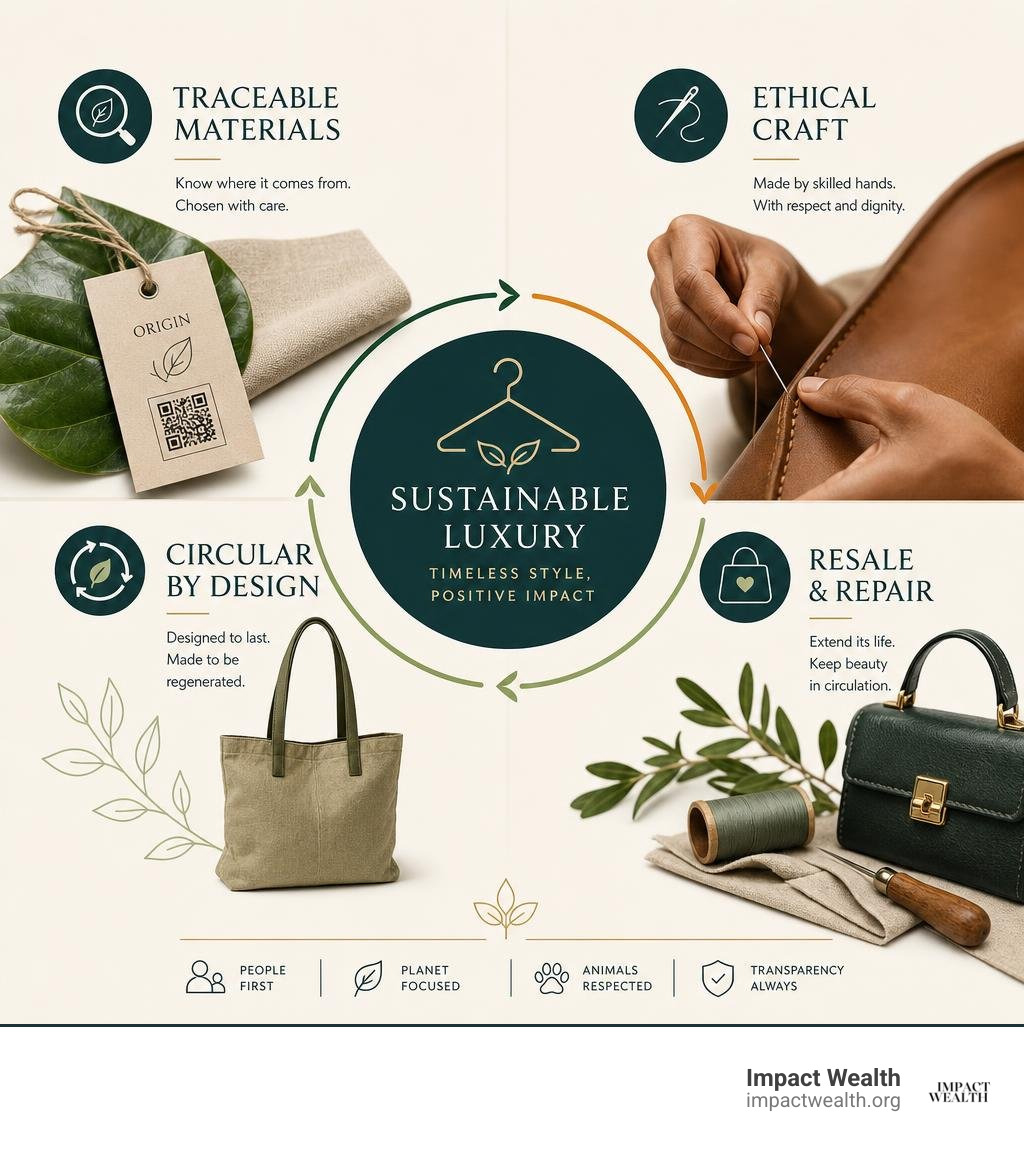
Basic Sustainable luxury brands vocab:
The Anatomy of Sustainable Luxury: Materials, Circularity, and Technology
When we evaluate high-end apparel, the distinction between legacy status symbols and modern sustainable luxury brands comes down to intentionality. Traditional luxury relied heavily on rare exotic skins, resource-intensive tanning, and unexamined global supply lines. Today, true sustainable luxury merges high aesthetics with cutting-edge environmental technology, zero-waste philosophies, and full life-cycle accountability.
At its core, this approach rests on intelligent material selection and circular design. Incorporating Eco Friendly Design Solutions allows ateliers to lower their ecological footprint without losing the sensory elegance expected by ultra-high-net-worth individuals across Palm Beach, London, and Shanghai.
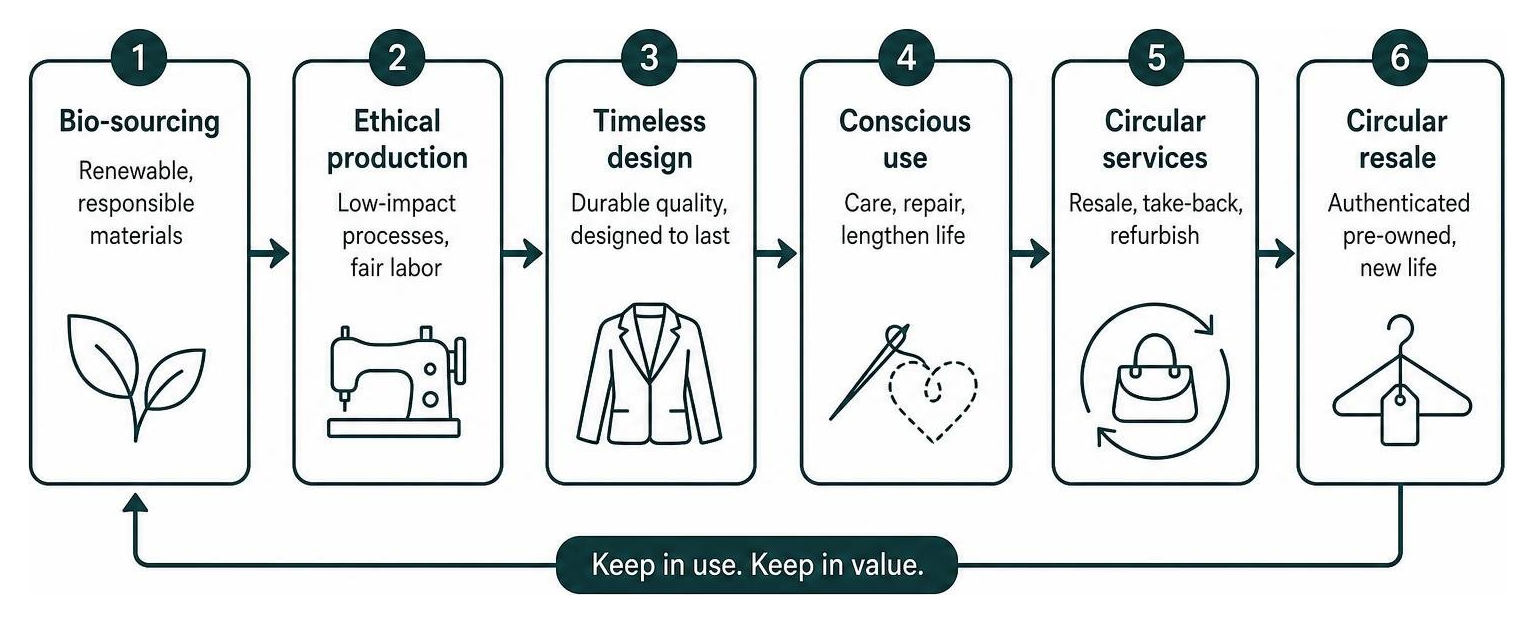
How Sustainable Luxury Brands Ensure Supply Chain Transparency
In the past, high fashion obscured its supply chain behind a curtain of exclusivity. Today, leading houses know that transparency is the ultimate proof of quality. Traceability is no longer optional—especially with roughly 77.5% of consumers expressing a willingness to pay more for traceable luxury goods like ethically sourced jewelry.
Brands deploy several vital mechanisms to guarantee integrity across every step of creation:
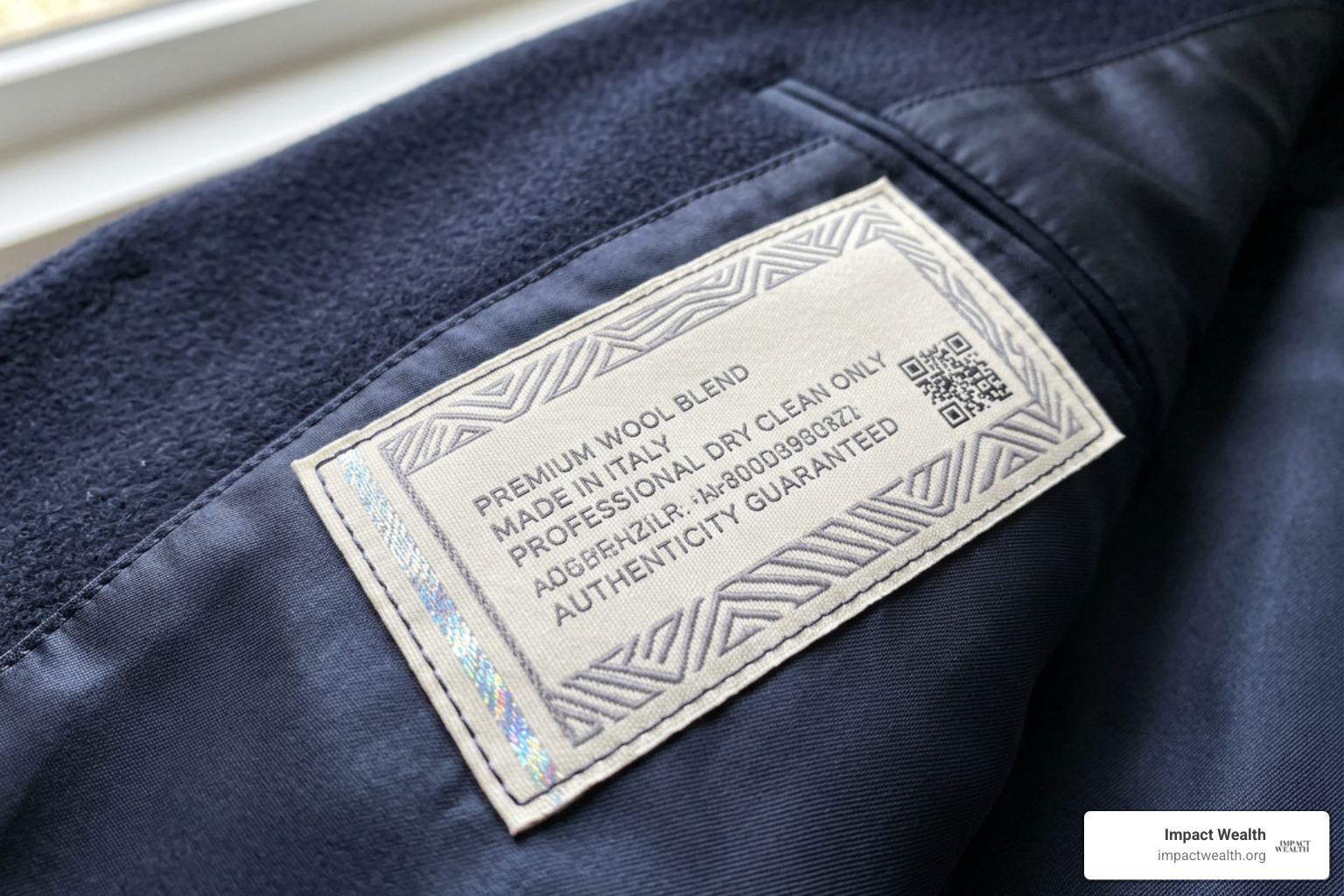
- Blockchain Tracking & Digital IDs: By attaching encrypted QR codes or microchips to care labels, brands grant buyers instant access to raw material provenance, atelier locations, and certified carbon metrics.
- Living Wages & Ethical Labor Standards: Leading labels audit sub-contractors to verify that master artisans receive wages well above standard local baselines, working in safe, clean facilities.
- Certified B-Corp Status: Earning rigorous B-Corp certification legally binds a luxury house to balance profit with verified social and environmental impact.
- Design-Led Remanufacturing: Pioneered by forward-thinking ateliers like Beira Remanufacturing, this process starts with acquiring surplus deadstock textiles from top Italian houses and designing garments around available luxury waste, achieving an average 85% reduction in carbon footprint.
Innovative Bio-Materials Transforming Luxury Ateliers
The modern runway is a testing ground for advanced bio-fabrication. High fashion is replacing petroleum-based synthetics and resource-heavy animal hides with sophisticated alternatives grown in laboratories or derived from agricultural leftovers.
By tapping into innovations detailed by Ephea Mycelium Technology, ateliers grow pure mycelium sheets using vertical farming in just a few weeks—compared to 3+ years required for traditional cattle raising. Life Cycle Assessments show mycelium reduces water usage by 91.6% and land usage by 91.4% compared to metal-free tanned bovine leather.
The Top Sustainable Luxury Brands Redefining High Fashion in 2026
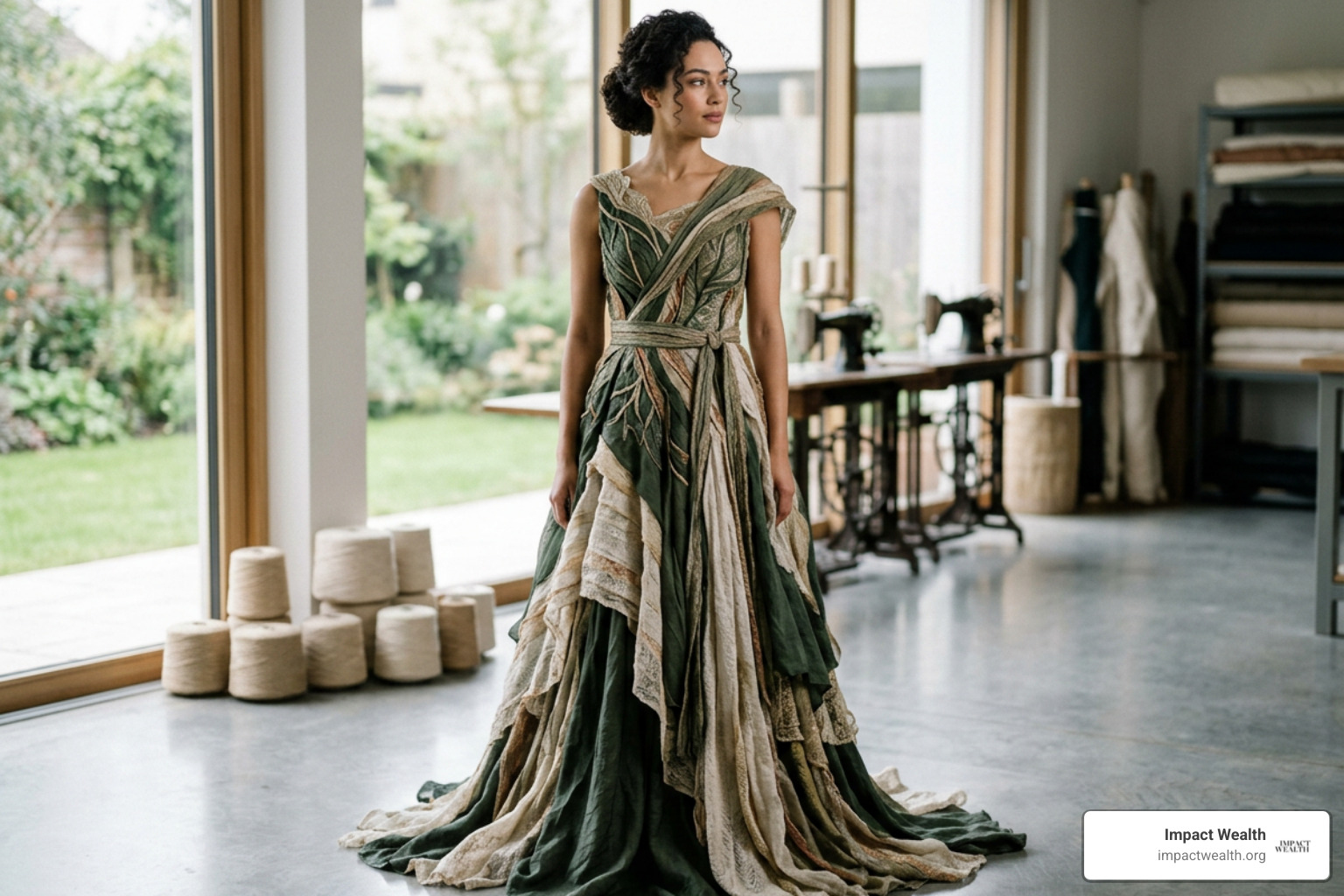
As luxury consumers across Miami, Los Angeles, and Europe re-evaluate their wardrobes, top fashion houses prove that conscious choices elevate style rather than compromise it. Exploring High End Fashion Insights reveals how top ateliers combine fine tailoring with uncompromising environmental standards.
With the pre-owned luxury market valued at over $38 billion, circular fashion has firmly entered the haute couture lexicon. Today’s premier sustainable luxury brands are built on principles of quiet luxury, timeless craftsmanship, and circular longevity.
Pioneering Houses in Ethical High Fashion
Several legacy and contemporary powerhouses lead the charge in establishing new ethical baselines:
- Stella McCartney: A pioneer in cruelty-free luxury since 2001, the brand completely eliminates animal leather, feathers, and exotic skins. Highlights include collections made with 98% responsible materials, as highlighted across Stella McCartney Sustainable Collections. From Champagne grape harvest waste turned into vegan leather bags to plastic-free bio-sequins, the house aims for net-zero emissions by 2040.
- Chloé: In 2021, Chloé became the first major European luxury fashion house to earn B-Corp certification. Prioritizing lower-impact certified materials, the brand integrates digital product passports, fair-trade certified artisanal partnerships, and transparent supply chain disclosures across its collections.
- Gabriela Hearst: Renowned for hosting the fashion industry’s first carbon-neutral runway show, Hearst utilizes up to 60% deadstock materials in seasonal lines, pairing flawless tailoring with fine hand-knits crafted by women’s cooperatives in South America.
- Eileen Fisher: A longtime trailblazer in circular economics, Eileen Fisher operates a multi-tiered take-back program. Returned garments are cleaned and resold, transformed into upcycled artistic collections, or downcycled into industrial materials, ensuring zero textile waste.
Emerging Pioneers in Upcycled and Circular Couture
Beyond established runway houses, a new wave of nimble, highly specialized labels is redefining niche luxury categories:
- AGCF (Alexandra Gucci Zarini): Founded by an heir to the legendary fashion family, AGCF blends historic Italian artisan expertise with strict social profit-and-loss accountability, proving that luxury heritage can evolve into modern ethical stewardship.
- Kōraru: Awarded for its ocean-conscious philosophy, Kōraru Ocean Swimwear designs timeless beachwear in London using upcycled textile waste. Their pieces are shipped in fully recyclable packaging, showing how slow fashion principles elevate holiday wardrobes.
- Beira: Handcrafted in Italy and designed in Scotland, Beira practices radical price transparency. By listing every itemized cost—from deadstock fabric sourcing to tailor living wages—they offer ultra-high-quality quiet luxury without traditional retail markups.
Balancing Exclusivity, Resale, and Circular Economies
A common question among luxury collectors is whether rarity and high price points can truly coexist with environmental sustainability. The answer lies in circular economy models. While fast fashion relies on high-volume overproduction, luxury is inherently suited for circularity due to high material quality, inherent emotional value, and strong resale retention.
Strategies like those covered in Maximize Returns with Passion Assets show how high-end apparel, fine watches, and rare handbags act as dynamic stores of value when maintained properly.
Evaluating Sustainable Luxury Brands with Independent Ratings
Navigating brand claims requires clear, objective benchmarks. Independent directories and rating platforms evaluate fashion houses based on verified public data across three core pillars:
- People (Labor Rights): Assessment of fair living wages, safe working conditions, worker empowerment, and supply chain audit frequency under standards like SA8000 and Fair Trade.
- Planet (Environmental Footprint): Review of chemical management (REACH compliance), water recycling, renewable energy deployment in manufacturing, and greenhouse gas reduction targets.
- Animals (Animal Welfare): Scrutiny of cruelty-free policies, non-mulesed wool sourcing, elimination of exotic skins, and certified organic animal husbandry (e.g., Responsible Wool Standard).
Platforms such as Good On You grade brands on a scale from “We Avoid” to “Great,” helping luxury buyers spot subtle greenwashing—such as a brand launching a small eco-capsule while continuing bulk production of non-recyclable synthetic garments elsewhere.
Overcoming Greenwashing and the Future Outlook for 2026 and Beyond
As consumer demand shifts—with over 85% of global shoppers favoring brands that reflect their personal lifestyle values—greenwashing has grown more complex. Misleading marketing frequently hides behind eco-conscious packaging or vague statements like “responsibly made.”
However, incoming regulatory frameworks across Europe and North America are reshaping the market landscape. Between 2026 and 2030, the European Union’s Digital Product Passport (DPP) mandate will require fashion items sold within the region to feature accessible, encrypted digital records. Scanning care labels via smartphone will immediately reveal complete material origins, carbon metrics, and repair guidelines.
Simultaneously, luxury e-commerce platforms are deploying artificial intelligence and virtual try-on tools to tackle return rates, which average 20% to 30% in digital retail. With inaccurate sizing causing 46% of online returns, AI precision fitting dramatically cuts logistics-related carbon emissions while personalizing high-end shopping. Discovering how tailored aesthetics meet technological innovation is explored in Power Dressing Reimagined.
Frequently Asked Questions about Sustainable Luxury Fashion
How can consumers verify if a luxury brand is genuinely sustainable?
Look for recognized third-party certifications rather than self-declared brand claims. Trustworthy credentials include B-Corp Certification, Global Organic Textile Standard (GOTS), OEKO-TEX Standard 100, and Fair Trade Certified badges. Additionally, check independent sustainability directories like Good On You and look for brands offering Digital Product Passports or detailed line-item cost and factory disclosures.
Why are sustainable luxury items priced at a premium?
The price tag reflects the true cost of production. Sustainable luxury brands invest in fair living wages for master artisans, costly bio-material research (such as mushroom mycelium and seaweed fibers), low-impact organic agriculture, and limited-quantity production runs that prevent overproduction. You are paying for superior durability, non-toxic materials, and ethical human labor.
What is the role of digital product passports in sustainable luxury?
Digital Product Passports (DPPs) utilize QR codes or microchips linked to blockchain ledgers. They store transparent, unchangeable data detailing raw material origins, manufacturing locations, chemical compliance, and carbon footprints. For buyers, DPPs streamline authenticity verification for pre-owned resale, combat counterfeiting, and provide straightforward care and repair instructions.
Conclusion
The evolution of high fashion demonstrates that luxury and environmental responsibility are deeply connected. Modern sustainable luxury brands prove that ultra-high-net-worth wardrobes can showcase exceptional craftsmanship, aesthetic prestige, and bio-material innovation while safeguarding the planet and honoring human labor.
For those managing family portfolios and curated lifestyle collections, aligning purchases with personal ethics is a natural next step. Explore our dedicated analysis on Investing in Luxury Assets in 2026 to discover how sustainable values enhance long-term wealth preservation, or Explore Sustainable Luxury Fashion Trends to stay ahead of seasonal runway innovations.