Key Takeaways
- Hybrid and electric propulsion systems are significantly reducing fuel consumption and emissions.
- Sustainable materials are increasingly used in yacht construction to preserve resources and boost performance.
- The use of renewable energy sources, such as solar and wind, is enhancing onboard energy efficiency.
- Eco-friendly interior design solutions align luxury yachting with sustainability.
- Smart technologies enable precise energy management for optimal onboard operation and comfort.
Table of Contents
- Hybrid and Electric Propulsion Systems
- Sustainable Materials in Yacht Construction
- Integration of Renewable Energy Sources
- Eco-Friendly Interior Designs
- Smart Technologies for Energy Optimization
- Conclusion
As the yachting industry evolves, a significant shift towards sustainability is reshaping what it means to enjoy luxury on the water. Both yacht owners and builders are embracing eco-friendly innovations, seamlessly merging opulence with environmental responsibility. Whether it is through new propulsion options or eco-conscious material choices, the modern luxury boat now sets a higher standard for responsible recreation at sea.
Yachting has always been synonymous with indulgence and freedom, but today’s owners expect more than just extravagance. The demand for sustainable solutions continues to surge, prompting designers and engineers to rethink traditional practices. From propulsion to interior design, every component plays a role in reducing environmental impact while delivering a first-class experience.
Builders are answering the call for greener yachting by prioritizing renewable energy, optimized energy management, and cutting-edge technologies aboard their latest vessels. This new approach ensures that enjoying comfort and performance on the water goes hand in hand with supporting conservation efforts.
Brands that lead the way in sustainability are challenging industry norms, driving innovation, and increasing consumer awareness of the importance of eco-friendly choices. With global attention on the maritime sector and its environmental responsibilities, sustainable yachting is fast becoming the gold standard for enthusiasts and newcomers alike.
Hybrid and Electric Propulsion Systems
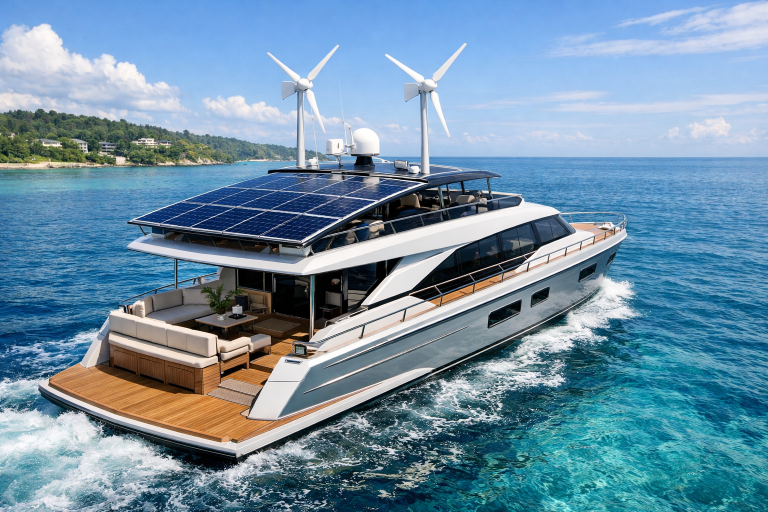
Sustainable propulsion options are at the forefront of the green wave in yachting. Hybrid and electric systems combine traditional combustion engines with electric motors, reducing both fuel use and harmful emissions. For example, the Sunreef 80 Eco integrates advanced solar panels and lithium batteries, allowing for quieter, emission-free cruising. This approach not only benefits the planet but also enhances the onboard experience by reducing noise and vibration levels. According to industry experts, the adoption of electric propulsion is expected to expand as battery technology improves and charge infrastructure becomes more accessible.
Sustainable Materials in Yacht Construction
Material selection plays a critical role in minimizing the environmental impact of yacht building. Many manufacturers are moving away from exotic hardwoods like teak, which are linked to deforestation, opting for more responsible alternatives such as fast-growing bamboo, synthetic decking, and other recycled resources. Composite materials are increasingly favored for their durability, lightweight properties, and improved recyclability. These changes benefit the environment while enhancing the vessel’s seaworthiness, safety, and performance. Responsible material use is becoming a badge of honor among leading yacht builders and a powerful differentiator for environmentally minded buyers.
Integration of Renewable Energy Sources
Harnessing the sun and wind is now a practical solution for energy-intensive lifestyles aboard modern yachts. Solar panels are seamlessly incorporated into hulls and superstructures, supplying clean power to everything from lighting to air conditioning. Some vessels use cutting-edge sails and wind turbines to supplement propulsion, decreasing reliance on diesel engines and further reducing the marine carbon footprint. By tapping into renewable energy, these yachts can stay off-grid for longer periods, support silent anchoring, and reduce overall operational costs. These advancements reflect a growing consensus that incorporating renewables is essential for both environmental progress and the sustained enjoyment of the yachting lifestyle. More on the widespread use of renewables in marine travel can be found at The New York Times.
Eco-Friendly Interior Designs
Luxury yachts are famous for sumptuous interiors, but today’s owners demand beauty with a lighter footprint. Interior designers focus on responsibly sourced woods, recycled textiles, and low-impact surfaces that limit off-gassing and the release of toxins. Eco-friendly paints, adhesives, and cleaning products are now the standard in high-end yacht builds. These interior innovations appeal to those who want high style that also supports the health of the oceans and guests alike. Sustainable design choices deliver elegance, comfort, and environmental stewardship without compromise.
Smart Technologies for Energy Optimization
Smart systems now play an essential role in tracking, optimizing, and limiting energy consumption on board. Advanced monitoring platforms provide real-time data, allowing crews and owners to manage lighting, climate, and other energy-intensive systems with surgical precision. Automation extends beyond simple convenience, ensuring that onboard resources are used efficiently without sacrificing luxury. Features like automated blinds, advanced heating and cooling systems, and energy-efficient galley appliances make sustainable living easy and instinctive for those aboard. These intelligent solutions are becoming standard, driving further gains in operational efficiency and reductions in environmental impact. For more examples of energy management in new vessels, refer to this Bloomberg article.
Conclusion
The convergence of luxury and sustainability is transforming the yachting industry. Through innovative propulsion systems, responsible material choices, renewable energy, eco-friendly interior design, and technology-driven energy management, modern yachts are setting higher standards for both comfort and stewardship. As eco-consciousness becomes integral to the yachting concept, the industry is poised to usher in a new era that harmonizes indulgence with the urgent need for conservation and sustainability.