The Monaco Grand Prix status symbol continues to occupy a unique position in global motorsport culture. While Formula 1 has expanded into new markets and introduced increasingly sophisticated race weekends, Monaco remains the event most closely associated with prestige, exclusivity, and elite social status. Every year, the narrow streets of Monte Carlo transform into a stage where world-class racing intersects with luxury tourism, celebrity culture, and high-end hospitality.
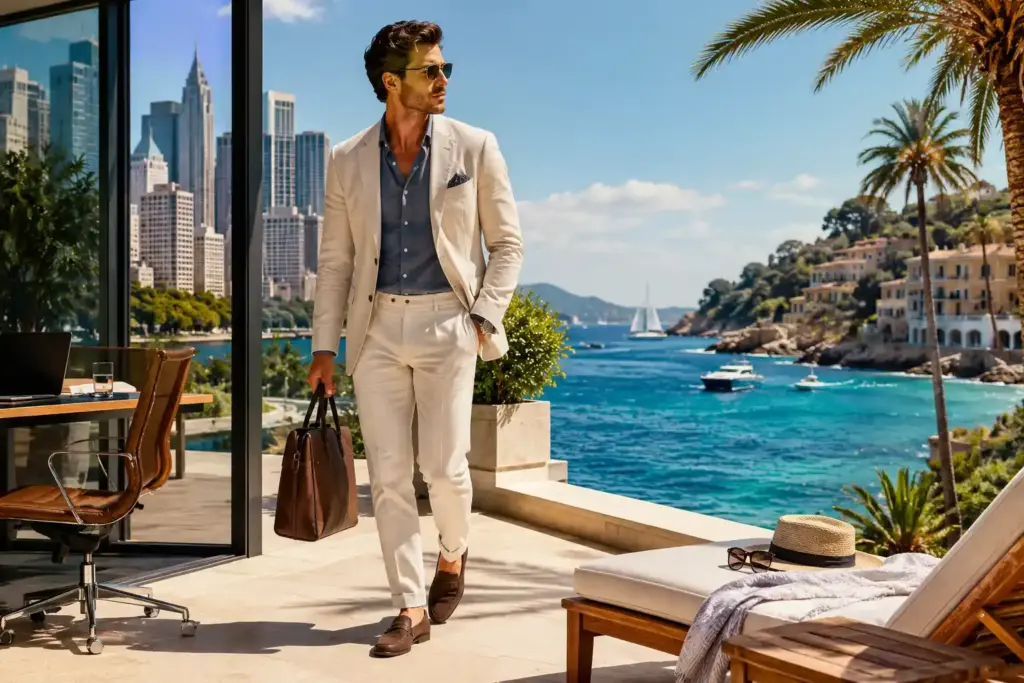
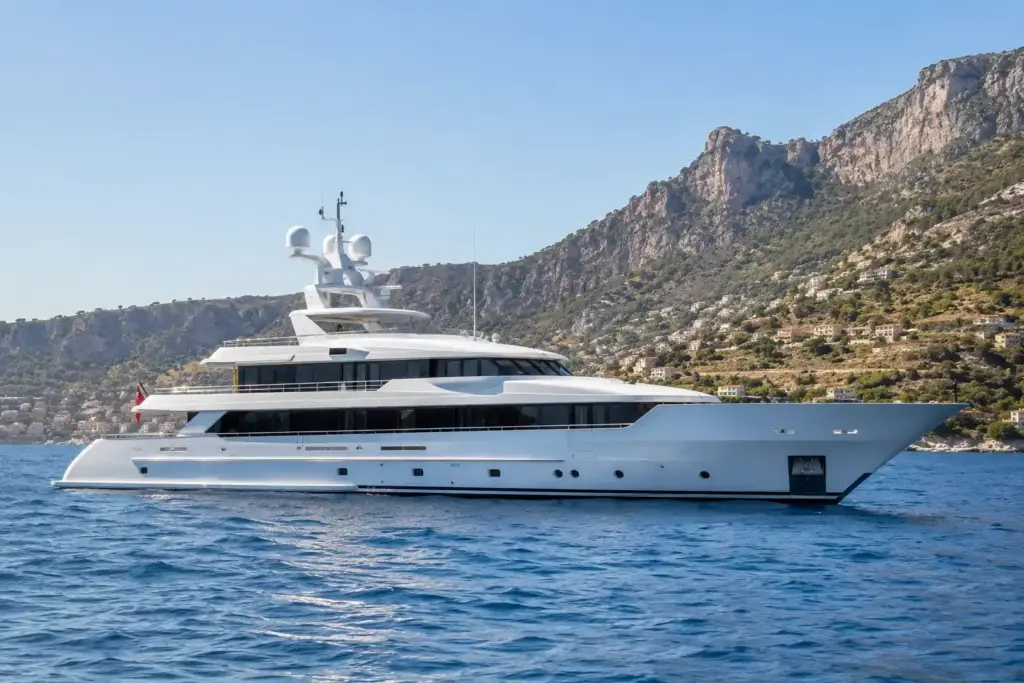
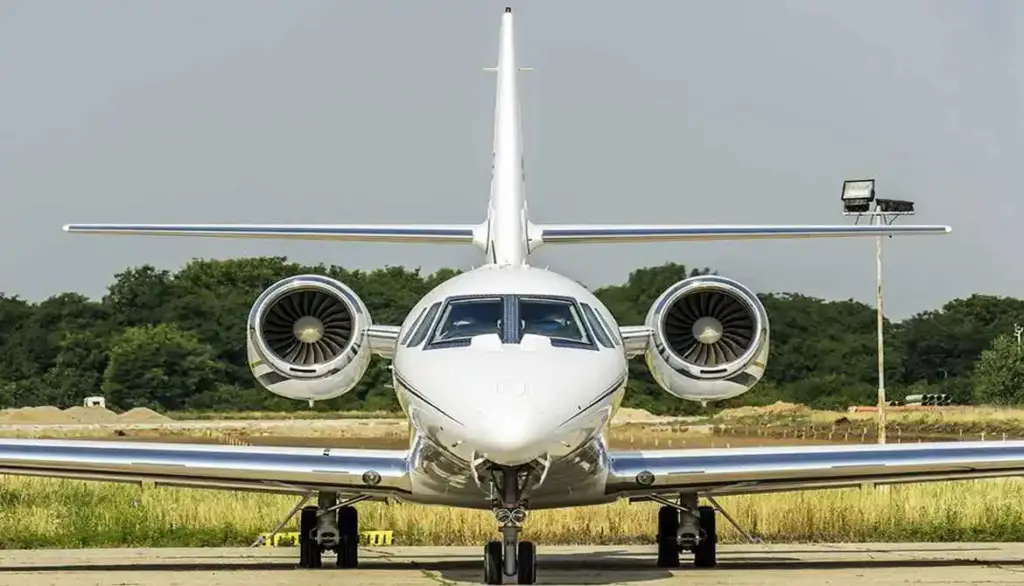
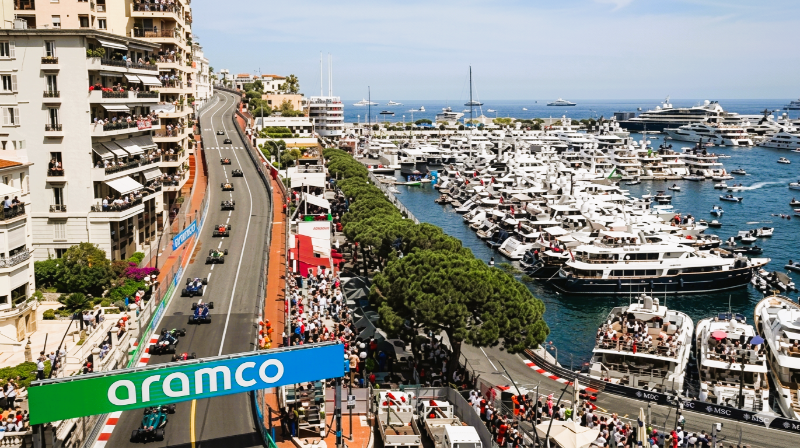
Often described as the crown jewel of Formula 1, the Monaco Grand Prix attracts billionaires, royalty, corporate leaders, celebrities, and influential figures from around the world. Moreover, its location on the French Riviera creates a setting unlike any other race on the calendar. Luxury yachts line the harbor, private jets fill nearby airports, and premium hospitality venues host some of the most exclusive gatherings in international sport.
However, Monaco’s significance extends beyond wealth and glamour. The race is also one of the most historic and technically demanding events in motorsport. Consequently, it combines sporting excellence with cultural prestige in a way that few events can replicate.
As Formula 1 continues evolving into a global entertainment platform in 2026, Monaco remains its most powerful symbol of luxury, tradition, and exclusivity. Therefore, understanding the enduring appeal of the Monaco Grand Prix reveals how modern sport increasingly blends competition with lifestyle, branding, and social identity.
Why Monaco Is the Crown Jewel of Formula 1
The Monaco Grand Prix occupies a special place in Formula 1 history. First held in 1929 and integrated into the Formula 1 World Championship in 1950, the race has become one of the sport’s defining events. Moreover, generations of legendary drivers have enhanced its reputation by delivering memorable performances on one of racing’s most demanding circuits.
Unlike purpose-built racetracks, Monaco uses public roads winding through Monte Carlo’s streets. Consequently, the circuit offers almost no margin for error. Drivers race between barriers that leave little room for mistakes, creating an atmosphere of constant pressure and precision.
The race also carries symbolic importance that extends beyond sporting results. While many circuits offer exciting overtaking opportunities, Monaco rewards technical mastery, concentration, and flawless execution. Therefore, victory in Monaco often carries prestige disproportionate to the championship points awarded. This enduring reputation is a major reason why the Monaco Grand Prix status symbol remains so powerful within global motorsport culture.
The Monaco Grand Prix status symbol is not built solely on luxury or celebrity attention. Instead, it reflects decades of racing history, iconic victories, and the unique challenge of competing on one of Formula 1’s most demanding circuits. Consequently, drivers often regard success in Monaco as one of the defining achievements of their careers.
Key reasons Monaco stands apart include:
- Historic importance within Formula 1 heritage
- Iconic street circuit layout
- Strong association with legendary drivers
- Unique urban setting overlooking the Mediterranean
- Exceptional global visibility and prestige
Meanwhile, other races may attract larger crowds or generate greater overtaking action. Nevertheless, the Monaco Grand Prix status symbol continues to represent the ultimate achievement in Formula 1 tradition. Moreover, its blend of sporting excellence and cultural influence reinforces why Monaco remains the benchmark for prestige in world motorsport.
The Luxury Ecosystem Around the Monaco Grand Prix
Luxury is not merely an accessory to Monaco—it is central to the entire event experience. During race week, Monte Carlo becomes one of the world’s most concentrated displays of wealth and exclusivity. As a result, the Monaco Grand Prix status symbol extends beyond the race itself and into every aspect of the destination’s luxury ecosystem.
High-end hotels and private residences experience extraordinary demand during race weekend. Consequently, accommodation prices rise dramatically as visitors compete for access to the most desirable locations overlooking the circuit. The scarcity of premium hospitality options also contributes to the enduring appeal of the Monaco Grand Prix status symbol.
Additionally, luxury brands use Monaco as a platform for customer engagement. Fashion houses, watchmakers, automotive manufacturers, and premium lifestyle companies host exclusive experiences designed to strengthen relationships with affluent audiences. Therefore, the Monaco Grand Prix status symbol has become a valuable asset not only for Formula 1 but also for the world’s most prestigious luxury brands.
Other elements contributing to Monaco’s luxury ecosystem include:
- Exclusive VIP hospitality packages
- Premium rooftop viewing experiences
- Luxury retail events and private showcases
- Private aviation services
- Invitation-only social gatherings
Monaco’s Luxury Advantage Compared With Other Races
| Aspect | Monaco GP Feature | Other F1 Races | Luxury Impact | Prestige Level |
|---|---|---|---|---|
| Location | Monte Carlo waterfront | Various cities and circuits | Exceptional | Very High |
| Hospitality | Yacht-based experiences | Traditional suites | Exclusive | Very High |
| Accommodation | Luxury hotels and penthouses | Standard premium hotels | Significant | High |
| Social Access | Elite networking environment | Corporate-focused access | Exceptional | Very High |
| Global Image | Luxury lifestyle icon | Sporting event image | Strong | Very High |
Celebrity Culture and Global Attention
Monaco’s status extends well beyond motorsport enthusiasts. The event attracts substantial attention from entertainment, fashion, and business communities worldwide. Consequently, the race weekend functions as both a sporting event and a cultural spectacle.
Hollywood actors, musicians, athletes, entrepreneurs, and social media personalities regularly attend the Grand Prix. Moreover, their presence amplifies international media coverage and expands Formula 1’s reach beyond traditional sports audiences.
Fashion also plays a prominent role in Monaco’s appeal. Meanwhile, luxury brands coordinate launches, private showcases, and exclusive events around race weekend. The paddock frequently resembles a high-profile cultural gathering as much as a sporting venue.
Social media has further strengthened Monaco’s global visibility. Influencers document luxury experiences, yacht gatherings, and behind-the-scenes access. As a result, millions of viewers engage with Monaco-related content even if they never watch the race itself.
Several factors drive Monaco’s cultural influence:
- Celebrity attendance from multiple industries
- Strong luxury fashion presence
- Extensive social media visibility
- Global television audiences
- Premium brand partnerships
Therefore, Monaco remains one of the few sporting events capable of attracting equal attention from sports media, lifestyle publications, and luxury-focused audiences.
The Challenge of Racing in Monaco
Although Monaco is synonymous with luxury, its sporting significance remains substantial. In fact, many drivers consider it one of the most difficult circuits in Formula 1.
The track’s narrow layout creates an environment where precision becomes essential. Drivers must maintain extreme concentration while navigating barriers positioned only inches away. Consequently, even minor mistakes can end a race instantly.
Qualifying assumes exceptional importance because overtaking opportunities are extremely limited. Therefore, a strong qualifying performance often determines a driver’s chances of success before the race even begins.
Race strategy also becomes unusually complex. Teams must carefully balance tire management, pit-stop timing, and track position. Moreover, safety cars and changing conditions can significantly influence outcomes.
The circuit challenges drivers through:
- Tight corners and elevation changes
- Minimal runoff areas
- Constant barrier proximity
- High concentration requirements
- Strategic emphasis on track position
Sporting Factors That Enhance Monaco’s Prestige
| Factor | Monaco GP | Standard F1 Race | Viewer Experience | Status Influence |
| Overtaking | Limited | Moderate to High | Tactical | High |
| Qualifying Importance | Extremely High | Moderate | Intense | High |
| Driver Precision | Exceptional | High | Technical | Very High |
| Circuit Margin for Error | Minimal | Greater | Dramatic | Very High |
| Historical Legacy | Exceptional | Varies | Emotional | Very High |
Consequently, Monaco earns respect not only for luxury but also for the extraordinary skill required to succeed there.
Formula 1’s Transformation Into a Luxury Lifestyle Brand
Formula 1 has undergone significant transformation during the past decade. While motorsport remains central, the championship increasingly operates as a global entertainment and lifestyle platform.
The growth of digital media has played a major role in this evolution. Moreover, Netflix’s Drive to Survive introduced Formula 1 to audiences who previously had little interest in racing. As a result, new fans became engaged with driver personalities, team dynamics, and lifestyle elements surrounding the sport.
Luxury partnerships have expanded considerably. Watch manufacturers, fashion labels, hospitality groups, and premium automotive brands now view Formula 1 as a valuable marketing platform. Consequently, sponsorship strategies increasingly emphasize lifestyle positioning alongside performance messaging.
Meanwhile, race weekends have become broader entertainment experiences. Music performances, VIP hospitality programs, culinary events, and premium experiences complement on-track competition.
The transformation includes:
- Expanded luxury sponsorships
- Lifestyle-focused marketing campaigns
- Greater celebrity involvement
- Enhanced premium hospitality offerings
- Increased digital storytelling
Therefore, Monaco fits naturally within Formula 1’s modern identity because it embodies both sporting excellence and luxury culture.
Why Monaco Defines Status More Than Sport?
Few sporting events communicate status as effectively as Monaco. While attendance at many races demonstrates enthusiasm for motorsport, presence in Monaco often signals access to exclusive social circles and premium experiences.
Scarcity plays a major role in this dynamic. Accommodation is limited, hospitality access remains highly sought after, and premium viewing opportunities are restricted. Consequently, attending Monaco conveys a sense of exclusivity that extends beyond simple ticket ownership.
Real estate values further reinforce this perception. Monte Carlo already represents one of the world’s most expensive residential markets. Therefore, race weekend magnifies an environment already associated with wealth and privilege.
Moreover, Monaco serves as a gathering point for global elites. Business leaders, investors, celebrities, and influential decision-makers converge in a relatively small geographic area. As a result, the event functions as both a sporting occasion and a high-profile networking platform.
Key status drivers include:
- Limited access opportunities
- Extraordinary hospitality demand
- Prestigious location
- Elite attendee profile
- Historic reputation
In contrast, many sporting events emphasize mass participation and broad accessibility. Monaco, however, derives much of its appeal from controlled exclusivity and scarcity.
The Future of the Monaco Grand Prix
The future of Monaco remains a topic of ongoing discussion within Formula 1. As the sport pursues sustainability initiatives and explores new markets, questions occasionally emerge regarding Monaco’s long-term role.
However, Monaco retains significant commercial and symbolic value. Consequently, Formula 1 continues recognizing the event’s importance within the championship’s global identity.
Sustainability expectations are also influencing luxury experiences. Event organizers increasingly explore environmentally conscious hospitality solutions while maintaining premium standards. Meanwhile, technological innovation is enhancing digital engagement for global audiences.
Luxury brands are likely to deepen their involvement as Formula 1’s audience continues expanding. Therefore, Monaco may become even more significant as a showcase for premium partnerships and exclusive experiences.
Future developments may include:
- Enhanced sustainability initiatives
- Advanced digital engagement platforms
- Expanded premium hospitality technologies
- Greater integration of luxury experiences
- Continued emphasis on exclusivity
Nevertheless, Monaco’s core appeal is unlikely to change because its combination of history, geography, and prestige remains difficult to replicate elsewhere.
Unique Insight: Monaco Reflects the Future of Luxury Sport
The enduring power of the Monaco Grand Prix status symbol reveals a broader shift occurring across modern sport. Increasingly, elite sporting events are becoming platforms for social identity, lifestyle expression, and exclusive experiences.
Competition remains important. However, audiences now engage with sporting properties through fashion, entertainment, travel, hospitality, and digital culture. Consequently, the value of premium events increasingly depends on the experiences surrounding competition rather than competition alone.
Monaco illustrates this transformation more effectively than any other Formula 1 venue. Moreover, its blend of historic significance, geographic exclusivity, luxury tourism, and elite social culture creates a combination that competitors struggle to match.
Scarcity has become a defining characteristic of modern prestige. Therefore, events capable of limiting access while maximizing desirability enjoy powerful cultural influence. Monaco excels in this environment because exclusivity is embedded within its physical and social structure.
As luxury sports experiences evolve, future success will depend on access, personalization, immersion, and cultural relevance. Nevertheless, Monaco remains uniquely positioned because it combines all these elements while preserving traditions that reinforce authenticity.
Ultimately, Monaco is no longer simply a Formula 1 race. It has become a global symbol of elite status, controlled exclusivity, and luxury sporting culture.
FAQs
Why is Monaco Grand Prix so prestigious?
The Monaco Grand Prix combines historic significance, elite social culture, luxury tourism, and one of Formula 1’s most challenging circuits, making it the sport’s most prestigious event.
What makes Monaco different from other F1 races?
Its street circuit location, yacht-filled harbor, luxury atmosphere, and deep historical legacy distinguish it from every other race on the Formula 1 calendar.
Who attends the Monaco Grand Prix?
The event attracts celebrities, business leaders, royalty, athletes, investors, influencers, and Formula 1 fans from around the world.
Is Monaco the hardest F1 circuit?
Many drivers consider Monaco among the most difficult circuits because of its narrow layout, limited runoff areas, and constant requirement for precision.
Why is Monaco associated with luxury?
Monte Carlo is globally recognized for wealth, premium real estate, luxury hospitality, and exclusive lifestyle experiences that naturally align with Formula 1.
How expensive is Monaco GP weekend?
Race weekend can be extremely expensive, with luxury hotels, hospitality packages, yacht experiences, and premium viewing locations commanding premium prices.
What celebrities attend Monaco Grand Prix?
Hollywood actors, musicians, athletes, fashion figures, and global influencers frequently attend Monaco due to its unique blend of sport and luxury.
Is Monaco GP still important in modern F1?
Yes. Despite debates about racing dynamics, Monaco remains one of Formula 1’s most recognizable, valuable, and prestigious events.
How does F1 benefit from Monaco branding?
Monaco strengthens Formula 1’s luxury positioning, enhances sponsorship opportunities, attracts premium audiences, and reinforces the championship’s global image.
What is the future of Monaco Grand Prix?
The event is expected to remain influential through continued modernization, sustainability efforts, digital innovation, and its enduring appeal as an exclusive global gathering.