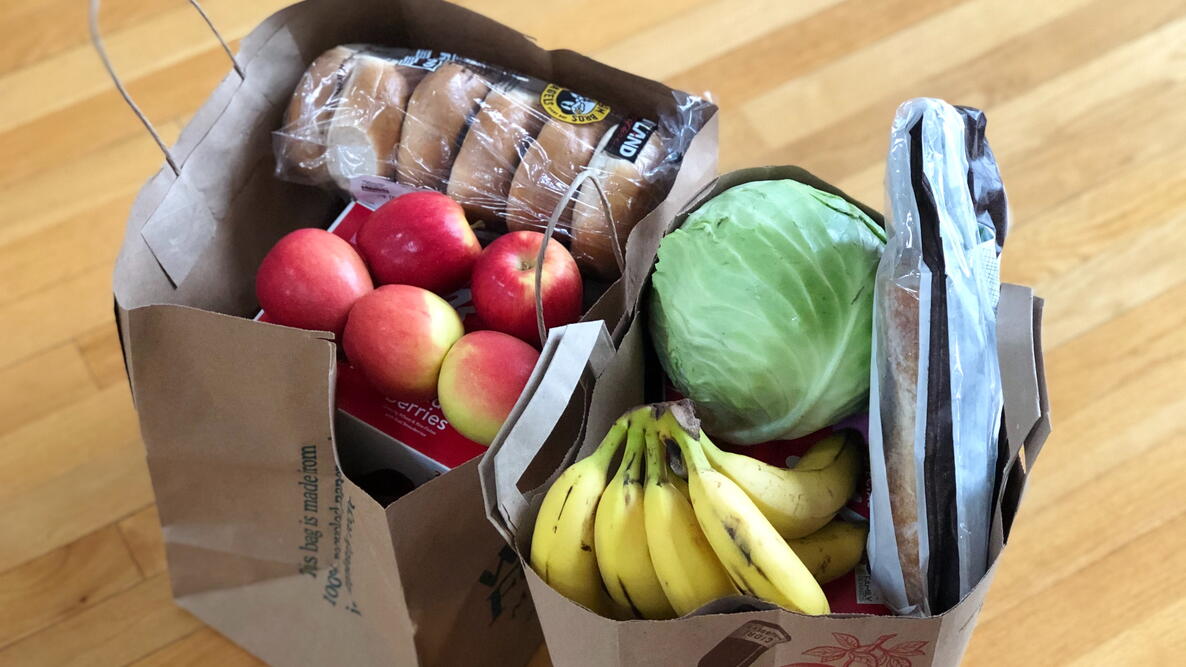
Groceries are one of the largest recurring expenses for most households, and without proper planning, monthly food costs can quickly get out of control. The good news is that saving money on groceries does not require extreme restrictions or sacrificing nutrition. With smart planning, better shopping habits, and a few strategic changes, you can significantly reduce your grocery bill every month.
This guide explains the best ways to save money on groceries every month using practical, realistic methods that work for families, students, and individuals alike.
Why Grocery Costs Add Up Quickly
Grocery spending often increases due to:
- Impulse buying
- Poor meal planning
- Brand loyalty without price comparison
- Frequent store visits
- Food waste
- Buying convenience foods
Even small habits can add up to large monthly expenses over time.
1. Create a Weekly Meal Plan
Meal planning is one of the most effective ways to control grocery spending.
Benefits:
- Reduces unnecessary purchases
- Prevents food waste
- Helps organize shopping lists
- Encourages home cooking
How to do it:
- Plan 5–7 meals per week
- Include repeat ingredients across meals
- Build meals around budget-friendly staples like rice, lentils, eggs, and vegetables
2. Always Shop with a List
Shopping without a list leads to impulse buying.
Tips:
- Write your list based on your meal plan
- Stick strictly to the list
- Avoid shopping when hungry
A disciplined list can reduce grocery spending by 10–30%.
3. Compare Prices Before Buying
Different stores often charge different prices for the same items.
Strategies:
- Check unit prices (price per kg or liter)
- Compare brands
- Look for store discounts or loyalty pricing
Small price differences add up over a month.
4. Buy in Bulk for Staples
Bulk buying can significantly reduce costs for frequently used items.
Best items to buy in bulk:
- Rice
- Flour
- Lentils
- Cooking oil
- Sugar
- Spices
Benefits:
- Lower cost per unit
- Fewer shopping trips
- Long-term savings
5. Choose Store Brands Instead of Premium Brands
Store brands often offer similar quality at lower prices.
Why it works:
- Lower marketing costs
- Same basic ingredients
- Often identical nutritional value
Switching from premium to store brands can save a noticeable amount monthly.
6. Reduce Food Waste
Wasted food is wasted money.
How to reduce waste:
- Store food properly
- Freeze leftovers
- Reuse ingredients creatively
- Track expiration dates
Even small reductions in waste can save a significant amount over time.
7. Buy Seasonal Fruits and Vegetables
Seasonal produce is cheaper and fresher.
Benefits:
- Lower prices
- Better taste
- Higher nutritional value
Avoid buying out-of-season produce unless necessary.
8. Cook at Home More Often
Eating out or ordering food increases grocery-related spending significantly.
Home cooking advantages:
- Lower cost per meal
- Healthier ingredients
- Better portion control
Even replacing a few restaurant meals per week can reduce monthly expenses.
9. Use Discounts, Coupons, and Loyalty Programs
Many stores offer savings opportunities.
Tips:
- Join supermarket loyalty programs
- Use digital coupons or apps
- Shop during sales events
But only use discounts for items you actually need.
10. Limit Processed and Packaged Foods
Pre-packaged foods are usually more expensive than raw ingredients.
Better alternatives:
- Fresh vegetables instead of frozen meals
- Homemade snacks instead of packaged ones
- Basic ingredients instead of ready-made meals
Cooking from scratch is usually more cost-effective.
11. Avoid Shopping Frequently
The more often you visit stores, the more you tend to spend.
Strategy:
- Shop once per week or every two weeks
- Stick to your planned list
- Avoid “quick trips” that lead to impulse buying
Fewer trips equal fewer unnecessary purchases.
12. Use Frozen Foods Smartly
Frozen fruits and vegetables can be cheaper and last longer.
Benefits:
- Reduced waste
- Lower prices during off-season
- Convenient meal preparation
They are a great alternative when fresh produce is expensive.
Grocery Saving Comparison Table
| Strategy | Savings Impact | Effort Level |
|---|---|---|
| Meal Planning | High | Medium |
| Shopping List | High | Easy |
| Bulk Buying | High | Medium |
| Store Brands | Medium | Easy |
| Reducing Waste | High | Medium |
| Cooking at Home | Very High | Medium |
| Coupons & Discounts | Medium | Easy |
Common Grocery Spending Mistakes
1. Shopping Without Planning
Leads to unnecessary purchases and overspending.
2. Ignoring Unit Prices
Buying smaller packages often costs more per unit.
3. Overbuying Perishable Items
Results in food waste and financial loss.
4. Buying Convenience Foods Too Often
Saves time but increases expenses significantly.
5. Not Tracking Spending
Without tracking, it is difficult to control budget leaks.
Simple Monthly Grocery Budget Plan
| Category | Budget Allocation |
|---|---|
| Staples (rice, flour, oil) | 40% |
| Fresh produce | 25% |
| Protein (eggs, meat, dairy) | 25% |
| Snacks & extras | 10% |
Adjust based on household size and needs.
Smart Shopping Habits for Long-Term Savings
Track Your Spending
Review grocery bills monthly to identify overspending areas.
Set a Fixed Budget
Decide your monthly limit and stick to it strictly.
Reuse Ingredients
Plan meals that share common ingredients to reduce waste.
Buy in Season
Adjust your diet based on seasonal availability.
Benefits of Saving Money on Groceries
- Increased monthly savings
- Reduced financial stress
- Healthier eating habits
- Better meal planning skills
- Less food waste
Small improvements in grocery habits can lead to long-term financial stability.
Conclusion
Learning the best ways to save money on groceries every month is about building smart habits rather than making extreme sacrifices. By planning meals, shopping with a list, buying in bulk, choosing store brands, and reducing waste, you can significantly cut your grocery expenses while still eating well.
Consistency is the key to success. Even small changes in your shopping behavior can lead to meaningful savings over time, helping you better manage your monthly budget and improve overall financial health.
Frequently Asked Questions (FAQs)
How can I reduce my monthly grocery bill?
You can reduce your grocery bill by meal planning, using shopping lists, buying in bulk, and avoiding food waste.
Is it cheaper to cook at home or eat out?
Cooking at home is almost always cheaper and healthier than eating out.
What is the best way to avoid overspending on groceries?
Stick to a fixed budget and always shop with a pre-planned list.
Are store brands as good as name brands?
In many cases, yes. Store brands often offer similar quality at a lower price.
How much should a family spend on groceries per month?
It depends on household size and location, but budgeting and tracking expenses helps determine a realistic amount.
Does buying in bulk really save money?
Yes, especially for non-perishable staples like rice, flour, and cooking oil.