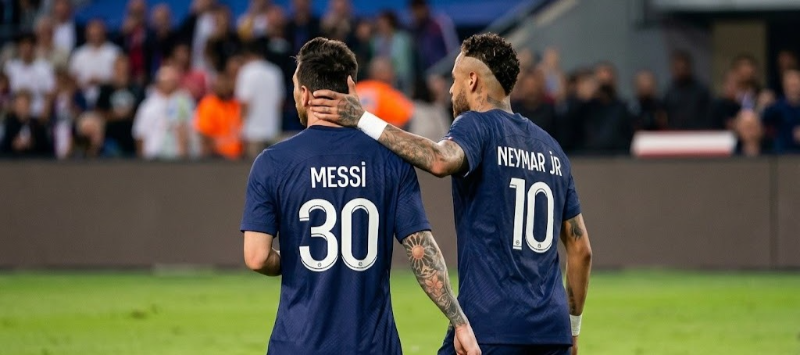
The confirmation of Lionel Messi and Neymar in their respective national squads has immediately become one of the defining storylines ahead of the FIFA World Cup 2026. For football supporters across the world, the Messi Neymar World Cup 2026 narrative represents more than a standard squad announcement. Instead, it reflects the continuation of an era that has shaped international football for nearly two decades.
As Argentina and Brazil prepare for another World Cup campaign, attention naturally turns toward two players whose careers have influenced the modern game at every level. Messi enters the tournament as the leader of the reigning world champions, while Neymar returns as one of Brazil’s most experienced attacking figures despite ongoing discussions surrounding his fitness.
Moreover, the significance of their inclusion extends beyond tactical considerations. The 2026 tournament arrives during a period of major transition in international football. Young stars continue to emerge throughout Europe and South America. However, global audiences remain deeply connected to legendary figures who have defined an entire generation.
Therefore, World Cup squad announcements involving Messi and Neymar immediately dominate headlines. Their presence strengthens expectations for Argentina and Brazil while simultaneously creating a powerful legacy narrative. Meanwhile, supporters anticipate the possibility of one final chapter in one of football’s most influential generations.
Official Confirmation of Messi and Neymar for World Cup 2026
Argentina and Brazil approached squad selection with different circumstances, yet both nations ultimately confirmed their biggest stars for the tournament. The announcements generated significant global attention because they reinforced the continued importance of experienced leaders within elite international football.
For Argentina, Messi remains the symbolic and tactical center of the squad. Despite being in the later stages of his career, his influence extends beyond statistics. He provides leadership, composure, and tournament experience that few players in football history can match.
Brazil’s decision to include Neymar also carried substantial significance. However, discussions surrounding his selection focused heavily on physical condition and injury management. Nevertheless, Brazilian coaches continue to view him as a player capable of changing matches through creativity and technical quality.
Several factors explain why these announcements dominated football news:
- Leadership experience in major tournaments
- Global popularity and commercial influence
- Historical rivalry between Argentina and Brazil
- Legacy implications for both players
- Potential final World Cup appearances
The FIFA World Cup 2026 squad structure allows teams to balance experience with emerging talent. Consequently, both South American giants appear focused on blending veteran leadership with younger stars capable of carrying the next generation.
Messi’s Role in Argentina’s 2026 Campaign
Messi’s importance to Argentina extends far beyond goals and assists. Since guiding the nation to success in Qatar 2022, he has become the defining figure of Argentina’s modern football identity.
His ability to influence matches remains exceptional because he understands tournament football better than almost any active player. Moreover, Argentina’s coaching staff has adapted tactical systems to maximize his strengths while reducing physical demands.
The reigning champions continue to build around a core group that understands high-pressure international competition. As a result, Messi’s leadership remains crucial in knockout situations where experience often determines outcomes.
Several elements define his role:
- Creative playmaking responsibilities
- Leadership during difficult moments
- Mentorship of younger squad members
- Match tempo control
- Tactical decision-making influence
Furthermore, Argentina’s coaching staff carefully manages his workload. Physical preservation has become increasingly important because the tournament schedule places significant demands on veteran players.
The team’s title defense ambitions also depend on maintaining balance around Messi. Younger midfielders and attackers provide energy and pressing intensity, while Messi supplies vision, composure, and decisive moments. Therefore, his continued presence remains essential to Argentina’s overall strategy.
| Player | Team | Role | Experience Level | Key Concern |
|---|---|---|---|---|
| Lionel Messi | Argentina | Captain & Playmaker | Elite Veteran | Workload Management |
| Neymar | Brazil | Senior Attacker | Elite Veteran | Injury Recovery |
| Lautaro Martinez | Argentina | Forward | Experienced International | Consistency |
| Vinicius Junior | Brazil | Attacking Leader | Prime Years | Leadership Transition |
Neymar’s Position in Brazil’s World Cup Squad
Neymar enters the tournament under different circumstances. Unlike Messi, discussions surrounding his World Cup involvement frequently focus on fitness and physical readiness.
Injuries have interrupted portions of his recent career. Consequently, Brazil faces the challenge of maximizing his quality while protecting him from excessive physical demands. Nevertheless, his technical ability remains among the best in international football.
Brazil possesses one of the deepest attacking groups in the competition. Young talents continue to emerge from both domestic and European leagues. However, Neymar’s experience provides unique value that cannot easily be replaced.
His responsibilities include:
- Creating chances in advanced areas
- Guiding younger attackers
- Managing pressure situations
- Providing tactical flexibility
- Delivering leadership during knockout matches
Additionally, expectations remain extremely high within Brazil. Supporters view the World Cup as the ultimate measure of success, and Neymar continues to carry significant symbolic importance within the national team.
Competition from younger stars creates an interesting dynamic. On the other hand, that competition may actually benefit Brazil by reducing the burden placed on Neymar. Instead of carrying every attacking responsibility, he can operate within a more balanced structure.
Argentina vs Brazil: The Rivalry Renewed
Few rivalries in world sport generate the same level of attention as Argentina versus Brazil. The relationship extends beyond football and represents decades of competition between South America’s most successful football nations.
The presence of Messi and Neymar adds another dimension to this rivalry. Both players have defined an era while representing nations with immense football traditions. Therefore, every meeting between the two sides carries enormous significance.
Historically, Argentina and Brazil have approached the game differently. Argentina often emphasizes tactical organization and collective structure. Brazil traditionally embraces creativity, attacking freedom, and technical expression.
Several factors elevate the rivalry:
- Multiple World Cup titles
- Global fan engagement
- Elite player development histories
- Cultural football identities
- Legacy-defining encounters
Moreover, the possibility of a World Cup meeting creates enormous anticipation. Supporters understand that matches between these nations frequently influence tournament narratives and historical legacies.
Consequently, Messi versus Neymar remains one of football’s most recognizable international storylines.
The Generational Shift in World Football
One of the most important themes surrounding World Cup 2026 involves generational change. Football is entering a new phase where younger stars increasingly shape the competitive landscape.
Players emerging from Europe and South America now occupy leadership positions previously held by veterans. Additionally, modern football places greater emphasis on athletic intensity, pressing systems, and rapid transitions.
This evolution creates challenges for older players. However, experience remains valuable because international tournaments require emotional control and decision-making under pressure.
The modern game increasingly rewards:
- High-intensity pressing
- Positional flexibility
- Physical endurance
- Tactical adaptability
- Rapid transitions
As a result, players such as Messi and Neymar must continuously adapt. Their intelligence and technical quality allow them to remain influential despite changing tactical demands.
| Era | Star Players | Playing Style | Physical Demand | World Cup Expectation |
| 2006–2014 | Messi, Ronaldo, Xavi, Iniesta | Possession Dominant | Moderate | Individual Brilliance |
| 2014–2022 | Messi, Neymar, Modric, Mbappe | Hybrid Systems | High | Tactical Balance |
| 2026 and Beyond | Emerging Global Stars | High-Press Dynamic Football | Very High | Complete Athletic Performance |
The transition is already visible. Nevertheless, veteran players continue to demonstrate that football intelligence remains a decisive advantage.
Fitness, Form, and Longevity Concerns
Longevity has become one of the defining topics surrounding elite athletes. Advances in sports science have extended careers, yet international tournaments remain physically demanding.
Messi and Neymar represent two different examples of career management. Messi has increasingly focused on workload control and strategic match participation. Neymar, meanwhile, has worked through recurring injury concerns while attempting to maintain elite performance levels.
Several challenges influence veteran players:
- Recovery speed
- Injury prevention
- Match congestion
- Travel demands
- Tournament intensity
Consequently, coaching staffs now rely heavily on medical monitoring and performance analytics. Squad rotation strategies have become essential rather than optional.
Moreover, World Cup success increasingly depends on maintaining player availability throughout the tournament. Even the most talented squads struggle when key players face fitness limitations.
Therefore, physical management may prove just as important as tactical preparation for both Argentina and Brazil.
What Messi and Neymar Mean for World Cup 2026?
The influence of Messi and Neymar extends far beyond football tactics. Their presence elevates the commercial, cultural, and emotional significance of the tournament.
Global audiences recognize both players instantly. Furthermore, sponsors, broadcasters, and tournament organizers understand their ability to attract worldwide attention.
Their impact includes:
- Global television audiences
- International marketing value
- Leadership within national squads
- Cultural influence across generations
- Historical continuity for fans
As a result, their participation benefits the tournament itself. New supporters connect with emerging stars, while longtime fans remain invested through familiar football icons.
Additionally, World Cup 2026 may represent a legacy-defining opportunity. Every performance will inevitably be viewed through the lens of historical achievement.
Consequently, expectations remain exceptionally high despite the natural challenges associated with age and longevity.
The Future After 2026
Discussion about football’s future increasingly centers on what comes after the current generation of superstars. Messi and Neymar have influenced tactics, marketing, fan culture, and global engagement for many years.
Following the tournament, retirement discussions will likely intensify. However, both figures are expected to remain connected to football regardless of playing status.
Potential future roles include:
- Coaching pathways
- National team ambassador positions
- Football development initiatives
- Media and analysis work
- Global sporting leadership
Meanwhile, younger players continue positioning themselves as football’s next global icons. New stars will inherit the spotlight, yet comparisons with previous generations will remain inevitable.
Therefore, the transition period following 2026 may become one of football’s most fascinating developments.
Unique Insight: More Than Squad Announcements
The Messi Neymar World Cup 2026 story represents far more than two names appearing on squad lists.
In many ways, it symbolizes the final chapter of a football generation that transformed the sport globally. Fans have followed these players for nearly two decades. Consequently, emotional attachment now plays a major role in how modern audiences experience international football.
Moreover, legacy increasingly matters alongside performance. Supporters no longer evaluate players exclusively through statistics and trophies. They also consider influence, longevity, leadership, and cultural significance.
The 2026 World Cup may therefore serve as a symbolic turning point. Emerging stars continue to reshape football’s future. However, the presence of Messi and Neymar ensures that the sport’s recent history remains connected to its next chapter.
As a result, their participation elevates the tournament beyond competition alone. It becomes a reflection of football’s evolution across generations.
Conclusion
The confirmation of Messi and Neymar for the FIFA World Cup 2026 strengthens one of the tournament’s most compelling narratives. Argentina enters the competition with ambitions of defending its title, while Brazil seeks to reclaim global dominance.
Messi continues to provide leadership, experience, and tactical influence for Argentina. Meanwhile, Neymar remains an important figure within Brazil’s evolving squad despite ongoing fitness discussions.
Furthermore, their participation highlights the broader transformation occurring within international football. Young stars are emerging rapidly, yet legendary players continue to shape the sport’s biggest moments.
Therefore, World Cup 2026 will not simply determine a champion. It may also define the closing chapter of one of football’s greatest generations.
Are Messi and Neymar playing in World Cup 2026?
Yes. Both Lionel Messi and Neymar have been included in their respective national team squads for the FIFA World Cup 2026.
What teams are Messi and Neymar representing?
Messi represents Argentina, while Neymar represents Brazil.
Is this Messi’s last World Cup?
Many analysts believe World Cup 2026 could be Messi’s final tournament, although no official retirement announcement has been made.
Will Neymar be fully fit for the tournament?
Brazil continues to manage Neymar’s fitness carefully. His condition remains a major talking point heading into the competition.
How many World Cups has Messi played?
World Cup 2026 marks Messi’s sixth World Cup appearance.
What is Neymar’s role in Brazil’s squad?
Neymar serves as a senior attacking leader, creator, and experienced presence within Brazil’s squad.
Who are the key rivals in World Cup 2026?
Argentina, Brazil, France, England, Spain, Germany, and Portugal are among the major contenders.
How does age affect their performance?
Age can impact recovery speed and physical intensity. However, experience and football intelligence often compensate for these challenges.
Who are the rising stars in the tournament?
Several emerging players from Europe and South America are expected to play significant roles during World Cup 2026.
What is the significance of their participation?
Their involvement symbolizes the continuation of a historic football generation while highlighting the transition toward future global stars.