This Fifa World Cup feels different. Robot dogs are patrolling stadium concourses in Dallas. The match ball has a sensor inside it feeding live data to referees. Forty-eight nations, three host countries, and more technology running behind the scenes than any tournament before it.
Football has always borrowed from tech. In 2026 the borrowing got serious.
What Is the Trionda Ball and What Makes It Special?
The Adidas Trionda — official match ball of the 2026 FIFA World Cup.
The Trionda is the official match ball for World Cup 2026, made by Adidas with a built-in sensor that sends real-time data to match officials. The name comes from Spanish—”Tri” means “three,” and “Onda” means “wave.” Three waves for three host nations.
The design tells that story visually. Red panels for Canada. Green for Mexico. Blue for the United States. Gold detailing runs across the surface as a nod to the World Cup trophy itself.
But the looks are not why people are paying attention to it.
What Makes the Trionda Ball Different From Previous World Cup Balls?
Older World Cup balls had up to 32 panels. The Trionda cuts that down to four. Fewer panels, deeper seams, more stable flight. Fewer panels mean deeper seams. Deeper seams mean more stable flight. The knuckleball effect that made life miserable for goalkeepers at previous tournaments is significantly reduced.
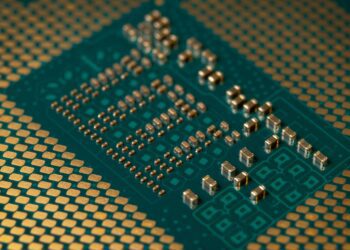
Inside one of those four panels sits a 500Hz motion sensor chip, developed with Munich-based tech firm Kinexon. The sensor sends real-time ball movement data directly to the VAR system. High-speed cameras installed across every venue feed player-tracking data into the same system. Put them together, and officials get a live 3D model of every match, updated around 50 times per second.
Offside calls. Handball incidents. Touches in crowded penalty areas. All of it becomes faster and more precise because the ball is talking to the referee in real time.
Adidas calls it Connected Ball Technology. They tested earlier versions at Qatar 2022. The 2026 version is faster, more accurate, and better positioned inside the ball to preserve flight stability.
The retail version costs $170. The sensor system inside match-day balls does not come with the consumer version.
What Are the Robot Dogs Actually Doing at the World Cup?
Boston Dynamics’ Spot robot on security patrol at a FIFA World Cup 2026
Boston Dynamics sent four Spot robots to World Cup venues. Two landed in Dallas at the International Broadcast Center. The other two went to MetLife Stadium in New Jersey. Hyundai owns Boston Dynamics—bought them in 2021 — and holds the title of FIFA’s Official Robotics Partner this summer.
Each one is loaded up with 360-degree cameras, thermal sensors, acoustic pickups, and AI anomaly detection built in. Each robot patrols its assigned area and sends live footage back to the security team watching from a control room. Anything that looks off gets flagged for officers to check out. They do not act independently.
A video went viral showing one appearing to scan people’s faces as they walked past. Boston Dynamics addressed it directly — the robots deployed at World Cup venues do not have facial recognition capabilities. They detect objects and hazards only.
What Other Tech Is Running at World Cup 2026?
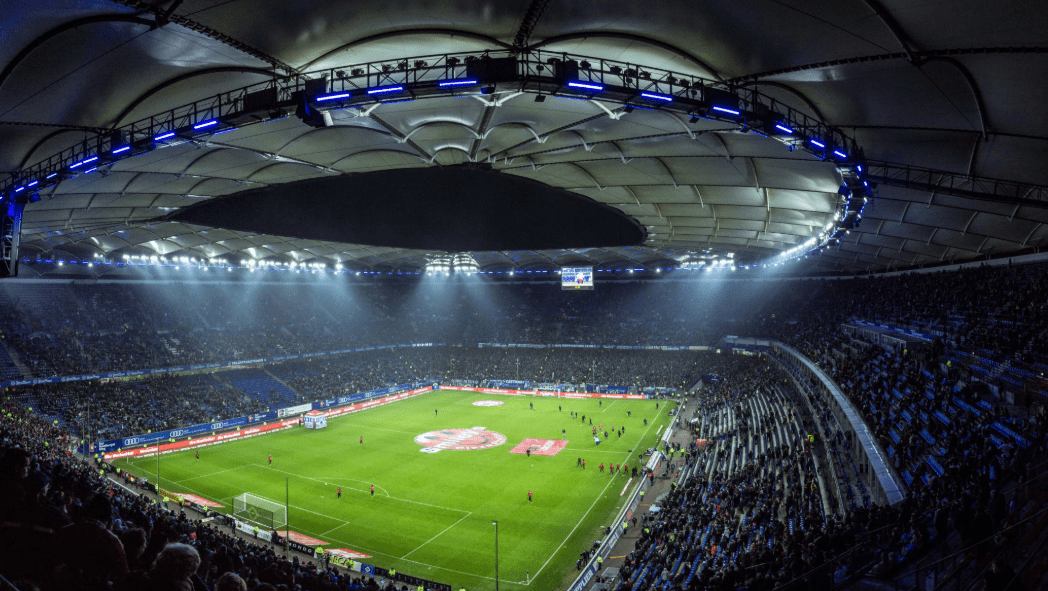
Thousands of AI-powered cameras cover all 16 venues, feeding into the same player-tracking system that works with the Trionda data. Net-shooting drones protect airspace near stadiums and fan zones. The federal government put $250 million toward counter-drone infrastructure across US host cities.
Semi-Automated Offside Technology runs faster in 2026 because the Trionda ball data feeds directly into it. The gap between a flag going up and a final decision should shrink noticeably compared to Qatar 2022.
The broadcast infrastructure was rebuilt from scratch to handle 104 matches across three countries simultaneously. A scale that required systems that simply did not exist before this tournament. From group stage matchdays through to the knockout rounds, all world cup 2026 groups and fixtures are tracked live at toolsmart.ai/2026-fifa-world-cup/, where scores, standings, and results update after every match.
Does Any of This Actually Make Football Better?
For officials, faster VAR decisions mean less dead time. Three-minute offside reviews frustrated fans in Qatar. The Trionda’s real-time data should cut that significantly.
Players get a ball that holds its shape and trajectory whether they are playing in Miami or Seattle. At this level, predictable ball behavior is not a luxury.
Inside the stadium, the robot dogs are hard to miss. Some fans find them reassuring. Others find them deeply strange. Both reactions make sense.
Watching from home, the biggest win is faster VAR. Less waiting around. Cleaner explanations. More football, less dead air.
How Did All This Come Together for 2026?
Adidas did not build this from scratch. Connected Ball Technology was already running at Qatar 2022 in an earlier form. The 2026 edition addresses what the Qatar version got wrong. Moving the sensor from the center to the side of the ball keeps the flight path cleaner without losing any of the tracking accuracy.
Hyundai’s FIFA partnership goes back to 1999. For most of those years it meant supplying vehicles for tournament operations. Twenty-six years later the relationship looks very different.
Spot was designed for messy, unpredictable real-world conditions. A packed stadium and a round-the-clock broadcast facility are exactly the kind of environments it was built for.
Every match and result from all 16 venues is tracked live at the 2026 fifa world cup as the tournament runs.
Will This Technology Stay After 2026?
If the Trionda data genuinely speeds up VAR and reduces controversy over 39 days, FIFA will push it further. Every future tournament ball will carry a sensor. Every stadium will need the camera infrastructure to make it work.
The robot dogs are a different kind of test. This is Spot’s biggest public-facing deployment at a sporting event. If it works cleanly, expect to see it at the Olympics and major events within five years.
Follow every game from the group stage to the Final at the World Cup 2026 dashboard—all 104 matches tracked live.
Conclusion
One ball. Four panels. A sensor inside is feeding live data to the officials. Four robot dogs are walking stadium perimeters. Thousands of AI cameras watching everything at once. Net-shooting drones overhead.
The 2026 World Cup is the most technologically complex sporting event ever staged. Whether it makes football better is a question the next 39 days will answer.
FAQ
What is the Trionda ball used at the Fifa World Cup 2026?
Trionda is the official 2026 World Cup match ball by Adidas. It has four panels and a 500Hz motion sensor that sends real-time data to VAR for faster officiating decisions.
Why does the Trionda only have four panels?
Four panels with deep seams create a more stable, predictable flight path. Previous balls had up to 32 panels, which contributed to unpredictable movement. Fewer panels means more consistent ball behavior in all conditions.
What are the Boston Dynamics robot dogs doing at the World Cup?
Four Spot robots patrol World Cup venues — two in Dallas at the International Broadcast Center and two at MetLife Stadium in New Jersey. They detect suspicious objects and alert human security teams.
Do the robot dogs scan faces at the World Cup?
Boston Dynamics stated clearly that the Spot units at World Cup venues carry no facial recognition technology. They detect objects and hazards only.
What other technology is new at World Cup 2026?
AI cameras cover all 16 venues, counter-drone systems protect stadium airspace, and Semi-Automated Offside Technology runs faster thanks to Trionda ball data feeding directly into it.