The fascination surrounding the world’s most exclusive clubs comes from more than luxury surroundings, private dining rooms, or impressive guest lists. These institutions represent a deeper form of modern influence, where relationships, reputation, and access often matter more than visible displays of wealth. From entrepreneurs and investors to celebrities, royalty, and cultural leaders, membership in elite communities has become a powerful symbol of social capital.
Across global cities, private members clubs and elite social clubs have transformed into carefully curated ecosystems where opportunity flows through trusted networks. The rise of luxury networking clubs and invitation-only clubs reflects a shift in luxury culture: the wealthy increasingly seek meaningful connections, privacy, and experiences that cannot simply be purchased by anyone.
The world’s most exclusive clubs operate at the intersection of hospitality, influence, and business. They create environments where conversations can lead to partnerships, investments, friendships, and cultural movements. While these clubs were once associated mainly with tradition and prestige, today they represent a new model of access-driven luxury, where proximity to influential people has become one of the most valuable assets in global society.
The Evolution of Elite Private Club Culture
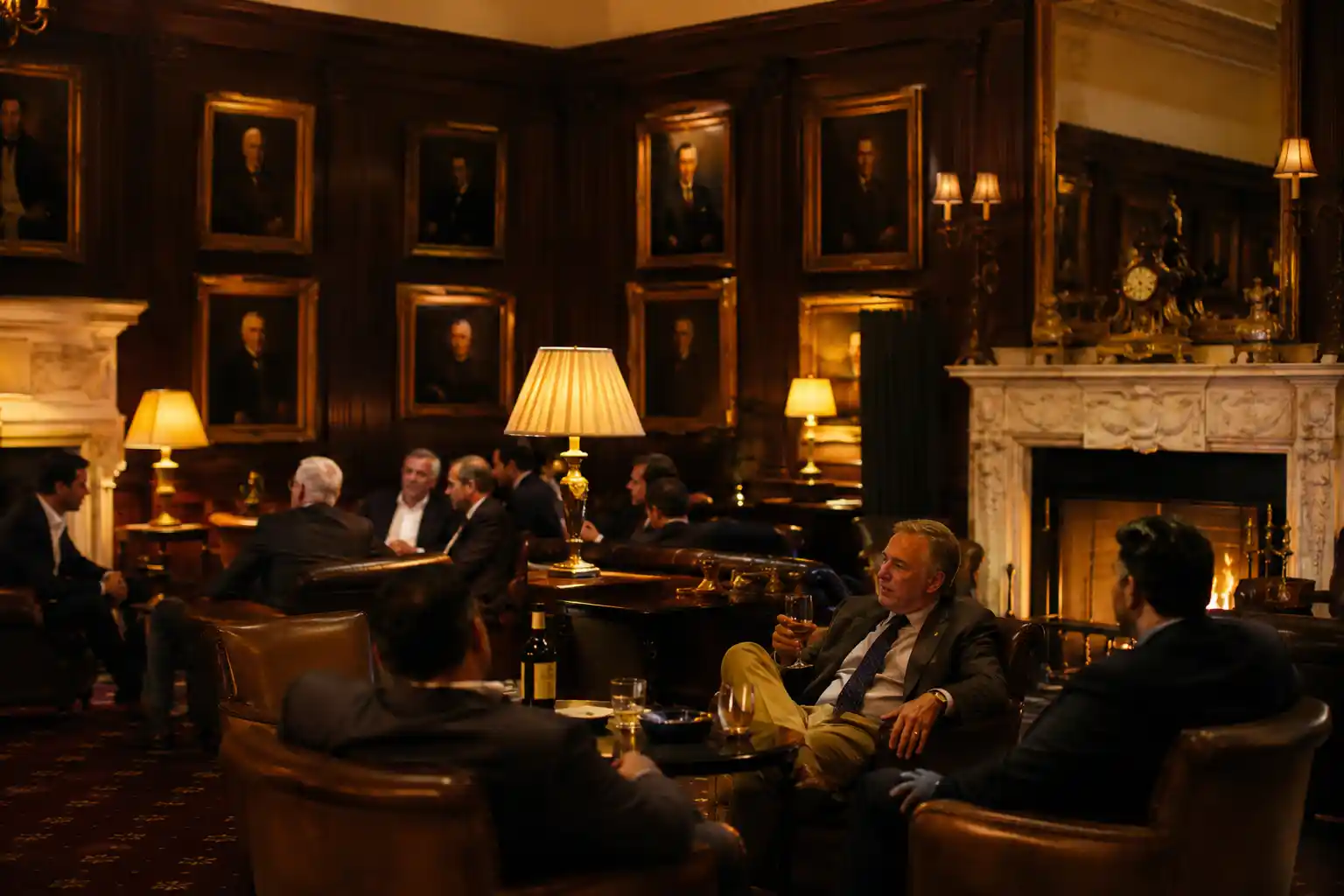
Private club culture has existed for centuries, beginning with traditional gentlemen’s clubs in cities such as London, where membership represented heritage, professional achievement, and social standing. Historically, these institutions offered a private retreat for political figures, business leaders, artists, and aristocrats.
However, modern private clubs have evolved far beyond their historical roots. Today, they function as lifestyle platforms combining hospitality, networking, entertainment, wellness, dining, and professional collaboration. The modern member is not only looking for a place to relax but also a community that provides access to ideas, talent, and opportunity.
This transformation reflects broader changes in luxury consumption. Wealthy individuals increasingly value experiences over possessions. A rare watch, luxury vehicle, or expensive property can demonstrate success, but access to an influential community can create new possibilities. As a result, prestige membership clubs now compete by offering something more valuable than physical assets: carefully controlled environments filled with ambitious and connected people.
Global brands have also recognized this demand. The expansion of private club concepts in major cities demonstrates how luxury hospitality has merged with networking culture. Membership is no longer simply about entering a building; it is about joining an ecosystem.
What It Really Takes to Join the World’s Most Exclusive Clubs?
Gaining entry into the world’s most exclusive clubs often requires more than financial ability. Although membership fees can be significant, money alone rarely guarantees acceptance. Many clubs focus on reputation, professional achievements, personal values, and the quality of contribution a member can bring to the community.
The selection process often involves a combination of:
- Personal recommendations from existing members
- Professional reputation and achievements
- Cultural influence or creative contribution
- Alignment with the club’s identity and values
- Ability to contribute positively to the community
The most prestigious clubs understand that exclusivity depends on maintaining the quality of their membership. If anyone can easily join, the social value decreases. Therefore, clubs carefully manage growth to protect their atmosphere, privacy, and reputation.
For ultra wealthy networking, the appeal is not simply being surrounded by wealthy individuals. The real attraction lies in entering a trusted environment where members already share ambition, influence, and access to opportunities.
How Membership Screening and Selection Works?
Behind every prestigious private club is a carefully designed screening system. Some organizations operate through formal applications, while others rely heavily on nominations and private recommendations.
Invitation-only clubs often maintain committees or membership teams responsible for evaluating potential members. They consider whether an individual fits the culture of the club and whether their presence enhances the community.
Waiting lists are also a major part of exclusivity economics. A limited membership base creates scarcity, and scarcity increases perceived value. Similar to luxury brands that limit production, private clubs protect demand by controlling access.
The process may include:
- Application reviews and interviews
- Member sponsorship or nominations
- Background and reputation checks
- Evaluation of social and professional influence
This approach creates a sense of belonging that differs from ordinary hospitality. Members are not simply customers; they become part of a carefully assembled network.
Inside the World’s Most Influential Private Clubs
Around the world, several institutions have become symbols of elite social culture. Each club has a different philosophy, attracting different types of influential members.
| Club | Membership Style | Clientele | Reputation |
|---|---|---|---|
| Annabel’s (London) | Highly selective private membership with strong emphasis on personal recommendations | Entrepreneurs, celebrities, royalty, investors, global high society | One of London’s most glamorous and prestigious private clubs |
| The Arts Club (London) | Traditional cultural membership model focused on creativity and achievement | Artists, business leaders, writers, actors, cultural figures | Historic institution blending arts, business, and social influence |
| Core Club (New York) | Curated membership built around networking and intellectual exchange | Entrepreneurs, investors, executives, innovators | Known as a modern hub for influential professionals |
| Soho House (Global) | Creative community membership model across international locations | Media professionals, artists, entrepreneurs, cultural leaders | A global example of modern private club culture |
Annabel’s represents the classic image of luxury social membership. Its reputation comes from a combination of heritage, exceptional hospitality, and a carefully controlled guest community. The club attracts international figures from entertainment, business, and high society.
The Arts Club reflects a different form of prestige. Rather than focusing only on wealth, it emphasizes creativity, cultural contribution, and intellectual exchange. Its membership demonstrates how influence can come from artistic achievement as much as financial success.
Core Club represents the modern networking-driven model. It has become associated with entrepreneurs, investors, and leaders seeking meaningful professional relationships in a private setting.
Soho House has changed the perception of private membership by building a worldwide creative network. Its model focuses on community, design, hospitality, and shared identity rather than traditional elite hierarchy.
Together, these clubs demonstrate that exclusivity can take different forms. Some protect centuries of tradition, while others create new models based on creativity, innovation, and global connectivity.
Why Wealthy Individuals Value Club Membership?
The appeal of elite social clubs extends far beyond luxury facilities. Wealthy individuals join because relationships can become valuable long-term assets.
A private club creates opportunities that rarely happen in public environments. A casual conversation over dinner can introduce an investor to a founder, connect a creative leader with a brand, or create a partnership between international executives.
The major advantages include:
- Access to trusted professional networks
- Private environments for business discussions
- Exposure to influential ideas and emerging trends
- Exclusive experiences unavailable to general audiences
Modern wealth creation increasingly depends on networks. Capital, knowledge, and opportunities often move through relationships. Therefore, club membership becomes a strategic investment in social access.
Traditional Elite Clubs vs Modern Private Communities
Traditional high society clubs and newer private communities share the same foundation: exclusivity. However, their purpose and culture have changed significantly.
Older institutions often emphasized heritage, tradition, and social status. Modern clubs focus more on collaboration, creativity, and global connections.
| Factor | Traditional Elite Clubs | Modern Private Clubs |
| Core Value | Heritage and social prestige | Access, community, and networking |
| Membership Focus | Reputation and tradition | Shared interests and influence |
| Main Attraction | Status and exclusivity | Relationships and opportunities |
| Experience | Formal and established | Flexible, lifestyle-focused, global |
| Member Identity | Social standing | Contribution and connection |
This shift reflects the changing definition of luxury. Today’s affluent consumers often prefer belonging to a meaningful community rather than simply owning expensive products.
The Economics of Exclusivity
Exclusivity creates value because scarcity influences perception. Private clubs carefully manage their membership numbers because unlimited access would reduce their appeal.
The economics behind these organizations combine several elements:
- Controlled membership growth
- High-quality hospitality experiences
- Strong brand reputation
- Valuable member networks
A successful club creates a cycle: respected members attract more respected members, which increases the club’s influence and demand.
Luxury brands increasingly understand this principle. The future of premium experiences is moving toward personalization, privacy, and curated access. This explains why billionaire clubs and prestige membership clubs continue to attract attention from global wealth communities.
The Future of Private Club Culture
The next generation of private clubs will likely focus even more on global communities, technology, wellness, and specialized interests. Instead of serving only as social gathering places, clubs are becoming complete lifestyle ecosystems.
Future trends include:
- International membership networks
- Private investment communities
- Wellness and lifestyle experiences
- Industry-specific professional groups
As cities become more connected, influential individuals increasingly seek spaces where trust already exists. The strongest clubs will not simply provide luxury; they will provide belonging.
Unique Insight: Why Access Has Become the New Luxury?
The greatest value of the world’s most exclusive clubs is no longer the building, the décor, or even the service. The real asset is access.
Relationships become assets because trusted connections can create opportunities over time. Social capital compounds when individuals remain connected to ambitious, influential communities.
Private networks often outperform public access because members operate within environments built on trust and shared standards. Influence becomes more valuable than visibility, and curated communities become opportunity ecosystems.
Modern exclusivity is therefore less about showing wealth and more about gaining proximity to people, ideas, and possibilities. The future of luxury belongs to those who can access the right conversations at the right time.
Frequently Asked Questions
What are the world’s most exclusive clubs?
The world’s most exclusive clubs include institutions such as Annabel’s, The Arts Club, Core Club, and Soho House. They are recognized for selective membership systems, influential communities, and exceptional experiences.
How do private members clubs choose members?
Private members clubs usually evaluate applicants through recommendations, interviews, reputation checks, and alignment with the club’s culture.
Are elite social clubs invitation-only?
Many elite social clubs operate through invitation systems or require sponsorship from existing members, although some accept formal applications.
How much does membership cost at exclusive clubs?
Costs vary widely depending on the club, location, and membership level. Some require annual fees, while others also involve joining fees.
Why do billionaires join private clubs?
Billionaires and other influential individuals often join because clubs provide trusted networks, privacy, and opportunities for relationships that support business and personal growth.
What is the difference between traditional and modern private clubs?
Traditional clubs emphasize heritage and status, while modern clubs focus more on community, creativity, networking, and lifestyle experiences.
Can anyone apply to exclusive club memberships?
Some clubs allow applications, but acceptance depends on selection criteria and membership availability.
Which cities have the most prestigious clubs?
London, New York, Los Angeles, Paris, and other global luxury centers are known for influential private clubs.
Are luxury networking clubs worth the cost?
For individuals who value relationships, access, and professional connections, luxury networking clubs can provide significant long-term value.
What does it take to join the world’s most exclusive clubs?
Joining the world’s most exclusive clubs usually requires reputation, recommendation, cultural or professional influence, and the ability to contribute to the community.