Collecting fine art, rare watches, and high-end jewelry brings real satisfaction. Holding onto valuable physical assets requires thoughtful planning to keep them protected from theft, damage, and everyday wear. Proper care maintains item condition and protects personal wealth over long periods. Private collectors need smart tactics to preserve their investments. Simple upgrades to physical protection can prevent massive financial losses. Developing a practical storage plan keeps precious items safe across decades.
Building a Layered Defense Strategy
Protecting high-value items works best when multiple security measures function together. A security analysis from Garda highlights that a layered security strategy guarantees backup protection if one defensive measure fails. Combining physical barriers, automated alarms, and round-the-clock surveillance creates multiple obstacles for potential intruders.
Intruders usually look for simple entry points and fast exits. Upgrading exterior doors, adding motion sensors, and tracking access points reduces vulnerability significantly. Stacking different defensive tools keeps valuable collections far safer than relying on a single lock or basic alarm system.
Layered protection works equally well for small personal items and large collections. Physical security hardware paired with digital monitoring gives property owners rapid alerts during unusual events. Taking proactive steps discourages unauthorized access before problems start.
Finding Secure Offsite Solutions
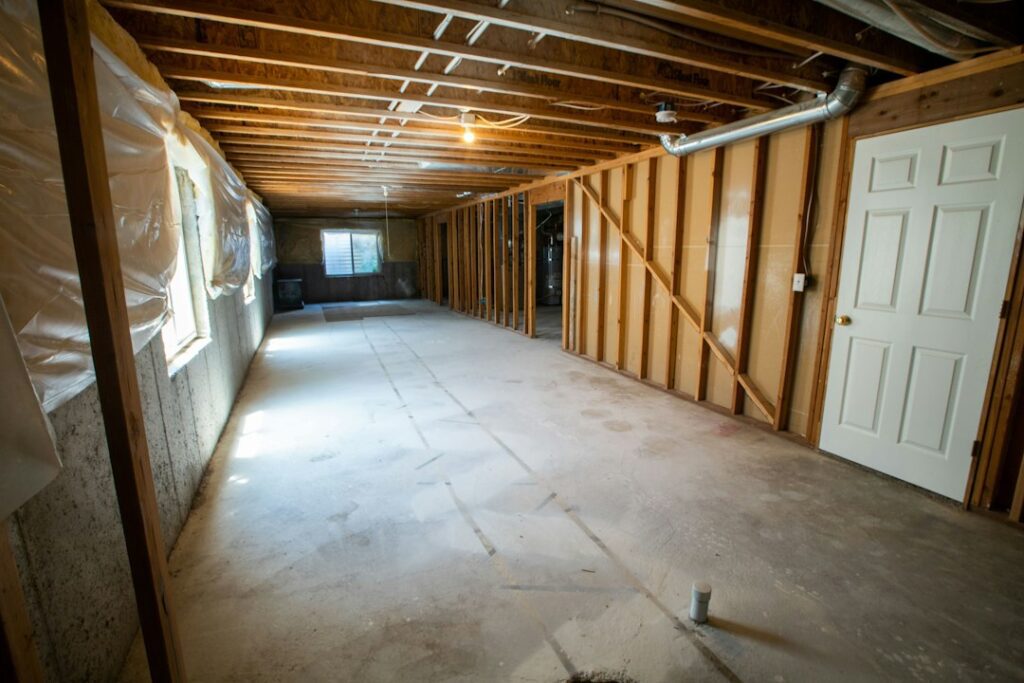
Home safes often run out of room as personal collections grow bigger. Renting space with KeepSafe Storage in Perth provides a clean environment with around-the-clock monitoring. Offsite storage units offer extra square footage without cluttering living rooms.
Dedicated facilities feature robust perimeter fencing, electronic gates, and individual unit alarms. Storing pieces away from home lowers the threat of home robbery. Choosing specialized offsite units helps collectors scale their storage capacity with complete peace of mind.
Climate Controls and Temperature Stability
Environmental exposure can quietly ruin delicate physical assets over months and years. Insights from Fortius suggest maintaining temperatures between 20 °C and 22 °C, with relative humidity set at 50% to 60%, following recommendations from the Canadian Conservation Institute. Keeping these exact ranges prevents material degradation in delicate items.
Managing Delicate Collectibles
Fine art demands strict climate regulation to stop permanent canvas warping or paint cracking. Vault Insurance notes that storing fine art in climate-controlled environments prevents damage caused by sudden temperature and humidity changes. Consistent airflow and stable humidity levels shield rare paintings from mold growth and structural decay.
Extreme heat or excess moisture can compromise vintage paper, textiles, and fine leather goods. Professional climate systems run continuously to stabilize interior air quality. Investing in active climate management prevents irreversible damage to fragile assets.
Securing Items Inside the Home

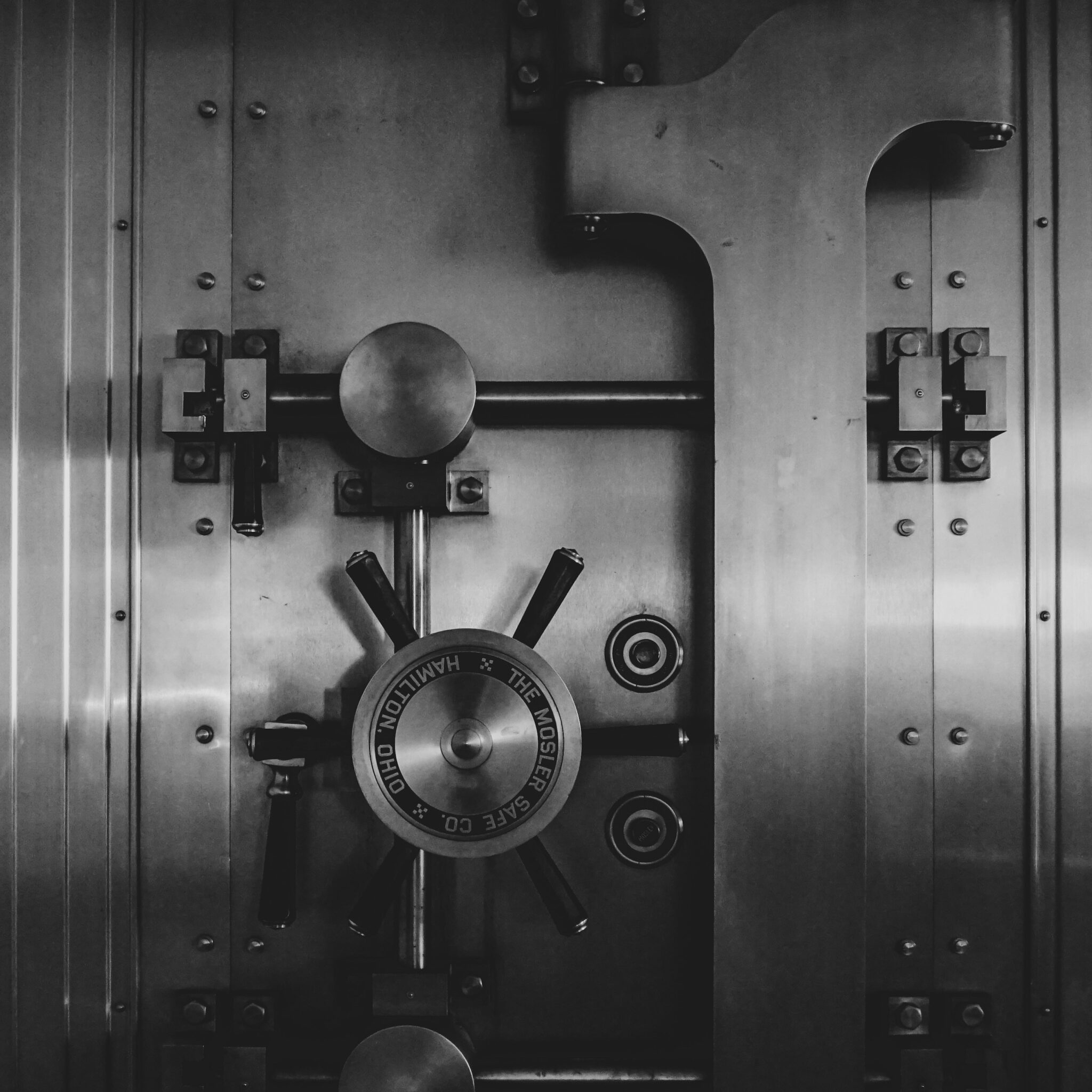
Many collectors prefer keeping select pieces within easy reach at home. Experts recommend using a fire-resistant, high-end safe or vault equipped with a robust locking mechanism for residence storage. Heavy safes anchored directly to solid flooring offer high defense against home burglaries and accidental fire damage.
Organizing items inside a home safe or private unit requires strategic placement. A practical guide by Honey Store It advises placing valuable items toward the back of the unit to reduce visibility and limit fast access. Storing top pieces deep inside the space prevents quick grabs during sudden breaches.
Smart home storage practices require clear rules:
- Bolt heavy safes directly into concrete foundations.
- Keep access codes strictly private from guests.
- Position safes away from main entryways.
- Inspect locking mechanisms every year for smooth operation.
Value Preservation and Asset Liquidity
Physical condition dictates market performance when selling or leveraging rare collectibles. Research published by MOMAA indicates that condition quality causes price differences of 50% to 300% between comparable art pieces, making proper storage crucial for value preservation. Keeping items in mint condition protects long-term market interest.
Luxury pieces serve as flexible financial assets beyond simple home display. A report by Beverly Loan revealed that watches accounted for 45% of same-day collateral loans, surpassing jewelry thanks to standardized market data. Proper preservation keeps high-end timepieces ready for quick valuation if immediate liquidity becomes necessary.
Maintaining original boxes, certificates, and purchase records alongside stored assets supports market value. Documenting provenance simplifies appraisal processes and increases buyer trust during future sales.
Specialized Insurance and Financial Coverage
Standard home insurance policies rarely cover the full value of high-tier items. A financial guide from Tempo explains that securing a separate valuable articles rider provides specific, itemized protection for top-tier possessions. Scheduling each item individually eliminates coverage gaps in case of theft or damage.
Regular appraisals keep insurance policies updated with real market values. Appraising items every two years helps owners maintain accurate coverage limits as asset values appreciate. Updated documentation simplifies claims if loss occurs.
Managing luxury assets demands consistent attention to security, storage conditions, and proper financial coverage. Combining strong physical security with stable climate controls protects physical items against environmental wear and theft. Clear planning helps owners enjoy their collections with total peace of mind. Taking smart steps today guarantees that valuable items stay safe for future generations.