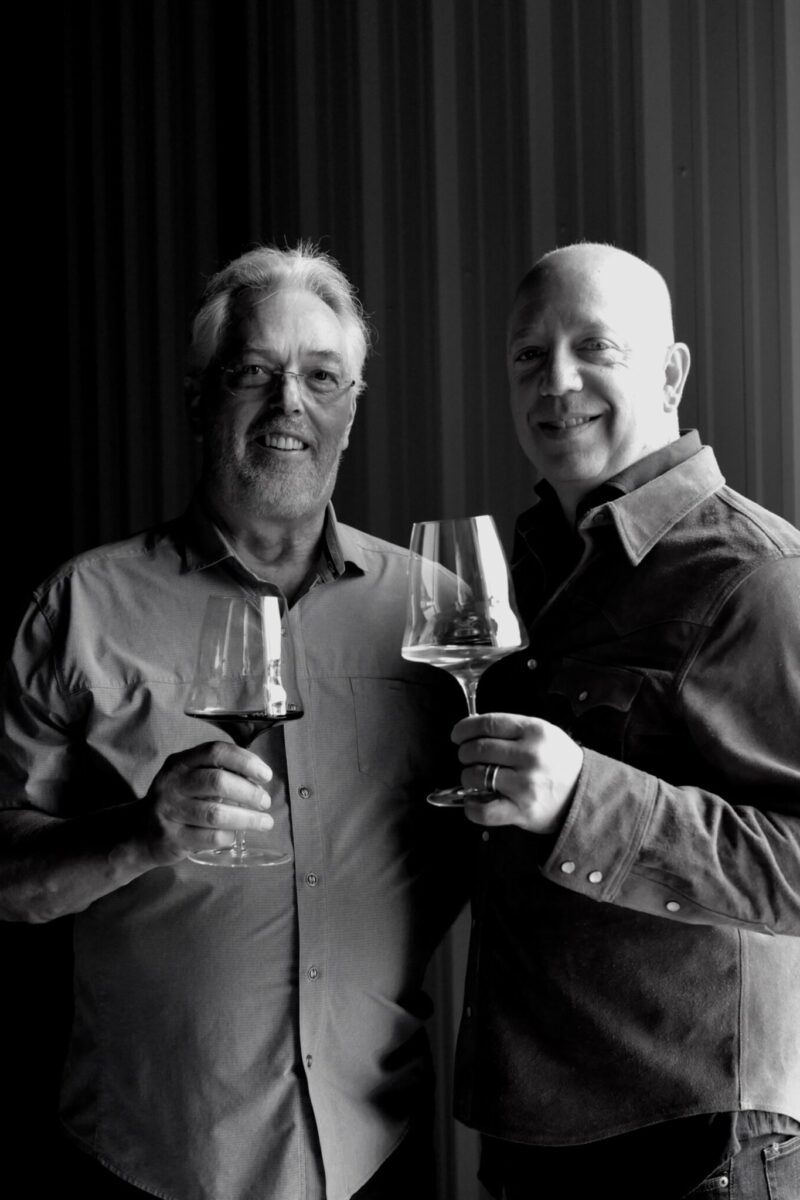
For many entrepreneurs, success is measured by the companies they build, the markets they disrupt, or the returns they generate. For David Wanek, whose career has been defined by venture debt, technology investing, and identifying emerging opportunities before the rest of the market catches on, success is now being measured in vintages.
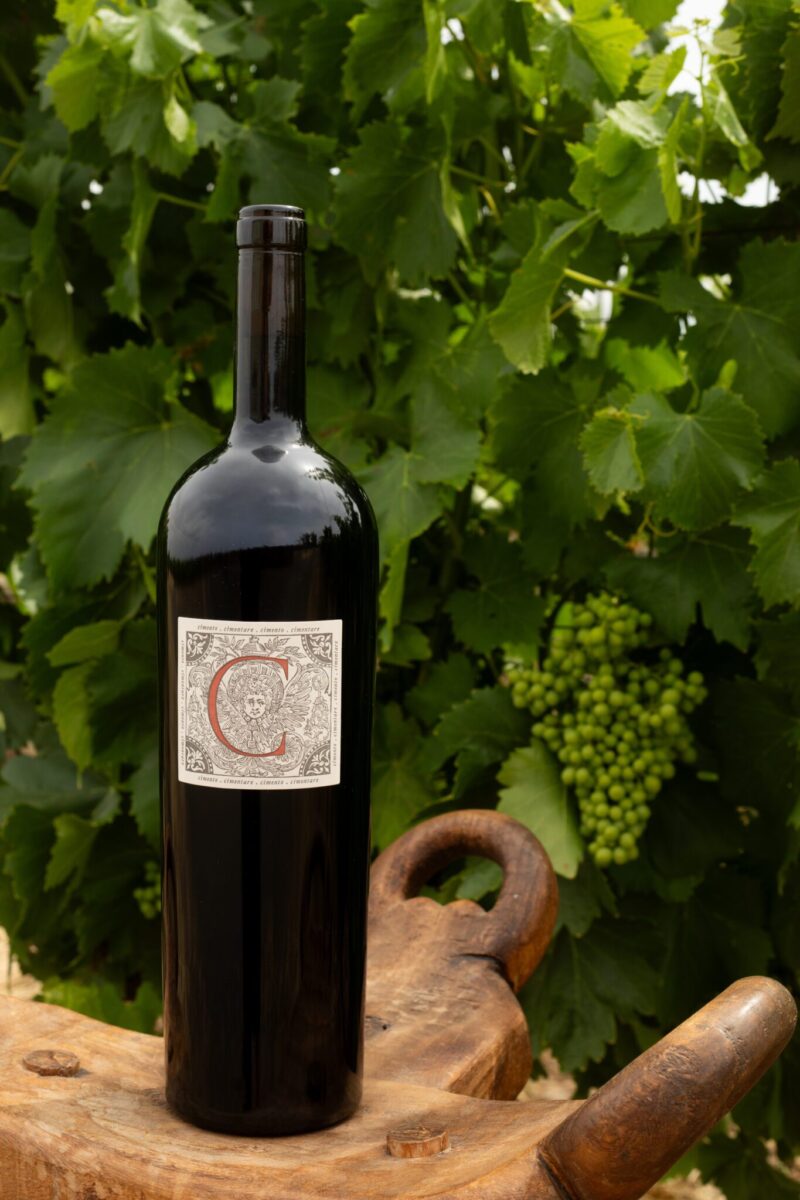
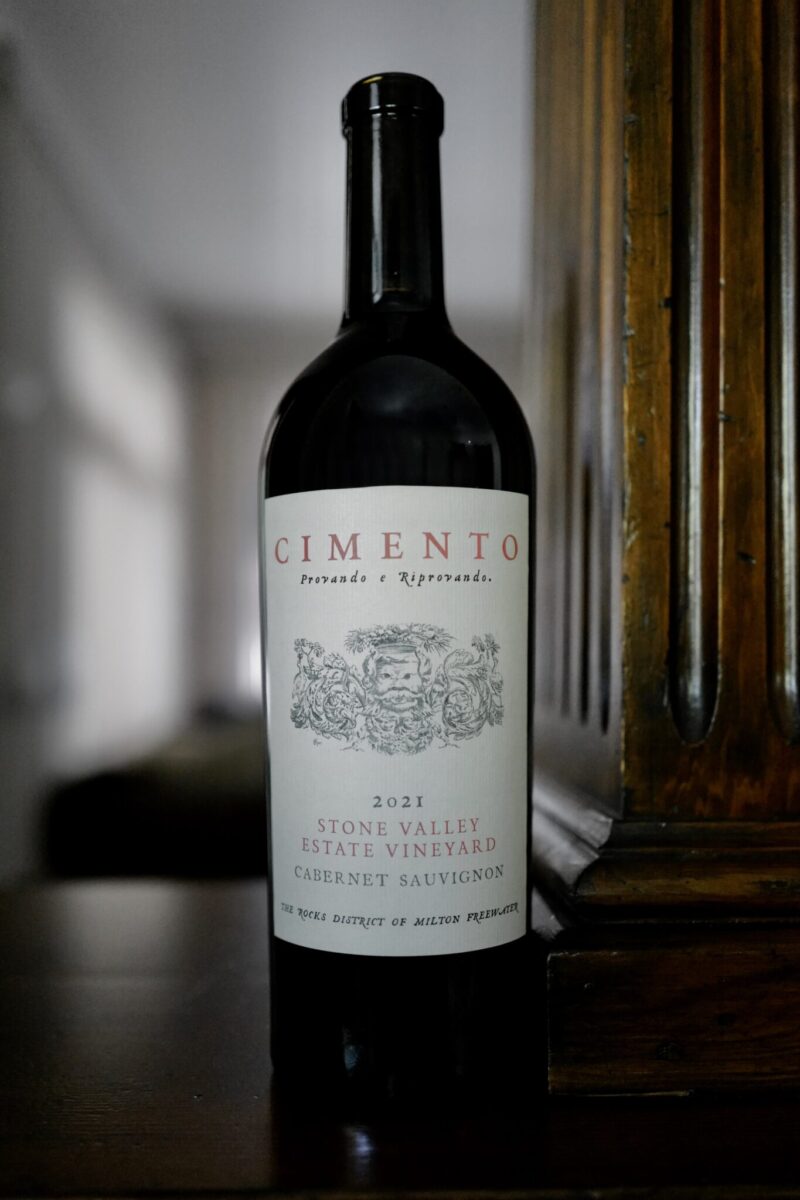
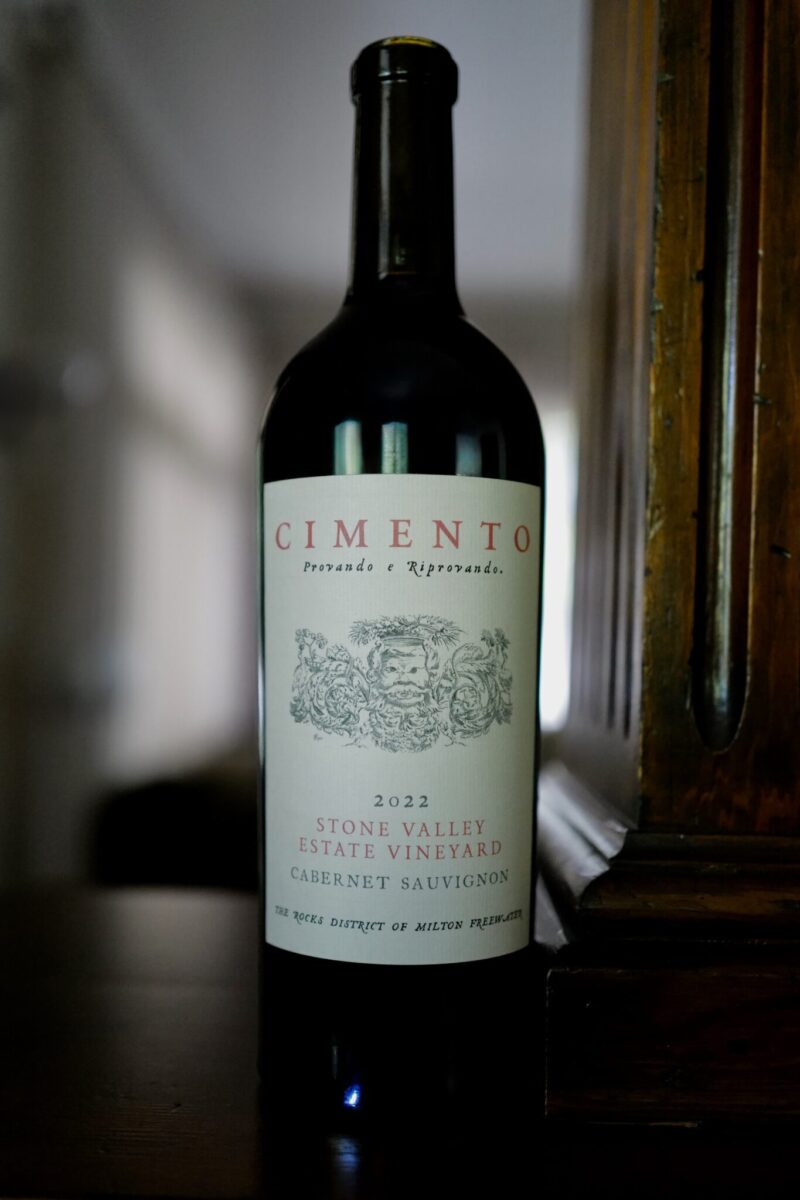
As founder of Cimento Wines, Wanek has applied the same disciplined investment philosophy that shaped his financial career to one of the world’s oldest luxury industries. Rather than chasing established prestige regions, he saw value where others overlooked it: Washington’s Walla Walla Valley and, more specifically, The Rocks District of Milton-Freewater.
His vision wasn’t simply to create another luxury wine label—it was to make a multigenerational investment in one of America’s most distinctive wine-growing regions.
Investing Where Others Haven’t Looked Yet
Long before Cimento released its first bottle, Wanek recognized something familiar in The Rocks District.
Like identifying an exceptional early-stage company before institutional capital arrives, he believed the region possessed extraordinary fundamentals that had yet to receive worldwide recognition.
“There are world-class wines here,” Wanek explains. “The world simply needs to know they exist.”
That philosophy became the foundation of Walla Walla Company, launched in 2018 to acquire and develop vineyard land throughout the region. Rather than purchasing existing brands or sourcing fruit from outside growers, Wanek and his partners invested directly in one of the rarest vineyard assets in North America.
Scarcity was central to the thesis.
Although The Rocks District officially encompasses roughly 3,700 acres, only a fraction of that land is actually plantable. Roads, homes, schools, and commercial properties reduce the amount of vineyard acreage dramatically, creating an exceptionally limited supply of world-class terroir.
For an investor accustomed to evaluating supply constraints, competitive advantages, and long-term appreciation, the parallels were impossible to ignore.
Thinking Like a Family Office
The luxury wine business often rewards patience more than speed. Unlike many consumer brands focused on rapid expansion, Cimento was built with a decades-long investment horizon.
Wanek approached the vineyard much as sophisticated family offices approach generational wealth—making decisions designed to compound over time rather than maximize immediate returns.
Instead of optimizing for short-term production, Cimento prioritizes vineyard health, lower yields, meticulous farming practices, and significant reinvestment into the land itself. Every decision is intended to improve quality over successive vintages rather than increase annual output.
It’s a strategy familiar to seasoned investors: preserve the underlying asset first, and superior returns often follow.
Luxury Without Compromise
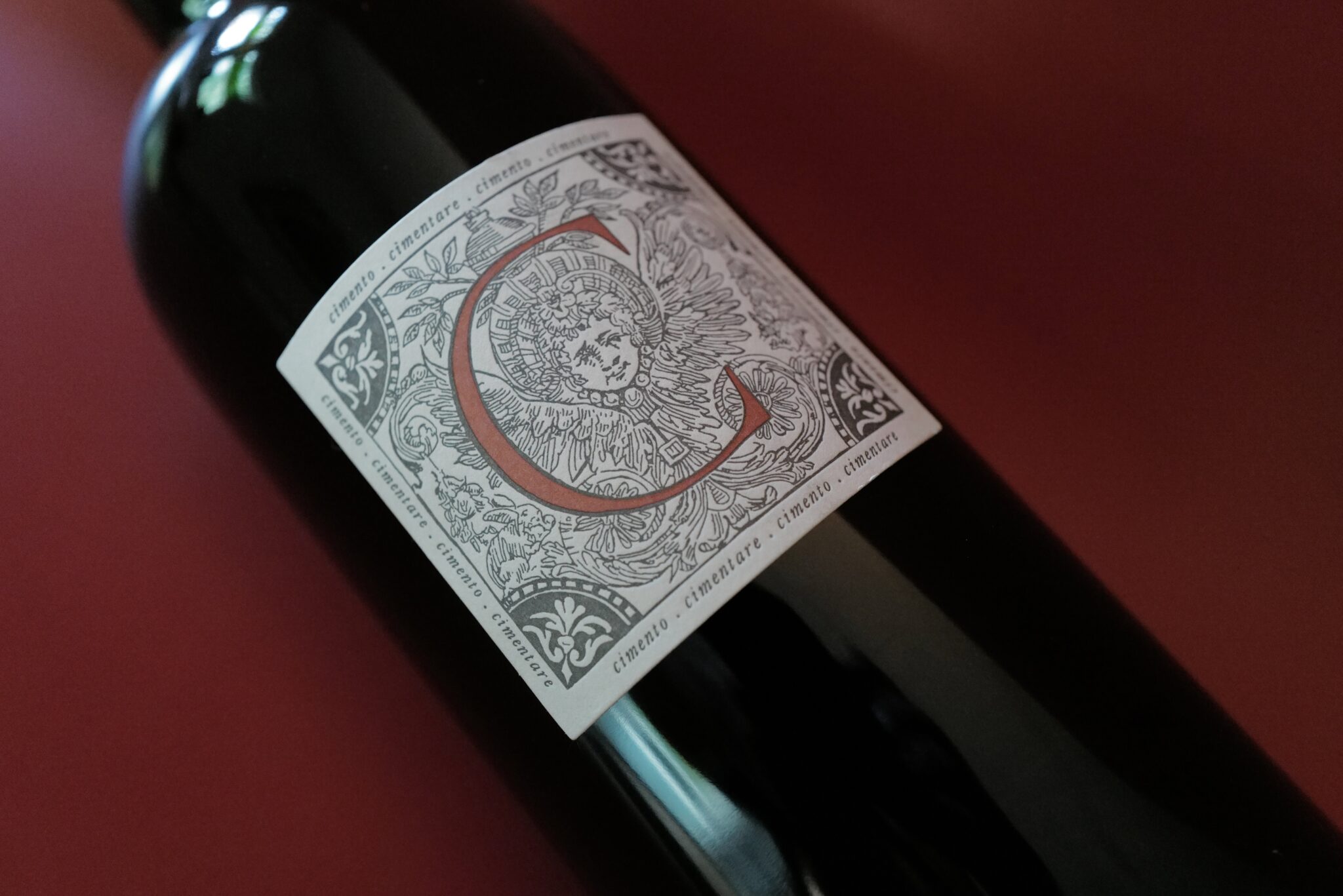
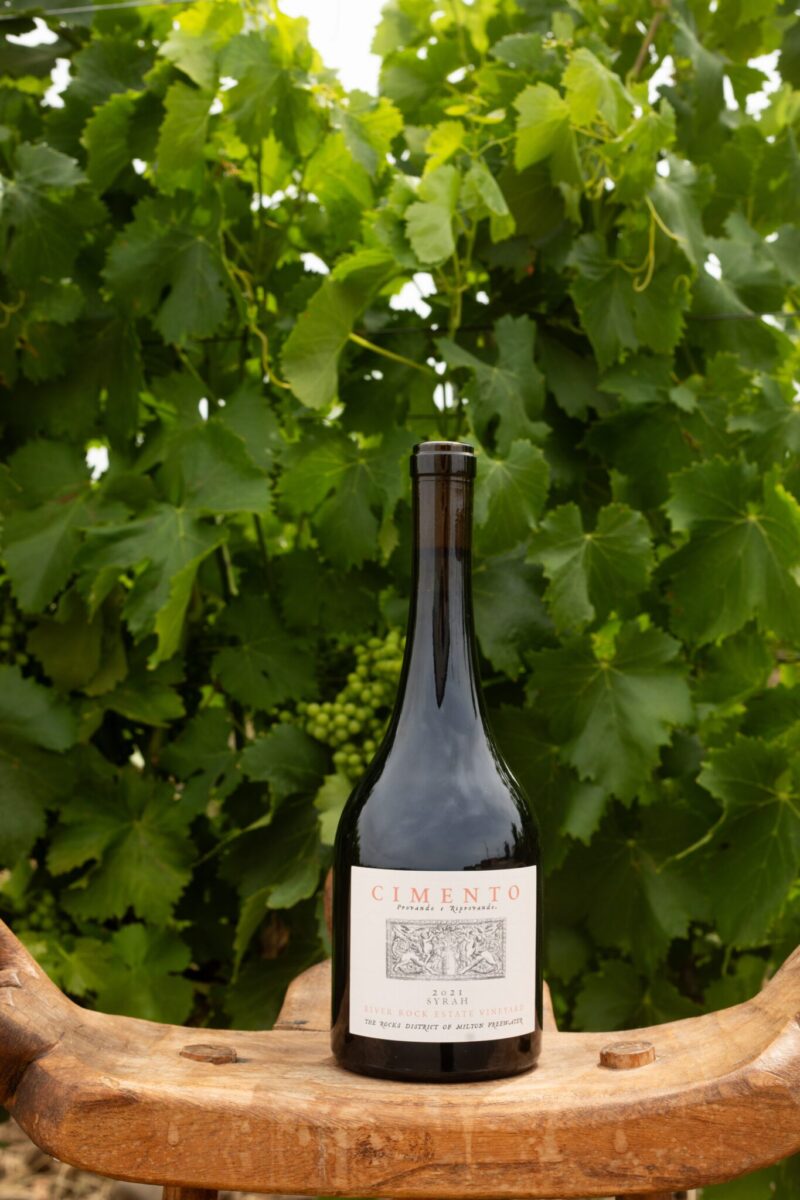
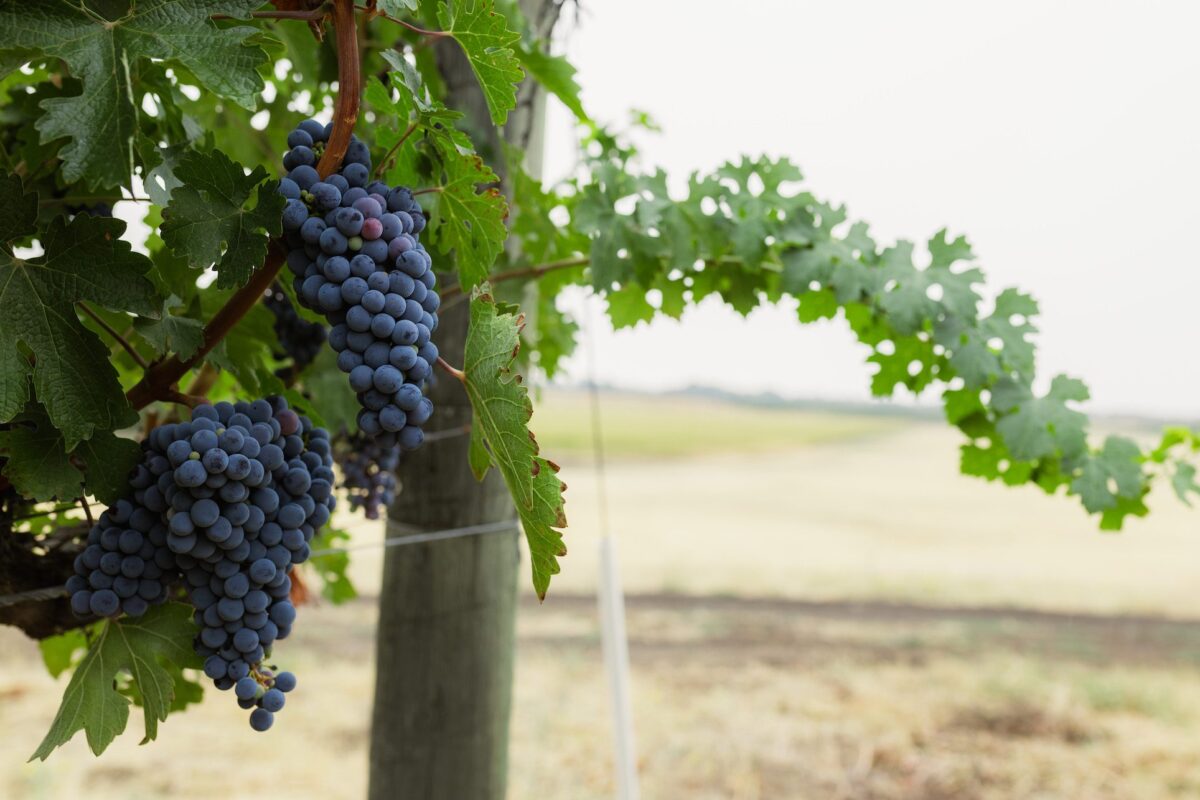
For Wanek, refusing to compromise has become Cimento’s defining principle. The winery farms exclusively estate-owned vineyards and produces wines from 100% estate-grown, single-vineyard fruit. Every vineyard expresses a different personality, allowing the wines to communicate the nuances of place rather than relying on blending to achieve consistency.
The result is a portfolio built around authenticity rather than volume. The winery employs low-intervention winemaking techniques, native yeasts, gentle fermentation, and avoids unnecessary manipulation, allowing each vintage to reflect both the growing season and the distinctive mineral character of The Rocks District.
Rather than imposing a style, Cimento allows the land itself to become the signature.


Building Competitive Advantage Through People
One of Wanek’s most interesting insights doesn’t concern wine at all. It concerns talent.
Having spent years evaluating successful businesses, he believes the greatest companies are built by exceptional people—not simply exceptional products.
That philosophy carries directly into Cimento’s operations.
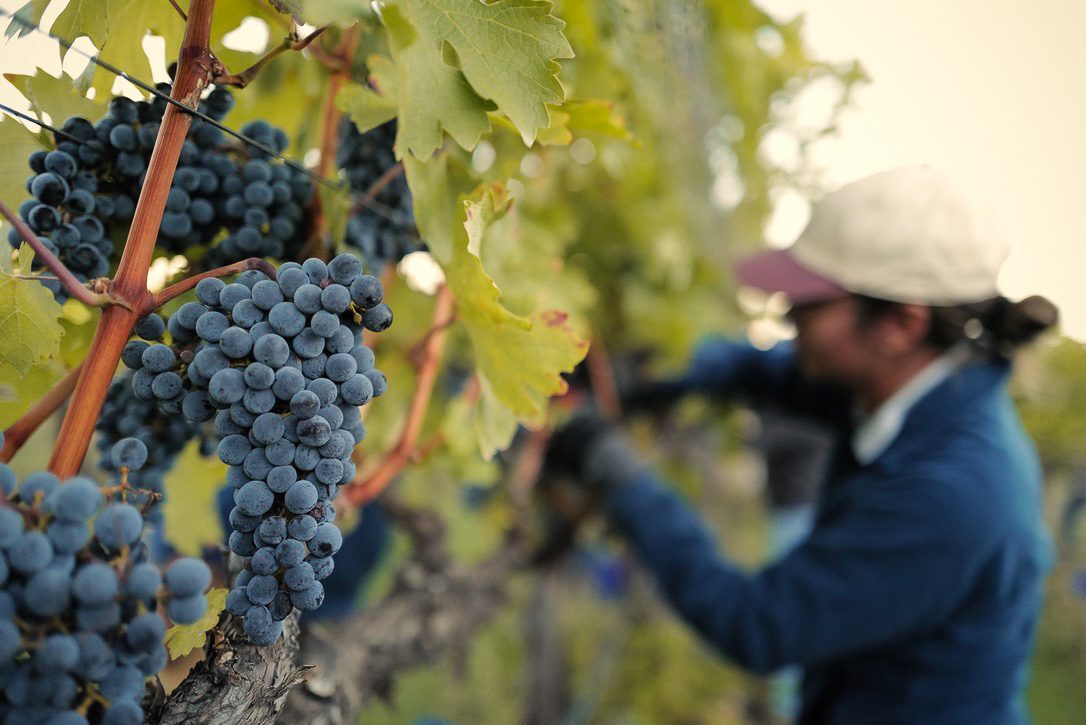
Instead of viewing labor as a commodity, the winery considers its vineyard teams a strategic competitive advantage. Investing in skilled people, retaining expertise, and creating a culture of excellence are viewed as essential ingredients in producing wines capable of competing with the world’s finest estates.
It is a business philosophy that mirrors many of today’s most successful investment firms: elite people consistently produce elite outcomes.
A New Definition of Luxury Investment
Luxury wine has increasingly attracted collectors, investors, and connoisseurs searching for authenticity over mass prestige.
Cimento arrives at a moment when consumers are seeking brands with genuine stories, exceptional craftsmanship, and a clear sense of place.
Rather than attempting to emulate Napa, Bordeaux, or Tuscany, Wanek believes the future lies in showcasing what makes The Rocks District unlike anywhere else in the world. Its ancient riverbed of basalt cobblestones, naturally low yields, remarkable minerality, and unmistakable terroir create wines that cannot be replicated elsewhere.
For Wanek, this isn’t simply another business venture. It’s the culmination of decades spent recognizing opportunity before others—and having the conviction to invest accordingly.
As Cimento continues to grow, the ambition reaches far beyond producing exceptional bottles. The goal is to elevate an entire wine region onto the global luxury stage while proving that disciplined capital allocation, patient stewardship, and uncompromising quality can create enduring value.
In finance, identifying asymmetric opportunities is considered one of the greatest competitive advantages. With Cimento, David Wanek believes he has found one in wine.
Ready to uncork something exceptional? Visit cimentowines.com