As high-net-worth homeowners embrace intelligent technology to safeguard their properties, Reolink and eufy are introducing new approaches to surveillance, privacy, and estate management.
For today’s luxury homeowners, protecting a residence involves far more than installing an alarm system or placing cameras at the front entrance. As multimillion-dollar properties become increasingly connected, residential security is evolving into a sophisticated combination of artificial intelligence, high-resolution surveillance, intelligent access management, and remote monitoring.
Whether safeguarding a Manhattan penthouse, a sprawling Hamptons estate, or a seasonal retreat in Palm Beach, homeowners are seeking security solutions that offer greater visibility without compromising privacy, architectural aesthetics, or convenience.
Two companies contributing to this transformation are Reolink and eufy, whose camera systems demonstrate how capabilities once associated primarily with commercial surveillance are becoming available to residential consumers.
For high-net-worth individuals and family offices overseeing multiple properties, these developments reflect a broader shift: home security is becoming an integral component of luxury property management.
The Evolution of Residential Security: From Passive Surveillance to Intelligent Monitoring
Traditional home security cameras primarily served as recording devices, capturing footage that homeowners or security professionals could review after an incident.
Today’s connected cameras can provide a more proactive layer of awareness.
Depending on the system, artificial intelligence can help distinguish people from vehicles, identify familiar faces, track movement, and send targeted notifications when unusual activity occurs.
For larger residences, these capabilities can help property managers monitor extensive grounds, coordinate household personnel, and identify activity in areas that are not always visible from the main residence.
However, intelligent surveillance is not infallible. Environmental conditions, connectivity limitations, and imperfect AI recognition can affect performance. For luxury properties, the most effective systems combine technology with physical security measures and clearly established response procedures.
Reolink: High-Resolution Surveillance for Expansive Properties
For estates with multiple entrances, lengthy driveways, guesthouses, detached garages, and landscaped grounds, surveillance coverage can present a considerable logistical challenge.
Reolink offers a range of wired, wireless, and solar-compatible cameras designed to accommodate different installation requirements and property layouts.
Reolink Duo 3 PoE: A Wider Perspective on Property Security
One of Reolink’s more distinctive products, the Duo 3 PoE, uses two lenses to create a panoramic image with approximately 180 degrees of horizontal coverage and 16MP resolution.
This configuration can be particularly useful for monitoring broad areas such as motor courts, estate entrances, and perimeter boundaries.
Rather than relying on several conventional cameras to cover a wide field of view, homeowners may be able to monitor certain spaces through a single panoramic device.
Its Power over Ethernet connection supplies power and data through an Ethernet cable, offering a stable wired solution for properties undergoing construction or renovation.
The trade-off is installation flexibility. Wired cameras generally require more planning and may involve professional installation, particularly in completed residences where discreet cable routing is important.
Reolink Argus 4 Pro: Wireless Flexibility for Established Estates
For homeowners who prefer to avoid extensive wiring, the Argus 4 Pro offers a wire-free alternative with 4K panoramic imaging.
Its ColorX imaging technology is designed to capture color footage in low-light environments, potentially improving visibility around entrances, pathways, and outdoor spaces after dark.
The camera can also be paired with compatible solar-charging accessories, making it an option for locations where electrical access is limited.
For historic residences or architecturally significant properties, minimizing the need for structural alterations may be an important consideration.
However, battery-powered cameras require appropriate charging conditions, and performance can vary with weather, activity levels, and installation location. They also should not automatically be considered substitutes for wired systems that support continuous recording.
Reolink TrackMix: Following Activity Across Larger Spaces
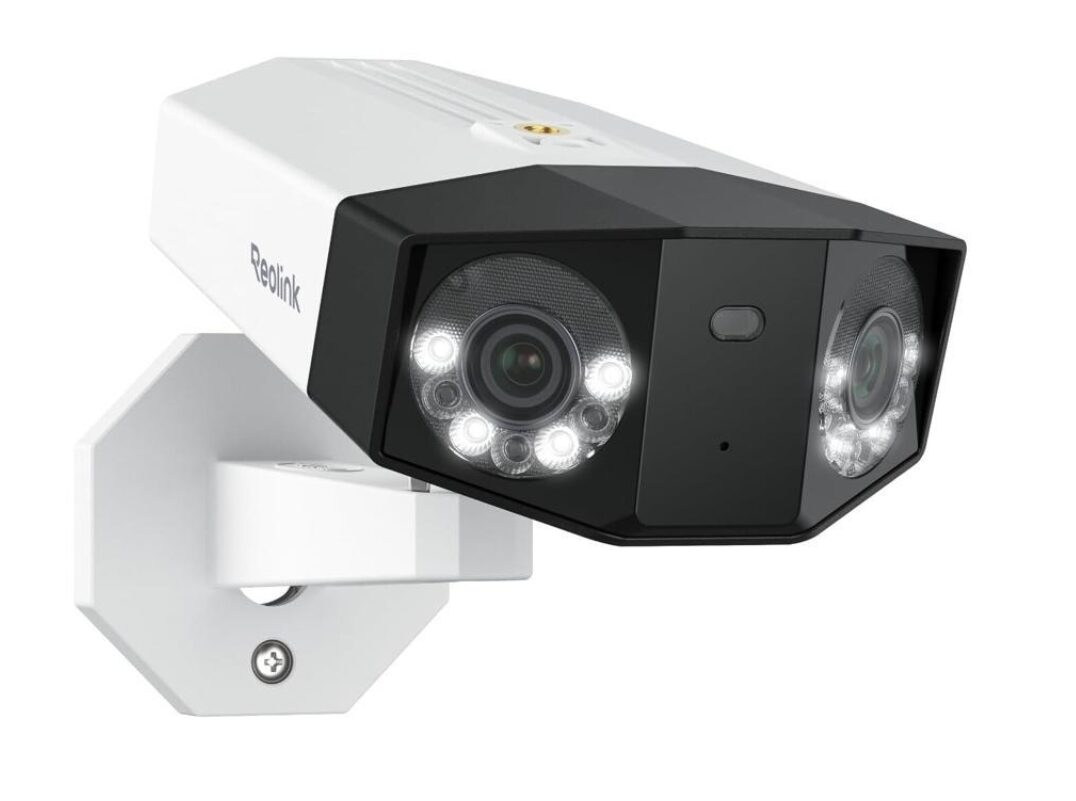
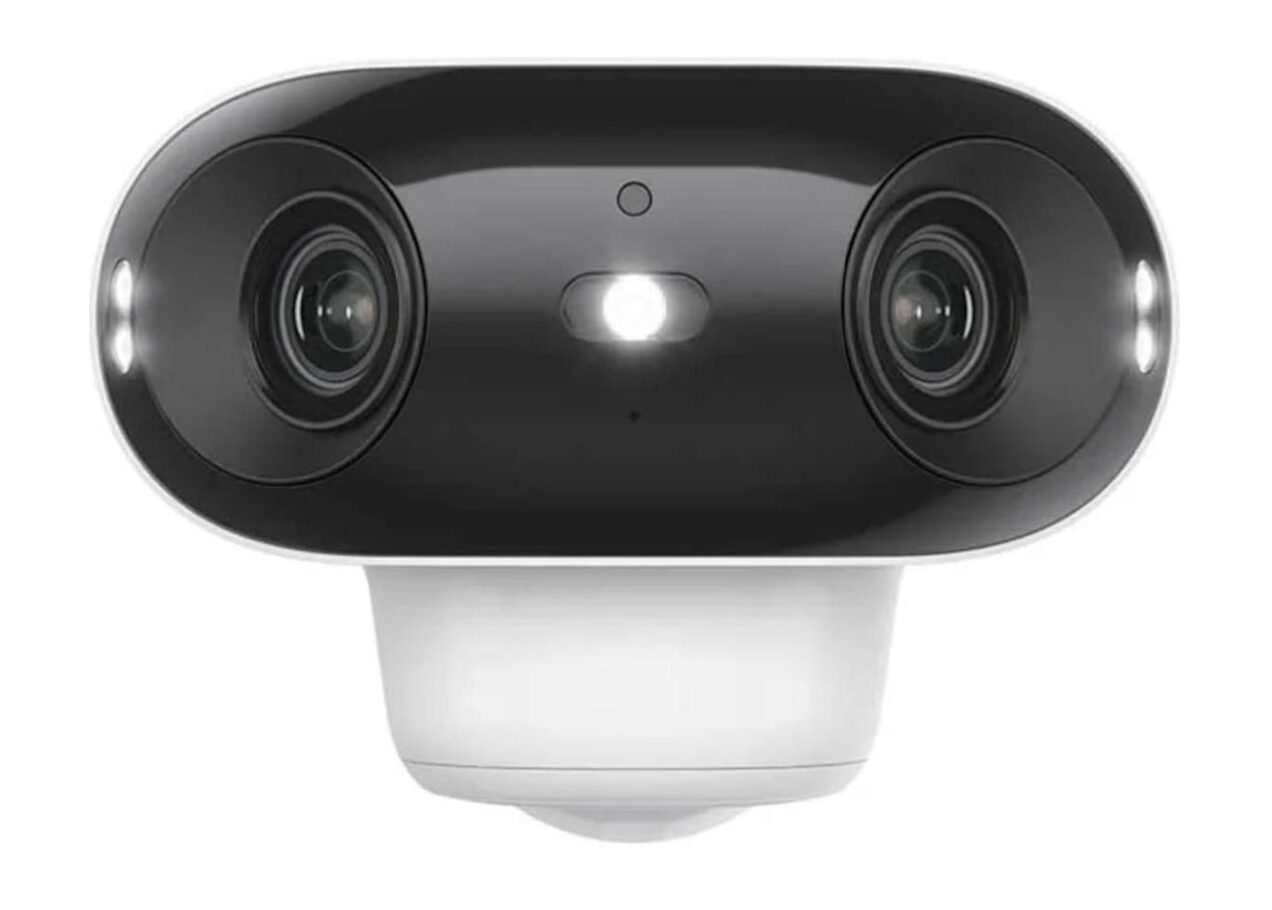
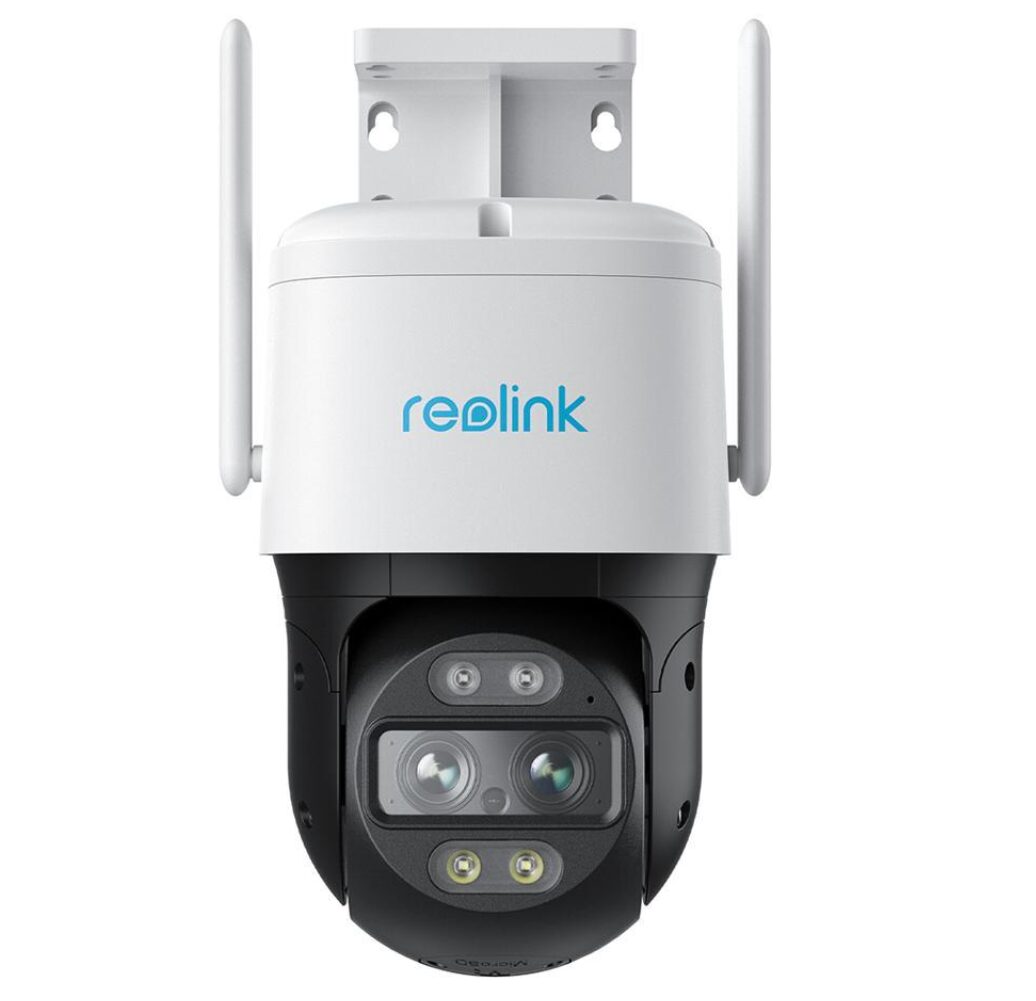
Reolink’s TrackMix camera family combines wide-angle surveillance with a closer tracking perspective.
When a person or vehicle moves through a monitored area, supported models can track the subject while maintaining a broader view of the surrounding scene.
This can be particularly relevant for properties with extended driveways, multiple vehicle entrances, or detached buildings.
For estate managers, the ability to view both the overall environment and a closer perspective of moving activity can make recorded footage easier to interpret.
As with other AI-assisted cameras, detection accuracy depends on placement, lighting, distance, and environmental conditions.
eufy: AI Recognition, Local Storage, and the Connected Home
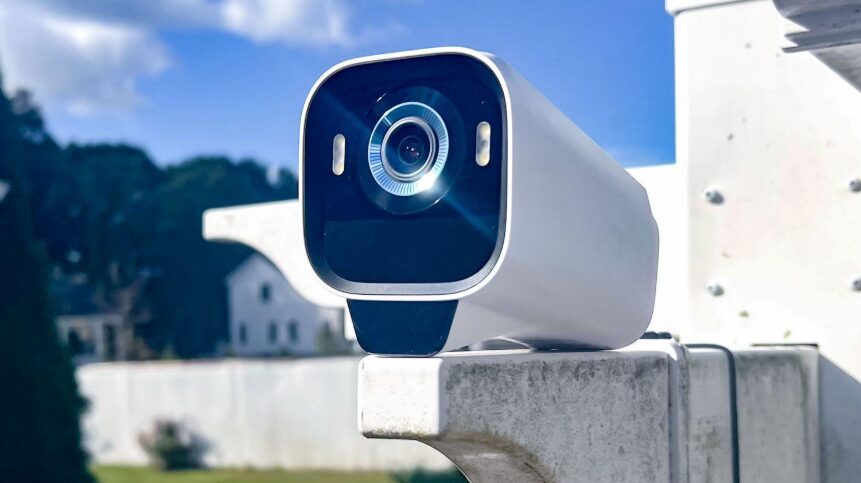
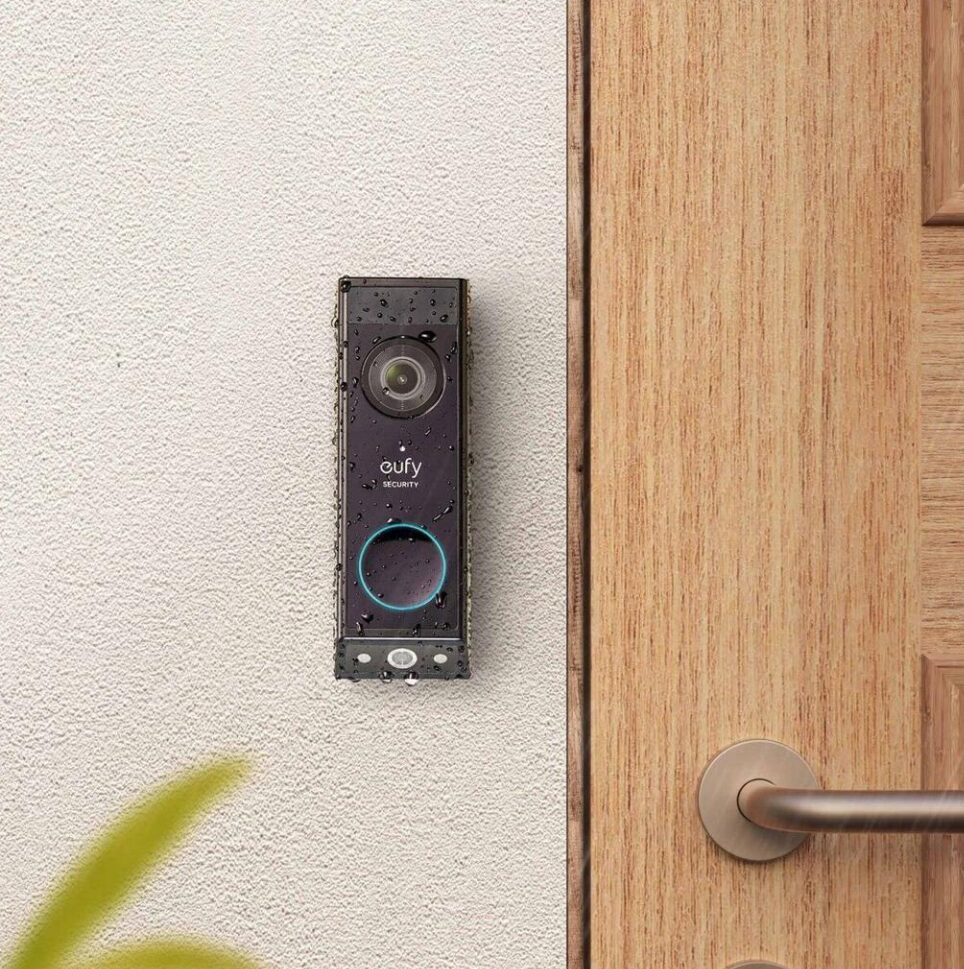
While Reolink emphasizes a broad selection of camera configurations and surveillance coverage, eufy places considerable focus on integrating cameras, intelligent detection, and local video storage into a coordinated smart-home experience.
For homeowners seeking to manage security through a centralized ecosystem, this approach can simplify daily monitoring.
eufyCam S3 Pro: Greater Visibility After Dark
The eufyCam S3 Pro incorporates 4K video capture and MaxColor Vision technology, designed to improve color imaging in low-light conditions.
This capability may be useful for residential properties where outdoor illumination is intentionally subdued to preserve ambiance or landscape design.
The camera also uses radar-assisted motion detection alongside passive infrared sensing to help reduce false notifications.
For residences surrounded by mature trees, gardens, and outdoor landscaping, filtering irrelevant motion can make security alerts more manageable.
Its solar-charging capability may reduce manual maintenance when sunlight exposure is sufficient. However, heavily shaded locations and shorter winter days can affect charging performance.
HomeBase 3: Intelligent Recognition and Data Control
An increasingly important consideration for affluent homeowners is not simply what a security camera records, but where that information is stored and who can access it.
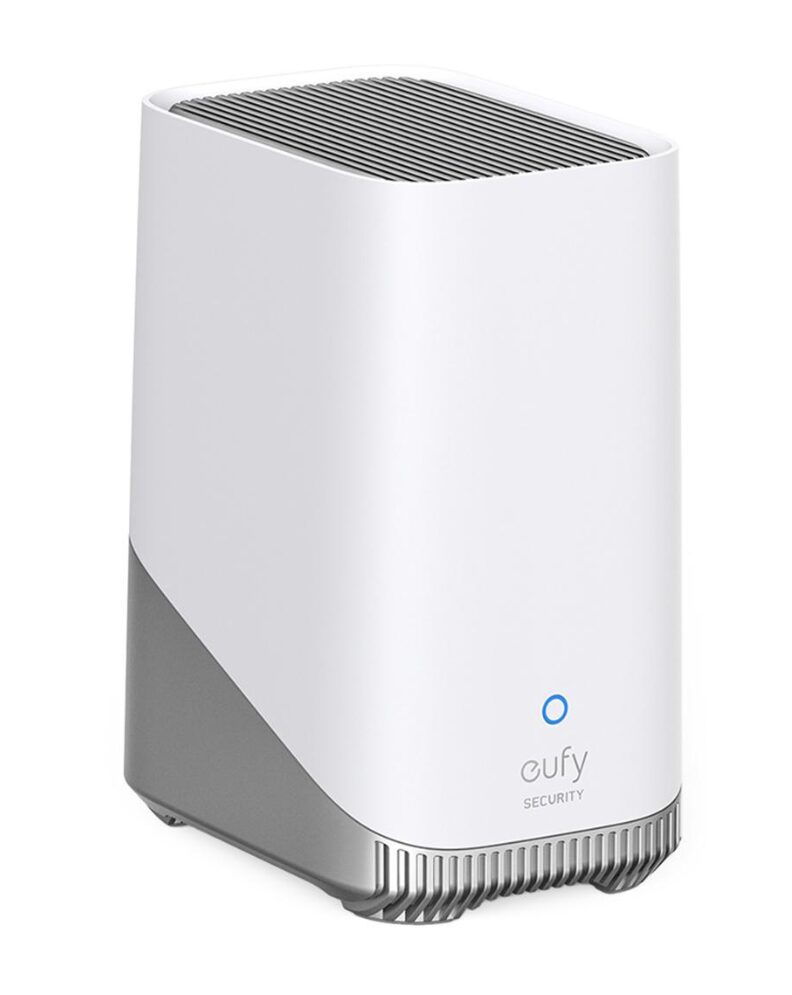
Eufy’s HomeBase 3, also known as S380 HomeBase, supports local video storage and intelligent recognition features for compatible devices.
Its BionicMind technology can recognize familiar faces, helping distinguish known individuals from unidentified visitors.
For residences with household employees, maintenance personnel, property managers, and frequent guests, this functionality may provide more context than conventional motion alerts.
Local storage can also reduce reliance on cloud-based recording subscriptions and provide homeowners with greater control over their footage.
Nevertheless, local storage does not guarantee complete privacy. Connected devices still require secure passwords, updated firmware, appropriate user permissions, and protected home networks.
Homeowners should also confirm device compatibility before purchasing, since not every eufy product supports every HomeBase feature.
eufy Video Doorbell E340: Managing Access and Deliveries
For urban residences, luxury townhouses, and properties with frequent deliveries, front-door monitoring has become an increasingly practical security consideration.
The eufy Video Doorbell E340 uses two cameras to provide views of visitors and the lower doorstep area, where packages are commonly placed.
This arrangement can help residents identify visitors and monitor deliveries while away from home.
When combined with other compatible smart-home devices, video doorbells can contribute to a more coordinated approach to residential access.
They do not, however, replace secure entry systems, professionally managed access controls, or the personnel responsible for high-security properties.
Beyond the Residence: Protecting Art, Automobiles, and Valuable Collections
For ultra-high-net-worth homeowners, residential security frequently extends beyond protecting the building itself.
Private residences may contain significant collections of fine art, rare automobiles, jewelry, watches, antiques, and investment-grade wines.
These assets can introduce security considerations that differ from those of a conventional home.
A collector with a detached automobile garage, for example, may benefit from cameras monitoring vehicle entrances and surrounding approaches. Similarly, residences with dedicated art-storage areas or wine cellars may require additional access monitoring.
Yet cameras are only one component of a comprehensive asset-protection strategy.
Valuable collections may also require intrusion sensors, controlled access, environmental monitoring, secure storage, and insurance-specific safeguards.
For particularly high-value assets, consulting a qualified security professional and specialist insurer is advisable before selecting equipment.
Why Family Offices Are Paying Greater Attention to Smart Security
For family offices and private estate managers, overseeing several residences often involves coordinating a complex network of household employees, contractors, maintenance professionals, and security personnel.
Technology can help streamline portions of this process.
Remote camera access allows authorized personnel to verify deliveries, observe activity around entrances, and monitor selected areas of a property without being physically present.
However, managing multiple properties also creates cybersecurity and privacy responsibilities.
A family office overseeing several residences should consider whether its security infrastructure provides appropriate access permissions, auditability, backup connectivity, and a reliable method of responding to incidents.
Rather than granting unrestricted camera access to every household employee, permissions should be limited according to individual responsibilities.
Security systems should also be reviewed periodically as staff, property usage, and technology requirements change.
Reolink vs. eufy: Which Approach Makes Sense for Luxury Homes?
Although both manufacturers offer advanced residential cameras, their product ecosystems have different strengths.
| Consideration | Reolink | eufy |
| Primary strength | Extensive surveillance coverage and camera selection | Integrated smart-home security and AI features |
| Suitable properties | Large estates, garages, expansive grounds | Primary residences, vacation homes, connected households |
| Notable technology | 16MP panoramic imaging, dual-view tracking | Facial recognition, radar-assisted detection |
| Storage options | microSD, compatible network video recorders and hubs | Local device storage and compatible HomeBase systems |
| Installation considerations | Wired, wireless, and solar-compatible models | Wired and wireless options, including solar-compatible cameras |
| Potential limitation | Wired configurations may require more installation work | Advanced features depend on device and hub compatibility |
The appropriate choice ultimately depends on the property’s physical layout, surveillance objectives, network infrastructure, and level of professional oversight.
A large estate requiring continuous recording across numerous outdoor locations may benefit from Reolink’s wired camera and network video recorder options.
A homeowner seeking a coordinated system for entrances, deliveries, and everyday monitoring may find eufy’s integrated approach more convenient.
Neither should be considered a complete substitute for a professionally designed security system in properties facing elevated security risks.
What Luxury Homeowners Should Consider Before Investing in Smart Security
Before installing a new surveillance system, property owners should evaluate several factors beyond image resolution and advertised AI capabilities.
Cybersecurity and privacy: Cameras connected to home networks should use strong authentication, updated firmware, and appropriately restricted access. Separate network configurations for security devices may offer additional protection.
Power and connectivity: Cameras dependent on Wi-Fi, batteries, or solar charging can be affected by outages and environmental conditions. Critical monitoring areas may require wired connections, backup power, or redundant connectivity.
Architectural integration: Camera placement should balance coverage with the visual character of the property. Professional installation may help minimize exposed wiring and conspicuous equipment.
Professional response: A notification does not automatically result in an intervention. Homeowners should establish who receives alerts and how potentially serious incidents are handled.
Privacy and legal compliance: Surveillance practices should respect applicable laws governing audio recording, employee privacy, and monitoring of shared or private spaces.
These considerations are particularly important for high-profile individuals, families with multiple residences, and properties containing substantial collections.
The Future of Luxury Residential Security
As artificial intelligence becomes more capable, the residential security industry is moving toward systems that provide more contextual information rather than simply generating additional footage.
Developments in image processing, object recognition, panoramic surveillance, and local data storage are making sophisticated monitoring technologies increasingly practical for private homes.
At the same time, the growth of connected security systems is creating new questions about data protection, system reliability, and the appropriate balance between convenience and privacy.
Reolink and eufy illustrate two approaches to this changing landscape: one emphasizing versatile camera configurations and extensive surveillance coverage, the other focusing on intelligent recognition and an integrated smart-home experience.
For luxury homeowners, the most effective solution will rarely depend on a single camera or brand. Instead, it will emerge from a carefully planned combination of technology, physical safeguards, professional expertise, and thoughtful property management.
In an era when residences are becoming increasingly connected, the ultimate measure of luxury security is not the number of cameras installed, but how effectively those systems protect the people, privacy, and possessions that matter most.