
At the intersection of artificial intelligence, impact investing, and sustainable development, a groundbreaking initiative seeks to turn growing global demand for computing power into a catalyst for electrifying underserved African communities.
What if the extraordinary energy demands of artificial intelligence could become part of the solution to one of the world’s most pressing development challenges?
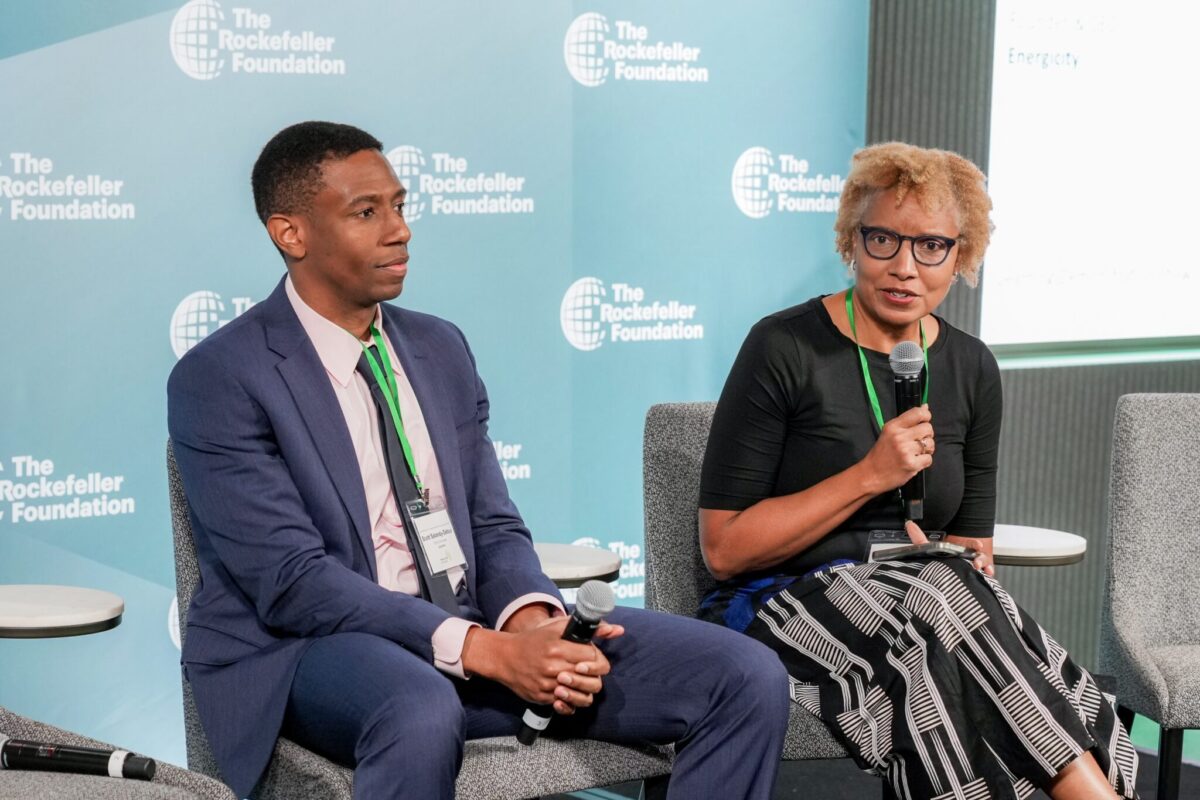
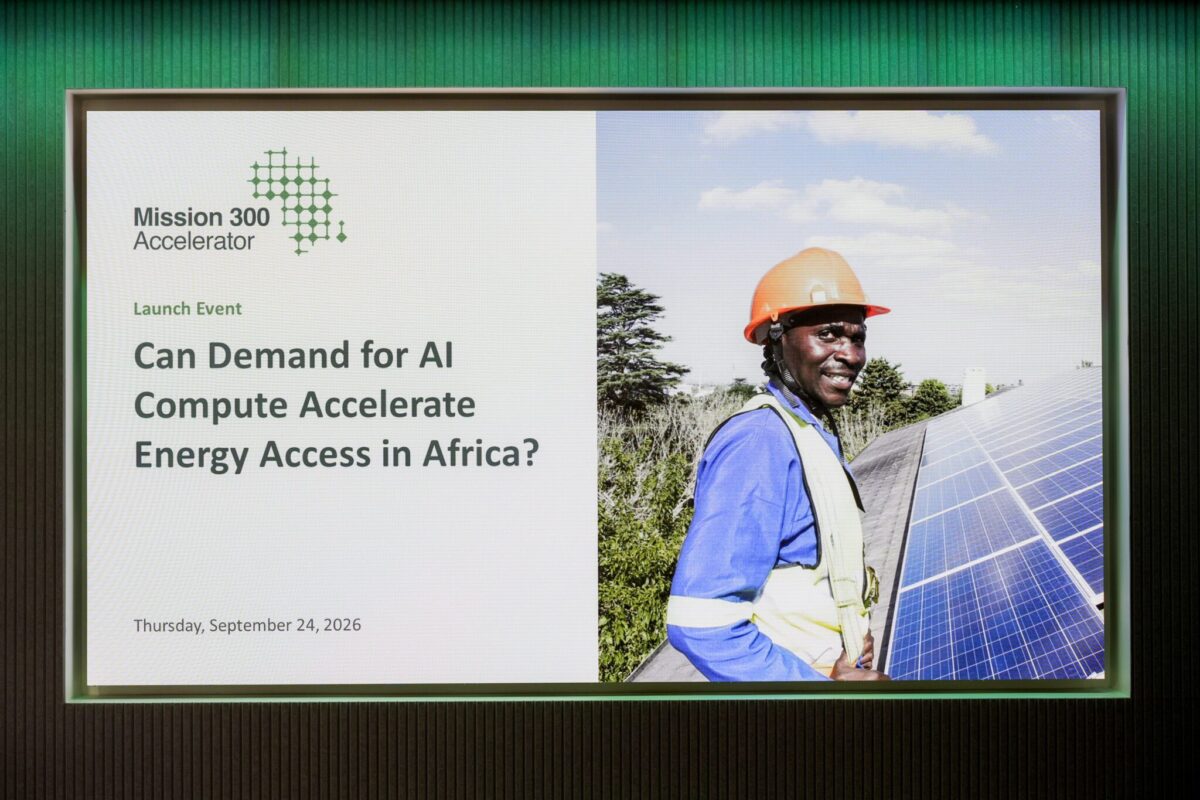
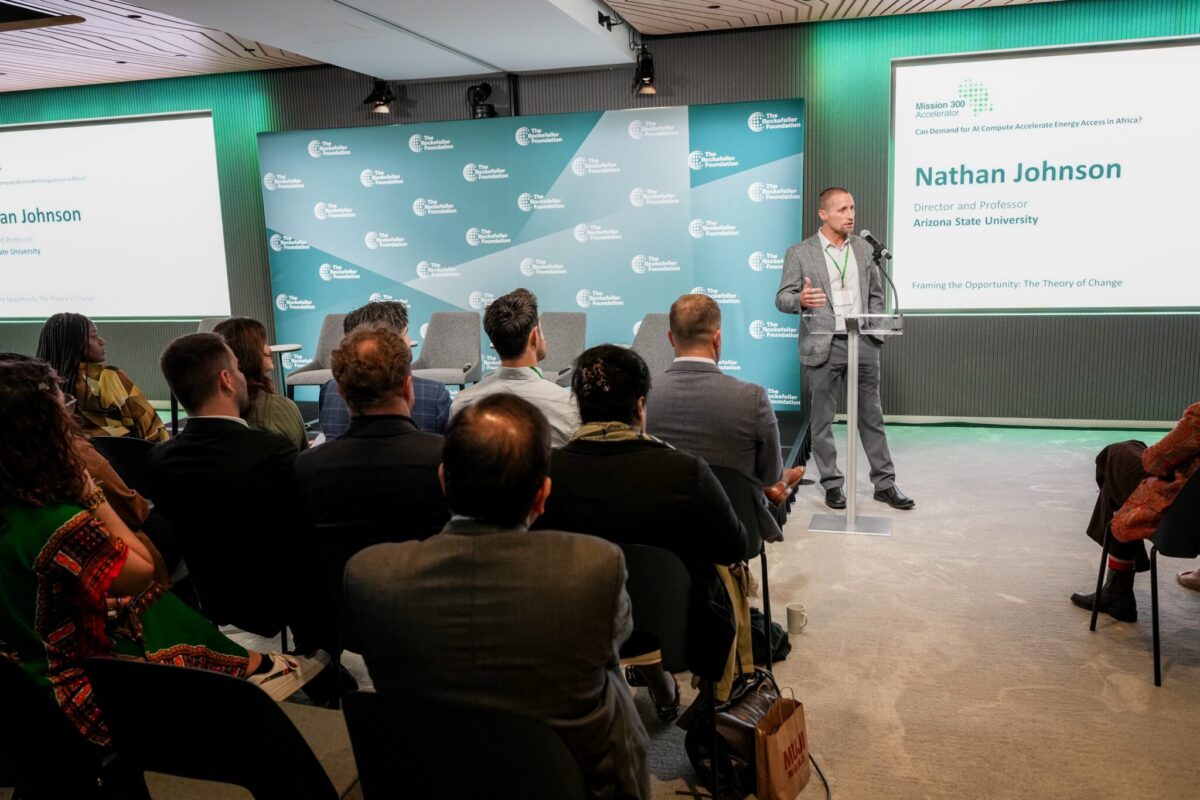
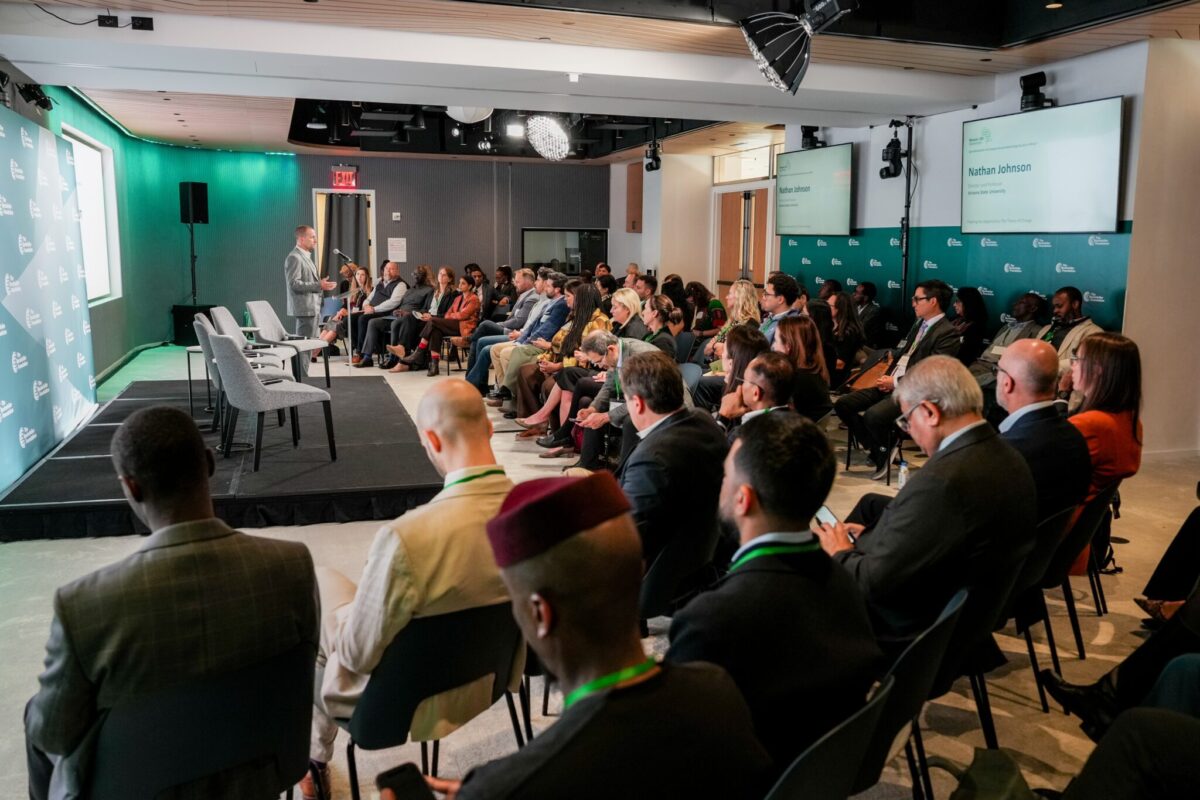
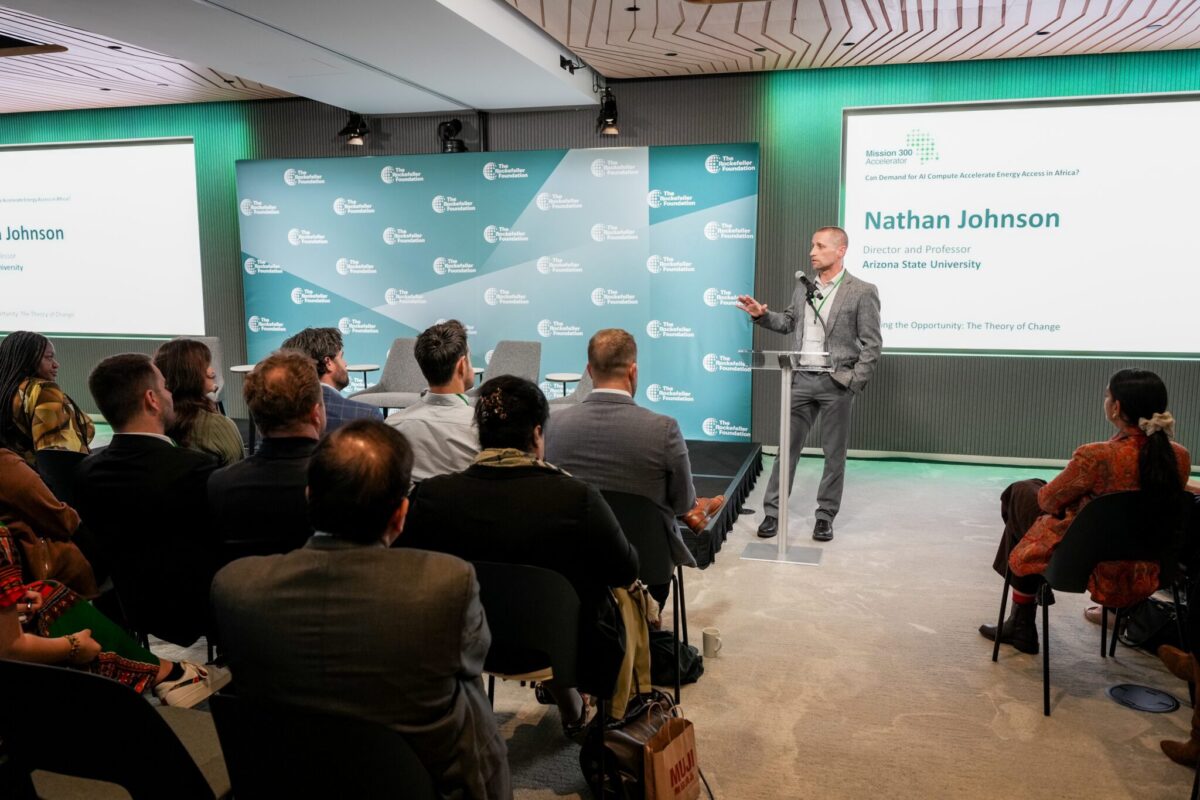
That provocative question is at the heart of a Rockefeller Foundation symposium examining whether demand for AI computing power can accelerate electricity access across Africa. The discussion comes as the Foundation and its Mission 300 Accelerator introduce the Emergent Grid Project, an ambitious initiative designed to test a new model for financing renewable energy infrastructure in underserved communities.
Announced on September 24, 2026, the project represents an intriguing convergence of technology, philanthropy, and innovative finance, exploring whether the explosive growth of artificial intelligence can help address the persistent energy gap that has constrained economic opportunity for millions of Africans.
For family offices, institutional investors, and philanthropists seeking measurable social impact alongside financial sustainability, the initiative offers a compelling case study in how technological disruption could be harnessed to unlock new forms of development capital.


Turning AI’s Energy Appetite Into Economic Opportunity
Artificial intelligence is transforming industries, reshaping global investment priorities, and driving unprecedented demand for electricity.
Yet while much of the conversation has centered on the strain AI data centers place on existing power grids, The Rockefeller Foundation is examining a different possibility: using that demand to strengthen energy infrastructure in communities where electricity remains scarce.
Across sub-Saharan Africa, more than 560 million people still lack access to electricity, according to the Foundation. At the same time, the continent faces an annual development financing gap exceeding $400 billion.
The challenge is not simply building new power systems. It is creating economically sustainable infrastructure that can attract investment, generate revenue, and serve communities over the long term.
Many renewable energy mini-grids are designed with sufficient capacity to accommodate future population and business growth. During their early years, however, electricity demand may be too low to fully utilize the available generating capacity.
That underutilization can weaken project economics, increase dependence on subsidies, and make private investors reluctant to commit capital.
The Emergent Grid Project proposes an unconventional solution: position flexible computing operations alongside these renewable energy systems, allowing otherwise unused electricity to generate revenue through AI and other digital workloads.
“Global demand for compute doesn’t have to push electricity costs higher for people. We think it can actually do the opposite,” says Andrew Herscowitz, CEO of the Mission 300 Accelerator.
“If we build it right, that same demand becomes the reason someone in a remote village finally gets reliable, affordable power.”
The premise is straightforward but potentially transformative. By creating a paying customer for electricity that might otherwise go unused, developers could strengthen the financial viability of rural energy systems while expanding reliable power access for local residents.
Mission 300: A Bold Ambition to Electrify 300 Million Africans
The Emergent Grid Project supports the broader ambitions of Mission 300, a joint initiative of the World Bank Group and African Development Bank Group to connect 300 million Africans to electricity by 2030.
The scale of the challenge demands innovative approaches to capital mobilization.
Traditional development assistance and philanthropic grants remain essential, but public funding alone cannot close Africa’s enormous infrastructure financing gap.
Increasingly, development organizations are exploring models that combine philanthropic capital, private investment, and commercially viable revenue streams.
The Rockefeller Foundation’s Mission 300 Accelerator, housed within its charitable affiliate RF Catalytic Capital, is helping advance this approach by testing whether flexible computing demand can make distributed energy projects more financially sustainable.
Rather than treating philanthropy as a permanent source of subsidies, the initiative seeks to determine whether strategic early-stage support can help establish models capable of attracting private capital over time.
For impact investors, this distinction is significant.
The ultimate objective is not merely to fund additional infrastructure, but to develop a repeatable financial model in which commercial demand supports reliable, affordable electricity for communities that have historically been underserved.
From Kenya to the Democratic Republic of Congo: Testing the Model
The Emergent Grid Project will begin with demonstrations across three African countries, with the potential to expand or strengthen electricity access for approximately 85,000 people.
In Kenya, five demonstration sites will examine whether flexible computing demand can help support new solar-plus-storage systems serving communities totaling approximately 50,000 residents.
In the Democratic Republic of Congo, computing capacity will be integrated into an existing solar facility with underutilized generation. The plant currently serves more than 30,000 people, over 350 small and medium-sized businesses, and approximately 30 to 40 social institutions.
Meanwhile, in Sierra Leone, three rural sites will explore how existing unused generating capacity can be put to productive economic use.
The demonstrations will investigate whether computing operations can generate sufficient additional revenue to improve the economics of renewable energy mini-grids while maintaining affordable and reliable electricity for surrounding communities.
A fundamental principle of the initiative is that local energy needs must always take priority.
Households, schools, health clinics, and businesses will retain preferential access to electricity. Computing operations are intended to function as flexible customers, reducing or shifting their power consumption when community demand increases.
Independent monitoring and evaluation will assess the project’s technical performance, financial viability, electricity affordability, reliability, and broader socioeconomic impact.
The results will help determine whether the concept can be replicated on a larger scale without continued dependence on philanthropic subsidies.
The Next Frontier for Impact Investing and Family Offices
For the global investment community, the initiative raises an important question: Can the commercial economics of emerging technologies be structured to finance essential infrastructure in developing markets?
Historically, rural electrification projects have struggled to attract sufficient private capital because of uncertain revenue projections, limited consumer purchasing power, and long investment horizons.
By introducing a potentially reliable commercial customer, the Emergent Grid model could alter that equation.
If successful, revenue from digital computing could help reduce operating costs, improve project cash flows, and create a more attractive financial proposition for infrastructure investors.
This approach may be particularly relevant to family offices and private foundations increasingly interested in catalytic capital—funding designed to absorb early-stage risks, demonstrate commercial viability, and encourage larger pools of private investment.
It also reflects the growing intersection of technology investing and sustainable infrastructure.
While AI infrastructure is often viewed through the lens of data centers, semiconductor companies, and cloud computing, the Rockefeller initiative suggests that its economic influence could extend into distributed renewable energy and emerging-market development.
For investors evaluating opportunities in Africa’s energy transition, the project offers a potential framework for connecting digital demand with infrastructure financing.
However, the initiative remains experimental. Its ability to produce attractive returns, reduce electricity costs, and scale commercially has yet to be demonstrated.
That uncertainty is precisely what the initial pilot projects are designed to investigate.
Beyond Electricity: Unlocking Education, Healthcare, and Entrepreneurship
The potential impact extends beyond the financial performance of energy infrastructure.
Reliable electricity can fundamentally transform the economic prospects of underserved communities.
For small businesses, dependable power can support refrigeration, manufacturing, agricultural processing, and expanded operating hours.
For schools, electricity enables digital learning, lighting, and access to educational technology.
For healthcare facilities, reliable energy supports essential medical equipment, vaccine refrigeration, and more consistent delivery of care.
The connectivity infrastructure associated with computing operations could also create opportunities to expand access to digital financial services, online commerce, education, and healthcare.
“Africa’s energy and digital access gaps have long been treated as separate challenges, but they are deeply connected,” says Ibrahima Guimba-Saïdou, CEO of the Partnership for Digital Access in Africa.
The Emergent Grid initiative, he explains, creates an opportunity to explore how addressing those challenges together could strengthen infrastructure, unlock investment, and expand economic opportunity.
The broader implications are significant.
Rather than viewing electricity access and digital inclusion as separate development priorities, the initiative explores whether they can reinforce one another through a shared infrastructure and financing model.




A New Model for Philanthropic Leadership
The Rockefeller Foundation has a long history of supporting ambitious initiatives at the intersection of science, economic development, and social progress.
Over its 113-year history, the organization reports investing approximately $30 billion in efforts to improve human well-being around the world.
Its involvement in Mission 300 reflects a philosophy of using philanthropy not only to address immediate needs, but also to test solutions capable of generating lasting systemic change.
The Emergent Grid Project exemplifies that strategy.
By bringing together philanthropies, energy developers, researchers, and technical experts, the initiative seeks to develop evidence that can inform future investment decisions.
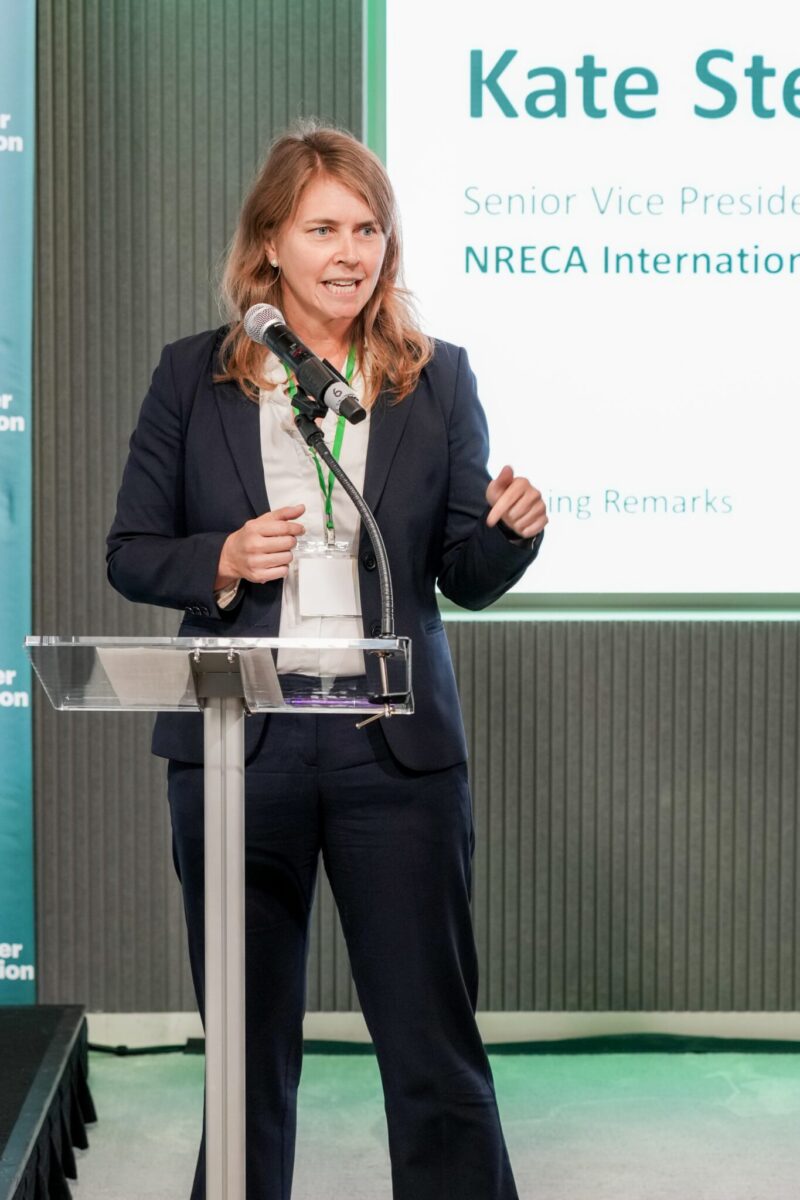
“Building rural power systems is only part of the challenge as we work to bring electricity to communities in Africa,” says Kate Steel, Senior Vice President of NRECA International.
The larger challenge, she emphasizes, is ensuring that those systems remain financially and operationally sustainable over time.
This emphasis on sustainability distinguishes the project from traditional models that depend heavily on ongoing grant support.
If the pilot programs demonstrate that flexible computing demand can improve financial performance without compromising community access, they could provide a foundation for new partnerships between development institutions, private investors, and technology companies.
Can Artificial Intelligence Become a Force for Inclusive Growth?
As artificial intelligence continues to reshape the global economy, questions surrounding its energy consumption, infrastructure requirements, and social consequences are becoming increasingly urgent.
The Rockefeller Foundation’s Emergent Grid Project reframes part of that debate.
Instead of asking only how the world can generate enough electricity to meet AI’s growing demands, it asks whether those demands can be directed toward places where new economic activity might make essential infrastructure more viable.
For Africa, where electricity access remains a critical barrier to development, the answer could carry far-reaching implications.
For the investment and philanthropic communities, the initiative illustrates how creative financing structures and technological innovation may help address challenges that conventional approaches have struggled to solve.
And for the millions of people still living without reliable power, the ultimate measure of success will not be the amount of computing capacity deployed, but whether electricity becomes more accessible, affordable, and dependable.
The Emergent Grid Project is still in its demonstration phase, and its commercial and social outcomes remain to be proven.
Yet its central proposition is a powerful one: the next wave of technological innovation could help finance the infrastructure needed to ensure that more people participate in the global economy.
For a world confronting both an AI revolution and persistent development inequalities, that is a possibility worth exploring.
For more information about the Emergent Grid Project and Mission 300, visit The Rockefeller Foundation.