Why are billionaires obsessed with yachts? It is a question that has become increasingly common as global wealth expands and public fascination with ultra-high-net-worth lifestyles continues to grow. The answer extends far beyond displays of wealth. For many of the world’s wealthiest entrepreneurs, investors, celebrities, and family offices, yachts represent privacy, freedom, mobility, and a highly personalized lifestyle that few other luxury assets can match.
Over the past decade, the market for billionaire yachts and sophisticated superyachts has evolved dramatically. Rather than purchasing vessels solely for prestige, many owners now view them as platforms for family life, business networking, global travel, and unforgettable experiences. As the number of wealthy individuals continues to increase worldwide, yacht builders, brokers, and designers have responded with larger, smarter, and more sustainable vessels that reflect changing priorities.
The modern UHNW lifestyle increasingly emphasizes experiences over possessions. A superyacht combines private hospitality, luxury accommodation, international mobility, and bespoke design in one extraordinary asset. Consequently, yacht ownership has become an extension of personal identity, allowing owners to travel on their own terms while enjoying exceptional comfort and discretion.
Understanding why billionaires continue investing in these floating residences requires looking beyond price tags and into the broader relationship between global wealth, lifestyle investing, and the growing desire for exclusive travel experiences.
Why Are Billionaires Obsessed With Yachts?
Although public attention often focuses on the enormous size and value of modern superyachts, the real attraction lies in something less visible: complete control over time, privacy, and personal space. Unlike hotels or private resorts, a yacht moves wherever its owner chooses while maintaining an environment tailored entirely to individual preferences.
Privacy has become one of the world’s most valuable luxury commodities. High-profile entrepreneurs, executives, entertainers, and investors frequently seek environments where they can spend time with family, entertain guests, or conduct confidential meetings without constant public attention. A yacht offers exactly that level of exclusivity.
Freedom represents another powerful motivation. Owners can explore Mediterranean coastlines, Caribbean islands, Norwegian fjords, or remote Pacific anchorages without following fixed schedules. Every itinerary can change according to weather, personal interests, or spontaneous opportunities, creating a travel experience that feels genuinely unrestricted.
Several factors consistently explain why billionaire yacht ownership remains so appealing:
- Complete privacy away from public attention.
- Flexible global travel without traditional tourism limitations.
- Bespoke interiors reflecting individual taste.
- Exceptional entertainment for family, friends, and business associates.
- Access to secluded destinations unavailable to larger cruise ships.
Yet these practical benefits also carry emotional value. Many owners describe their yachts as places where family traditions develop across generations, combining exploration with meaningful time together. Instead of being used only for vacations, yachts often become extensions of everyday lifestyles.
As experiential luxury continues replacing conventional status symbols, yachts increasingly represent independence rather than extravagance. That shift helps explain why demand remains resilient even as buyer preferences evolve.
Beyond Luxury: How Superyachts Have Become Lifestyle Assets
Modern superyachts have evolved far beyond symbols of financial success. Today, they function as highly personalized lifestyle assets that combine hospitality, innovation, business utility, and family enjoyment within a single platform.
Customization plays a defining role in that transformation. Owners commission bespoke interiors featuring private cinemas, wellness spas, beach clubs, wine cellars, art collections, recording studios, and even scientific research facilities. Every space reflects the owner’s personality rather than following standardized luxury trends.
Business has also found an unexpected place at sea. Executives increasingly use yachts for discreet meetings, relationship building, and strategic discussions in environments that encourage deeper conversations than traditional boardrooms. The absence of everyday distractions often creates a more productive atmosphere while preserving complete confidentiality.
Family considerations influence ownership as well. Multi-generational travel has become a growing priority among affluent households, and yachts allow grandparents, parents, and children to explore together while enjoying private accommodations and personalized service. Many owners see these experiences as investments in family legacy rather than simple leisure.
Innovation continues reshaping the onboard experience. Advanced stabilization systems, hybrid propulsion technologies, intelligent automation, satellite connectivity, and sophisticated wellness facilities have dramatically improved comfort while reducing environmental impact. Builders increasingly balance luxury with sustainability, recognizing that many buyers expect responsible innovation alongside exceptional craftsmanship.
This evolution reflects a broader trend across luxury markets. Increasingly, the world’s wealthiest individuals prioritize memorable experiences over visible consumption. A superyacht satisfies that demand by combining exploration, hospitality, flexibility, and exclusivity within one remarkable asset.
However, lifestyle alone does not explain every purchasing decision. Financial planning, family office oversight, operating economics, and long-term ownership strategies also shape how billionaires approach yacht acquisitions, making yacht ownership as much a strategic decision as a personal one.
Wealth, Family Offices, and the Business of Yacht Ownership
Behind many of the world’s most impressive superyachts sits a carefully planned ownership structure rather than an impulsive luxury purchase. Increasingly, family offices oversee acquisitions, operating budgets, tax planning, insurance, crew management, and long-term maintenance, ensuring that yacht ownership aligns with broader wealth management objectives. While the emotional appeal of owning a yacht remains powerful, disciplined financial oversight has become equally important.
For many ultra-high-net-worth families, luxury assets now form part of diversified portfolios that also include prime real estate, private aviation, fine art, and alternative investments. Within that context, a yacht occupies a unique position. It may not generate returns like a traditional financial investment, yet it delivers lifestyle value, international mobility, family experiences, and networking opportunities that few other assets can replicate.
Ownership nevertheless requires careful financial planning. Annual expenses—including crew salaries, fuel, insurance, marina berths, technical servicing, and periodic refits—can be substantial. Successful owners generally approach these costs with realistic expectations, viewing them as the ongoing investment required to preserve both the vessel’s condition and the quality of the onboard experience.
When evaluating luxury assets, billionaires often consider factors beyond simple financial returns:
- Privacy and exclusivity unavailable through conventional travel
- Long-term family enjoyment and legacy planning
- International mobility and destination flexibility
- Opportunities for discreet business networking
- Access to premium charter programs when appropriate
Ultimately, yachts occupy a distinctive place within modern wealth strategies because they combine personal fulfillment with practical utility. That balance explains why many affluent families continue to allocate capital toward superyachts despite their significant operating commitments.
The broader luxury asset landscape, however, places yachts alongside several other prestigious ownership categories, making direct comparisons increasingly relevant for today’s global investors.
| Luxury Asset | Primary Appeal | Why Billionaires Value It |
|---|---|---|
| Superyachts | Privacy, mobility, bespoke experiences | Combines travel, entertainment, family life, and exclusivity |
| Private Jets | Speed and convenience | Maximizes time efficiency and global accessibility |
| Luxury Real Estate | Stability and prestige | Provides long-term lifestyle value and legacy ownership |
| Fine Art | Cultural significance | Portfolio diversification and collectible value |
| Classic Automobiles | Passion and rarity | Heritage, craftsmanship, and collector appeal |
Although yachts compete with several premium asset classes, they remain uniquely versatile. A residence stays in one location, while an aircraft serves transportation above all else. A superyacht, by contrast, functions as a private residence, boutique hotel, entertainment venue, wellness retreat, and exploration platform simultaneously.
How Superyachts Compare With Other Luxury Assets?
Comparisons between yachts, private jets, and luxury real estate often focus on cost, yet wealthy buyers usually evaluate them according to lifestyle outcomes rather than acquisition prices. Each asset fulfills a different purpose within a diversified luxury portfolio.
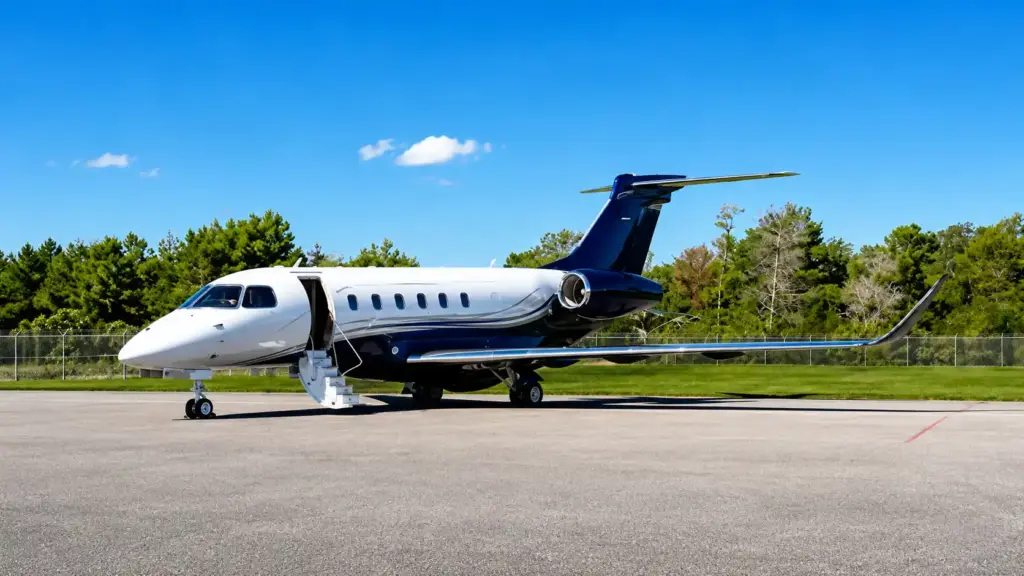
Private jets deliver unmatched efficiency. They reduce travel time, provide scheduling flexibility, and connect global business centers with remarkable speed. Their primary value lies in productivity and convenience, making them indispensable for executives who travel frequently between continents.
Luxury real estate offers permanence and stability. Iconic residences in destinations such as London, New York, Dubai, Monaco, or Singapore often serve as family homes, legacy assets, or long-term stores of wealth. These properties become part of a family’s identity across generations.
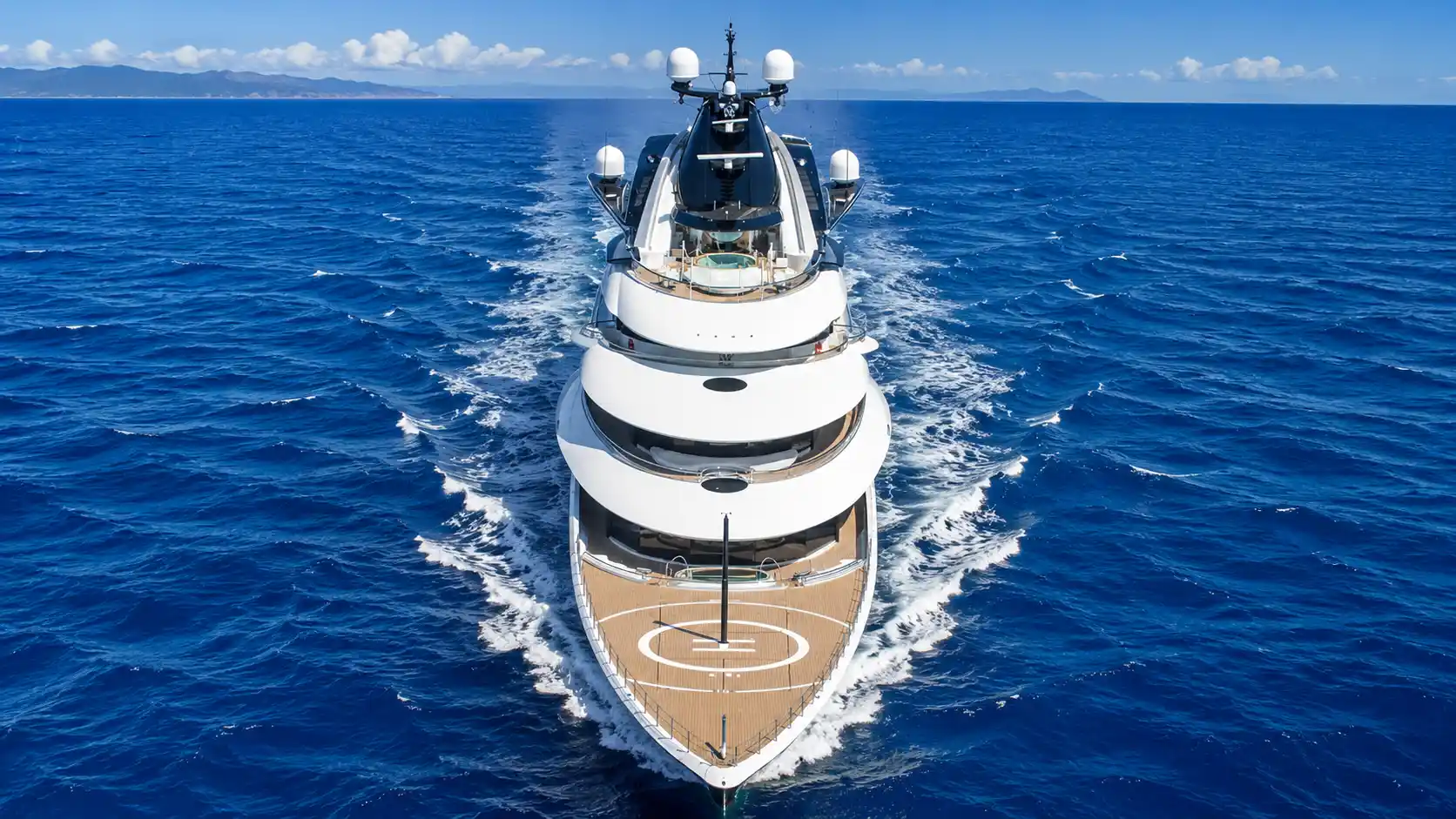
Superyachts occupy a distinct middle ground. They combine mobility with hospitality, allowing owners to relocate their private environment from one extraordinary destination to another. Whether anchored in the Mediterranean during summer or exploring the Caribbean through winter, the owner’s lifestyle travels with them.
Personalization further distinguishes yacht ownership. Every element—from interior architecture and wellness facilities to dining concepts and onboard entertainment—can reflect individual preferences. Few luxury assets offer comparable freedom to create an entirely bespoke environment.
Experiential value has become equally significant. Wealthy individuals increasingly prioritize meaningful experiences shared with family and close friends over additional material possessions. A yacht enables those experiences repeatedly while providing privacy that even exclusive resorts cannot guarantee.
Consequently, many billionaires no longer choose between luxury assets. Instead, they assemble complementary portfolios in which real estate provides permanence, aircraft deliver efficiency, and yachts offer unparalleled freedom, relaxation, and lifestyle flexibility.
In the next section, those differences become even clearer through a direct comparison of today’s most sought-after luxury asset categories.
Frequently Asked Questions
Why are billionaires obsessed with yachts?
The answer to Why are billionaires obsessed with yachts lies in their unique combination of privacy, global mobility, bespoke luxury, and exclusive experiences that few other assets can provide.
Do billionaires view yachts as investments?
Most billionaires view yachts primarily as lifestyle assets rather than financial investments, although they can support wealth strategies through charter opportunities and long-term legacy planning.
Why do billionaires prefer yachts over private jets?
Private jets maximize speed, while yachts provide extended privacy, relaxation, family experiences, and personalized hospitality in some of the world’s most exclusive destinations.
How much does it cost to maintain a superyacht?
Annual operating costs typically include crew salaries, fuel, maintenance, insurance, marina fees, and refits. Expenses vary significantly depending on the yacht’s size, age, and usage.
Can owners earn income by chartering their yachts?
Yes. Many owners place their yachts into professionally managed charter programs, helping offset some operating costs while maintaining professional standards of maintenance and service.
What features do modern billionaire yachts include?
Modern superyachts often feature private cinemas, wellness spas, beach clubs, infinity pools, helipads, smart automation systems, gourmet kitchens, and luxurious owner suites customized to individual preferences.
Do family offices manage yacht ownership?
Many family offices oversee yacht ownership by coordinating acquisitions, budgeting, insurance, taxation, regulatory compliance, crew management, and long-term maintenance as part of broader wealth management strategies.
Are sustainable superyachts becoming more popular?
Yes. Leading yacht builders increasingly incorporate hybrid propulsion, energy-efficient systems, advanced wastewater treatment, and sustainable materials to reduce environmental impact while maintaining exceptional luxury.
What makes yachts different from other luxury assets?
Unlike private jets or luxury real estate, yachts combine mobility, privacy, personalized hospitality, entertainment, and global exploration within a single bespoke asset.
Will demand for billionaire yachts continue growing?
Industry trends suggest continued demand as global wealth expands, younger entrepreneurs enter the luxury market, and buyers increasingly prioritize experiential luxury, personalization, and sustainable innovation.