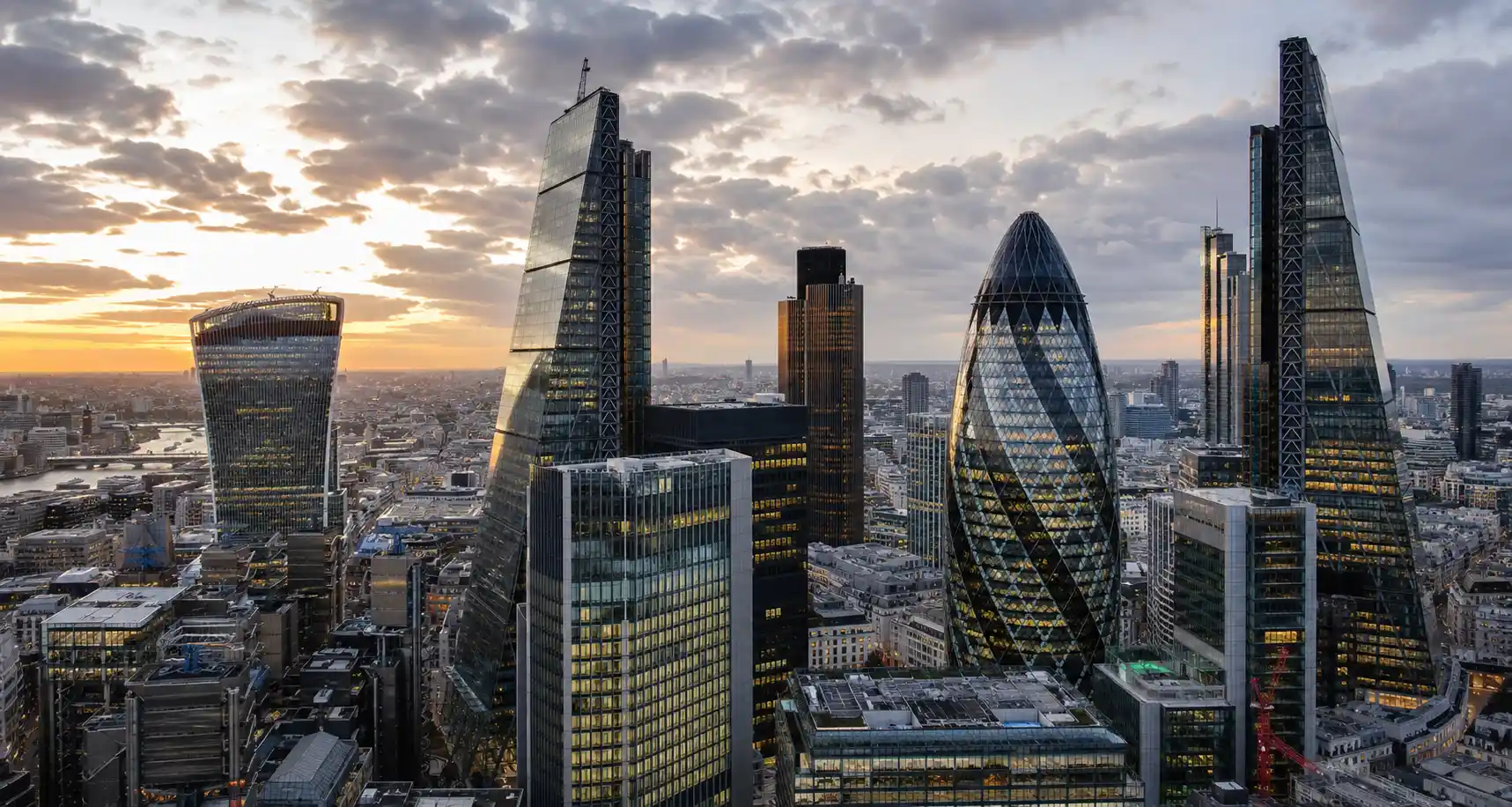
London commercial real estate remains one of the world’s most coveted asset classes, consistently attracting billionaire investors, sovereign wealth funds, multinational corporations, and family offices despite changing economic cycles and evolving global markets. As the London property market continues to demonstrate remarkable resilience, commercial property London has become synonymous with long-term capital preservation, international diversification, and exposure to one of the world’s most sophisticated financial ecosystems. For investors pursuing billionaire real estate investment strategies, London offers far more than iconic buildings—it provides direct access to global wealth, world-class institutions, and enduring economic influence.
Unlike rapidly emerging commercial markets that often depend on accelerated growth, London’s appeal is built upon centuries of legal stability, transparent regulation, deep capital markets, and an unmatched concentration of financial, legal, technological, and professional services. These structural advantages continue attracting international capital even during periods of geopolitical uncertainty, inflationary pressure, or economic volatility.
Today, family office investments, pension funds, insurance companies, and ultra-high-net-worth individuals increasingly regard London not simply as a destination for premium assets but as a permanent strategic allocation within diversified global portfolios. Supported by continuous urban regeneration, infrastructure investment, ESG-focused developments, and sustained corporate demand for prime office space London, the city’s commercial property market continues to reinforce its reputation as one of the safest and most prestigious destinations for long-term wealth creation.
How London Became One of the World’s Premier Commercial Property Markets?
London’s commercial property market has achieved global prominence through centuries of financial evolution rather than short-term expansion. As one of the world’s leading financial centers, London has consistently attracted international banks, multinational corporations, asset managers, legal firms, technology companies, and professional service providers seeking access to global capital and international business opportunities.
Its historical importance as a center of commerce created an ecosystem that few cities have been able to replicate. Institutions developed alongside robust legal systems, transparent property rights, and mature financial markets, giving investors confidence that commercial assets could preserve value across multiple economic cycles.
The city’s global connectivity further strengthens its competitive position. London serves as a bridge between North America, Europe, the Middle East, and Asia, allowing multinational corporations to coordinate international operations from a single location. This strategic advantage continues generating demand for premium office developments, mixed-use commercial districts, logistics facilities, and hospitality assets.
Infrastructure investment has played an equally significant role. Continuous improvements to public transportation, airport connectivity, digital infrastructure, and large-scale urban regeneration projects have transformed commercial districts while increasing long-term property values. Redeveloped business hubs continue attracting global occupiers seeking modern work environments equipped with advanced technology and sustainability features.
Meanwhile, the UK’s legal framework remains one of London’s strongest competitive advantages. Transparent ownership rights, sophisticated financial regulation, reliable contract enforcement, and institutional stability create an investment climate that encourages long-term capital allocation rather than speculative activity.
The result is a commercial property market supported by genuine economic fundamentals. London’s success is not driven solely by property appreciation but by sustained demand generated through finance, technology, education, healthcare, media, creative industries, and international business services.
These structural strengths continue reinforcing London’s position as one of the world’s premier destinations for institutional and private commercial real estate investment.
Why Billionaires Continue to Invest in London Commercial Real Estate?
For billionaire investors, commercial real estate represents much more than a source of rental income. It functions as a long-term wealth preservation tool capable of balancing portfolio risk while providing exposure to globally significant business environments. London commercial real estate aligns exceptionally well with these investment objectives.
Prime commercial assets in London benefit from enduring international demand. Global corporations continue requiring prestigious headquarters, flexible office environments, flagship retail locations, and strategically positioned logistics facilities. This sustained occupier demand creates a level of market resilience that appeals to investors focused on preserving capital across generations.
Another important factor is liquidity. London’s commercial property market remains among the deepest and most active in the world, allowing institutional investors, sovereign wealth funds, and private capital to deploy substantial investments with confidence. A broad investor base contributes to pricing transparency and enhances the market’s long-term stability.
International diversification also drives investment decisions. Many wealthy investors deliberately allocate capital across multiple jurisdictions to reduce geopolitical concentration risk. London continues serving as a cornerstone within these global portfolios because it combines mature institutions with international business connectivity.
Several advantages consistently attract billionaire capital:
- Legal transparency and investor protection
- Deep institutional investment market
- Global financial leadership
- Strong multinational occupier demand
- International liquidity
- Long-term capital preservation potential
Family offices
Family offices increasingly view London through a multi-generational lens. Rather than attempting to capitalize on short-term market fluctuations, they seek assets capable of maintaining purchasing power while generating stable income over extended investment horizons. Prime commercial developments in established business districts often satisfy these objectives.
Institutional investors share a similar perspective. Pension funds, insurance companies, sovereign wealth funds, and private equity firms continue allocating capital to premium commercial assets because they complement diversified investment strategies focused on resilience rather than speculation.
Although market cycles inevitably influence pricing, London’s enduring economic significance has consistently supported investor confidence. This combination of historical credibility and future relevance explains why the city remains a preferred destination for global capital.
The Commercial Assets Driving Long-Term Wealth Creation
London’s commercial property market offers remarkable diversity, enabling investors to construct balanced portfolios across multiple asset classes supported by different economic drivers.
Grade A office buildings remain among the market’s most prestigious investments. Demand from multinational corporations, financial institutions, consulting firms, law firms, and technology companies continues supporting premium office developments located within London’s leading business districts. Increasingly, occupiers prioritize buildings that combine flexible workspace, advanced digital infrastructure, wellness amenities, and strong ESG credentials.
Retail Property
Retail property has evolved considerably over the past decade. Luxury shopping destinations increasingly integrate hospitality, entertainment, culture, and dining to create experience-driven environments that attract both consumers and international brands. These premium retail assets remain highly attractive to investors seeking long-term tenant quality.
Logistics and Industrial Property
Logistics and industrial assets have experienced significant structural growth as e-commerce expansion, urban distribution networks, and supply chain modernization reshape commercial demand. Strategically located logistics facilities now represent an increasingly important component of institutional portfolios.
| Commercial Asset Type | Billionaire Investment Appeal | Long-Term Value |
|---|---|---|
| Prime Office Space | Blue-chip corporate tenants and prestigious locations | Stable income and capital appreciation |
| Luxury Retail | International brands and affluent consumers | Strong long-term tenant demand |
| Logistics & Industrial | E-commerce and supply chain expansion | Structural growth and resilient cash flow |
| Hospitality Assets | Global tourism and business travel | Diversified income generation |
| Mixed-Use Developments | Multiple revenue streams and urban regeneration | Portfolio resilience and sustainable growth |
The diversity of London’s commercial assets provides investors with flexibility that extends beyond traditional office ownership. By combining office, retail, logistics, hospitality, and mixed-use developments, investors can create portfolios designed to perform across varying economic environments while maintaining exposure to one of the world’s most mature commercial property ecosystems.
This diversified investment landscape naturally leads to another defining feature of London’s market: the growing influence of family offices, institutional capital, and sophisticated global investors who increasingly shape the city’s long-term commercial property strategy.
Family Offices, Institutional Capital, and London’s Competitive Advantage
The growing influence of family office investments has become one of the defining characteristics of London’s commercial property market. Unlike short-term investors focused on market timing, family offices typically allocate capital with a multi-generational perspective. Their priorities revolve around wealth preservation, predictable income, geographic diversification, and ownership of irreplaceable assets that can withstand changing economic conditions.
London continues to satisfy these objectives because its commercial property market combines legal certainty with global business relevance. The city’s mature financial ecosystem, internationally respected legal framework, and transparent ownership structure provide institutional confidence that few commercial markets can consistently match.
Sovereign wealth funds, pension schemes, insurance companies, and private equity firms have reinforced this confidence by maintaining significant exposure to UK commercial real estate. Their continued participation creates liquidity, supports pricing transparency, and strengthens London’s reputation as a market backed by long-term institutional conviction rather than speculative demand.
Urban regeneration has become another powerful driver of commercial value. Large-scale redevelopment projects continue transforming established business districts while creating new mixed-use destinations that integrate offices, retail, hospitality, residential space, and public amenities. These developments attract multinational occupiers seeking modern workplaces capable of supporting hybrid work, employee wellbeing, and sustainability objectives.
Infrastructure investment complements this transformation. Continuous improvements to transportation networks, digital connectivity, and public spaces enhance accessibility while supporting commercial activity throughout the city. Businesses increasingly prioritize locations that offer efficient mobility, highly skilled workforces, and proximity to financial institutions, universities, and innovation clusters.
London vs. Other Global Commercial Property Markets
Every major commercial property market offers distinct advantages, yet London occupies a unique position within global investment portfolios because it combines financial depth, legal stability, international connectivity, and enduring investor confidence.
New York remains one of the world’s largest financial centers, supported by enormous capital markets and corporate headquarters. Dubai has emerged as a rapidly expanding international business hub connecting Europe, Asia, and Africa while offering attractive tax advantages. London, however, differentiates itself through a balance of mature institutions, global capital access, legal transparency, and a diverse occupier base spanning multiple industries.
| London | New York | Dubai | Key Difference |
|---|---|---|---|
| Deep institutional capital market | Largest corporate economy | Rapid international growth | Long-established legal and financial ecosystem |
| Transparent legal framework | Strong financial markets | Tax-efficient environment | Exceptional investor confidence |
| Global financial gateway | North American business leadership | Three-continent connectivity | International capital diversification |
| Mature commercial market | High liquidity | Attractive rental potential | Stability across economic cycles |
| Strong ESG adoption | Innovation leadership | Infrastructure expansion | Balance of resilience and prestige |
Rather than competing directly, these cities increasingly complement one another within diversified global portfolios. Many billionaire investors deliberately allocate capital across all three markets to balance growth opportunities with long-term stability.
London’s strength lies in its consistency. While market conditions inevitably fluctuate, the city’s institutional credibility, legal certainty, and concentration of global businesses continue supporting commercial property demand through multiple economic cycles.
The Future of London Commercial Real Estate
The future of London commercial real estate will be driven by innovation, sustainability, and changing occupier expectations. Growth will depend not only on new developments but also on smarter, more adaptable commercial assets.
Investors increasingly favor properties that can adapt to technological change while maintaining long-term value. This shift is encouraging developers to focus on flexibility, operational efficiency, and tenant experience.
Premium office developments continue evolving toward flexible workplace layouts, advanced digital infrastructure, wellness amenities, and intelligent building management systems. Hybrid working has not reduced office demand. Instead, it has increased demand for higher-quality workplaces that attract talent and encourage collaboration.
Mixed-use developments are expected to play a larger role in London’s commercial landscape. By combining offices, hospitality, retail, leisure, and residential space, these projects create multiple income streams. They also strengthen urban neighborhoods and reduce investment risk through greater diversification.
Logistics properties remain well positioned for long-term growth. Continued expansion in e-commerce, supply chain modernization, and last-mile delivery supports strong occupier demand. Luxury retail assets should also remain resilient because London continues to attract international shoppers and global tourism.
ESG standards will become even more influential over the coming decade. Governments, occupiers, lenders, and investors increasingly prioritize environmental performance and operational efficiency. Commercial buildings that meet evolving sustainability standards are likely to outperform older assets.
Together, these trends indicate that London’s commercial property market will continue evolving while preserving the institutional strengths that have supported investor confidence for decades.
Why London Remains a Cornerstone of Global Wealth Portfolios?
London’s commercial property market continues attracting global capital because it offers far more than prestigious buildings. It provides access to one of the world’s most influential financial ecosystems. That ecosystem is supported by respected legal institutions, deep capital markets, and outstanding international connectivity.
For multinational corporations, London remains a strategic headquarters location. Companies benefit from access to international finance, professional services, technology, and global talent. These advantages continue generating strong demand for premium commercial space.
Investors also benefit from these economic foundations. Consistent occupier demand supports long-term rental performance and reinforces the city’s reputation as a stable commercial market.
London has repeatedly demonstrated resilience during changing economic conditions. Property values may fluctuate, but the city’s ability to attract businesses, entrepreneurs, skilled professionals, and international capital has remained remarkably consistent.
That resilience explains why many billionaire investors now treat London as a permanent portfolio allocation rather than a short-term investment opportunity.
Unique Insight
The enduring value of London commercial real estate extends well beyond rental income or capital appreciation. Its greatest strength is its position as one of the world’s leading gateways for finance, commerce, innovation, and international investment.
For billionaire investors and family offices, owning premium commercial assets in London means participating in an ecosystem built over centuries. Legal transparency, deep institutional capital, international connectivity, and sophisticated financial services combine to create exceptional long-term stability.
London also continues adapting to changing market demands. ESG-certified developments, smart buildings, flexible workplaces, and mixed-use districts ensure the city remains competitive in a rapidly evolving global economy.
Ultimately, London commercial real estate offers much more than attractive investment performance. It provides stability, diversification, international business exposure, and access to one of the world’s most mature commercial property markets. Those strengths continue reinforcing London’s role within global wealth portfolios.
Conclusion
For generations, London has remained one of the world’s most trusted destinations for commercial property investment. Billionaire investors, sovereign wealth funds, multinational corporations, and institutional capital continue allocating resources to the city because of its legal stability, deep financial markets, premium commercial assets, and international business appeal.
From prime office space London to luxury retail destinations, logistics facilities, and mixed-use developments, the market offers diversified opportunities supported by genuine economic activity. Continuous urban regeneration, infrastructure investment, and institutional participation further strengthen London’s competitive position.
As investors increasingly prioritize resilience alongside returns, London commercial real estate continues to stand out as one of the world’s leading long-
term investment markets. Its greatest strength is not only its iconic commercial buildings but also its enduring ability to preserve wealth, attract global businesses, and provide sophisticated investors with lasting international exposure.
Frequently Asked Questions
Why do billionaires invest in London commercial real estate?
They value London’s legal stability, deep capital markets, international business environment, and long-term wealth preservation potential.
Is London commercial real estate a good long-term investment?
Yes. London commercial real estate combines stable institutional demand, premium assets, and global investor confidence, making it attractive for long-term portfolios.
Can foreign investors buy commercial property in London?
Yes. International investors can purchase commercial property in London, subject to UK laws and applicable tax regulations.
Which commercial sectors perform best in London?
Prime offices, logistics, luxury retail, hospitality, and mixed-use developments continue attracting strong institutional interest.
Why do multinational companies choose London?
London offers global financial connectivity, highly skilled talent, legal transparency, and access to international markets.
How does London compare with New York and Dubai for commercial property?
London stands out for legal certainty and institutional maturity, while New York offers scale and Dubai provides rapid growth and tax efficiency.
What role do family offices play in London’s property market?
Family offices provide patient capital focused on wealth preservation, diversification, and ownership of premium commercial assets.
How does London commercial real estate support wealth preservation?
It offers stable income, internationally recognized assets, legal protection, and exposure to a mature commercial market.
What risks should investors consider?
Investors should assess economic cycles, financing costs, tenant quality, regulatory changes, and evolving workplace trends.
What is the future outlook for London commercial real estate?
The long-term outlook remains positive, supported by ESG innovation, urban regeneration, institutional demand, and London’s enduring role as a global financial hub.