Walk into the home of a successful entrepreneur today, and you may notice something surprising.
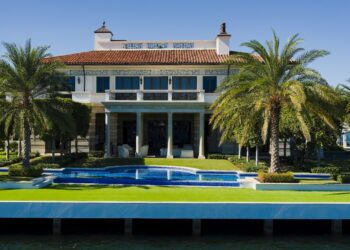
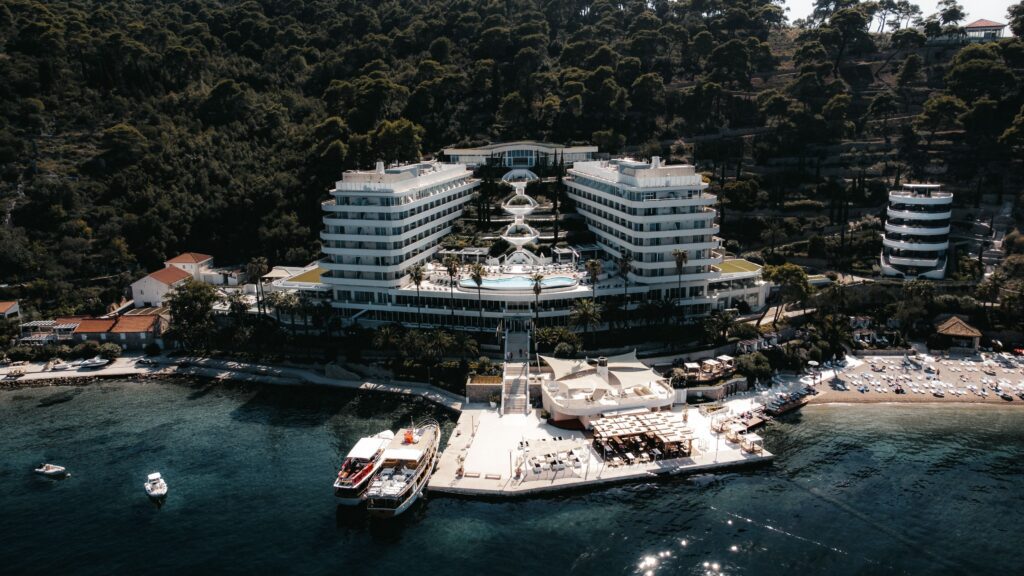
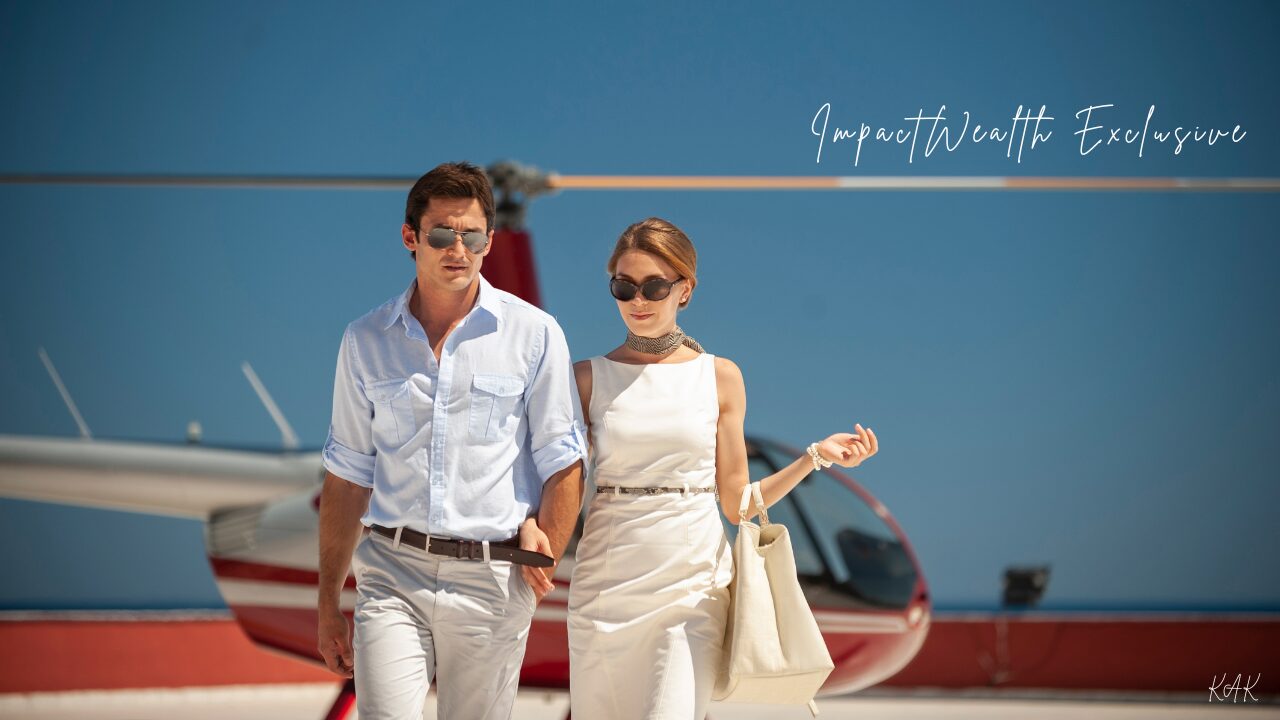
There isn’t always a garage filled with supercars or a closet overflowing with designer labels. Instead, the conversation often turns to a private expedition in Antarctica, a week aboard a chartered yacht in the Mediterranean, a wellness retreat in the Swiss Alps, or dinner prepared by a Michelin-starred chef in a centuries-old Tuscan villa.
For generations, wealth was displayed through ownership. A luxury watch, a rare automobile, a beachfront mansion, or a private jet signaled financial success.
Today, while these symbols still matter, they are no longer the whole story.
For travelers seeking inspiration, our guide to luxury travel experiences explores how discerning travelers are redefining premium journeys through exclusivity, personalization, and unforgettable moments.
Across the luxury industry, a profound shift is underway. Increasingly, affluent individuals are choosing experiences over possessions—not because they can no longer afford luxury goods, but because experiences offer something material objects cannot: lasting memories, meaningful connections, personal growth, and stories worth telling.
This isn’t simply a lifestyle trend. It represents a new definition of luxury.
Luxury Has Become More Personal
Luxury used to be about visibility.
Owning something rare or expensive was often enough to communicate success.
Today’s affluent consumers are becoming more selective. Rather than asking, “What can I buy?” many are asking, “What will enrich my life?”
That change is influencing everything from travel and hospitality to fine dining, wellness, and even luxury retail.
According to Bain & Company and the Altagamma Luxury Goods Worldwide Market Study, one of the most significant structural changes in the luxury industry is the shift from traditional luxury purchases toward what it describes as “experiential indulgence.” Wellness, fine dining, exclusive hospitality, elite sporting events, and bespoke travel are becoming central drivers of luxury spending.
The implication is clear: modern luxury is increasingly defined by what people experience rather than what they own.
Memories Appreciate Differently Than Possessions
A designer handbag may eventually be replaced by a newer collection.
A luxury vehicle depreciates the moment it leaves the showroom.
Even exceptional jewelry spends much of its life inside a safe.
Experiences behave differently.
People remember extraordinary moments for decades. They share them with friends, pass them on to their children, and often build personal traditions around them.
For many wealthy families, these experiences become part of their legacy.
Whether it’s an annual African safari, sailing through the Norwegian fjords, or taking grandchildren on a cultural tour of Japan, the value lies in the memories created—not simply the money spent.
Privacy Has Become the Ultimate Luxury
One of the biggest changes in affluent lifestyles is the growing importance of privacy.
Rather than seeking crowded tourist destinations, high-net-worth travelers increasingly prefer secluded villas, private islands, invitation-only events, and tailor-made itineraries.
Luxury today is less about attracting attention and more about escaping it.
This growing preference for discretion has also fueled the rise of what many now call quiet luxury in travel, where private villas, bespoke itineraries, and invitation-only experiences replace crowded tourist hotspots and conspicuous displays of wealth.
The ability to enjoy extraordinary experiences without interruption has become a status symbol in its own right.
That is one reason private aviation, bespoke travel planning, and members-only clubs continue to attract wealthy clients seeking exclusivity beyond material possessions.
Wellness Is No Longer an Expense—It’s an Investment
Perhaps no sector illustrates this transformation better than wellness.
For affluent individuals, wellness has evolved far beyond spa treatments.
Today’s luxury wellness often includes:
- Preventive health programs
- Longevity clinics
- Personalized nutrition
- Executive health assessments
- Sleep optimization
- Fitness retreats
- Mental performance coaching
Time has become the world’s rarest luxury, and maintaining health is increasingly viewed as the best investment for enjoying that time.
Rather than purchasing another luxury watch, many wealthy individuals are investing in something even more valuable: years of healthy living.
Access Is the New Status Symbol
Owning something exclusive still carries prestige.
But increasingly, access carries even greater value.
Private previews of art exhibitions.
Dinner with renowned chefs.
Invitation-only investment conferences.
Behind-the-scenes cultural experiences.
Expeditions led by scientists.
Access offers something possessions cannot: uniqueness. We recently explored how exclusive luxury travel experiences are becoming the preferred way for affluent travelers to create lasting memories instead of simply collecting luxury goods.
Two people can purchase the same luxury handbag.
Very few can enjoy the exact same once-in-a-lifetime experience.
That exclusivity makes experiences difficult to replicate—and therefore more meaningful.
The Next Generation Thinks Differently
Generational change is also reshaping luxury.
Many younger affluent consumers place greater emphasis on authenticity than conspicuous consumption.
They are often less interested in displaying wealth publicly and more interested in spending on experiences that align with their personal values.
Adventure travel.
Conservation tourism.
Cultural immersion.
Fine dining.
Creative learning.
Exclusive sporting events.
Rather than collecting objects, many are collecting stories.
This shift is influencing how luxury brands engage with their customers and how premium services are designed.
Luxury Brands Are Following the Consumer
The industry’s biggest players have noticed this evolution.
Luxury brands are increasingly expanding into hospitality, wellness, gourmet dining, travel, and personalized services to strengthen emotional relationships with clients rather than relying solely on product sales. Bain describes this movement as a structural shift toward experience-led luxury, with hospitality, cruises, fine dining, and exclusive activities becoming increasingly important to the industry’s future.
This is more than diversification.
It reflects a recognition that affluent consumers increasingly value unforgettable moments over accumulating more possessions.
Experiences Build Stronger Legacies
One question often separates wealthy individuals from everyone else:
“What will people remember?”
Few families gather around to admire an old purchase.
They gather to remember shared adventures.
The safari where three generations traveled together.
The anniversary celebrated beneath the Northern Lights.
The private concert held for close friends.
The volunteer expedition that changed a family’s perspective on the world.
These experiences become family stories that outlive material possessions.
Perhaps that is why many successful people increasingly view experiences not as indulgences, but as investments in relationships, happiness, and legacy.
What This Means for the Future of Luxury
Luxury is not abandoning craftsmanship, heritage, or exceptional products.
For those planning their next exceptional journey, thoughtful preparation often makes the difference between a memorable holiday and a truly extraordinary experience. Our collection of luxury travel hacks and insider tips offers practical advice on elevating every stage of premium travel, from personalized service to exclusive upgrades.
A beautifully made watch, a rare collector’s automobile, or a timeless piece of jewelry will always have a place in the world of wealth.
What is changing is the role these items play.
They are becoming part of a broader lifestyle centered on meaning, personalization, and access.
In many ways, luxury is returning to its original purpose—not to impress strangers, but to enrich life.
As the global luxury market evolves, the greatest symbol of wealth may no longer be the most expensive thing someone owns.
It may be the extraordinary experiences they have lived, the people they have shared them with, and the memories that no market fluctuation can ever diminish.