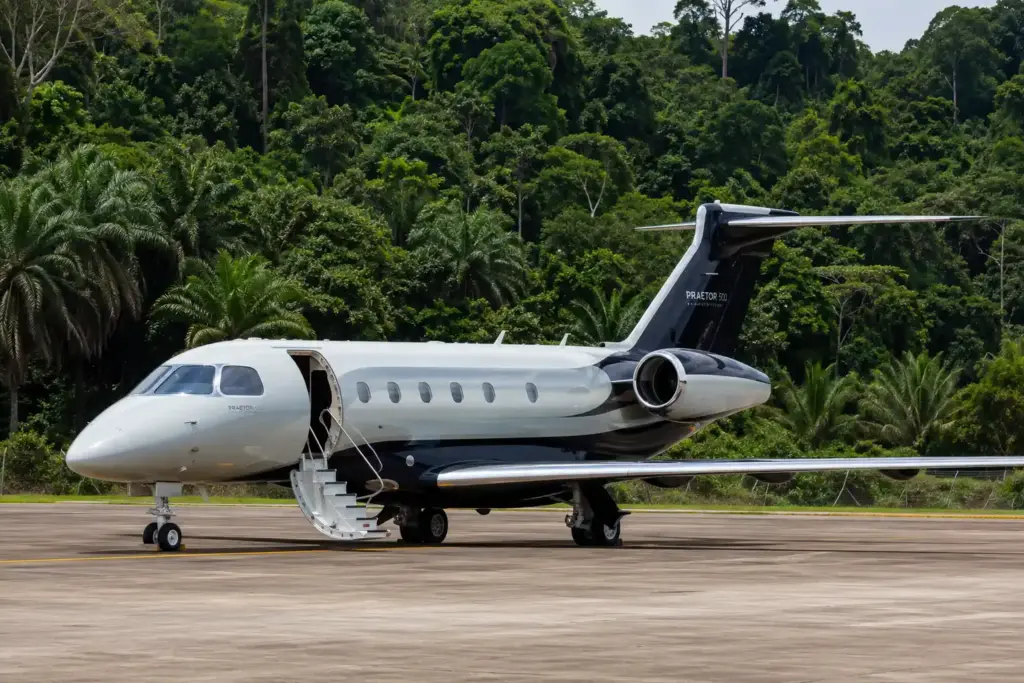
The global private aviation industry continues to evolve at a remarkable pace. While private jet ownership once represented the pinnacle of elite mobility, a growing number of ultra-high-net-worth individuals are reevaluating whether owning an aircraft remains the most effective way to travel. As a result, the trend of billionaires chartering private jets rather than purchasing them outright has gained significant momentum heading into 2026 and beyond.
For decades, ownership symbolized exclusivity, control, and status. However, changing economic realities, advancing technology, and evolving luxury preferences have reshaped the private aviation landscape. Today, flexibility often carries greater value than possession. Moreover, on-demand aviation services have matured considerably, offering access to extensive fleets, customized travel solutions, and seamless global mobility without the complexities associated with ownership.
Meanwhile, operating costs continue to rise across the business aviation industry. Acquisition expenses, maintenance requirements, crew management, insurance, and regulatory compliance create substantial ongoing commitments. Consequently, many wealthy travelers now view private aviation through a strategic asset-allocation lens rather than a purely lifestyle-driven perspective.
Additionally, fractional ownership programs, jet card memberships, and subscription-based aviation services have expanded dramatically. These alternatives allow travelers to enjoy private flight benefits while preserving capital for other investments. Therefore, the future of luxury mobility increasingly centers on access, efficiency, and personalization rather than outright ownership.
The Traditional Appeal of Private Jet Ownership
For much of modern aviation history, owning a private jet represented one of the clearest indicators of extraordinary wealth. Aircraft ownership offered unmatched convenience, allowing travelers to depart according to their own schedules while maintaining complete control over their travel experiences.
Moreover, owners could customize cabin interiors to reflect personal tastes, business requirements, or lifestyle preferences. From private conference rooms to luxury sleeping quarters, ownership enabled a level of personalization unavailable through commercial travel.
Private jets also delivered strategic mobility advantages. Business leaders could reach remote destinations, visit multiple cities within a single day, and operate independently of airline schedules. Consequently, ownership became deeply associated with efficiency, influence, and prestige.
Historically, several factors made ownership especially attractive:
- Complete scheduling autonomy
- Exclusive cabin customization
- Global mobility flexibility
- Long-term availability guarantees
- Significant status-symbol value
As a result, ownership dominated the private aviation market for decades and became a defining feature of billionaire lifestyles.
Why Billionaires Are Rethinking Ownership?
Although ownership still appeals to certain travelers, many billionaires are increasingly questioning its overall value proposition. The financial realities of operating an aircraft have become more visible as aviation costs continue to rise.
Acquiring a modern business jet often requires an investment ranging from tens of millions to well over $80 million. However, the purchase price represents only the beginning. Maintenance programs, hangar fees, insurance, fuel costs, and crew salaries create substantial annual expenditures regardless of flight frequency.
Meanwhile, regulatory requirements have grown more complex. Owners must manage compliance obligations across multiple jurisdictions while ensuring operational readiness at all times. Consequently, aircraft ownership increasingly resembles running a specialized transportation company.
Depreciation presents another important consideration. Unlike appreciating assets, aircraft generally lose value over time. Therefore, many wealth managers now evaluate private jets through a capital-efficiency framework rather than a status framework.
Furthermore, modern charter networks provide access to aircraft when needed, reducing the necessity of maintaining a dedicated asset that may sit idle for significant portions of the year.
Comparing Ownership and Charter Solutions
| Factor | Private Jet Ownership | Private Jet Charter | Financial Impact | Lifestyle Impact |
|---|---|---|---|---|
| Acquisition Cost | Very High | None | Significant capital commitment vs pay-per-use | Greater liquidity with charter |
| Maintenance | Owner responsibility | Provider responsibility | Ongoing fixed costs | Reduced administrative burden |
| Fleet Access | Single aircraft | Multiple aircraft options | Improved utilization efficiency | Better trip matching |
| Crew Management | Required | Managed by operator | Additional expenses | Simplified travel experience |
| Scheduling | Full control | High availability | Depends on provider network | Flexible global access |
The Flexibility Advantage of Chartering
Flexibility has emerged as one of the strongest drivers behind the growth of billionaires chartering private jets. Unlike ownership, chartering provides access to a wide variety of aircraft tailored to specific travel requirements.
For example, a traveler flying between New York and Miami may select a light jet, while an international trip to the Middle East may require an ultra-long-range aircraft. Rather than relying on a single jet for every mission, charter users can optimize aircraft selection for each journey.
Moreover, charter operators maintain extensive global fleets. This networked approach allows travelers to access aircraft in multiple regions without repositioning costs or logistical complications.
Additional flexibility advantages include:
- Aircraft selection by trip profile
- Access to larger fleet networks
- Reduced operational oversight
- Scalability for changing travel needs
- Enhanced international route options
Meanwhile, evolving travel patterns among wealthy individuals increasingly favor multi-city itineraries and rapidly changing schedules. Consequently, charter solutions often provide greater adaptability than ownership structures.
Economics of Charter vs Ownership
The economics behind private jet charter vs ownership increasingly favor chartering for many travelers, particularly those who do not fly enough hours annually to justify ownership.
Capital allocation remains a central consideration. A $60 million aircraft purchase represents capital that could otherwise be invested in businesses, real estate, private equity, or financial markets. Therefore, many wealth advisors evaluate jet purchases through the lens of opportunity cost.
Additionally, utilization rates significantly influence ownership economics. Industry experts frequently note that aircraft owners must maintain substantial annual flight activity before ownership becomes financially competitive compared to charter alternatives.
Furthermore, ownership introduces fixed expenses regardless of actual usage. Chartering, in contrast, aligns costs more closely with travel activity. As a result, wealthy travelers gain access to private aviation while preserving flexibility in broader wealth-management strategies.
Many billionaires now prioritize:
- Capital preservation
- Portfolio optimization
- Liquidity management
- Variable cost structures
- Asset-light operating models
Consequently, chartering increasingly aligns with contemporary wealth management philosophies.
The Rise of Membership and Fractional Models
The private aviation market has undergone a major transformation through the expansion of alternative access models. These solutions bridge the gap between full ownership and traditional charter services.
Jet card programs provide prepaid flight hours with predictable pricing structures. Meanwhile, membership platforms offer varying levels of guaranteed access, priority booking, and concierge support.
Fractional jet ownership remains another popular option. Under this structure, multiple individuals share ownership of an aircraft while dividing associated costs. Therefore, travelers receive many benefits of ownership without assuming the full financial burden.
Additionally, subscription-based aviation services continue gaining traction among affluent travelers seeking convenience and flexibility.
These evolving models offer several advantages:
- Lower capital commitments
- Simplified management
- Predictable budgeting
- Enhanced aircraft access
- Greater operational flexibility
As a result, the business aviation industry has become significantly more accessible and adaptable.
Alternative Private Aviation Models
| Aviation Model | Upfront Cost | Operational Responsibility | Flexibility | Typical User |
|---|---|---|---|---|
| Full Ownership | Very High | High | Moderate | Frequent heavy users |
| Fractional Ownership | High | Shared | Good | Regular travelers |
| Jet Card Program | Medium | Low | High | Frequent charter clients |
| Membership Service | Low to Medium | Low | High | Luxury travelers |
| On-Demand Charter | None | None | Very High | Occasional to frequent users |
Technology Is Reshaping Private Aviation
Technology has become a major catalyst behind the growth of on-demand private aviation. Digital platforms have dramatically improved transparency, efficiency, and customer experience across the industry.
Today, travelers can compare aircraft options, review availability, and secure bookings through sophisticated mobile platforms. Moreover, artificial intelligence increasingly supports flight planning, routing optimization, and operational efficiency.
Real-time aircraft tracking and dynamic scheduling systems further enhance flexibility. Consequently, charter operators can maximize fleet utilization while delivering faster service to clients.
Several technological innovations are driving change:
- AI-powered route optimization
- Real-time aircraft availability
- Dynamic pricing systems
- Advanced customer apps
- Automated operational management
Therefore, technology continues to strengthen the appeal of charter-based aviation solutions.
Changing Billionaire Travel Behavior
The evolution of luxury consumption plays a crucial role in explaining why more billionaires are chartering rather than buying private aircraft.
Historically, luxury often emphasized ownership. However, modern affluent consumers increasingly prioritize experiences, convenience, and adaptability. In contrast to previous generations, many wealthy individuals view assets through a utility-based framework.
Moreover, global business operations require greater mobility than ever before. Billionaires frequently travel across multiple continents while managing diverse personal and professional commitments. Consequently, access to the right aircraft at the right time often matters more than owning a specific aircraft.
Additionally, younger generations of wealth creators tend to embrace asset-light lifestyles. Rather than accumulating fixed assets, they focus on maximizing flexibility and minimizing unnecessary operational burdens.
As a result, luxury travel increasingly emphasizes seamless experiences over possession.
Environmental and Sustainability Considerations
Sustainability has also become an increasingly important topic within the private aviation market. While private aviation faces ongoing environmental scrutiny, operators and travelers are exploring ways to improve efficiency.
Sustainable aviation fuel adoption continues to expand throughout the industry. Moreover, charter networks often improve aircraft utilization rates by matching capacity with demand more effectively.
Meanwhile, carbon reduction initiatives and environmental reporting programs have gained traction among operators serving affluent clients. Consequently, wealthy travelers increasingly consider environmental factors when evaluating aviation options.
Key sustainability developments include:
- Sustainable aviation fuel integration
- Improved fleet utilization
- Carbon offset programs
- New aircraft efficiency technologies
- Enhanced operational optimization
Although sustainability remains a complex challenge, charter-based models can support more efficient resource utilization across aviation networks.
The Future of Private Aviation Beyond 2026
Looking ahead, the future of private jet travel appears increasingly connected to integrated mobility ecosystems rather than individual aircraft ownership.
AI-driven travel management platforms will likely coordinate flights, ground transportation, accommodations, and concierge services through unified digital environments. Moreover, advanced membership programs are expected to offer highly personalized travel experiences across global networks.
Meanwhile, next-generation aircraft technologies continue progressing, including more efficient engines, improved sustainability solutions, and enhanced passenger experiences.
Several trends are expected to shape the future:
- Expansion of on-demand aviation ecosystems
- AI-enabled travel planning
- Sophisticated membership platforms
- Greater personalization capabilities
- Integration with luxury mobility networks
Therefore, access-based aviation models appear positioned for continued growth throughout the coming decade.
The Bigger Shift: Access Over Ownership
The rise of billionaires chartering private jets reflects a broader transformation occurring across luxury markets. Increasingly, wealthy individuals prioritize access, flexibility, and efficiency over traditional ownership models.
Moreover, wealth preservation strategies encourage careful evaluation of asset allocation decisions. When charter services can deliver comparable mobility benefits without substantial capital commitments, many travelers see greater value in maintaining liquidity.
Technology further accelerates this shift by making premium experiences instantly accessible. Consequently, users can enjoy personalized aviation solutions without assuming the burdens associated with aircraft ownership.
Several themes define this transformation:
- Access increasingly outweighs ownership
- Flexibility delivers greater utility
- Capital efficiency supports wealth preservation
- Technology enables seamless luxury experiences
- Service-driven luxury continues expanding
As a result, private aviation is evolving from an ownership-focused industry into an access-oriented mobility ecosystem.
Conclusion
The growing trend of billionaires chartering private jets represents more than a temporary market shift. Instead, it reflects fundamental changes in how affluent travelers approach luxury, mobility, and capital allocation.
While private jet ownership still offers prestige, customization, and complete control, chartering increasingly delivers compelling advantages in flexibility, efficiency, and financial optimization. Moreover, expanding charter networks, fractional ownership structures, membership programs, and advanced technology platforms have dramatically improved access to premium aviation services.
Consequently, many billionaires now view private aviation not as an asset to own but as a service to access whenever needed. As luxury consumption continues evolving and technology further enhances travel experiences, the future of private aviation will likely center on highly personalized, on-demand mobility solutions that prioritize convenience, efficiency, and adaptability above ownership itself.
Frequently Asked Questions
Why are billionaires chartering private jets instead of buying them?
Many billionaires prefer chartering because it provides flexibility, lower capital commitment, access to multiple aircraft types, and reduced operational responsibilities.
Is chartering a private jet cheaper than owning one?
For many travelers, especially those with moderate annual flight hours, chartering is often more cost-efficient than full ownership.
What are the disadvantages of owning a private jet?
Ownership involves acquisition costs, maintenance expenses, crew management, insurance, compliance obligations, and depreciation.
How does fractional jet ownership work?
Fractional ownership allows multiple individuals to share ownership of an aircraft while splitting operational costs and access rights.
What is a private jet membership program?
A membership program provides access to private aircraft through subscription or prepaid arrangements without requiring ownership.
Do billionaires still buy private jets?
Yes. Some billionaires continue purchasing aircraft, particularly those with very high annual flight requirements or specialized travel needs.
How much does private jet ownership cost annually?
Annual costs vary significantly but often range from hundreds of thousands to several million dollars depending on aircraft size and usage.
Are charter services becoming more popular?
Yes. The expansion of digital booking platforms, membership programs, and global fleet networks continues driving charter demand.
What role does technology play in private aviation?
Technology supports booking efficiency, route optimization, fleet management, dynamic pricing, and enhanced customer experiences.
What is the future of private jet travel?
The future points toward AI-driven travel management, expanded on-demand aviation ecosystems, sustainable technologies, and flexible access-based models.