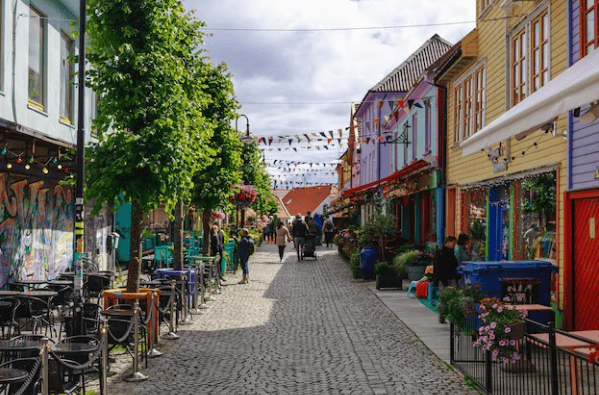
Stavanger has quickly evolved from a modest fishing port into the vibrant oil capital of Norway, serving as the ultimate gateway to some of the world’s most dramatic natural landscapes. Nestled on the country’s southwestern coast, this dynamic city seamlessly blends raw Scandinavian wilderness with a rich, historic urban core that captivates international travelers. American visitors heading over during the prime summer and early autumn months will find an ideal mix of heart-pumping outdoor adventures and serene maritime experiences. Whether you are aiming to conquer world-famous mountain trails or glide through deep, sapphire waters, planning a well-rounded itinerary ensures you capture the true essence of this coastal gem.
Exploring the Majestic Lysefjord and Iconic Peaks
The breathtaking Lysefjord stands as the crowning jewel of the region, stretching nearly 26 miles and carved out by ancient glaciers during the last ice age. Travelers from all over the globe gather here to witness dramatic granite cliffs that plunge vertically into the crystal-clear waters below. Navigating this vast network of waterways and complex mountain trailheads requires meticulous logistical planning, from securing synchronized ferry transfers to organizing reliable coastal transport. To streamline your entire Scandinavian journey without the stress of booking separate connections, you can secure fully integrated travel arrangements directly through https://nordicsaga.com.
Conquering the famous hike to Preikestolen, widely known as Pulpit Rock, is an absolute rite of passage for any outdoor enthusiast visiting southwestern Norway. This moderately challenging trek takes adventurers through diverse terrain, including steep rock stairs built by Sherpas, before opening up to a flat mountain plateau 1,982 feet above the water. For those seeking an even more grueling physical challenge, the nearby Kjerag mountain offers the chance to stand on a boulder wedged tightly into a deep cliff crevice. The rewarding panoramic views from these heights provide unparalleled photographic opportunities that make the strenuous physical effort entirely worthwhile.
- Flørli 4444: The world’s longest wooden staircase, challenges visitors with a steep climb alongside an old hydropower pipeline.
- Hengjanefossen Waterfall: A powerful cascade where sightseeing boats pull close enough for passengers to taste the fresh mountain water.
- The Vagabond’s Cave (Fantahålå): A secluded cove rich with local folklore, where outlaws allegedly hid from authorities in centuries past.
To truly appreciate the scale of these sheer cliffs, viewing them from sea level provides a completely different perspective than standing at the summits. Daily eco-friendly catamaran cruises depart from the city harbor, offering comfortable indoor seating with panoramic windows and open-air decks for crisp Arctic breezes. These vessel excursions allow travelers of all fitness levels to experience the fjord’s grandeur without enduring a strenuous day-long hike.
Stepping Back in Time in Old Stavanger and Cultural Hubs
The historic heart of the city features the largest surviving concentration of 18th-century wooden houses in Northern Europe. Walking down these cobblestone streets feels like stepping into a living museum, where rows of pristine white cottages are adorned with vibrant summer flower boxes. This preserved quarter contrasts beautifully with the nearby harbor area, which bustles with modern energy, local seafood markets, and trendy cafes. Visitors can spend hours exploring hidden alleyways, uncovering independent art galleries, and discovering how the community successfully balanced preservation with rapid modern development.
| Attraction Name | Key Highlight | Best Time to Visit |
| Old Stavanger (Gamle Stavanger) | 173 preserved white wooden cottages | Early morning for quiet photography |
| Stavanger Cathedral (Domkirken) | Norway’s oldest cathedral, dating to 1125 | Afternoon to see stained glass lighting |
| Øvre Holmegate (Fargegaten) | Vibrant, brightly painted shopping street | Mid-day for cafes and boutique shopping |
Art enthusiasts will find that the city’s creative expression extends far beyond traditional galleries and historical architecture. Street art festivals have transformed numerous industrial concrete walls into massive, thought-provoking murals created by international artists. This open-air gallery concept turns a simple walk through the downtown commercial district into an engaging cultural treasure hunt.
The Surrounding Coastal Wonders and Beyond
Just a short drive or bus ride from the city center lies a coastline defined by surprisingly wide, sandy beaches rather than rocky fjords. The Jæren beaches stretch for miles, attracting surfers, kiteboarders, and those looking for peaceful coastal walks along dunes protected as nature reserves. These shores are also home to historical lighthouses that have guided ships through treacherous North Sea waters for generations. It is an unexpected side of Norwegian nature that provides a tranquil escape from the busier mountain trails during peak tourist season.
For travelers who want to extend their maritime adventures deeper into the polar regions, the Norwegian coast serves as a launchpad for broader northern expeditions. Many adventurers use their time in Stavanger to prepare for longer voyages that cross the Arctic Circle to explore remote, icy wildernesses. If you are looking to book Greenland cruises from USA or multi-country maritime expeditions, coordinating these extensive itineraries well in advance ensures seamless transitions between mainland tours and specialized polar vessels.
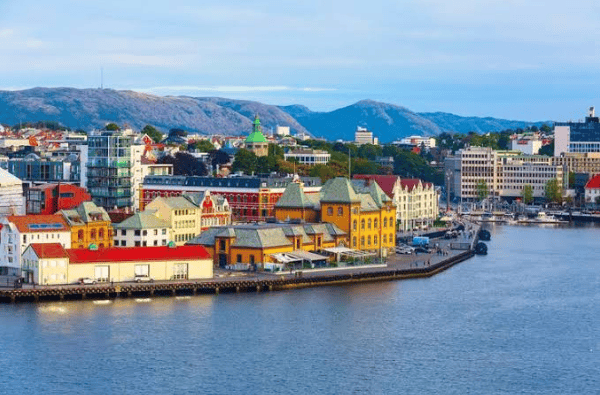
Embracing Local Gastronomy and Living Traditions
Beyond the epic landscapes, the city boasts a world-class culinary scene that has earned prestigious international recognition and multiple Michelin stars. Local chefs focus heavily on hyper-local sourcing, utilizing fresh catches from the North Sea and organic produce from nearby island farms. Food festivals held during the warmer months turn the harbor into an open-air market where visitors can sample traditional smoked fish, reindeer venison, and artisanal cheeses. Engaging with this vibrant food culture offers a deeper understanding of how modern Nordic cuisine honors ancestral harvesting methods while embracing contemporary culinary techniques.
Immersing yourself in the local lifestyle means adopting the Norwegian concept of friluftsliv, which translates to a deep passion for outdoor living. Locals spend their long summer evenings socializing on outdoor patios or taking late-night dips in the cold sea waters. By participating in these simple daily rituals, international travelers gain a genuine connection to the community that goes far beyond standard sightseeing. Prioritizing authentic cultural interactions alongside nature exploration ensures a deeply rewarding and unforgettable journey through this remarkable corner of Norway.
Frequently Asked Questions
What is the best way to get from Stavanger city center to the Preikestolen trailhead?
Travelers typically take a direct shuttle bus that operates frequently during the summer season through the Ryfylke undersea tunnel. Alternatively, you can drive a rental car across the same route, which takes approximately forty minutes from downtown.
Are the fjord cruises suitable for young children and elderly travelers?
Yes, the modern catamarans are fully accessible, stable, and equipped with comfortable indoor lounges and restrooms. They provide a safe and relaxing way for people of all ages and physical abilities to view the landscapes.
How unpredictable is the summer weather when hiking in southwestern Norway?
Conditions can change rapidly from bright sunshine to heavy rain and dense fog within a single hour. It is essential to wear sturdy hiking boots and pack windproof layers, regardless of the forecast at the start of the day.
Is English widely spoken by the locals and service staff in the region?
English is spoken fluently by virtually everyone working in hospitality, retail, and public transportation across the country. You will find that menus, street signs, and visitor information centers almost always provide clear English translations.
What should I know about currency and payment methods before arriving?
Norway operates almost entirely as a cashless society, meaning credit and debit cards are accepted everywhere from upscale restaurants to public buses. It is rarely necessary to carry physical Norwegian Krone banknotes during your travels in the city.