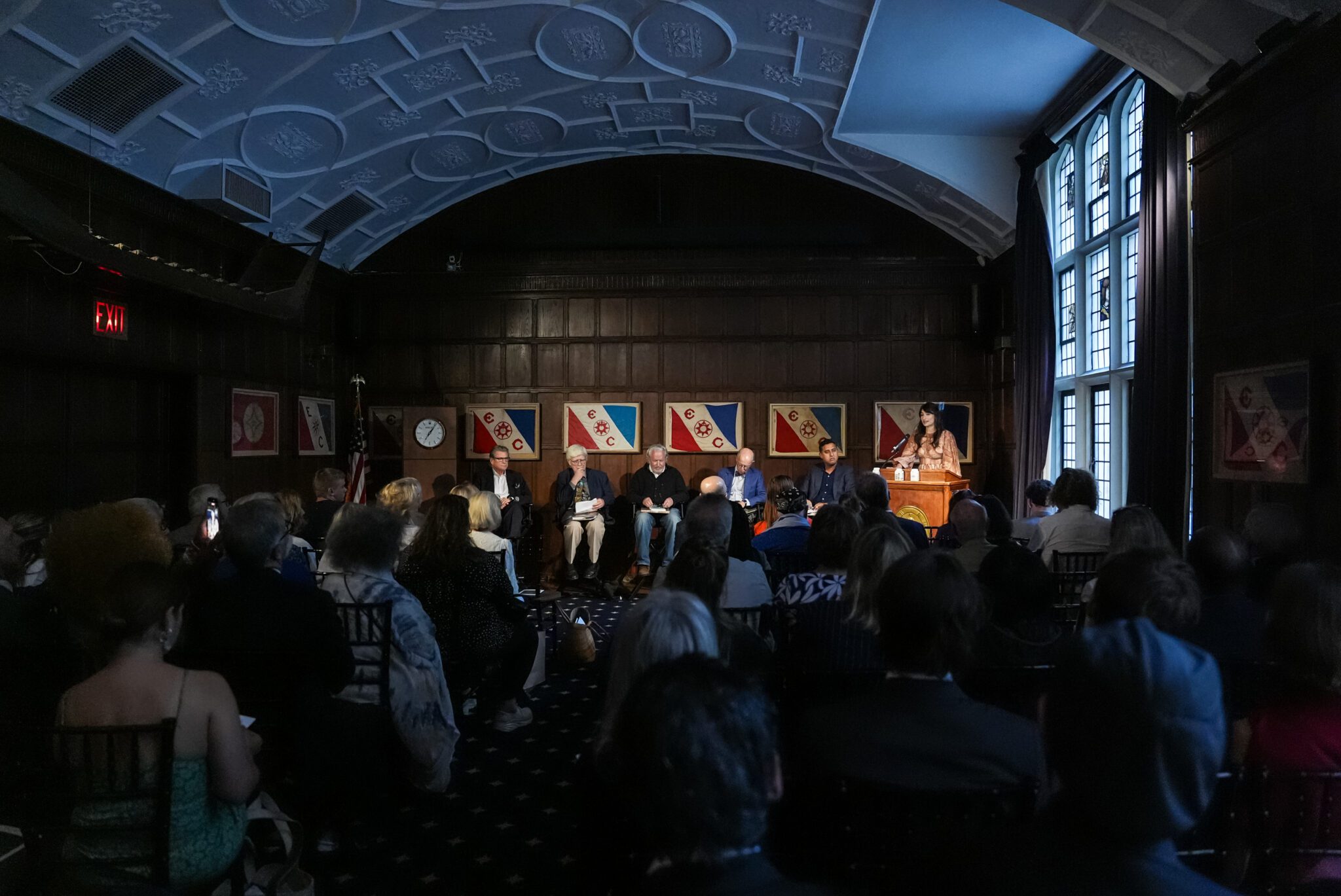
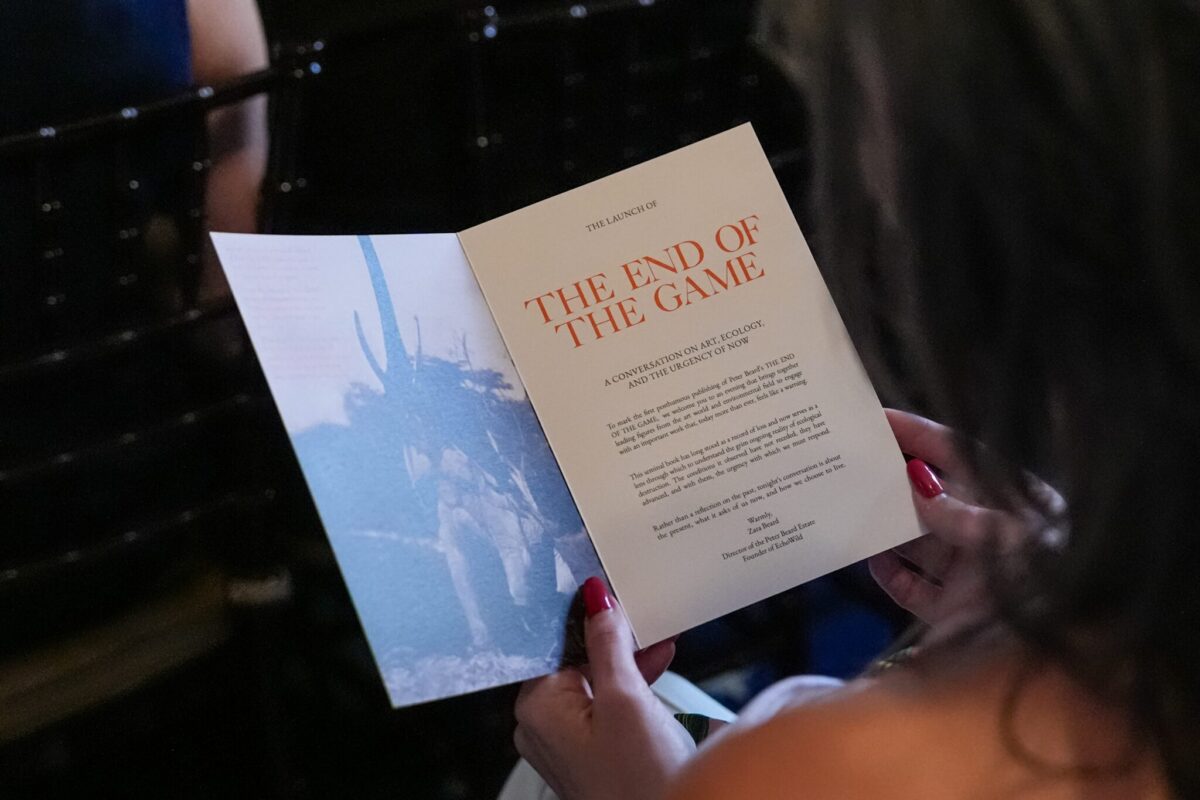
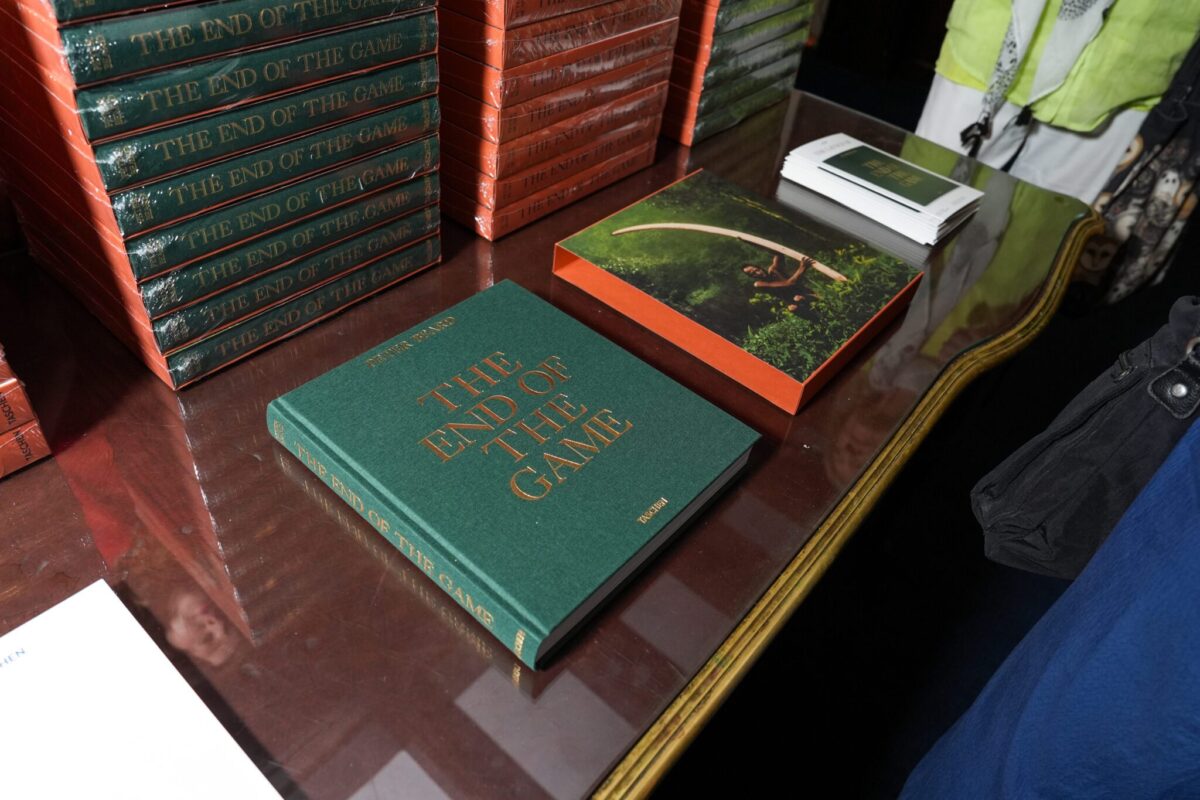
In New York City on June 30, 2026, an intimate yet powerful gathering at The Explorers Club marked the relaunch of one of photography’s most consequential works, The End of the Game. Hosted in collaboration with Taschen, the evening brought together artists, conservationists, and longtime admirers of Peter Beard to reflect on his legacy and the continued relevance of his work.
At the center of the evening was Zara Beard, newly appointed director of The Peter Beard Estate and the artist’s daughter. For Zara and her family, the event held deep emotional significance. Following Beard’s passing during the COVID-19 pandemic, this marked the first time they felt his life and work had been fully honored in a public setting.
Opening the evening, Zara offered a deeply personal reflection on her father’s creative legacy. She described his diaries, letters, photographs, and artworks as defying categorization, existing not merely as documentation but as a fully realized argument about the world. She emphasized that Beard did not simply record what he observed. Instead, he immersed himself in it, confronted it, and ultimately transformed it into something that demanded attention and reflection.

A CONVERSATION ON ART, NATURE, AND URGENCY
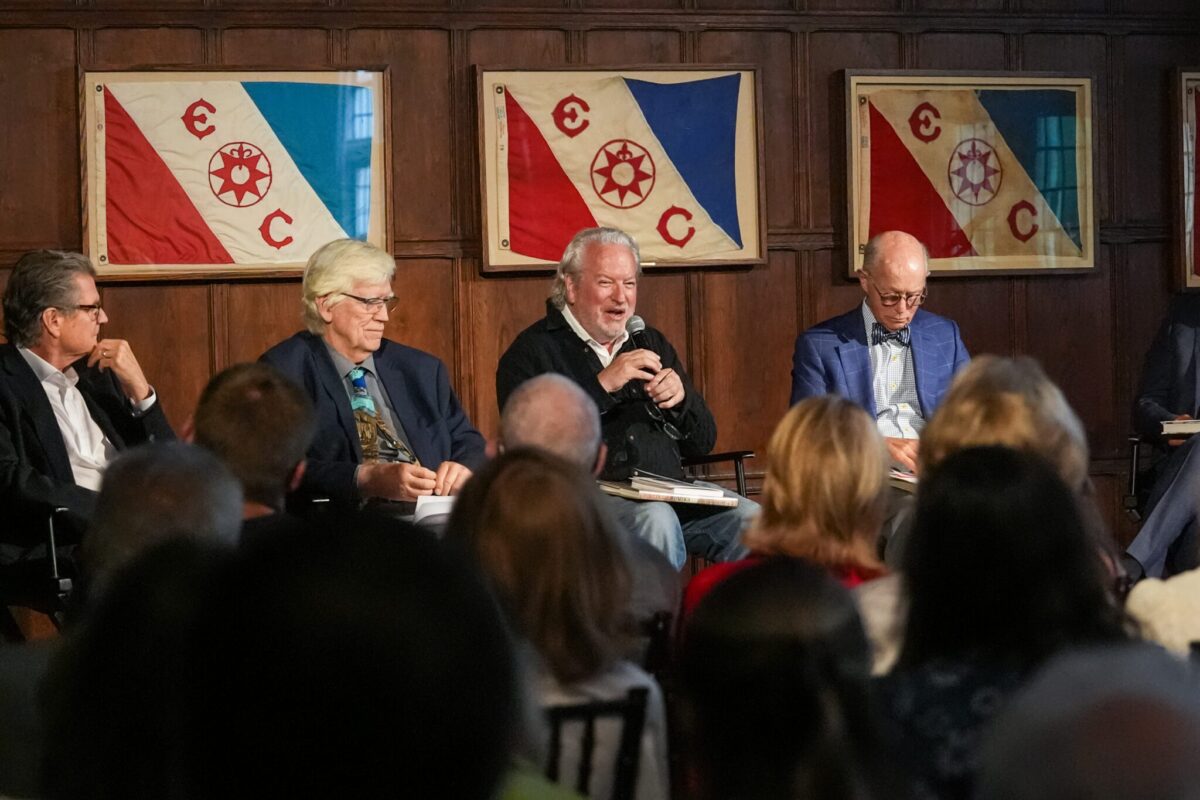
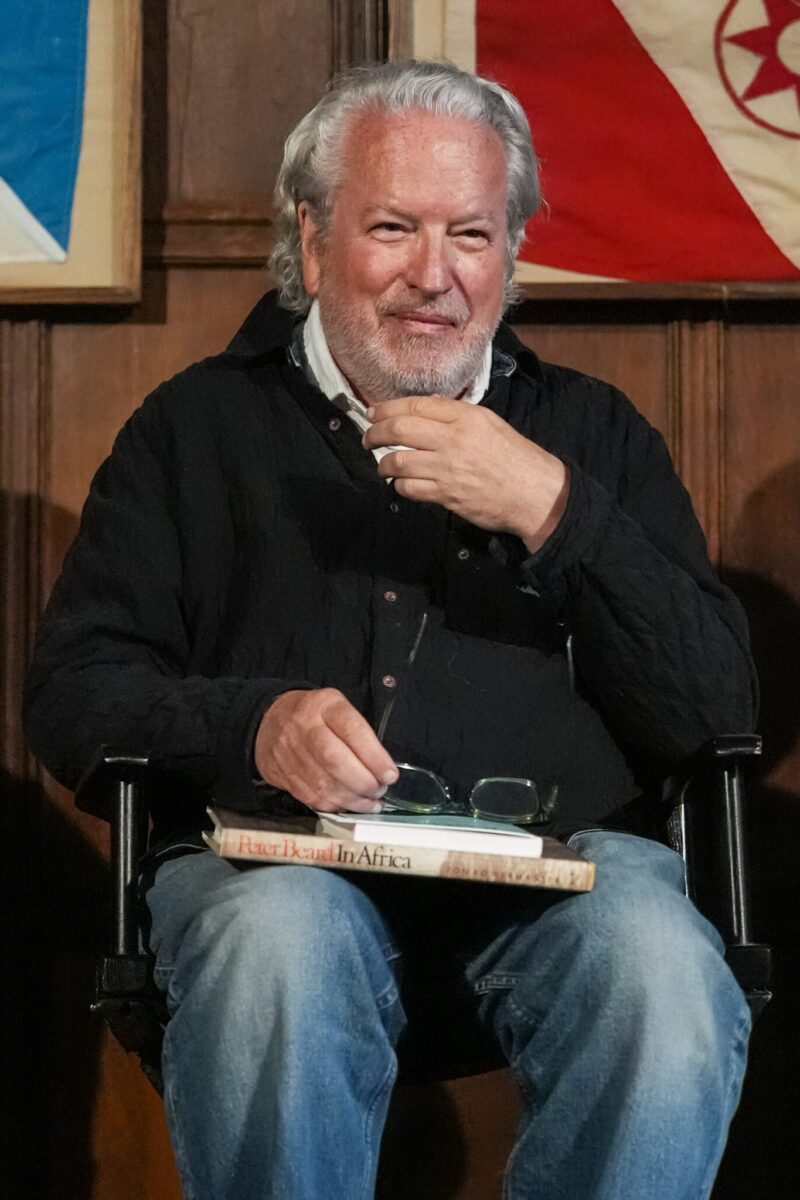
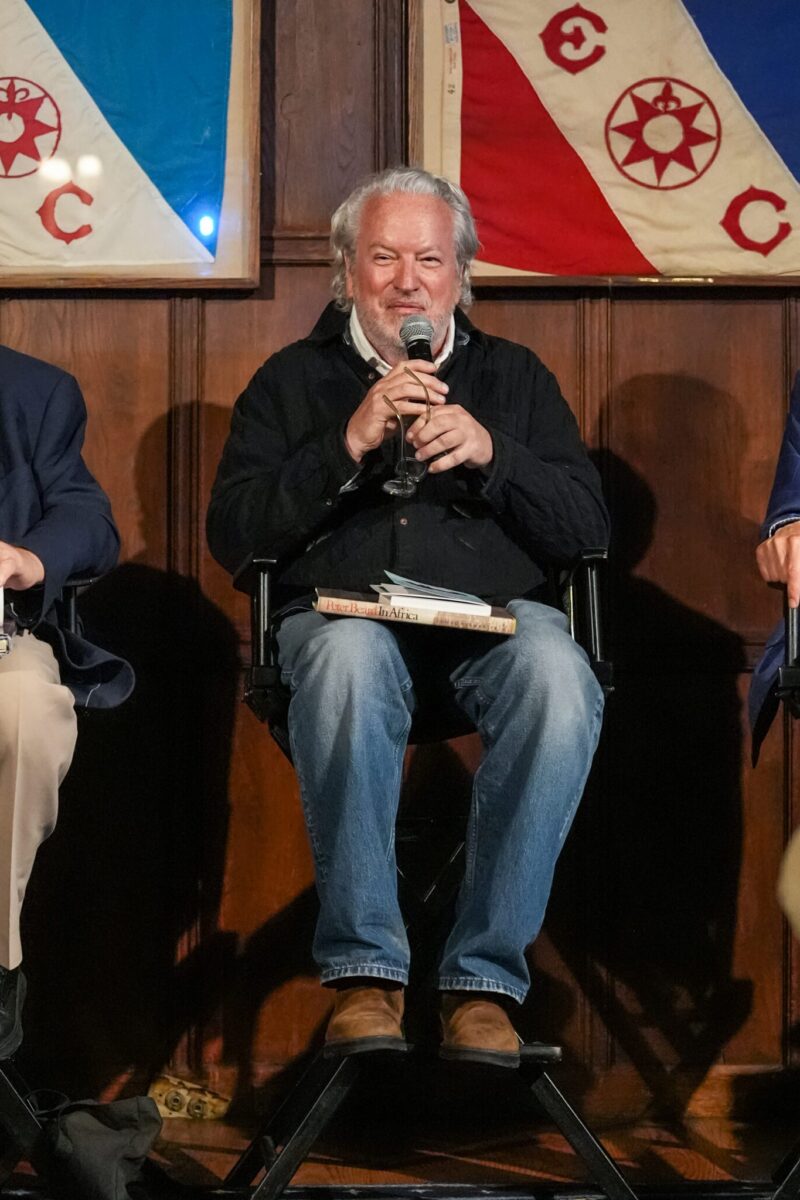
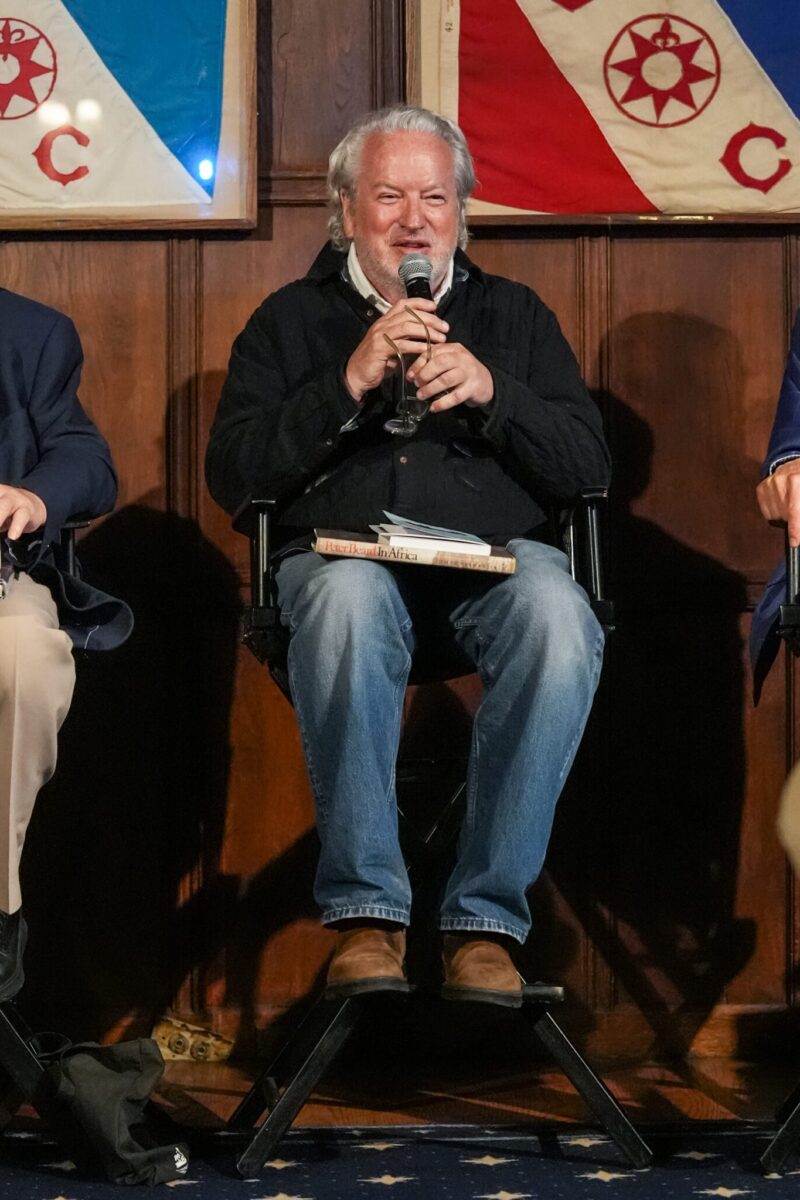
The evening continued with a panel discussion featuring voices from across art, film, and conservation. Participants included documentary filmmaker Jon Bowermaster, art director Vincent Fremont, conservationists William James and Russell Mittermeier, with moderation by climate activist Rajiv Joshi.
Joshi framed the discussion with a reminder that the evening was not simply about celebrating a book. Instead, it was about confronting the questions the work continues to raise. He spoke about the urgency of understanding what society chooses to notice and what it overlooks, and whether humanity can still see itself as part of nature rather than separate from it.
Mittermeier expanded on this idea by placing Beard’s work in historical context. He noted that The End of the Game brought attention to the rapid transformation of Africa long before terms like biodiversity conservation entered mainstream discourse. The book challenged the romanticized vision of the continent and exposed the consequences of unchecked human progress.
STORIES OF ADVENTURE AND COMMITMENT
The discussion also revealed the extraordinary nature of Beard’s life in the field. William James recounted one of the artist’s most remarkable expeditions to Lake Turkana in Kenya. During the journey, Beard’s boat sank in crocodile-infested waters. He swam two miles to reach camp, constructed a makeshift raft using gasoline containers and empty peanut butter jars, and then paddled back another two miles to rescue his guide. The story illustrated not only his resilience but also his unwavering commitment to the environments he sought to document.
Bowermaster highlighted Beard’s instinctive understanding of visual storytelling. He explained that Beard was documenting Africa at a pivotal moment in its history, capturing landscapes and wildlife that were rapidly disappearing. His photographs now stand among the last powerful visual records of a world that has since been profoundly altered.
Vincent Fremont offered insight into Beard’s place within the art world, emphasizing the depth of his relationships with influential figures such as Francis Bacon and Andy Warhol. These were not superficial connections but genuine friendships built on mutual respect and creative exchange. Fremont underscored that Beard was recognized as a true artist by his peers, further cementing his legacy beyond photography alone.
A GATHERING OF CULTURAL FIGURES
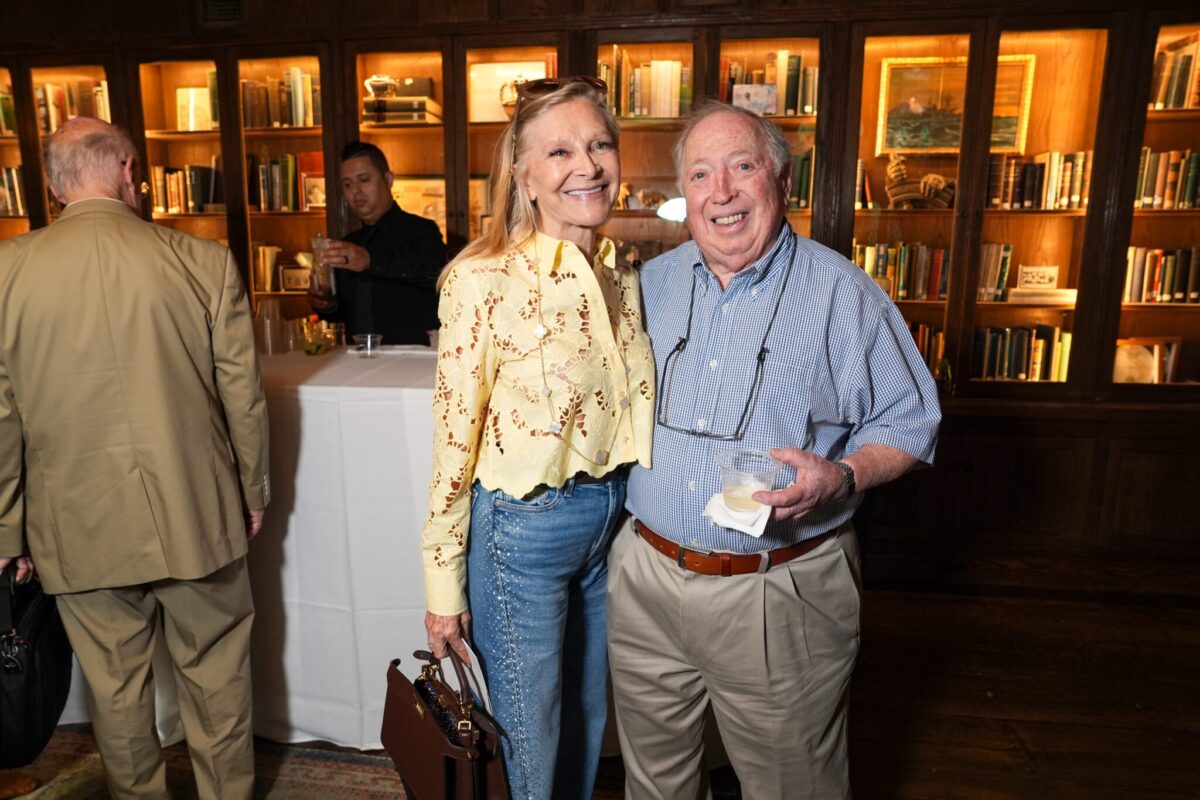
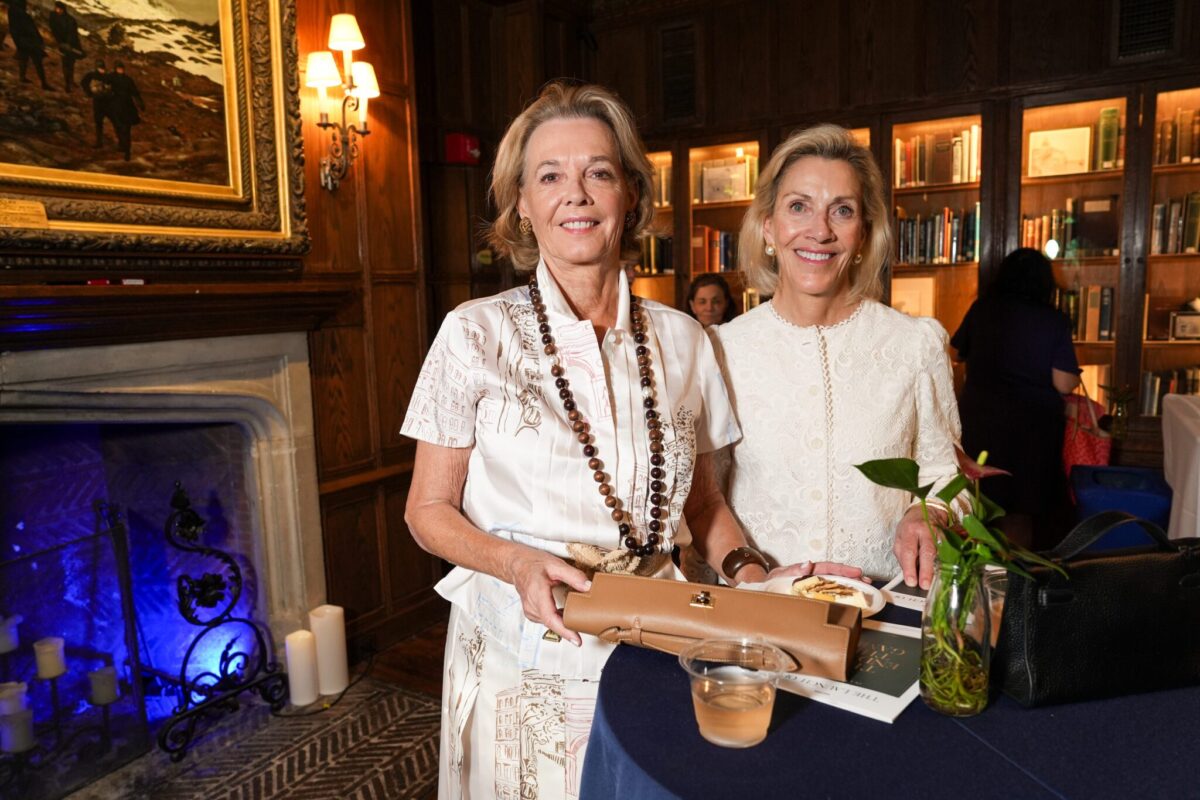
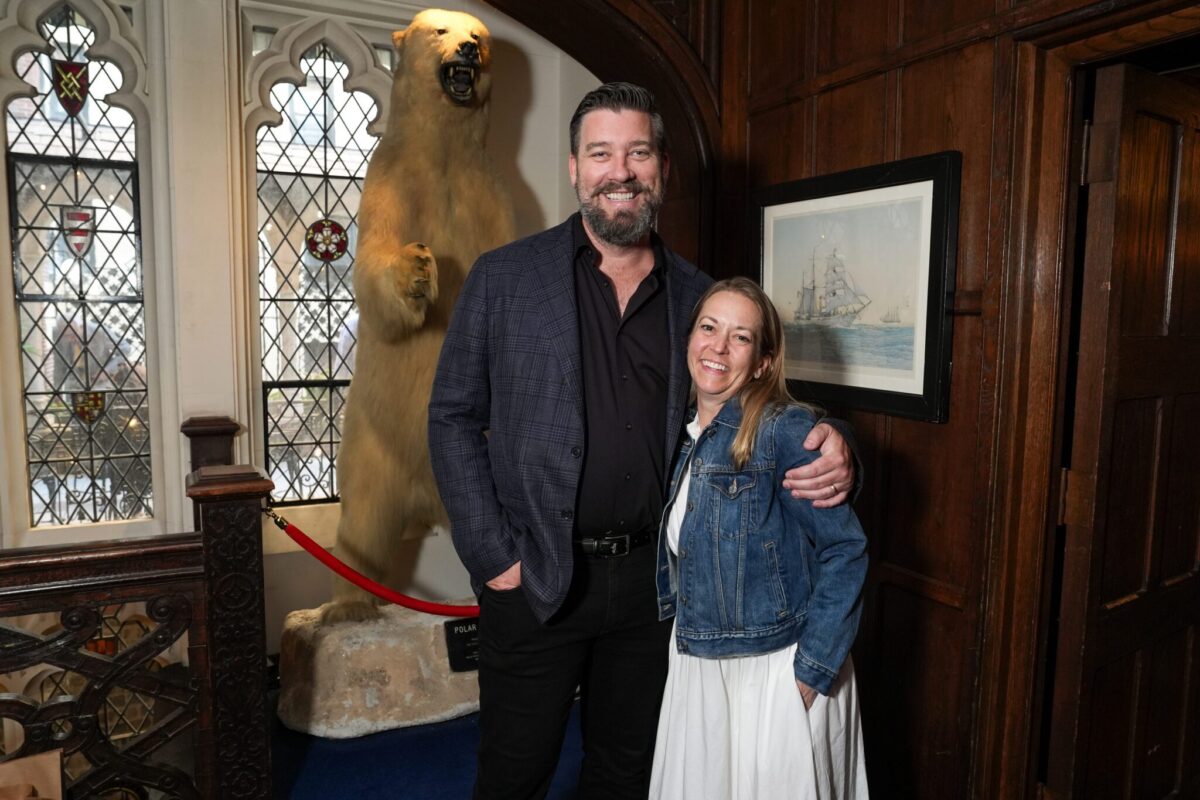
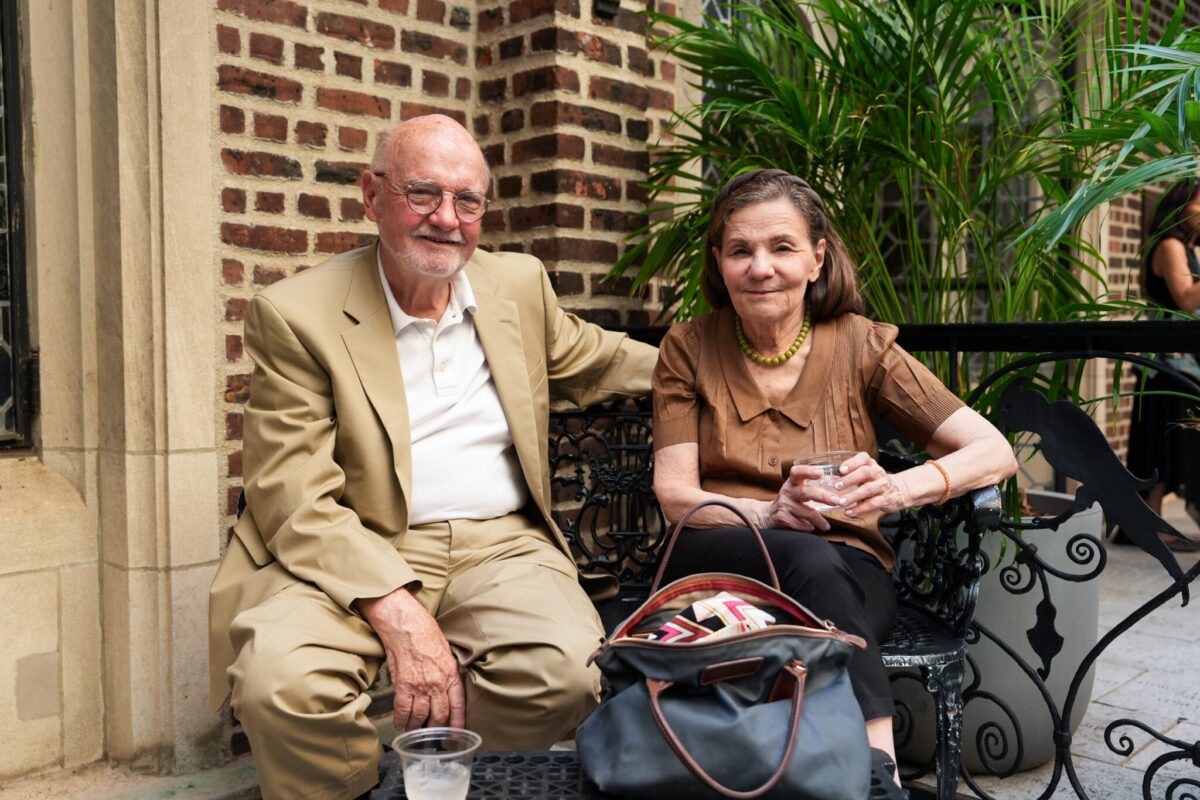
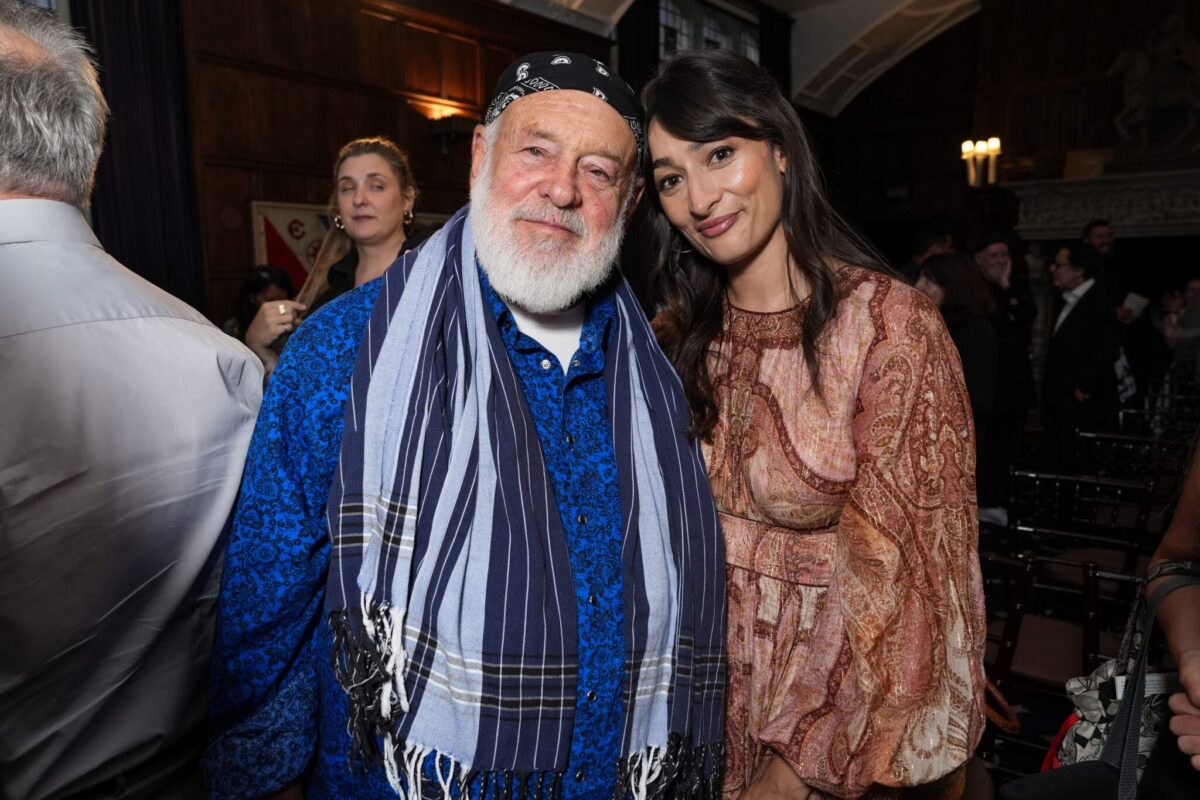
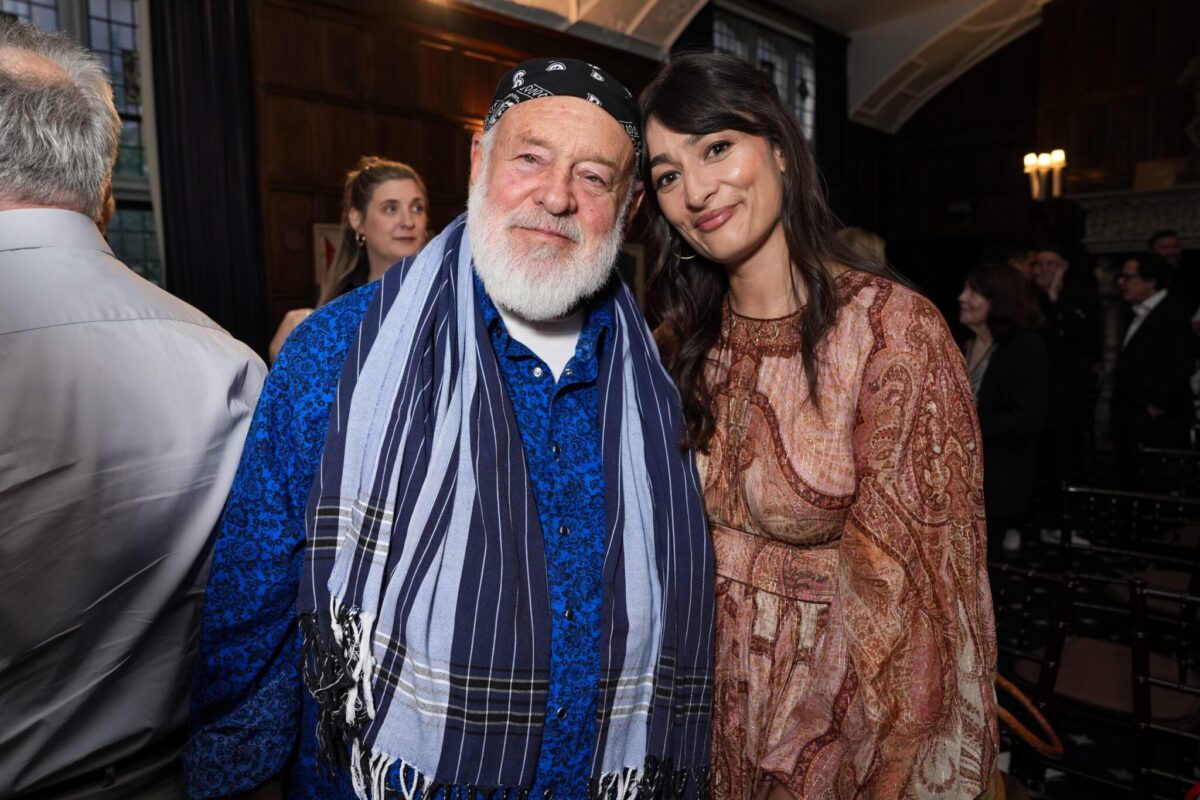
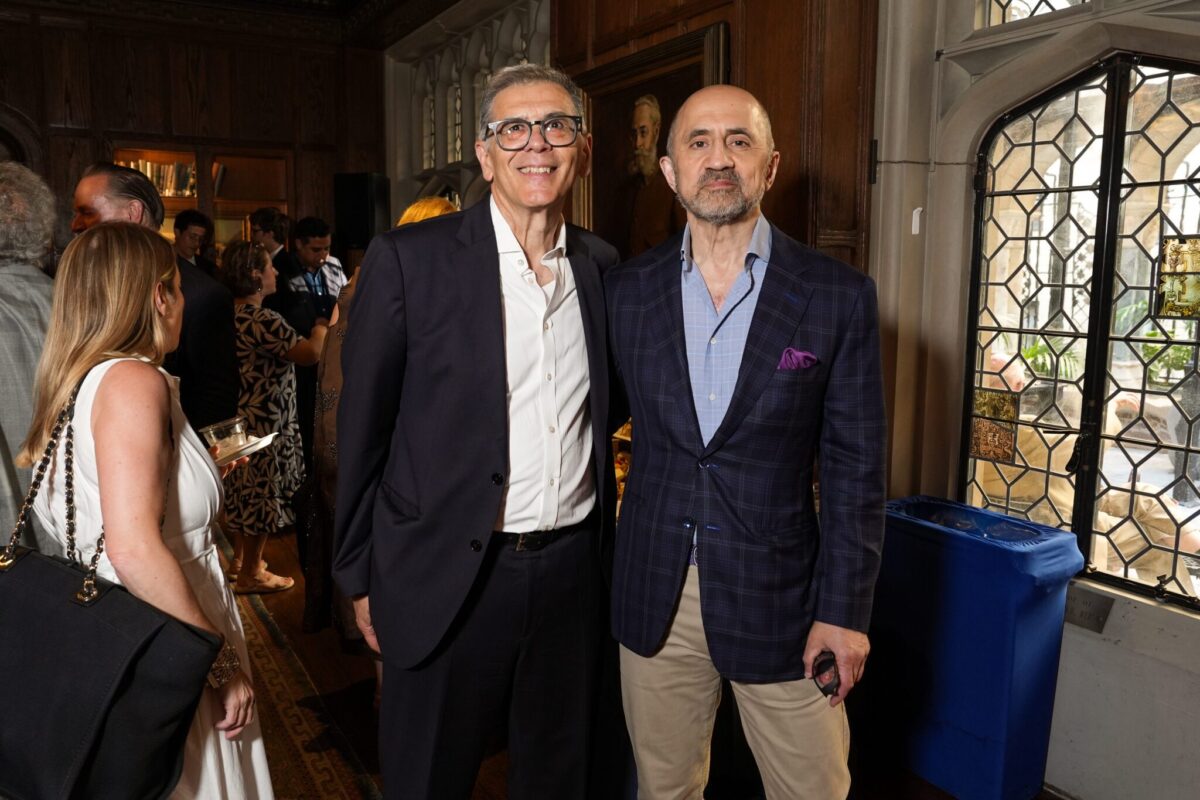
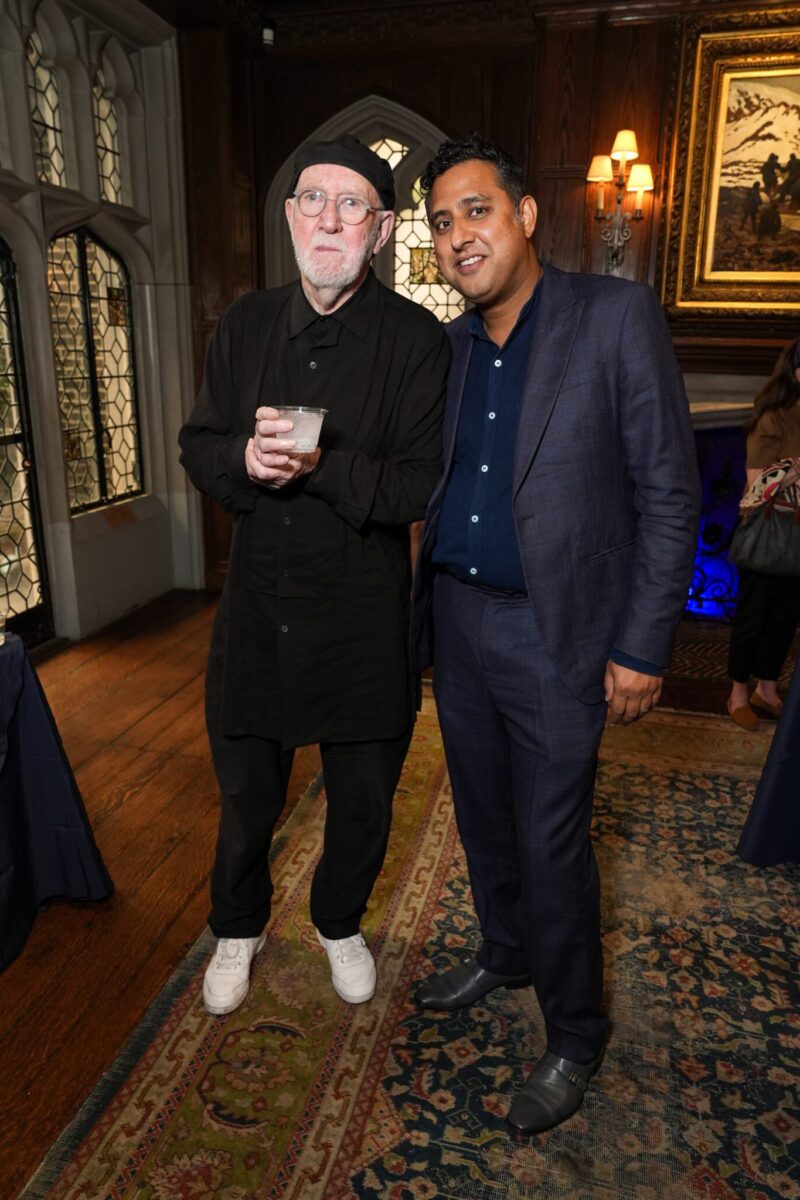
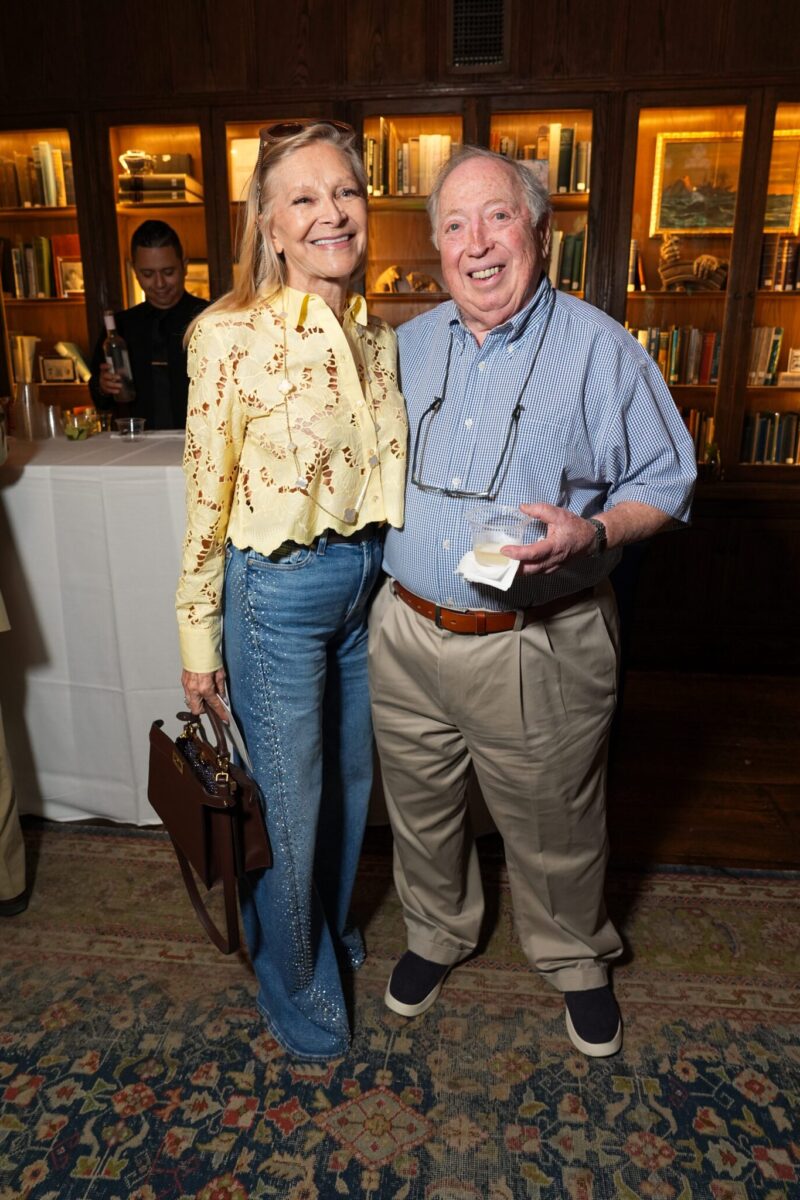
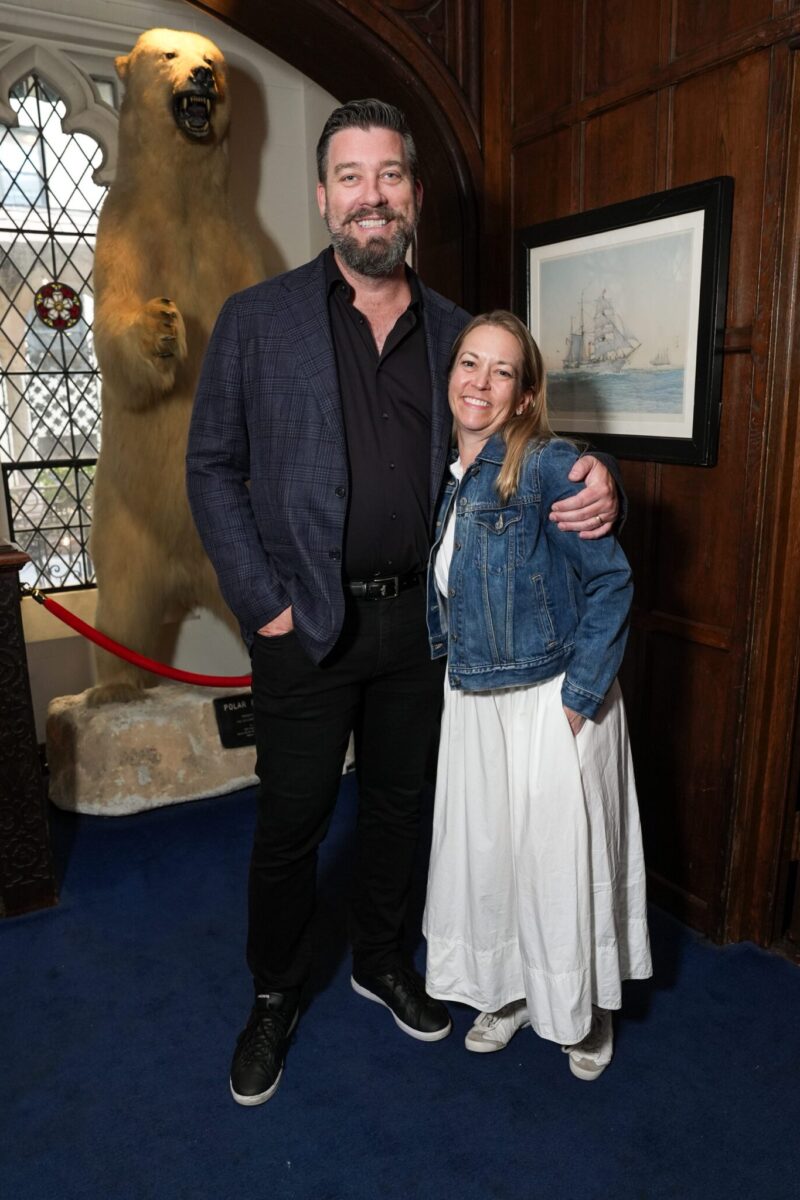
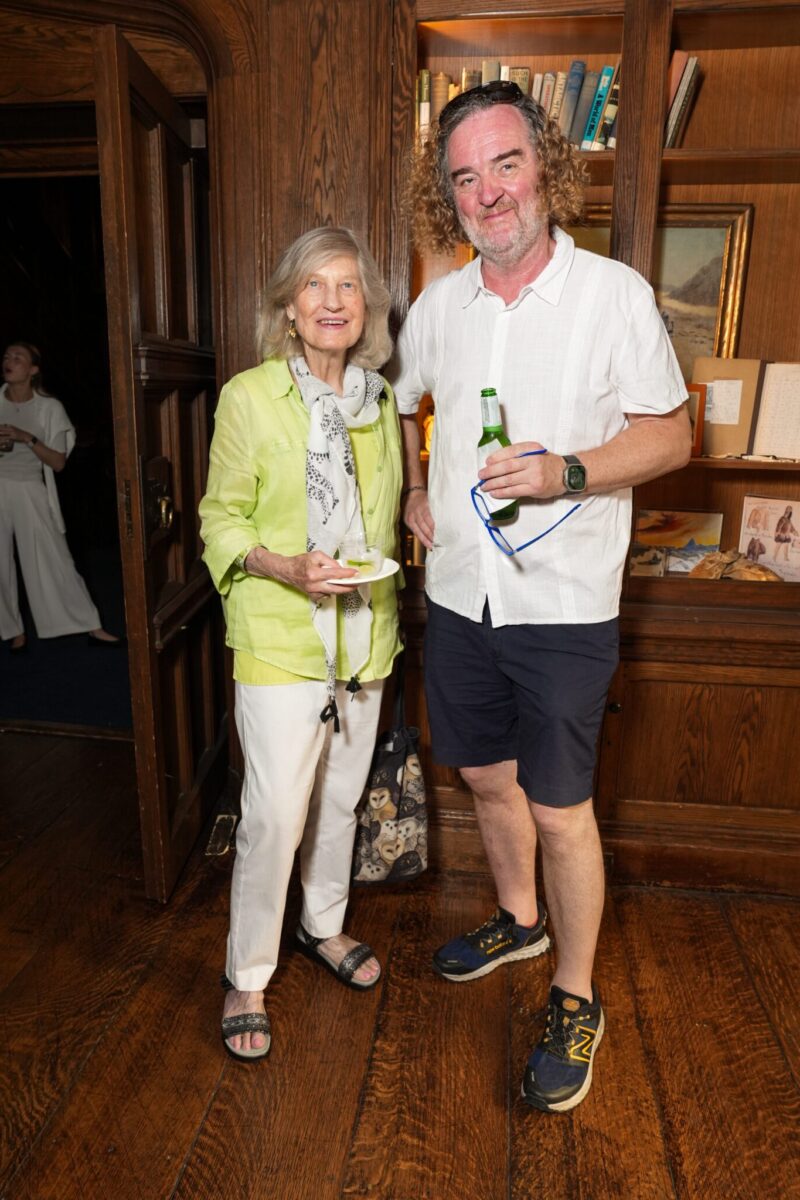
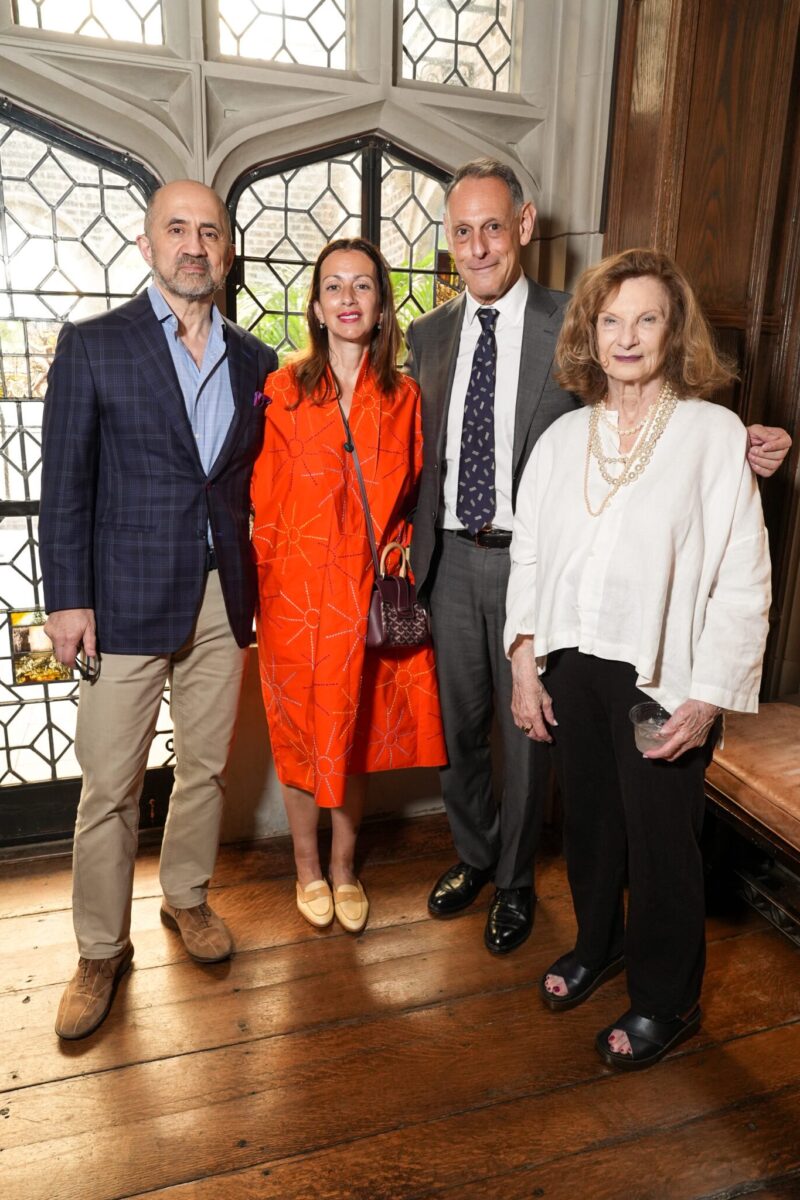
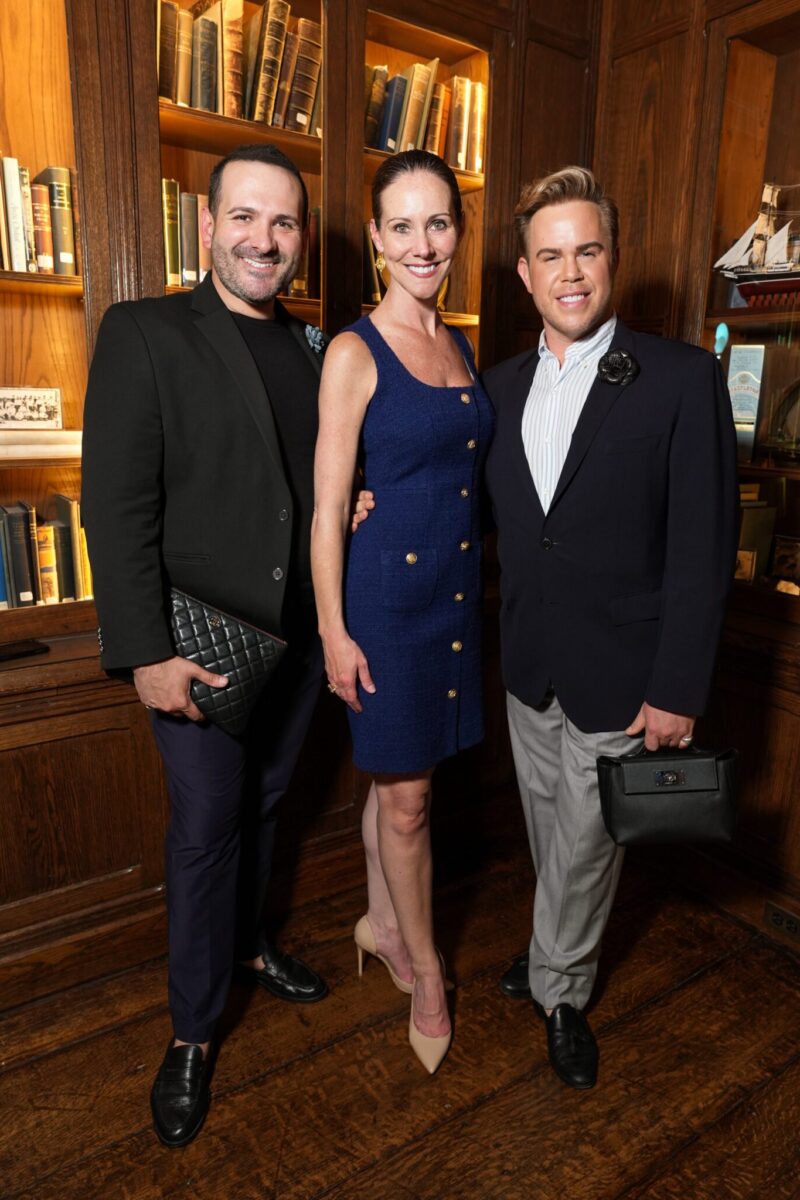
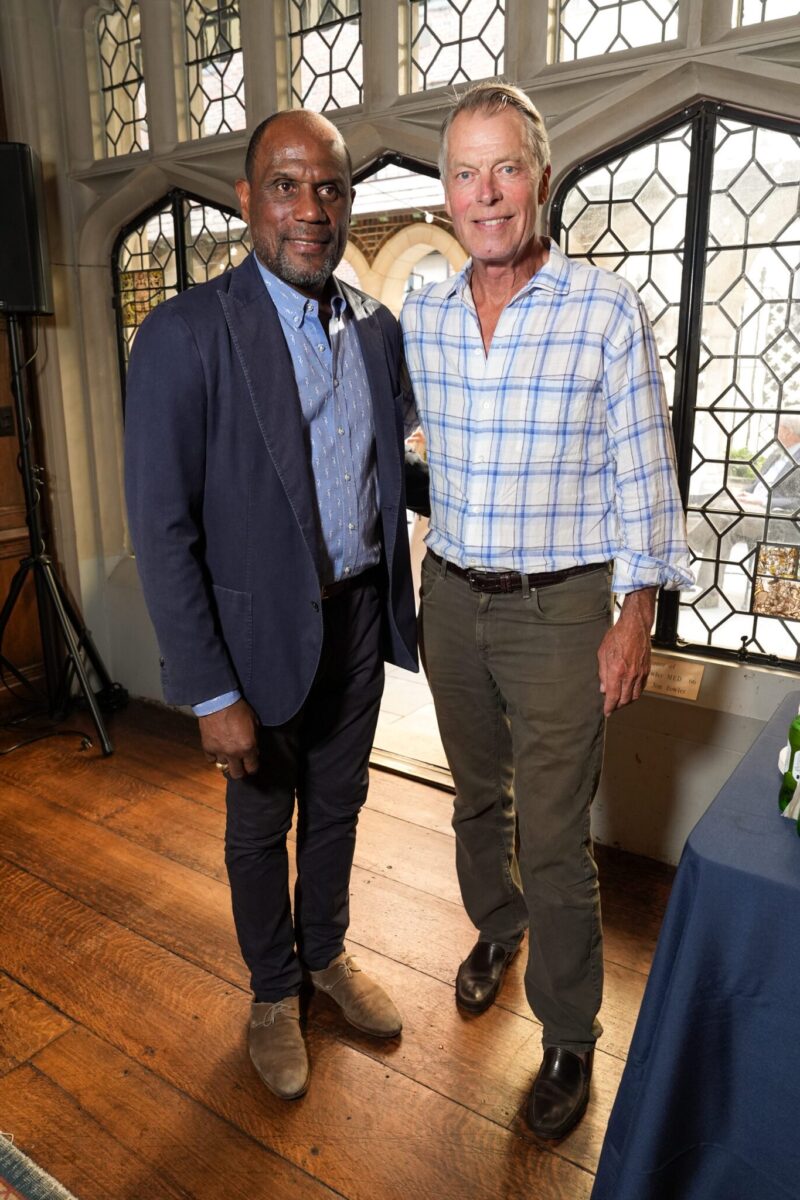
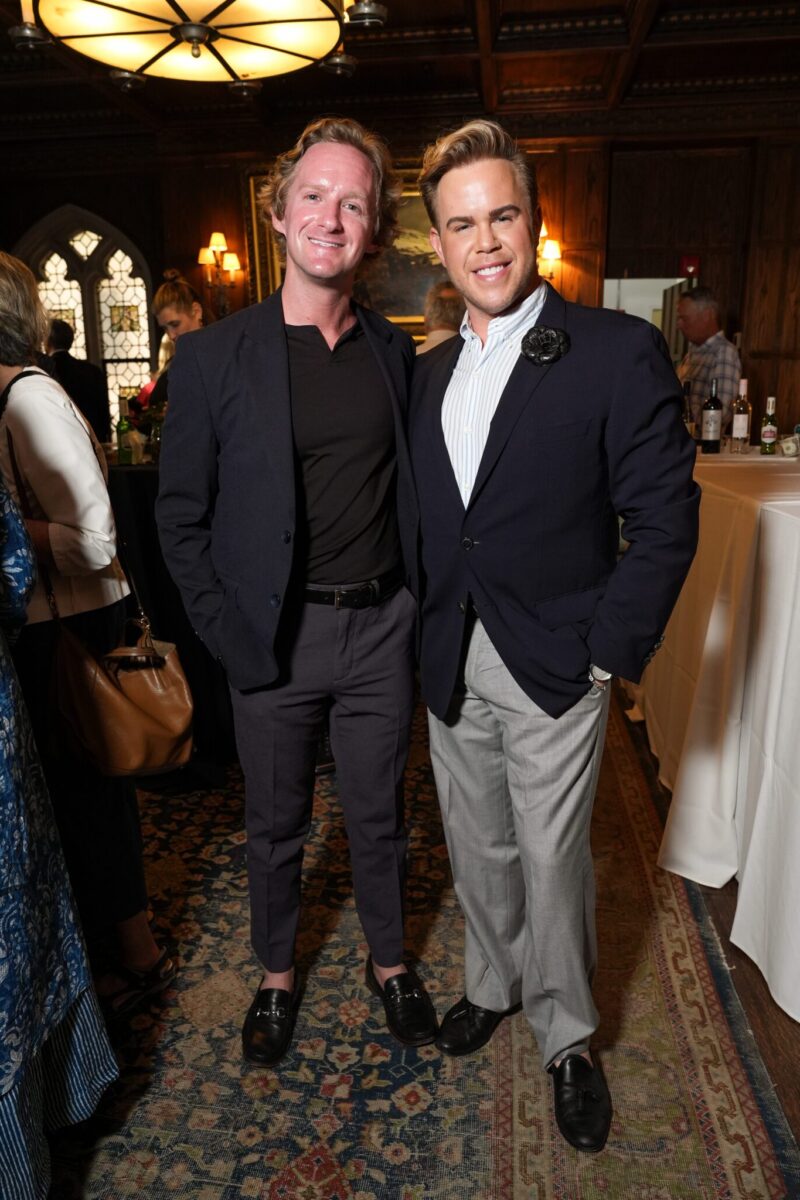
The event drew an eclectic mix of guests from across the worlds of art, media, and society. Among those in attendance were Steven M.L. Aronson, Anson Beard, Deborah Beard, Kelly Bensimon, Gigi and Harry Benson, Renee Cox, Richard Johnson, Sara and Hussein Khalifa, Neil Leifer, Gillian McCain, Carlo Tunioli, Shelley Wanger, Albert Watson, Bruce Weber and Nan Bush, and Will Zinterhofer. Their presence reflected the wide-reaching influence of Beard’s work and the enduring connections he cultivated throughout his life.
THE ENDURING POWER OF A LANDMARK WORK
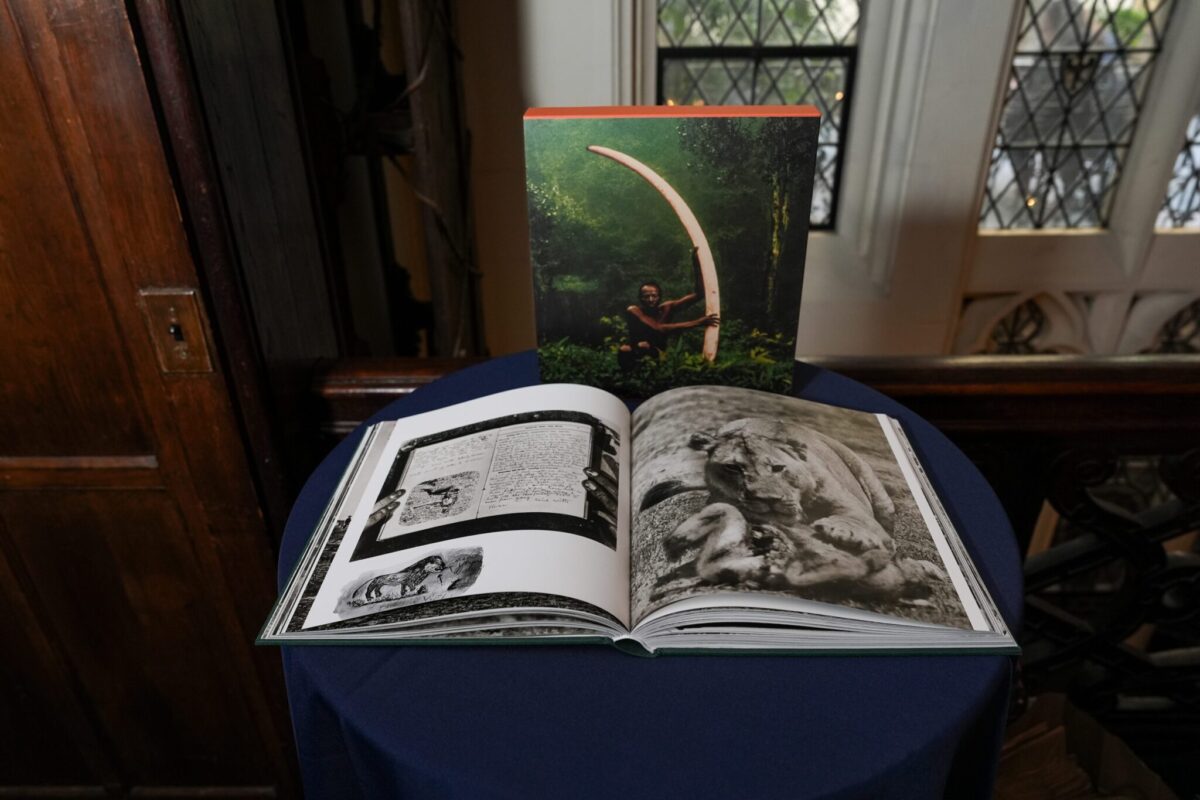
First published in 1965, The End of the Game has evolved over decades, expanding through revisions and new editions. It is widely regarded as an essential historical document that captures the early stages of Africa’s wildlife crisis. Through Beard’s lens, readers are confronted with a continent shaped by human ambition and the unintended consequences of progress.
The book’s imagery, spanning two decades, documents elephants, rhinos, and hippos in environments undergoing dramatic change. Yet its significance extends beyond wildlife photography. It invites reflection on the broader implications of loss and what it reveals about humanity’s relationship with nature.
The newly reissued edition by Taschen introduces additional essays, interviews, and archival materials. These elements provide contemporary context, linking Beard’s observations to today’s global biodiversity challenges. The result is a work that feels both historically grounded and urgently relevant.

PRESERVING A LEGACY FOR FUTURE GENERATIONS
The Peter Beard Estate continues to play a vital role in preserving and promoting the artist’s work. Under Zara Beard’s leadership, the Estate oversees an extensive archive that includes wildlife photography, mixed-media diaries, and unpublished writings. It also collaborates with museums and galleries around the world to curate exhibitions that bring Beard’s vision to new audiences.
Beyond preservation, the Estate actively contributes to ongoing discussions about environmental change and conservation. This mission reflects Beard’s lifelong focus on the intersection of human activity and the natural world, ensuring that his work remains part of critical global conversations.
As the evening at The Explorers Club came to a close, it was clear that The End of the Game is more than a book. It is a lens through which to examine the past, understand the present, and question the future. Through its pages, Peter Beard’s voice continues to resonate, urging viewers to confront uncomfortable truths and reconsider their place within the natural world.