Buying a home ranks among the biggest financial decisions most people will ever make. Yet plenty of buyers rush through it. They fall for granite countertops or a big backyard and forget to ask the questions that actually matter long-term. A house that looks perfect on a Saturday showing can become a financial headache by year two if you skip the homework.
Location Goes Beyond the Neighborhood
You already know location matters. Everyone does. But most buyers stop at “nice area” and call it a day. Go further. Check flood zone maps. Look up future development plans with the local planning board. Drive through the neighborhood on a weekday evening, not just a sunny Sunday afternoon. If you’re browsing residential properties in NJ, for instance, pay close attention to property tax rates; they vary wildly between municipalities, and that difference adds up fast over a thirty-year mortgage.
Your Budget Isn’t Just the Purchase Price
This trips up first-time buyers more than anything else. You get pre-approved for $400,000 and start shopping at that ceiling. That’s a problem. Your monthly cost includes property taxes, homeowners insurance, potential HOA fees, maintenance, and utilities. A house priced at $375,000 with $12,000 in annual taxes hits your wallet very differently than one at $390,000 with $6,000 in taxes. Run the full numbers before you fall in love with a listing.
Size vs. Layout Is Not the Same Thing
Square footage gets all the attention. But layout determines how livable a home actually feels. A 1,600-square-foot house with an open floor plan can feel more spacious than a 2,000-square-foot place chopped into small, disconnected rooms. Walk through with your daily routine in mind. Where does the laundry go? Is the kitchen functional for how you cook? Can you work from home without sitting on your bed? These aren’t small details. They shape your everyday experience.
School Districts Affect Resale Even If You Don’t Have Kids
This one surprises people without children. A strong school district doesn’t just attract families; it also supports property values across the board. Homes in top-rated districts consistently tend to hold their value better during downturns and appreciate faster during growth periods. Think of it as built-in demand. Buyers with children prioritize good schools, and that demand protects your investment whether you personally care about the district or not.
Inspection Isn’t a Formality
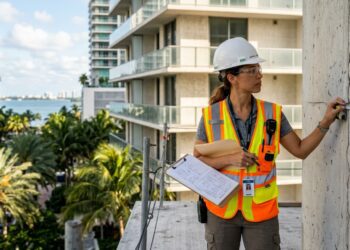
Some buyers treat the home inspection like a checkbox. Big mistake. A thorough inspection can uncover foundation cracks, outdated electrical panels, roof damage, plumbing issues, and mold problems that cost thousands to fix after closing. Hire your own inspector, not one the seller’s agent recommends. And attend the inspection yourself. Ask questions. Look at the crawl space photos. The report might save you from a money pit.
Old Homes Have Character and Costs
Older properties come with charm that newer builds can’t replicate. Original hardwood floors, solid plaster walls, vintage architecture. But they also come with aging HVAC systems, outdated wiring, lead paint risks, and insulation that barely does its job. If you’re drawn to a home built before 1980, budget for upgrades. That character has a price tag attached to it, and ignoring it won’t make the bills disappear.
Think Five Years Ahead
Your life will change. Maybe you’ll have kids. Maybe you’ll switch careers and need a home office. Maybe aging parents will move in. Buying a property that fits today but can’t adapt to tomorrow puts you back on the market sooner than planned, and selling early often means losing money on transaction costs alone. A spare bedroom or a flexible basement layout can save you from an expensive move down the road.
Don’t Let Emotions Drive the Offer
Competitive markets push buyers into emotional decisions. Bidding wars make people stretch past their comfort zone. Waiving contingencies feels strategic in the moment, but it removes your safety net. Stay disciplined. Set a walk-away number before you submit an offer and stick to it. Another property will come along. The right house at the wrong price isn’t a good deal; it’s a financial strain wearing a fresh coat of paint.
Choosing a home deserves patience, research, and a clear head. The buyers who take their time almost always end up happier with what they get.