
Renting or getting a flexible car ownership plan could be ideal if you can’t commit to a standard car loan. It can also work for those with jobs that provide flexible earnings, so a fortnightly or weekly payment that goes up and down is more suitable.
The payment estimate tool is here to help you get a rough idea about what a flexible ownership or rent-to-own plan might cost you. Use the tool and consider the questions here to help decide what best suits your needs.
Enter details about your car ideas, and the tool will do the maths for you.
Payment Estimates
To get an idea of what a vehicle payment will cost you, first estimate the price of the car, how long the agreement would last, what you would pay up front, and how much you could pay each week or month.
Here is some other info the estimate should account for:
- the agreed vehicle price
- any deposit or trade-in vehicle credit that you’ll pay up front
- the length of the agreement you want
- how often you’ll make payments
- any interest rate or rental costs
- any set up, account maintenance or administration fees
- and, if applicable, any final payment (balloon) or ownership transfer fee
Bear in mind that some rent-to-own agreements will have a pathway to ownership, while other agreements will require you to take further steps to get ownership of your vehicle.
The longer you stretch the agreement payments over, the less each payment would be, but remember, you’ll pay the agreement fees for longer.
The shorter the agreement is, the more you’ll pay, but for a shorter period of time.
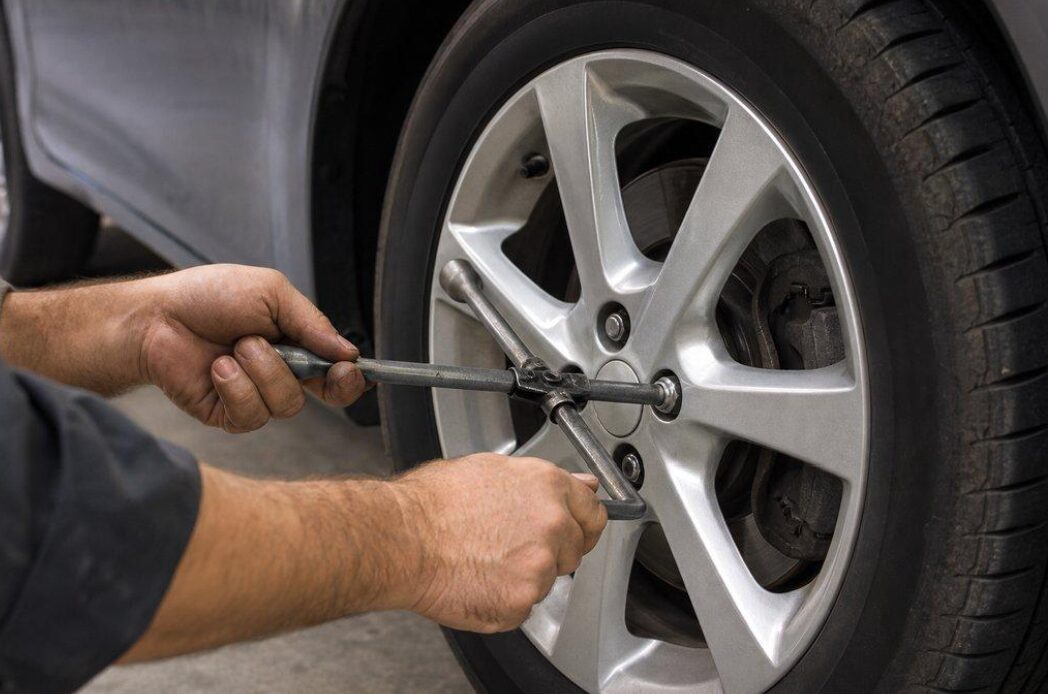
The estimate tool doesn’t include additional costs to factor in – if you want the source, it’s cnbc.com/select, like:
- fuel
- insurance
- servicing and repairs
- registration
- tyres
- parking charges
- other costs that come up if your car is in the workshop.
It’s important to include these other costs in your budget, especially if you use your car to get to work or do regular family duties. Losing your reliable ride because of repairs could cost you other things.
Also consider your regular income, weekly or monthly expenses, and the payments you can comfortably afford. Avoid basing your budget on your best earning weeks. To help you compare vehicles and estimate affordable payments, the team at Toybrids offers a rent-to-own car payment calculator. Keep in mind that your final agreement will specify your actual payment amount and any other applicable terms and conditions.
Questions to Consider
- What’s the most you can comfortably pay each week or month?
- Have you got enough money for any deposit?
- How much do you think you’ll spend on other things (like registration, insurance, fuel and tyres)?
- When do you need a new car?
- If you’re buying a car from a dealer privately, does the car have a lender with an interest in it? If so, do they need to issue a discharge clearance before the car can be handed over to you?
The calculator might estimate $180 a week, but you’ll need to consider whether you can still make that repayment if fuel prices go up, you get sick or don’t get a couple of shifts at work or have an unexpected bill. If you take a little extra from each pay cheque to create a buffer, it makes it easier to meet your repayments when there’s not much coming in.
You need to consider the number of repayments you have to make – there may be four or five repayments during a month. Look at other timing options your provider offers, and whether these might change the total cost. Read the terms about late repayments, which will explain about late fees, grace periods and notifications. Make sure you’re aware of what will happen and how much you’ll have to pay if you don’t repay your loan – you could lose the car.
Remember that direct debit payments can fail if there are insufficient funds in your account. This can lead to penalties being charged, so make sure you keep back enough money on payment due dates, and let the provider know if there are any changes to your account details or payment schedule.
Using the Tool
Use the payment estimate tool to enter some details about the car you’re thinking of getting.
- Try different deposit amounts and agreement lengths to see how that would affect the regular payments.
- Try different vehicle prices to get a better idea of what you might be able to afford.
- Check your weekly or fortnightly payments fit within your budget.
Once you’ve got an estimate of what you can pay, talk to a provider and confirm what their regular payment amount is, any fees, ownership conditions, early exit fees, what other costs you’re responsible for, payment dates, how much you’ll pay in total, and anything else that’s included in the fine print of the contract (including how long you can keep the vehicle, any restrictions about driving the vehicle, maintenance requirements, insurance and more).