Photo by Parth Patel
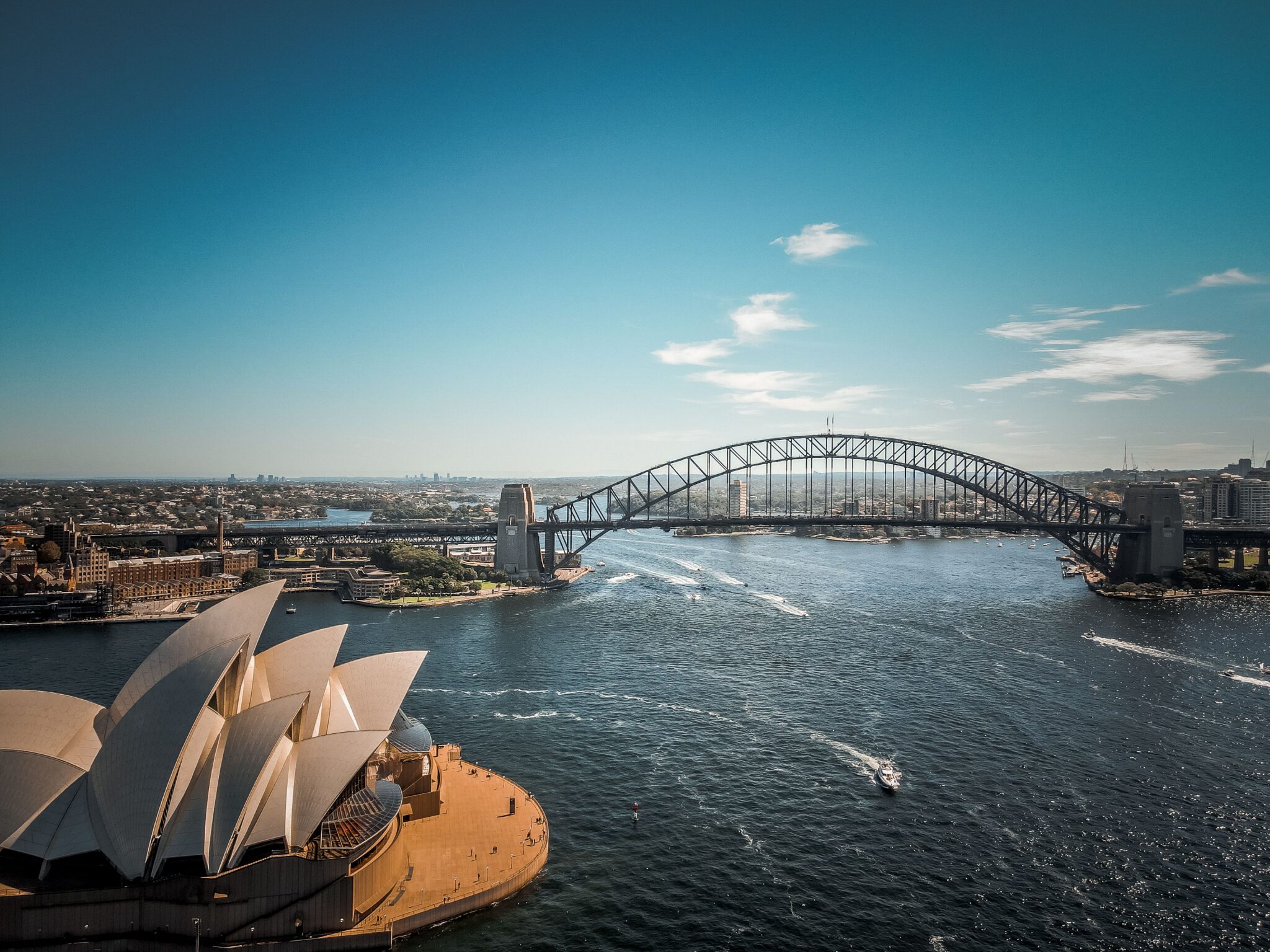
Greater Sydney’s property market in 2026 presents a clear contrast between stagnant inner-ring apartments and rapidly expanding outer-ring house-and-land precincts. Driven by massive infrastructure investments—most notably the Sydney Metro Northwest and major road corridor upgrades—the Northwest growth zone has become a focal point for institutional and private real estate investors seeking capital appreciation combined with reliable rental yields.
Data from the Australian Bureau of Statistics confirms this shift. The Box Hill corridor led Greater Sydney in population expansion by adding over 3,900 residents in a single twelve-month period, representing an annual growth rate near 17%. For investors analyzing wealth creation strategies across residential property, understanding the mechanics of this corridor provides a practical blueprint for asset selection.
Structural drivers pushing capital into the Northwest corridor
Real estate appreciation rarely occurs in a vacuum. In greenfield growth zones, sustained capital gains correlate directly with the delivery of state infrastructure, local retail precincts, and employment hubs. In Northwest Sydney, several distinct economic factors continue to drive capital into residential property:
- Rapid transit accessibility: The Sydney Metro Northwest line from Tallawong and Rouse Hill stations connects commuters to Chatswood in 35 minutes and the Sydney CBD in roughly 55 minutes. This fixed-rail link removes the traditional travel penalty associated with outer-suburban living.
- Commercial and medical investment: The ongoing expansion of the Norwest Business Park, the planning of the Box Hill Town Centre, and the approval of the new Rouse Hill Hospital create localized, high-income job nodes.
- Retail and lifestyle delivery: Operational hubs like Carmel Village—housing Coles, ALDI, medical services, and specialty dining—ensure new residential sectors transition quickly from construction zones into fully functioning communities.
- Tight rental market conditions: Average house rental yields in Box Hill range between 3.8% and 4.8%, supported by a regional residential vacancy rate hovering near 1.7%.
Urban planning analyst Marcus Vance notes how infrastructure timing impacts asset pricing:
“Investors who enter greenfield markets after civil works and major roads are established, but before town centres reach complete commercial maturity, historically capture the highest rate of capital growth over a five-to-seven-year holding period.”
Asset selection: Comparing lot sizes, build formats, and land values
When allocating capital in Northwest Sydney, property investors face distinct asset choices ranging from unregistered land lots to complete turn-key homes. Choosing the right physical configuration dictates both holding costs during construction and the eventual tenant demographic.
Unregistered land offers extended settlement terms, allowing buyers to lock in current market prices with a 10% deposit while waiting 6 to 18 months for civil works to finish. However, investors must factor in potential holding costs and interest rate movements during the registration delay. Registered land, by contrast, allows immediate construction start times, accelerating the path to rental income.
Lot geometry also plays a primary role in long-term value. Wide-frontage blocks (12.5m to 15m+) accommodate double-storey layouts with double garages and outdoor alfresco areas, appealing directly to long-term family tenants. Narrower lots (8.5m to 10m) lower the initial capital outlay while maintaining strong rental demand for entry-level 3- and 4-bedroom designs.
When evaluating entry points along the Metro Northwest line, securing a well-positioned house and land box hill package allows investors to capture capital growth during the construction cycle while securing fixed-price builder contracts.
Master-planned communities like The Hills of Carmel illustrate why estate design matters for long-term capital retention. Strict developer design guidelines prevent architectural monotony, preserve neighborhood streetscapes, and protect resale values across varying market cycles.
Managing holding costs and equity release strategies
Property investment in greenfield corridors requires rigorous cash-flow planning. Construction phases introduce specific financial dynamics that investors must manage actively:
- Split-contract structures: Most house and land purchases involve two separate contracts—one for the land and one for the build. Land settles first, incurring immediate mortgage repayments, while the build contract draws down in progressive construction stages (slab, frame, lock-up, fit-out, completion).
- Fixed-price build guarantees: To prevent budget overruns, investors should ensure build contracts include turn-key inclusions (landscaping, fencing, driveways, blinds) and explicit site cost caps.
- Valuation alignment: Working with lenders familiar with Northwest Sydney growth corridors prevents valuation shortfalls between contract signing and final settlement.
Property portfolio strategist Sarah Chen emphasizes the importance of land content in wealth building:
“Building depreciation provides excellent tax deductions in the early years, but land appreciates. Investors who balance a generous land-to-asset value ratio with modern home design achieve superior long-term compound growth.”
Long-term yield and capital growth outlook through 2030
As Greater Sydney’s population expands, greenfield land within 50 kilometers of the CBD becomes increasingly scarce. The Northwest growth corridor benefits from a double expansion driver: direct rail connectivity to Sydney’s traditional employment centers alongside proximity to the emerging Western Sydney Aerotropolis and industrial precincts in the outer west.
Entry-level packages priced between $750,000 and $950,000 provide the most accessible entry point for new investors, while larger $1.2M to $1.5M executive builds target high-income tenant families prioritizing space and lifestyle amenities. With major infrastructure projects moving from planning stages to full daily operation, well-located residential land across Box Hill remains a compelling asset class for strategic, long-term wealth creation.