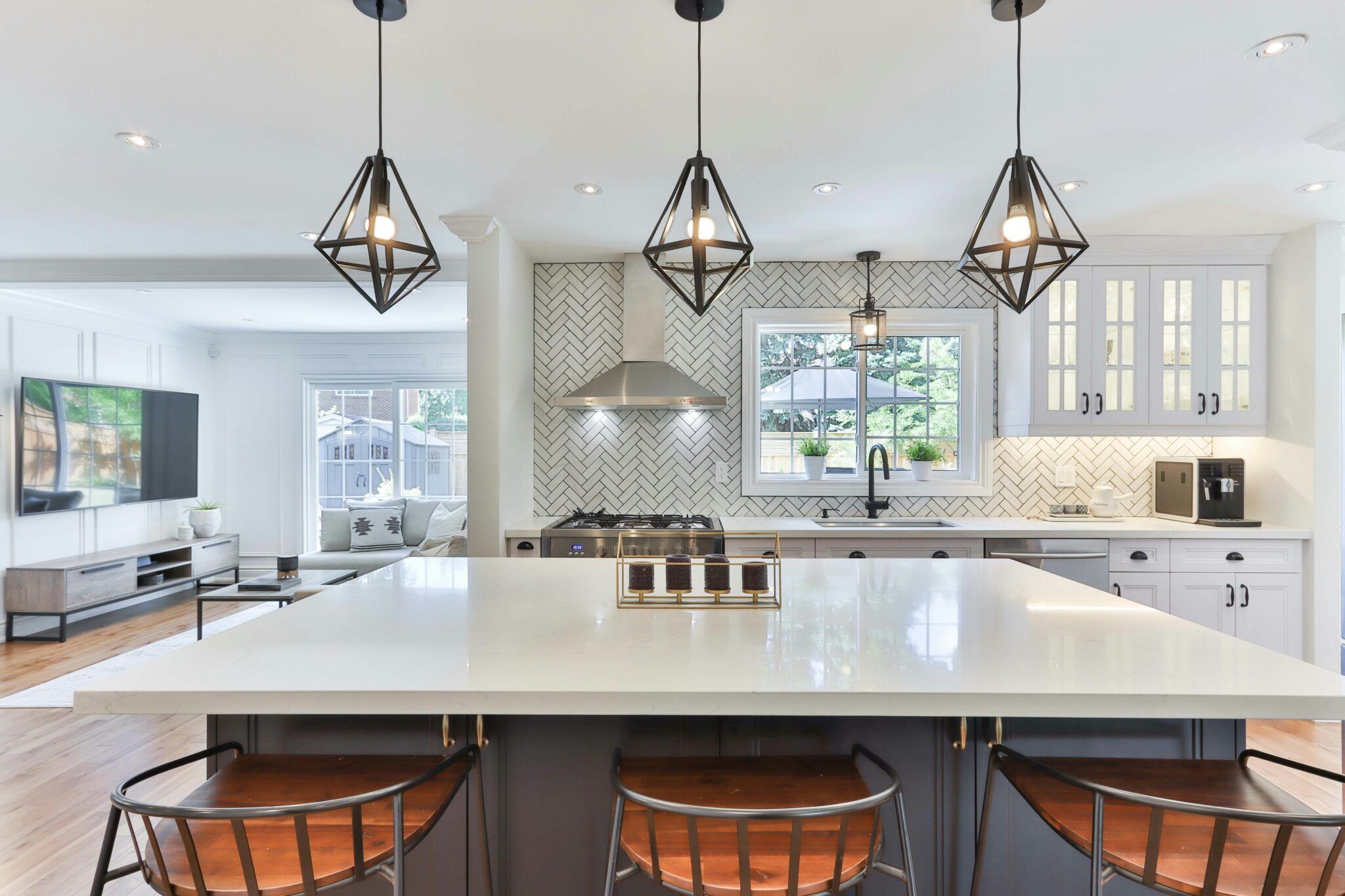
A bespoke property earns its distinction through hundreds of deliberate choices, including the hardware touched every day. Door handles, cabinet pulls, and switches may occupy little visual space, yet their weight, finish, and operation shape how a room feels. Specifying these details early helps you create a consistent interior, control replacement costs, and protect the quality that made the property exceptional in the first place.
The Standard of High-End Craftsmanship
Quality begins beneath the visible finish. Solid materials, precise tolerances and well-fitted internal parts give hardware a reassuring feel while reducing movement and wear. The difference between boutique craftsmanship and mass-market construction often comes down to closer attention to materials, execution and finishing details.
Ask suppliers about base materials, finish application, and replacement components before approving a specification. Test samples on site too. A handle should return cleanly after use, a cabinet pull should feel comfortable from several angles, and a switch should operate without looseness. These checks are especially useful for entrance halls, kitchens and primary living spaces where fixtures receive frequent use.
Where Functionality Meets Fine Art
Decorative hardware can create rhythm across an interior without demanding attention. Antique brass, for example, brings warmth to painted joinery, timber doors and natural stone. If that finish suits the property’s material palette, compare door handles and fittings in antique brass with the switches, outlets and cabinet hardware planned for adjacent rooms.
Keep performance at the center of each decision. Lever length affects grip, projection determines whether a handle catches clothing, and backplate proportions can change how balanced a door appears. Request physical samples because website images can’t fully convey weight or texture. View them in morning light and under evening lamps, then test each piece on the actual door thickness or cabinet profile before placing the full order.
Selecting Cohesive Interior Fixtures
Create a fixture schedule before finishes are ordered. Record every room, door type, hardware function, and required quantity, including spares. This document gives the designer, builder, and installer one reference point and helps prevent mismatched finishes from appearing late in the project.
Cohesion doesn’t require every item to look identical. A substantial entrance handle can sit comfortably beside slimmer internal levers when the finish, edge profile, or proportions share a clear visual language. Consistent detailing and careful installation are also central to quality craftsmanship in luxury homes. Limit the main scheme to one dominant finish and one carefully chosen secondary finish. Use the secondary option where it serves a clear purpose, such as coordinating with kitchen appliances or a statement bathroom fitting.
Long-Term Value in Every Room
Choosing durable fixtures can help protect long-term property value by reducing premature replacement and keeping frequently used features in good condition. A modest price saving at the specification stage can disappear if handles loosen, finishes deteriorate unevenly, or discontinued pieces force wider replacement. In a large home, changing one failed design may involve dozens of doors and considerable installation work.
Review care instructions before purchase and keep them with the property records. Some living finishes develop a natural patina, while plated or lacquered surfaces need specific cleaning methods. Store several spare handles, screws, and backplates in labeled boxes, particularly for hardware installed throughout the house.
Installation deserves the same care as selection. Accurate drilling, correct fasteners, and alignment protect both the fixture and the surrounding surface. When every lever sits level, and every plate meets the door cleanly, the smallest details uphold the permanence expected from a bespoke home.