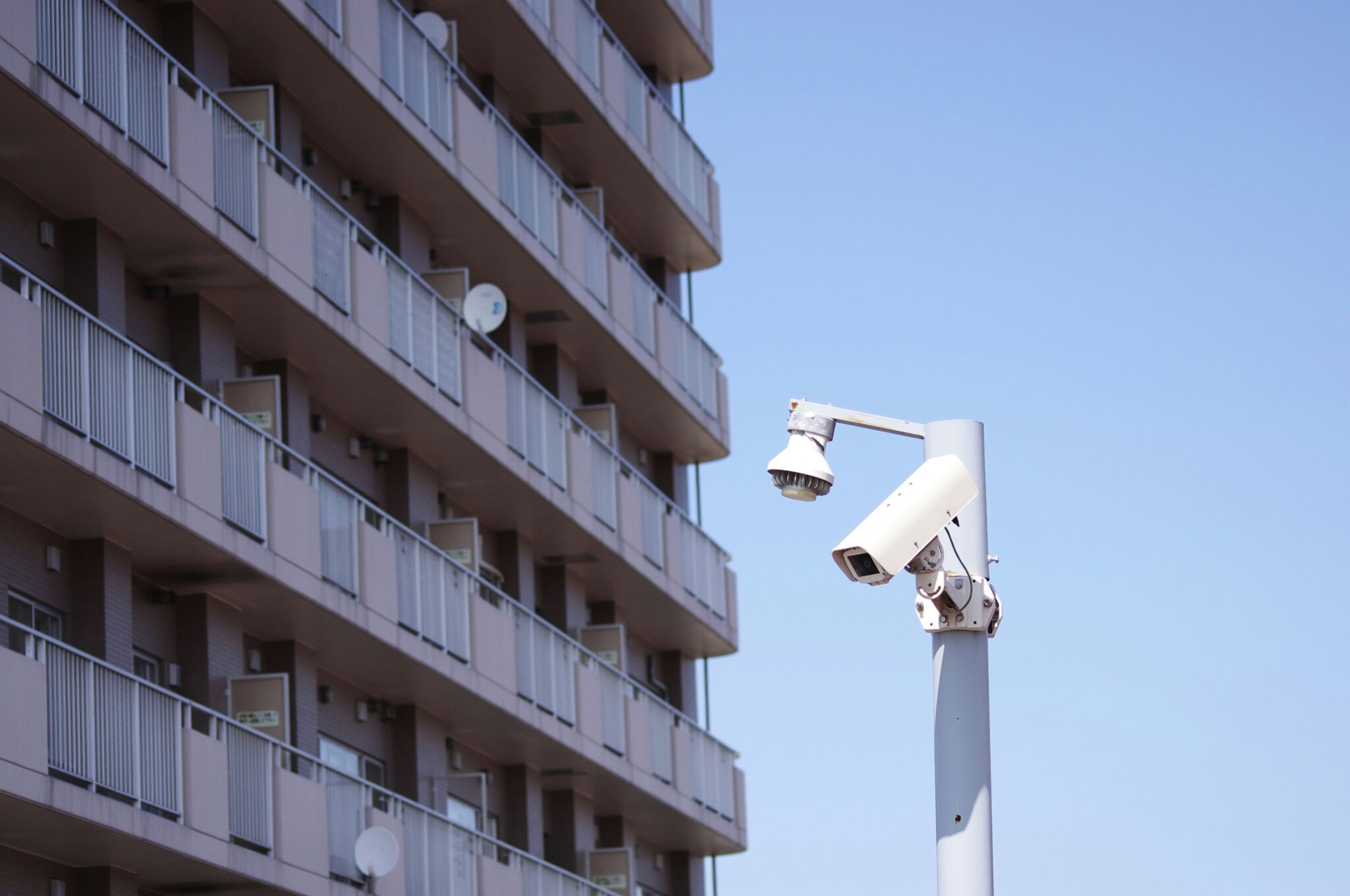
Property investors often focus on occupancy, operating costs and capital improvements while missing conditions that expose residents and visitors to preventable harm. These oversights can lead to injuries, legal claims and higher insurance costs. They can also weaken asset value if recurring incidents affect tenant retention or the property’s reputation. A disciplined premises liability strategy treats safety as an ongoing part of asset management, with clear inspections, documented repairs and accountability across the management team.
Blind Spots in Multi-Family Assets
Multi-family properties have shared spaces that change throughout the day. Parking areas, stairwells, laundry rooms and entry points may appear adequate during a daytime inspection but present different risks after dark or during heavy use. Burned-out lighting, damaged gates and blocked sightlines can remain unnoticed when no one reviews the property from a resident’s perspective.
Common insurance blind spots can also leave owners with unexpected financial exposure. Investors should review incident trends, maintenance logs and insurance terms at least annually. Nighttime walkthroughs and conversations with onsite staff can uncover recurring issues that standard financial reports won’t show.
Failing to Address Known Hazards
A hazard becomes more serious when management knows about it but fails to respond. Consider an exterior door that residents have reported as unreliable for several weeks. If management closes each ticket without confirming the repair, the record may show both notice and an inadequate response.
Set specific deadlines based on risk. Urgent access, lighting and structural issues may require immediate controls while permanent work is scheduled. Residents should receive clear updates and staff should verify each completed repair in person.
When inadequate property security contributes to an injury in Charlotte, an affected person may consult a negligent security lawyer about available legal options. Investors can reduce preventable exposure by treating every complaint as a trackable item with an owner, deadline and completion record.
Legal Accountability for Preventable Harm
Premises liability law generally concerns a property owner’s duty to maintain reasonably safe conditions for lawful visitors, though specific duties and standards vary by jurisdiction. A claim may examine whether a dangerous condition existed, whether the responsible party knew or should have known about it and whether reasonable action could have prevented the harm. The financial consequences of an injury can also extend beyond immediate claims to include operational disruption, increased insurance costs and reputational damage, as discussed in the true cost of customer injuries on business property.
Documentation often becomes central to that analysis. Inspection dates, resident complaints, service requests, vendor invoices and camera maintenance records can establish what happened and when. Missing or inconsistent records create uncertainty. Investors should ask legal counsel and insurance professionals to review reporting procedures before an incident occurs, then preserve relevant material promptly when one does.
Implementing Meaningful Safety Standards
A written policy has little value unless staff can apply it consistently. Assign responsibility for inspections, create response times tied to risk and require supervisors to verify high-priority repairs. Vendor contracts should define completion standards and include a process for urgent work outside normal business hours.
Use a simple monthly dashboard to track open safety requests, average response times, repeat failures and overdue inspections. Compare those figures across properties to identify weak practices or assets needing capital work. Periodic resident feedback can reveal concerns that haven’t entered the maintenance system.
Safety spending also belongs in acquisition planning. During due diligence, inspect common areas at different times, review several years of incident records and estimate the cost of correcting deferred maintenance. Those findings should influence reserves, renovation schedules and management expectations.
Property safety becomes measurable when investors connect each reported condition to a responsible person, a firm deadline and proof of completion. That record protects residents while giving ownership a clearer view of operational performance and avoidable financial risk.