Water in the basement after rain is a source-finding problem before it is a waterproofing purchase. First keep people away from standing water if electricity, a gas appliance, sewage or an unstable wall could be involved. Once the area is safe, document where water first appeared, check where roof and surface runoff go, and arrange drying. Then choose the specialist based on the evidence—not on the first product someone wants to sell you.
Rain is a strong clue, but it does not prove water came through a foundation crack. Roof runoff against the house, saturated soil, a failed sump pump, a blocked drain or a sewer backup can all show up around the same storm. The route matters because a seal on an interior wall will not correct a downspout discharging beside the footing.
What should you do right now?
- Check safety before entering. If water is near outlets, electrical equipment or the service panel, keep out and have a qualified electrician make it safe. Do not turn power on or off while standing in water. The CDC’s disaster-cleanup safety guidance also warns against running fuel-powered pumps or generators inside or near openings because of carbon monoxide.
- Stop an identifiable active source from a safe place. If a supply pipe is leaking and its shutoff is accessible without entering water, shut it off. If sewage is coming through a floor drain, avoid contact and call the appropriate plumbing or sewer service. Do not assume every wet basement is groundwater.
- Photograph the pattern. Record the water level, entry location, sump or drain behavior, recent rainfall, visible exterior pooling and damaged belongings before cleanup when safe. Keep receipts and notify your insurer promptly; coverage depends on the cause and your policy.
- Dry the area after hazards are controlled. Remove standing water and wet items with suitable help. The EPA’s flooded-home guidance urges drying the home and belongings within 24–48 hours where possible to reduce mold problems. Significant contamination or widespread wet materials may require professional cleanup.
Where is the water coming from?
Use the first place you see water as a clue, not a final diagnosis:
- At the wall-floor joint or through a wall after prolonged rain: Soil beside the foundation may be saturated. Examine gutters, downspouts, grading and nearby paved surfaces before choosing an interior repair.
- At a floor drain or toilet, with an odor or debris: A sewer or drain backup needs a plumbing/sewer assessment and careful cleanup. Contact with contaminated water should be avoided.
- At a sump pit, especially during an outage: Check whether the pump operated and whether its discharge has a clear path away from the house. Let a qualified installer diagnose an electrical or pump failure.
- Only near a pipe, appliance or ceiling line: It may be a plumbing or roof leak coinciding with the storm. Look at the actual entry path rather than labeling it “foundation water.”
- Up through the slab after heavy rain: Rising groundwater or water pressure may be involved, but the mechanism needs a site assessment. A surface coating alone may hide the symptom without removing the source.
The U.S. Department of Energy explains that a few inches of rain on a roof can create thousands of gallons of runoff, which should be directed away from a foundation; saturated soil can drive basement moisture. Its gutter and downspout guidance is a useful place to start an exterior check. It does not mean every basement leak can be solved with a downspout extension.
Who do you call for water in the basement after rain?
Start with the risk and the observed entry point. Call an electrician when wet electrical equipment or a submerged service area makes entry unsafe. Call a licensed plumber or sewer service for backed-up drains, toilets, broken pipes or unclear plumbing. For a failed sump, use a qualified pump or waterproofing contractor who can test the pump, discharge and backup power rather than just replace the visible unit.
For recurring wall or floor seepage, ask a reputable drainage or foundation-waterproofing contractor to document runoff, grading, subsoil drainage and the proposed route for water. If the wall is bowed, displaced or cracked in a concerning pattern, have a structural engineer evaluate that separate structural question before agreeing that injection or an interior drain is the entire fix. Our horizontal foundation crack repair-cost guide shows why a leak treatment and structural stabilization are different scopes.
What should the repair proposal actually say?
- Where water was observed entering, what evidence supports the proposed cause, and what remains unverified.
- Whether work redirects roof/surface water, repairs a pipe or drain, manages groundwater, addresses a structural condition, or combines several scopes.
- Which surfaces will be opened or excavated, how the sump or drain discharges, and whether permits or utility checks are needed locally.
- What happens to finishes, landscaping and wet materials, plus the warranty’s exact coverage and exclusions.
- How the contractor will test that the repair works during or after a comparable rain event.
Be wary of a bid that calls every wet wall “hydrostatic pressure” without checking exterior water paths. Also be wary of treating a dehumidifier as the fix for water that keeps entering. The more useful question is: which path carried the water in, and what will this work change about that path?
If you are buying or renting out the property
Ask for seller disclosures, prior water claims, pump and drainage records, receipts, permits and warranties. Visit after rain if access is possible, and have your inspector note staining, damp finishes, stored items elevated off the floor, efflorescence and any inaccessible areas. These signs warrant follow-up; none alone proves the frequency or cost of a leak.
For an investment property, total exposure includes investigation, defined repairs, drying and restoration, and potential vacancy while work is done. Put those figures into the acquisition budget instead of assuming “minor basement seepage.” Our foundation due-diligence guide for buyers explains when to obtain an engineer’s opinion before the inspection deadline.
Quick answers
Why does my basement only get wet after heavy rain?
A heavy storm can overwhelm a gutter, drain or sump, saturate soil next to the foundation, or reveal an opening that stays dry in lighter rain. The timing narrows the search but does not identify the exact route. Photograph where water appears first and compare it with the exterior drainage during the next safe opportunity.
Will a dehumidifier fix water seeping through the floor?
It can help dry indoor air after water is removed, but it cannot stop an active source beneath or beside the slab. Find and manage the entry path first.
Should I seal a foundation crack myself?
Do not treat a seal as proof the underlying water or structural cause is resolved. If the wall is moving, bowed, repeatedly leaking or otherwise concerning, get a qualified assessment and a defined scope before concealing the crack.
Author context: Kaleem Khan has a BSc in Civil Engineering and an MEng, with work in structural engineering research. This guide organizes published safety and building-science guidance; it is not an inspection or diagnosis of a particular basement. Local trades and an engineer, when structural movement is suspected, should verify the cause on site.
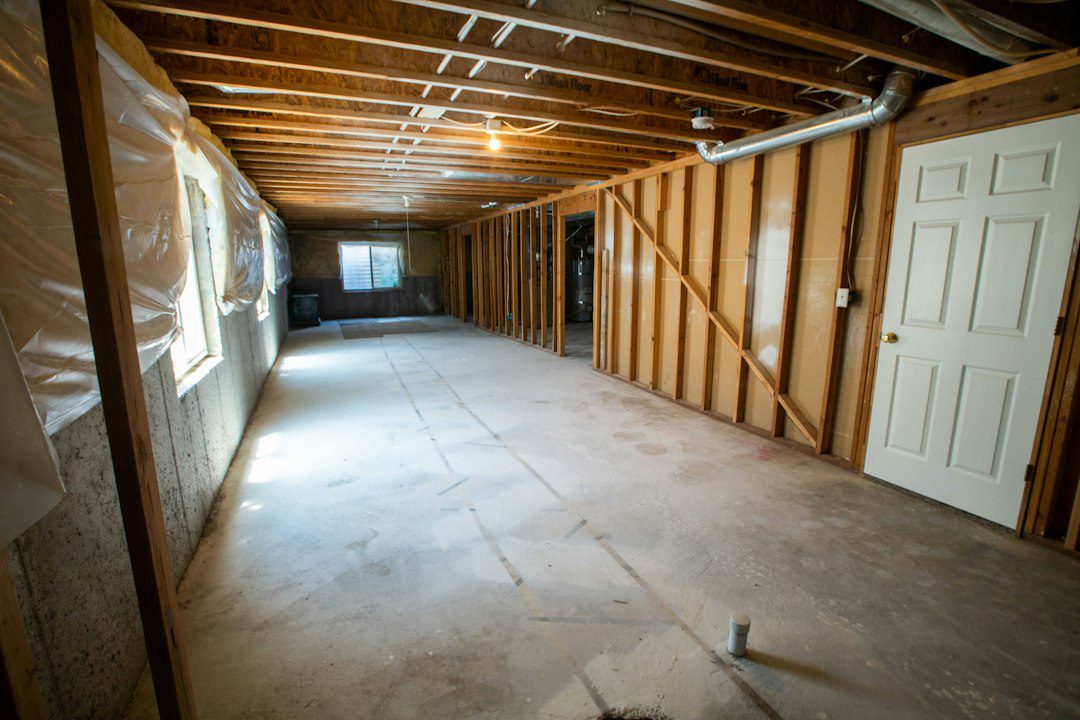
Featured image: Real Twin Photos / Unsplash. An unfinished basement shown for illustration; the pictured property is not a documented leak case.