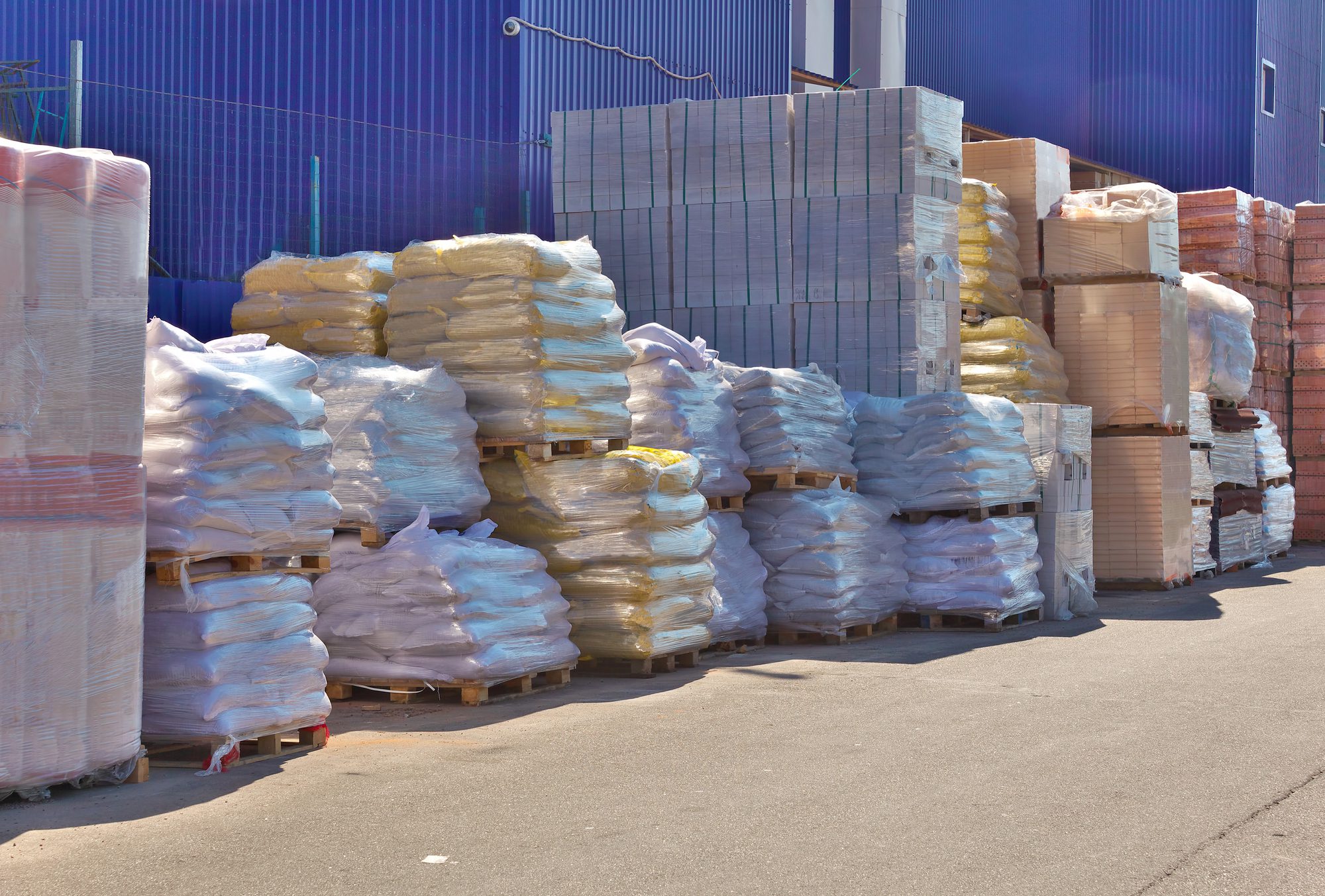
The construction industry is operating under immense structural pressure, with contractors facing persistent labor shortages and steep tariff-driven material costs. Forward-thinking firms are shifting away from traditional, labor-heavy processes to stay competitive.
Instead, they’re adopting high-performance building materials and industrialized techniques engineered to shorten schedules and maximize jobsite output.
Performance Materials for Tighter Schedules
Protecting project timelines requires materials that perform reliably and reduce the risk of costly callbacks. Commercial contractors are increasingly relying on high-performance concrete mixes paired with advanced chemical sealers. These state-of-the-art concrete formulations cure faster and achieve structural load capacity days ahead of traditional mixes, allowing subsequent trades to get onto the slab sooner.
Integrating advanced sealers and reinforced systems directly into early structural phases reduces long-term water infiltration and surface wear. Project managers can maintain tight schedules and minimize rework caused by premature degradation or failed coatings by choosing chemical systems that tolerate moisture and resist environmental conditions.
Prefabricated and Modular Components
Labor constraints represent the single largest bottleneck to project delivery, with the United States facing a shortfall of nearly 500,000 construction workers. Modular construction and off-site prefabrication have shifted from niche practices to essential mainstream strategies to ease this workforce pressure.
Manufacturing component parts (including prefabricated wall panels and complete modular assemblies) in controlled factory environments drastically shortens on-site installation times. General contractors can optimize their small on-site crews for rapid installation rather than raw fabrication because field assembly requires fewer skilled craft professionals, keeping complex projects moving smoothly.
Low-Carbon Cement and Concrete Options
Sustainability standards are tighter than ever – but low-carbon materials are no longer selected purely for environmental compliance. Materials like calcined clay cement and recycled aggregate concrete mixes are gaining massive traction because they support scalability and offer reliable local sourcing nationwide.
Alternative binder mixes allow contractors to sidestep regional steel or heavy manufacturing holdups as international trade policy and tariff disputes with key exporting countries disrupt traditional global supply chains.
These sustainable, low-carbon concrete options often match or exceed the compressive strength of traditional Portland cement, creating a double benefit for builders amid ongoing shortages.
Smart Gypsum and Interior Board Systems
The final push of any commercial build depends on a predictable, rapid interior fit-out. Advanced gypsum products and engineered wallboard systems have revolutionised the way crews manage interior sequencing. Specialized products allow installers to skip multi-step finishing processes.
When managing interior partitions and complex wall-finishing layouts, using standard drywall board options with built-in moisture protection or abuse-resistant cores helps crews maintain efficient sequencing. By reducing the time required to cut and cure interior partitions, these advanced boards enable finishing trades to move through the enclosure more quickly and create a highly optimized building assembly line.
By embedding high-performance concrete, modular components and advanced interior boards in the early planning phases, construction executives can reliably mitigate labor shortages and secure long-term operational success.
Photo by depositphotos