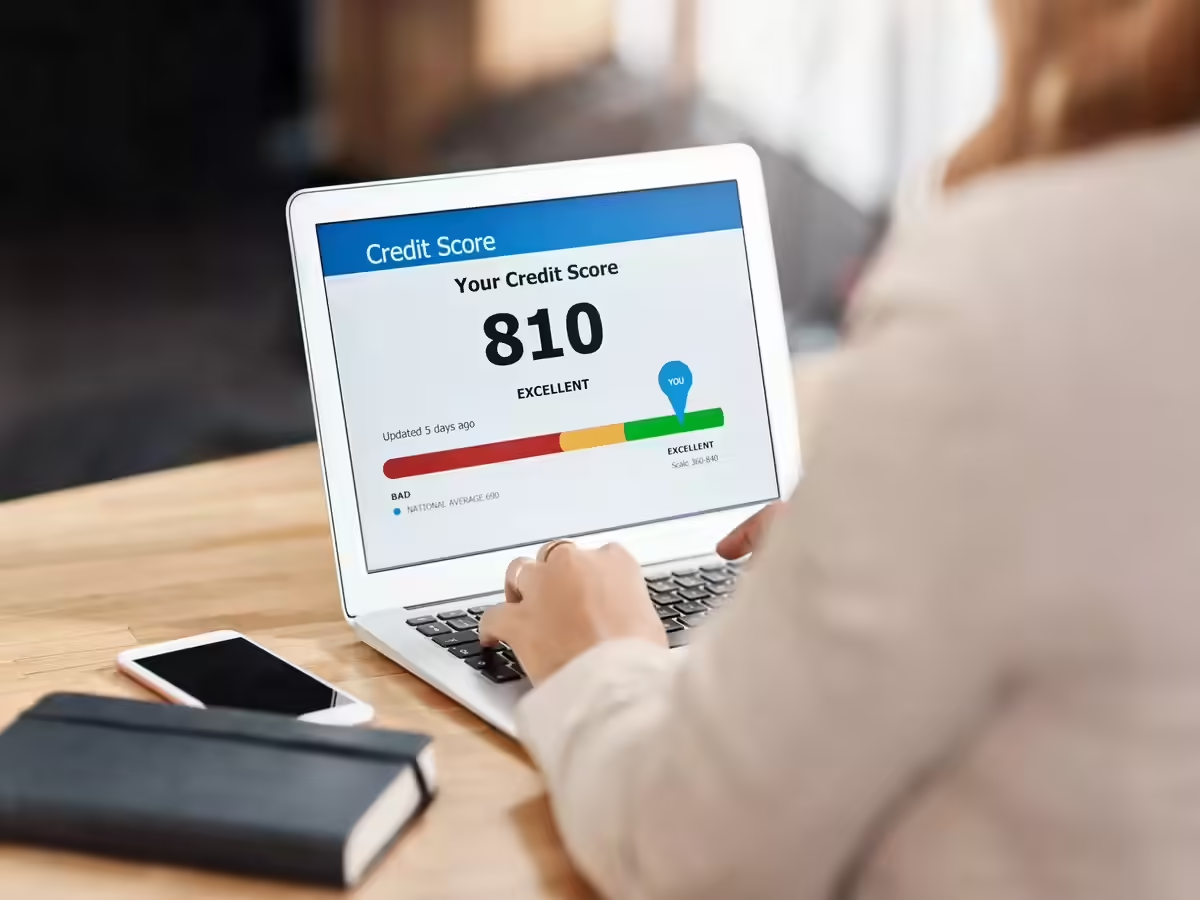
A good credit score plays an important role in your financial life. It affects your ability to qualify for credit cards, mortgages, car financing, rental agreements, and even some job opportunities. Many people believe taking loans is the only way to build or improve credit, but that is not true.
There are several smart and effective ways to improve your credit score fast without loans. By managing your existing financial accounts responsibly and following healthy credit habits, you can gradually raise your score without borrowing additional money.
This guide explains the best strategies to improve your credit score naturally and safely while avoiding unnecessary debt.
What Is a Credit Score?
A credit score is a numerical representation of your creditworthiness. Lenders use this score to evaluate how responsibly you manage borrowed money and financial obligations.
Credit scores are generally based on:
- Payment history
- Credit utilization
- Length of credit history
- Credit mix
- New credit inquiries
Higher scores indicate lower financial risk to lenders.
Why a Good Credit Score Matters
Maintaining a strong credit score offers many financial advantages.
Benefits include:
- Easier loan approvals
- Lower interest rates
- Better credit card offers
- Higher credit limits
- Improved rental application chances
- Better financial reputation
Even if you are not planning to borrow money immediately, a good credit score can provide long-term financial flexibility.
Best Ways to Improve Credit Score Fast Without Loans
1. Pay Bills on Time
Payment history is one of the biggest factors affecting your credit score. Late payments can significantly lower your score.
Bills that may impact your credit include:
- Credit cards
- Utility bills
- Phone bills
- Subscription services
- Rent payments in some regions
Setting automatic payments or reminders can help avoid missed due dates.
Credit Improvement Tips Table
| Strategy | Impact on Credit Score |
|---|---|
| Paying bills on time | Very High |
| Lowering credit utilization | High |
| Checking credit reports | Moderate |
| Avoiding new credit applications | Moderate |
| Keeping old accounts open | Moderate |
| Correcting report errors | High |
| Using secured credit cards responsibly | Moderate |
2. Reduce Credit Card Balances
High credit card balances increase your credit utilization ratio, which can negatively affect your score.
Experts generally recommend keeping credit utilization below 30%.
For example:
- If your limit is $1,000, try keeping balances below $300.
Lower utilization signals responsible credit management.
3. Check Your Credit Report for Errors
Mistakes on credit reports are more common than many people realize.
Common errors include:
- Incorrect balances
- Duplicate accounts
- Wrong personal information
- Unauthorized accounts
- Incorrect late payment records
Disputing inaccurate information can quickly improve your score.
4. Avoid Applying for Too Much New Credit
Each new credit application may trigger a hard inquiry, which can temporarily lower your credit score.
To protect your score:
- Apply for credit only when necessary
- Avoid multiple applications within short periods
- Compare options carefully before applying
Responsible credit behavior improves long-term financial health.
5. Keep Old Credit Accounts Open
Length of credit history also affects your score. Older accounts demonstrate longer-term financial responsibility.
Even if you rarely use an older credit card:
- Keep it open if possible
- Use it occasionally for small purchases
- Pay balances in full
Closing old accounts may reduce your average account age and increase utilization ratios.
6. Become an Authorized User
Some people improve their credit by becoming an authorized user on a trusted family member’s credit card account.
Benefits may include:
- Access to positive payment history
- Improved credit utilization ratio
- Faster score improvement
Choose someone with excellent payment habits and low balances.
7. Use Secured Credit Cards Carefully
Secured credit cards require a refundable deposit but can help build or rebuild credit responsibly.
Tips for success:
- Make small purchases
- Pay balances in full monthly
- Avoid maxing out the card
Responsible usage can gradually strengthen your credit profile.
Financial Habits That Support Better Credit
Improving your overall financial stability can also help maintain strong credit over time.
Helpful habits include:
- Budgeting monthly expenses
- Building emergency savings
- Avoiding unnecessary debt
- Monitoring spending habits
- Paying more than minimum balances
Many financially responsible individuals who explore Low Risk Investment Options for Monthly Income also prioritize maintaining healthy credit scores to support long-term financial growth.
How Long Does It Take to Improve a Credit Score?
The time required depends on your financial situation and the severity of past credit problems.
General estimates:
- Minor improvements: a few weeks to months
- Moderate improvements: 3–6 months
- Major recovery after serious issues: 1–2 years
Consistency is essential for sustainable improvement.
Common Mistakes That Hurt Credit Scores
Avoiding harmful habits is just as important as following positive strategies.
Missing Payments
Even one missed payment can negatively impact your score.
Maxing Out Credit Cards
High balances increase utilization ratios and may lower your score.
Closing Old Accounts
This can shorten credit history and reduce available credit.
Applying for Too Many Cards
Multiple inquiries within short periods may signal financial risk.
Ignoring Credit Reports
Undetected errors may continue damaging your score unnecessarily.
Additional Tips to Improve Credit Naturally
Set Up Payment Alerts
Reminders help ensure bills are always paid on time.
Pay Credit Card Balances Early
Making payments before statement dates may reduce reported balances.
Keep Debt Levels Manageable
Avoid carrying excessive balances whenever possible.
Diversify Financial Accounts Carefully
Responsible use of different account types may strengthen your credit profile over time.
Benefits of Improving Credit Score
A higher credit score can create better financial opportunities.
Lower Interest Rates
Good credit often qualifies borrowers for reduced interest costs.
Better Loan Approvals
Lenders prefer applicants with strong credit histories.
Higher Credit Limits
Responsible credit use may lead to increased limits.
Easier Housing Applications
Landlords often review credit during rental applications.
Greater Financial Confidence
Strong credit provides more financial flexibility and stability.
Can You Improve Credit Without Debt?
Yes. Improving credit does not require taking unnecessary loans.
You can build positive credit history by:
- Paying bills responsibly
- Managing credit card balances
- Keeping accounts in good standing
- Avoiding late payments
Financial discipline is more important than borrowing large amounts of money.
FAQs About Improving Credit Score Fast
What is the fastest way to improve a credit score?
Paying bills on time and lowering credit card balances are among the fastest ways to improve credit.
Does checking my own credit score lower it?
No. Personal credit checks are usually considered soft inquiries and do not affect scores.
How much should I use on my credit card?
Experts often recommend keeping utilization below 30% of your available limit.
Can I improve my score without a loan?
Yes. Responsible credit card use and positive payment history can improve scores without taking loans.
How often should I check my credit report?
Reviewing your report at least once a year is generally recommended.
Do late payments stay on credit reports forever?
Negative marks usually remain for several years but their impact decreases over time with responsible financial behavior.
Final Thoughts
Learning how to improve credit score fast without loans can help you achieve better financial opportunities while avoiding unnecessary debt. By paying bills on time, lowering credit utilization, checking reports for errors, and maintaining healthy financial habits, you can gradually strengthen your credit profile naturally.