The International Maritime Organization’s 2024 safety report found that 87% of cruise ship incidents requiring emergency response begin within passenger cabin areas — yet most travelers never receive detailed guidance about the safety systems protecting them during their voyage. As cruise ships grow larger and carry more passengers than ever before, with some modern vessels accommodating over 7,000 people, understanding your cabin’s safety features has shifted from helpful knowledge to essential preparation.
For the 32 million people who cruise annually, that floating hotel room represents both sanctuary and potential emergency zone. Unlike land-based accommodations, cruise cabins operate within a complex maritime environment where fire suppression, evacuation procedures, and emergency communication follow strict international protocols designed for scenarios most passengers never consider. When incidents do occur — whether medical emergencies, severe weather, or mechanical issues — your cabin becomes the starting point for safety procedures that could affect thousands of people simultaneously.
The gap between what cruise lines provide for safety and what passengers understand about their cabin’s protective systems often becomes apparent only during actual emergencies. Understanding how your temporary floating home is engineered for your protection, what equipment stands ready to assist you, and how you fit into the ship’s broader safety network transforms that knowledge from abstract ship orientation into practical preparation that could prove invaluable.
How Are Cruise Ship Cabins Designed for Safety?
Modern cruise ship cabins incorporate fire-resistant construction that goes far beyond typical hotel room standards, reflecting the unique challenges of maritime emergencies where external help may be hours away. Bulkhead walls between cabins use steel construction with fire-resistant insulation rated to contain flames for specific time periods — typically 30 to 60 minutes depending on the cabin’s location within the ship. These aren’t decorative partitions; they’re structural barriers designed to compartmentalize emergencies and provide evacuation time.
The materials surrounding you in your cabin follow strict maritime fire codes that regulate everything from carpet fibers to curtain fabrics. Fire-retardant textiles in cruise cabins must meet IMO flame-spread standards that are more restrictive than most land-based accommodations. Even seemingly minor details like lampshades and decorative pillows use specially treated materials designed to resist ignition and limit flame propagation. This comprehensive approach means your cabin environment actively works to prevent small incidents from becoming major emergencies.
Ventilation systems within cabins include automatic fire dampers that can seal air passages if smoke is detected, preventing the spread of smoke and toxic gases between cabin areas. These dampers work in coordination with the ship’s central fire detection network, responding not just to conditions in your specific cabin but to emergency signals throughout your deck section. The door to your cabin isn’t just a privacy barrier — it’s a fire door with specific ratings for heat resistance and automatic closing mechanisms that activate during emergency conditions.
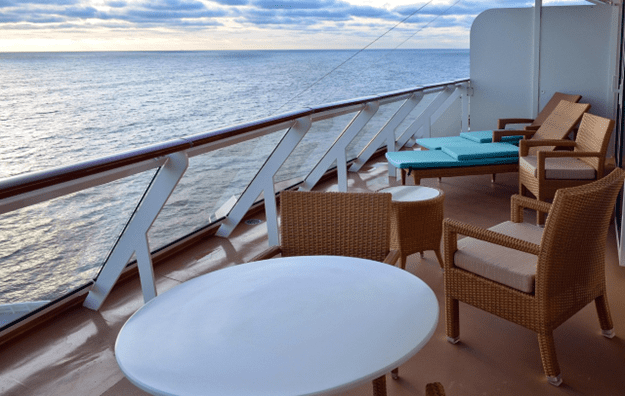
Perhaps most importantly, cabin placement within the ship follows deliberate safety engineering. Interior cabins sit within the most protected areas of the vessel, while balcony cabins include reinforced sliding doors and railings designed to withstand severe weather conditions. The location of your cabin relative to muster stations, stairwells, and emergency equipment reflects careful planning to ensure evacuation routes remain accessible even when primary corridors become compromised.
What Safety Equipment and Protocols Are Inside Cruise Cabins?
Every cruise cabin contains life jackets stored in designated locations — typically the cabin closet or under the bed — with quantities matching the maximum occupancy rather than just current passengers. These aren’t the basic orange vests many people imagine; modern cruise ship life jackets use advanced materials that provide flotation, hypothermia protection, and visibility features including LED lights and reflective strips. The jackets are sized for different body types and include special pediatric versions when children are registered for the cabin.
Smoke detectors in cruise cabins connect to the ship’s central monitoring system, meaning activation in your cabin immediately alerts the bridge and security personnel. Unlike home smoke detectors that simply sound local alarms, cruise cabin detectors transmit location-specific data that helps crew members respond with appropriate resources. These systems undergo daily testing protocols that passengers rarely see but that ensure functionality in actual emergency conditions.
Your cabin’s emergency lighting system includes battery-powered illumination that automatically activates when main power fails, clearly marking the path to your cabin door and continuing into corridor evacuation routes. This isn’t just a basic flashlight equivalent — the lighting follows specific maritime standards for duration, brightness, and placement designed to guide passengers safely even in smoke-filled conditions. Sprinkler systems in many modern cabins provide localized fire suppression, though these vary by ship age and design specifications.
The cabin telephone serves as more than a convenience feature during emergencies, connecting directly to the ship’s emergency communication network. Instructions posted in your cabin — usually on the back of the door or near the telephone — outline specific protocols for reporting emergencies and include information about muster station locations and evacuation signals. These protocols assume passengers may be disoriented or dealing with language barriers, so they emphasize simple, clear actions rather than complex decision-making.
Communication protocols within cabins also include the ship’s public address system, which can deliver emergency instructions directly to your room. Understanding that this system may provide critical information during incidents when leaving your cabin isn’t immediately advisable helps passengers make informed decisions about when to shelter in place versus when to begin evacuation procedures.
What Roles Do Passengers and Crew Play in Cabin Safety?
Passenger responsibilities for cabin safety begin with basic familiarization that many travelers skip during embarkation excitement. Learning your cabin’s emergency equipment locations — life jackets, emergency instructions, and evacuation routes — provides the foundation for effective response during actual incidents. This isn’t just about reading posted materials; it involves physically locating equipment and understanding how to operate cabin safety features like emergency lighting switches and communication devices.
Maintaining clear pathways within your cabin ensures emergency evacuation doesn’t become complicated by personal belongings scattered across the floor or blocking access to safety equipment. During severe weather or emergency situations, what seems like minor cabin clutter can become dangerous obstacles when passengers need to move quickly in potentially dark or unstable conditions. Smart passengers also avoid disabling smoke detectors or covering emergency lighting, even when these safety features seem inconvenient.
Cruise ship crew members conduct regular safety inspections of passenger cabins, though these often occur when passengers are away from their rooms. Housekeeping staff receive training to identify safety hazards like blocked escape routes, damaged equipment, or potential fire risks created by passenger belongings. When issues are identified, crew members have protocols for addressing problems immediately rather than waiting for passengers to correct them voluntarily.
Cabin stewards play particularly important roles in passenger safety, as they develop familiarity with individual passenger needs and can provide personalized assistance during emergencies. For passengers with mobility limitations, medical conditions, or language barriers, cabin stewards often serve as the primary link to ship safety resources. This relationship works best when passengers communicate relevant safety considerations early in their voyage rather than hoping crew members will intuit their needs during actual emergencies.
During emergency drills and actual incidents, crew members have specific responsibilities for cabin-by-cabin safety checks, ensuring passengers have evacuated successfully and identifying anyone who may need additional assistance. The unfortunate reality is that some serious maritime incidents, including those requiring cruise line injury representation, stem from breakdowns in these crew safety protocols or failures to adequately assist passengers during evacuation procedures.
How Do Emergency Evacuation Procedures Involve Cabins?
When evacuation signals sound, your cabin becomes the starting point for a carefully choreographed process designed to move thousands of passengers safely through narrow corridors and stairwells to designated muster stations. The route from your cabin follows specific pathways marked by emergency lighting and signage, typically avoiding elevators entirely and directing passengers toward the nearest stairwell that connects to their assigned assembly area.
Mandatory safety drills conducted shortly after embarkation simulate the exact process passengers must follow from their cabins during actual emergencies. These drills aren’t theatrical performances — they test the ship’s ability to account for every passenger and evaluate whether evacuation routes remain clear and functional. Passengers who skip these drills miss critical information about timing expectations, route alternatives, and procedures for passengers needing additional assistance.
The seven-blast signal followed by continuous alarm indicates passengers should return to their cabins immediately to retrieve life jackets before proceeding to muster stations. This protocol assumes passengers remember their cabin locations and can navigate back through corridors that may be crowded with other passengers responding to the same signal. Understanding this sequence prevents the confusion that occurs when passengers attempt to locate life jackets at muster stations rather than bringing them from their cabins.
Cabin door procedures during evacuation include specific instructions about whether to lock doors when leaving and how to signal that the cabin has been evacuated. Some cruise lines use door hangers or other indicators that help crew members conducting cabin-by-cabin safety sweeps identify which rooms still need checking. These seemingly minor details become critical when crew members must verify that hundreds of cabins have been safely evacuated within tight timeframes.
Modern cruise ships conduct timed evacuation exercises that measure how quickly passengers can move from their cabins to muster stations, using this data to refine procedures and identify potential bottlenecks. The goal isn’t just successful evacuation — it’s evacuation within timeframes that provide adequate safety margins for the various emergency scenarios cruise ships might encounter. Passengers who understand their role in these procedures contribute to everyone’s safety rather than becoming obstacles that slow the process.
How Do Regulations and Standards Ensure Cruise Cabin Safety?
The International Maritime Organization’s SOLAS Convention (Safety of Life at Sea) establishes comprehensive standards that govern cruise cabin construction, equipment requirements, and safety procedures. These regulations mandate specific fire resistance ratings for cabin materials, minimum equipment standards for life jackets and emergency lighting, and detailed protocols for emergency communication systems. Unlike voluntary guidelines, SOLAS requirements carry the force of international maritime law and apply to cruise ships operating in international waters.
Flag state inspections and port state control examinations verify that cruise ships meet these safety standards through regular audits of cabin safety systems, emergency equipment functionality, and crew training procedures. Ships that fail these inspections face operational restrictions until deficiencies are corrected, providing economic incentives for cruise lines to maintain safety standards consistently rather than only during inspection periods.
The International Safety Management Code requires cruise lines to establish and maintain safety management systems that include specific protocols for cabin safety maintenance, emergency equipment testing, and passenger safety communication. These systems must demonstrate how cabin safety integrates with overall ship safety operations, ensuring that individual cabin incidents don’t compromise ship-wide emergency response capabilities.
Classification societies like Lloyd’s Register and Det Norske Veritas conduct independent verification of cruise ship safety systems, including cabin construction standards and emergency equipment specifications. These organizations provide technical expertise that helps ensure cabin safety features meet engineering standards appropriate for maritime environments, where traditional building codes may not address the unique challenges of floating accommodations.
Recent regulatory developments focus increasingly on passenger accountability systems that help cruise lines track passenger locations during emergencies and ensure that cabin-based safety equipment meets the needs of passengers with disabilities or medical conditions. These evolving standards reflect lessons learned from maritime incidents and recognition that effective cabin safety requires both robust engineering and clear procedures that work for diverse passenger populations.
The most effective cabin safety strategies recognize that your floating hotel room operates within a complex system designed to protect thousands of people simultaneously — and your understanding of that system may prove more valuable than any individual safety device when unexpected situations arise.