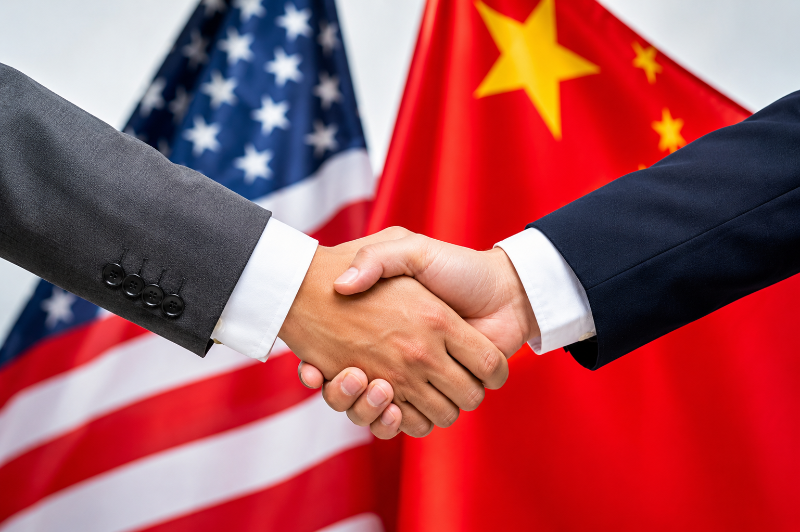
China Boosts US Ethane Imports as geopolitical tensions and supply disruptions reshape global petrochemical trade flows in 2026. The surge in Chinese purchases of American ethane reflects a broader shift in industrial energy sourcing after the Iran conflict disrupted key Middle East supply routes and increased uncertainty around the Strait of Hormuz.
Chinese petrochemical producers traditionally relied heavily on Middle Eastern naphtha and liquefied petroleum gas (LPG) for ethylene production. However, worsening shipping risks, higher insurance costs, and reduced export flows from the Gulf region forced manufacturers to seek more stable alternatives. As a result, imports of US ethane climbed to record levels, highlighting the growing strategic importance of American shale-based energy exports. Reuters-linked market reports indicate China’s April ethane imports from the United States were projected to reach roughly 800,000 tons, around 60% above normal monthly averages.
Moreover, disruptions linked to the Strait of Hormuz increased pressure across global petrochemical supply chains. Asian refiners and chemical producers faced shortages of feedstocks, including LPG and naphtha, while crude-linked petrochemical costs surged sharply. Consequently, Chinese manufacturers accelerated diversification efforts to protect industrial production and secure long-term feedstock stability.
Meanwhile, the trend also demonstrates how industrial commodities are becoming increasingly tied to geopolitical strategy. China’s dependence on stable energy-linked imports continues to rise, while US shale exports gain greater influence within global manufacturing supply chains. Therefore, the ethane trade boom is not simply about pricing advantages. It also reflects a structural transformation in how industrial economies manage geopolitical risk and supply security.
Why China Boosts US Ethane Imports Amid Iran War Disruptions?
China Boosts US Ethane Imports largely because Middle East supply disruptions reduced the availability of traditional petrochemical feedstocks. The conflict involving Iran created severe uncertainty around shipping lanes near the Strait of Hormuz, a critical chokepoint for global oil, LPG, and petrochemical trade.
Before the disruptions intensified, China sourced substantial volumes of naphtha and LPG from Gulf producers. However, tighter shipping conditions and reduced export flows forced Asian buyers to seek alternative supplies. Reuters reporting noted that effective disruptions around Hormuz sharply constrained access to Middle Eastern feedstocks.
Consequently, Chinese petrochemical firms accelerated purchases of US ethane because it offered both pricing advantages and more stable delivery conditions. Ethane also became attractive because it bypassed some of the volatility linked to crude oil pricing.
Several major factors pushed the shift toward American supplies:
- Reduced availability of Middle East LPG and naphtha
- Rising shipping insurance costs near Hormuz
- Greater geopolitical uncertainty across Gulf energy routes
- Stronger economics for ethane-based cracking
- Expanding US shale gas production and exports
Moreover, industrial manufacturers increasingly prioritized supply stability over traditional sourcing patterns. Therefore, China’s petrochemical sector adapted rapidly to changing geopolitical realities.
How Ethane Became a Critical Feedstock for China’s Petrochemical Industry?
Ethane plays a crucial role in ethylene production, which supports plastics, packaging, industrial chemicals, and manufacturing materials used across China’s economy. As China’s industrial sector expanded over the past decade, demand for petrochemical feedstocks increased significantly.
Unlike naphtha, ethane offers lower processing costs and higher profitability margins for ethylene producers. Consequently, Chinese petrochemical companies invested heavily in ethane cracking facilities designed specifically for imported US supply.
Reuters-linked industry estimates showed profitability from ethane-based ethylene production significantly exceeded margins from naphtha processing during the recent supply crisis.
Meanwhile, US shale gas production created abundant ethane supply at competitive prices. Therefore, Chinese firms increasingly viewed American ethane as both an economic and strategic resource.
Several factors explain the rapid growth in demand:
- Lower feedstock costs versus naphtha
- Higher ethylene production efficiency
- Better profitability margins for chemical producers
- Expanding Chinese ethane cracker capacity
- Stable access to US shale exports
However, this growing reliance also increases China’s exposure to geopolitical tensions with Washington. Nevertheless, economic necessity continues to outweigh many political concerns in the energy trade relationship.
Key Drivers Behind China’s Record US Ethane Imports
| Factor | Market Impact | Supply Effect | Economic Benefit | Geopolitical Risk |
|---|---|---|---|---|
| Strait of Hormuz disruptions | Higher global feedstock prices | Reduced Gulf exports | Increased demand for alternatives | Elevated shipping tensions |
| Middle East LPG shortages | Tight petrochemical supply | Lower Asian inventories | Improved ethane economics | Regional instability |
| US shale production growth | Larger export capacity | Stable ethane availability | Lower input costs | US export policy risks |
| Chinese cracker expansion | Higher industrial demand | Greater import dependency | Stronger production margins | Long-term supply exposure |
| Rising freight insurance costs | Increased transport expenses | Slower Gulf shipments | Diversification incentives | Trade route uncertainty |
Impact of the Iran War on Global Petrochemical Supply Chains
The Iran conflict disrupted far more than crude oil markets. It also destabilized global petrochemical supply chains that depend heavily on Gulf exports of LPG, naphtha, and related industrial feedstocks.
Asian petrochemical producers faced immediate pressure as shipments from the Middle East slowed. Reuters reported that several refiners and chemical companies across Asia reduced operating rates or declared force majeure because feedstock deliveries became unreliable.
Moreover, uncertainty around Hormuz sharply increased transportation costs and insurance premiums. As a result, petrochemical manufacturers experienced rising input costs even when supplies remained available.
The broader effects included:
- Higher feedstock pricing volatility
- Reduced operating rates at Asian petrochemical plants
- Supply chain diversification away from Gulf exporters
- Increased reliance on US energy shipments
- Greater focus on strategic industrial inventories
Meanwhile, industrial companies recognized that geopolitical conflicts now affect manufacturing supply chains as much as traditional commodity markets. Therefore, businesses began restructuring sourcing strategies to reduce dependence on politically unstable regions.
Why US Ethane Exports Are Becoming Strategically Important?
The rise in American ethane exports reflects the growing geopolitical importance of US shale production. Over the past decade, the United States transformed into a leading exporter of LNG, natural gas liquids, and petrochemical feedstocks.
China Boosts US Ethane Imports partly because the United States remains one of the few suppliers capable of rapidly scaling exports during a supply crisis. Reuters reporting showed that China’s ethane trade with the US continued expanding despite broader trade tensions and tariffs.
Additionally, Gulf Coast export terminals expanded infrastructure to support larger ethane shipments to Asia. Consequently, American producers gained greater influence within global petrochemical markets.
Several strategic developments support this trend:
- Expansion of US shale gas output
- Increased Gulf Coast export capacity
- Stronger global demand for natural gas liquids
- Rising Asian petrochemical consumption
- Greater diversification away from Middle East supply
However, political risks remain significant. Trade disputes between Washington and Beijing could still disrupt energy flows. On the other hand, both countries also recognize the economic benefits of maintaining industrial commodity trade.
Table 2: US Ethane vs Traditional Petrochemical Feedstocks
| Feedstock Type | Main Source Region | Cost Trend | Supply Stability | Petrochemical Profitability |
|---|---|---|---|---|
| Ethane | United States | Relatively lower | More stable | High |
| Naphtha | Middle East / Asia | Crude-linked volatility | Disrupted by conflict | Moderate |
| LPG | Persian Gulf | Rising during crisis | Shipping uncertainty | Moderate to high |
| Condensates | Middle East | Highly volatile | Sensitive to disruptions | Moderate |
How the Strait of Hormuz Crisis Is Reshaping Energy Markets?
The Strait of Hormuz remains one of the world’s most important energy transit corridors. Therefore, any disruption in the region immediately affects global commodity markets.
Recent tensions surrounding Iran significantly reduced confidence in Gulf shipping routes. Reuters reported that reduced Middle East energy flows contributed to rising oil prices, tighter supply conditions, and growing industrial uncertainty across Asia.
Consequently, companies increased efforts to diversify supply chains away from heavily exposed routes. Meanwhile, insurers raised shipping premiums for vessels operating near the Gulf region.
The market response included:
- Higher global oil and gas price volatility
- Increased freight and insurance expenses
- Strategic rerouting of cargo shipments
- Expansion of alternative supply partnerships
- Accelerated investment in energy diversification
Moreover, industrial manufacturers increasingly integrated geopolitical risk assessments into procurement decisions. Therefore, energy security now influences industrial strategy as much as pricing economics.
China’s Growing Dependence on US Energy Supplies Explained
China’s industrial economy requires massive volumes of imported energy and petrochemical feedstocks. As geopolitical risks intensified across the Middle East, dependence on stable American supplies increased.
China Boosts US Ethane Imports because US shale exports offer both supply consistency and favorable economics. Additionally, American energy infrastructure allows exporters to respond relatively quickly to shifts in global demand.
Reuters analysis also showed that China continued importing significant volumes of US propane and ethane even during periods of trade tension.
Several trends explain the growing interdependence:
- Rising Chinese industrial demand
- Expansion of petrochemical manufacturing
- Diversification away from unstable regions
- Greater reliance on energy-linked industrial inputs
- Long-term growth in US export capacity
However, Beijing continues balancing economic needs against geopolitical concerns. Nevertheless, industrial supply security increasingly shapes trade policy decisions.
Risks That Could Disrupt China’s US Ethane Supply Strategy
Despite strong demand growth, several risks could threaten China’s expanding reliance on US ethane imports.
First, worsening trade tensions between Washington and Beijing could trigger export restrictions or tariff disputes. Ethane previously became politically sensitive during earlier trade conflicts, and future disputes could again disrupt flows.
Second, shipping bottlenecks remain a concern. Although US supplies avoid Gulf instability, global freight markets still face congestion and rising transportation costs.
Key risks include:
- Escalating US-China trade disputes
- Potential export controls on energy products
- Global shipping and logistics disruptions
- Volatile energy pricing conditions
- Prolonged Middle East instability
Meanwhile, another major escalation around Hormuz could intensify global commodity volatility even further. Consequently, petrochemical manufacturers may continue expanding strategic stockpiles and alternative sourcing arrangements.
Why the Ethane Trade Boom Reflects a Shift in Global Energy Dynamics?
The recent surge in ethane trade highlights broader structural changes within global energy and industrial markets. China Boosts US Ethane Imports not only because of immediate supply shortages, but also because modern supply chains increasingly prioritize resilience and flexibility.
US shale production now plays a growing geopolitical role within industrial commodity markets. Moreover, petrochemical feedstocks are becoming strategically important resources alongside traditional crude oil and LNG exports.
Several structural changes are emerging:
- Flexible supply chains replacing rigid sourcing models
- Greater integration between industrial policy and energy trade
- Increased geopolitical influence of shale exporters
- Rising Asian demand for stable petrochemical inputs
- Reduced dependence on traditional Gulf supply routes
Importantly, the Iran conflict accelerated trends already developing within global manufacturing systems. Therefore, the shift toward American ethane reflects both economic necessity and the growing fragility of traditional Middle East supply routes.
Industrial supply security increasingly shapes international trade decisions just as much as pricing advantages. As a result, petrochemical feedstocks are evolving into strategically important commodities that influence broader geopolitical relationships.
FAQs
Why is China importing more US ethane?
China is increasing US ethane imports because Middle East supply disruptions reduced access to traditional feedstocks like naphtha and LPG. US ethane offers more stable supply and better production economics.
How did the Iran war affect petrochemical supplies?
The Iran conflict disrupted Gulf shipping routes and reduced exports of petrochemical feedstocks from the Middle East. Consequently, Asian manufacturers faced shortages and higher costs.
What is ethane used for in industry?
Ethane is primarily used to produce ethylene, which serves as a key raw material for plastics, chemicals, packaging, and industrial manufacturing products.
Why is the Strait of Hormuz important to energy markets?
The Strait of Hormuz handles a major share of global oil, LNG, and petrochemical shipments. Therefore, disruptions there immediately affect global commodity prices and supply chains.
How does ethane compare to naphtha?
Ethane generally offers lower production costs and higher profitability for ethylene producers compared with naphtha, especially during periods of high crude oil prices.
Why are US ethane exports increasing?
US shale gas production created abundant ethane supply, while growing Asian petrochemical demand increased export opportunities for American producers.
Is China dependent on US ethane supplies?
China increasingly depends on US ethane because American exporters dominate global supply capacity for this specific feedstock.
How are petrochemical companies reacting to supply disruptions?
Many petrochemical firms diversified suppliers, reduced operating rates temporarily, increased inventories, and accelerated investment in alternative feedstock infrastructure.
Could geopolitical tensions affect future ethane trade?
Yes. Trade disputes, export controls, shipping disruptions, or worsening geopolitical conflicts could impact future ethane flows between the United States and China.
What does this mean for global energy markets in 2026?
The trend shows how geopolitical conflicts increasingly reshape industrial commodity trade, supply chains, and global energy relationships beyond crude oil markets.