The Long Line: Manhattan School of Music Honors the Teachers Behind the Voices
At the Rainbow Room, the conservatory’s 2026 Gala celebrated Board Chair Lorraine Gallard and the faculty who shape its students, with performances tracing a path from a Precollege student to a three-time Grammy winner.
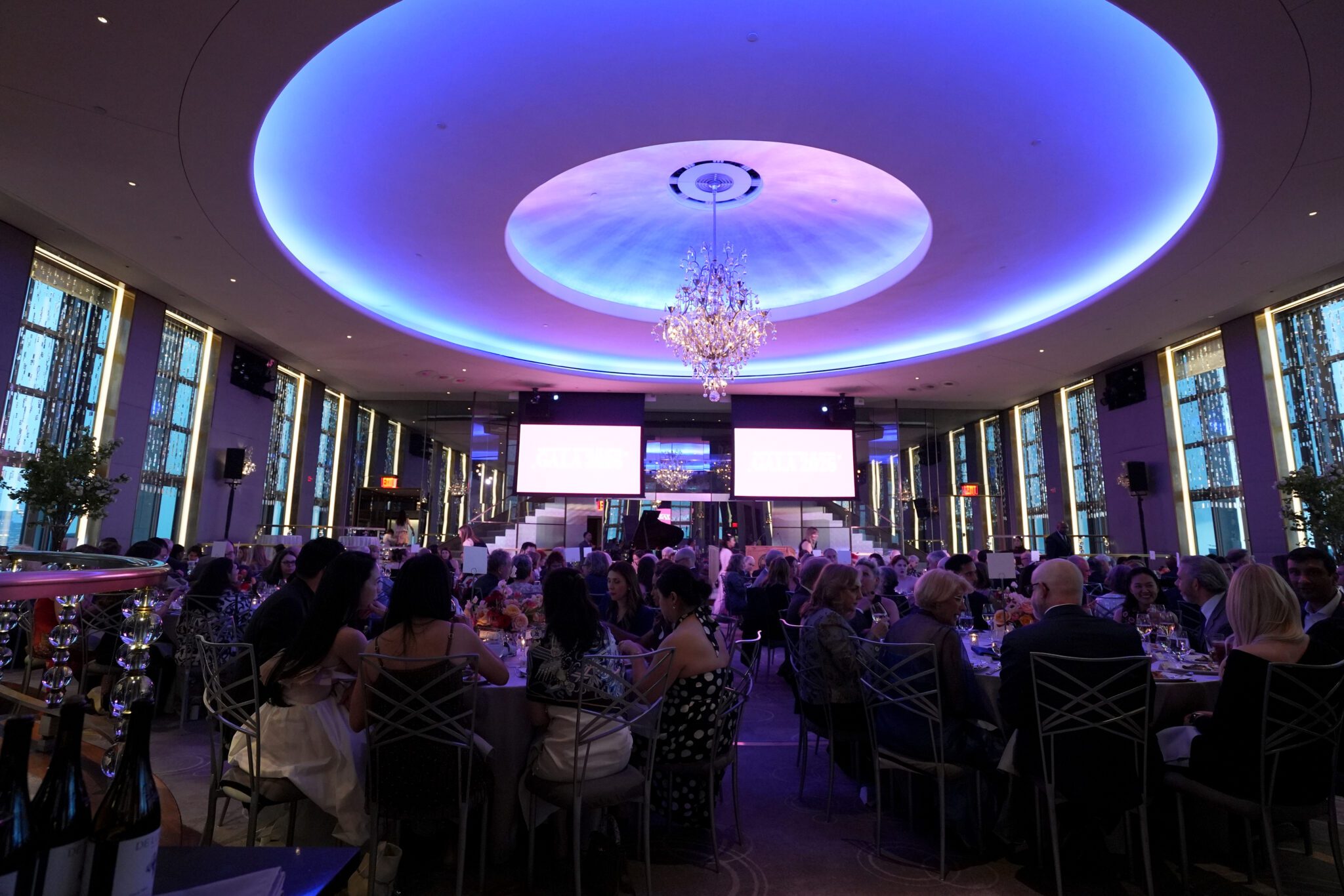
Sixty-five floors above Midtown, a seventeen-year-old sang about going the distance. Ethan Mathias, of Manhattan School of Music’s Precollege Class of 2026, opened the evening’s performances with the Hercules song at the Rainbow Room, and the sequencing was the point. By the end of the night, the same stage would belong to a three-time Grammy winner who had once occupied a similar position in the school’s ecosystem. The theme of the 2026 Gala was “A Tradition of Mentorship,” and the program made its argument through casting rather than commentary.
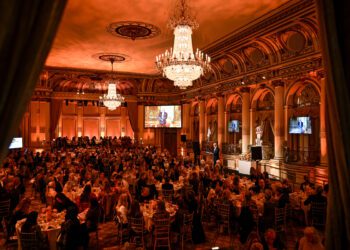
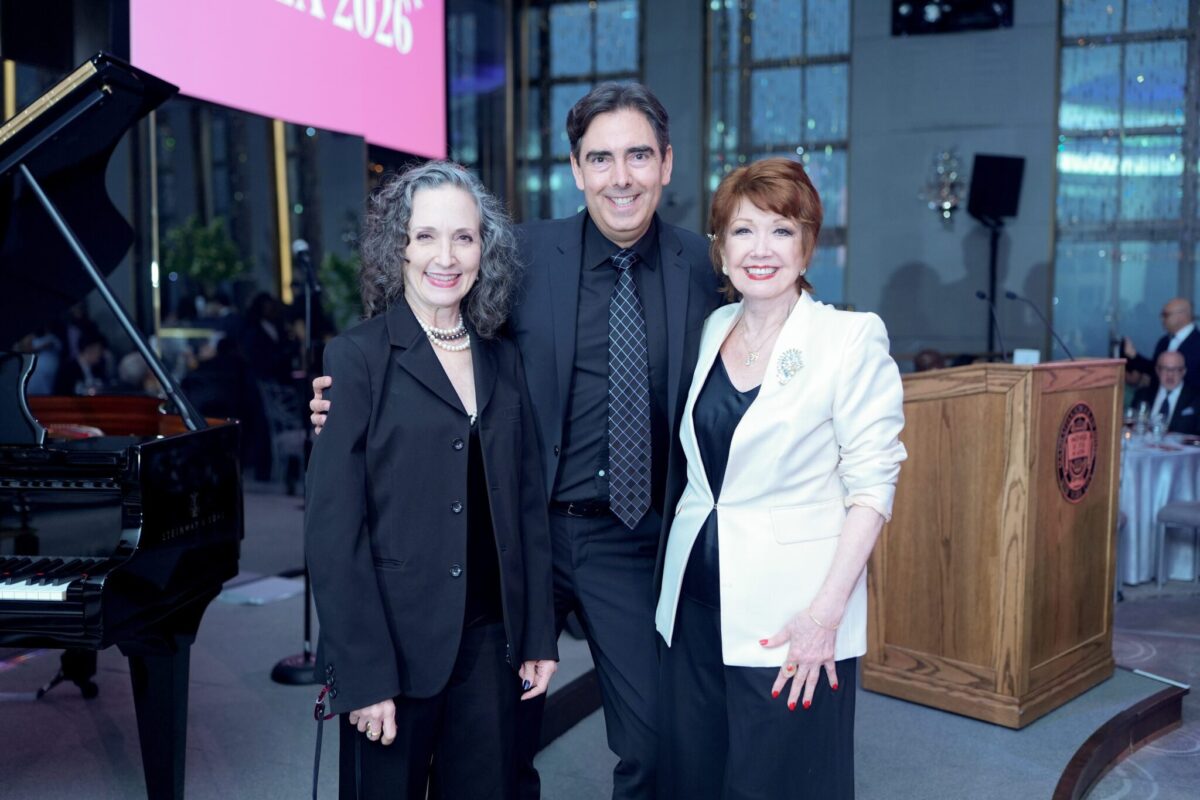
The evening was hosted by Bebe Neuwirth, an MSM trustee, member of the school’s Artistic Advisory Council and recipient of an honorary Doctor of Musical Arts degree, whose own career spans the theatrical and musical worlds the school trains students to enter. The gathering drew Broadway, opera and classical talent together in a room that has hosted New York’s cultural establishment for the better part of a century.
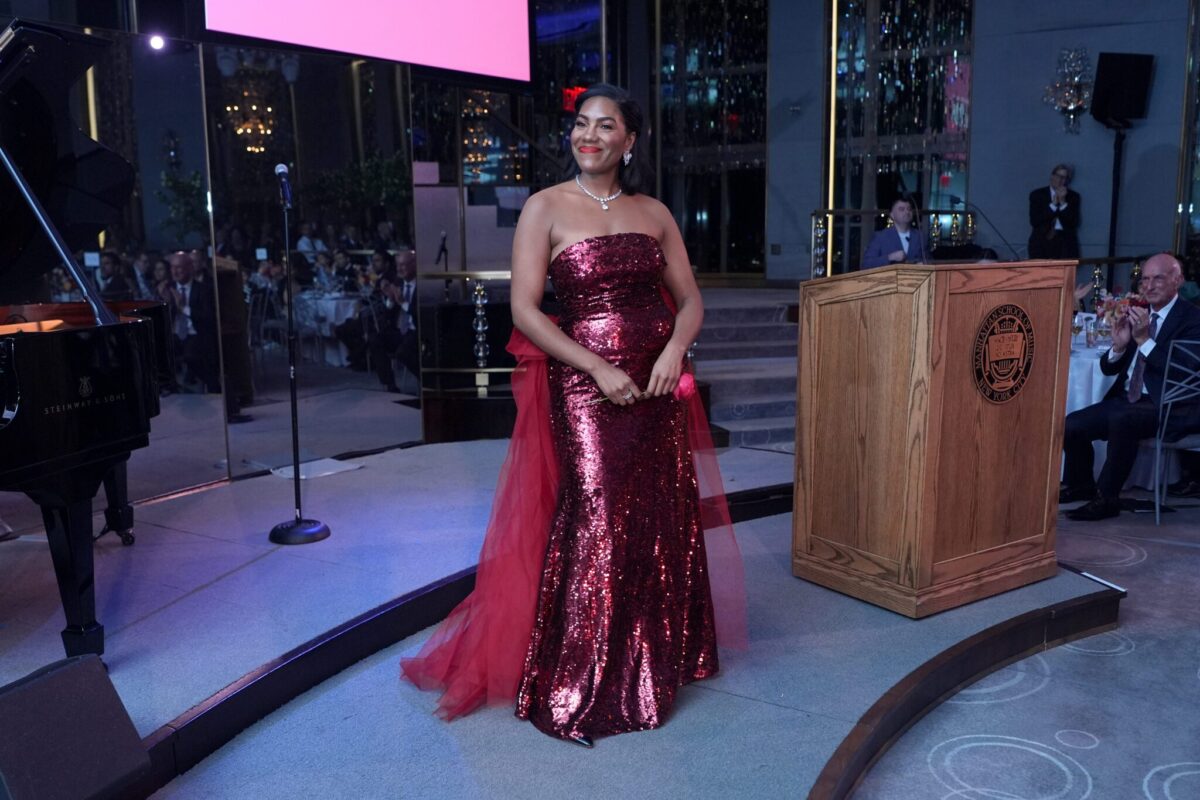
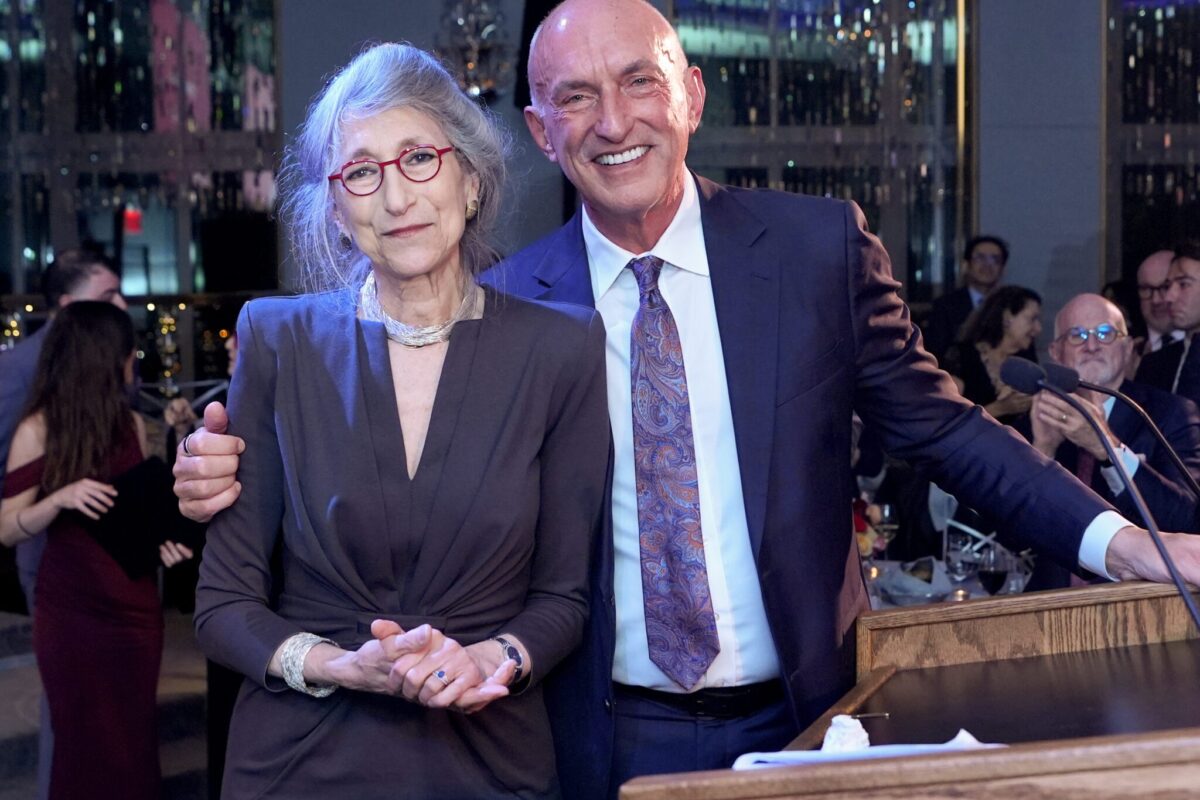
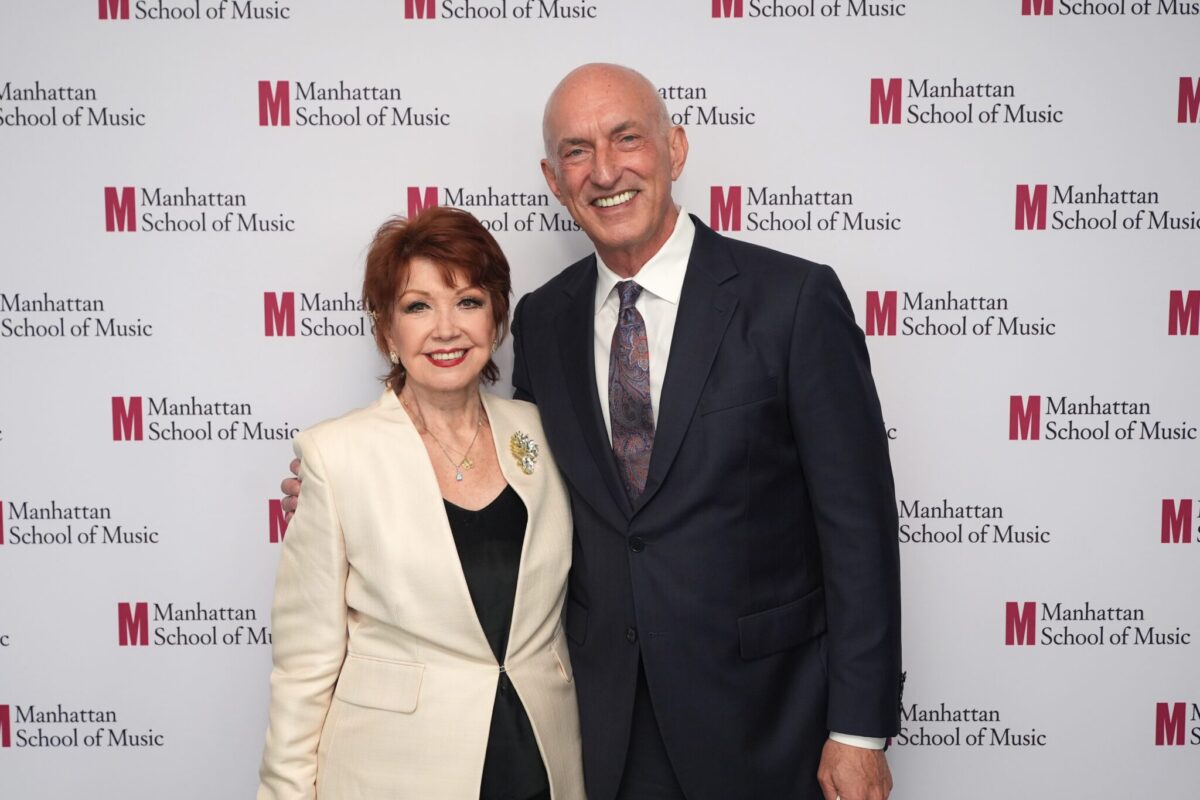
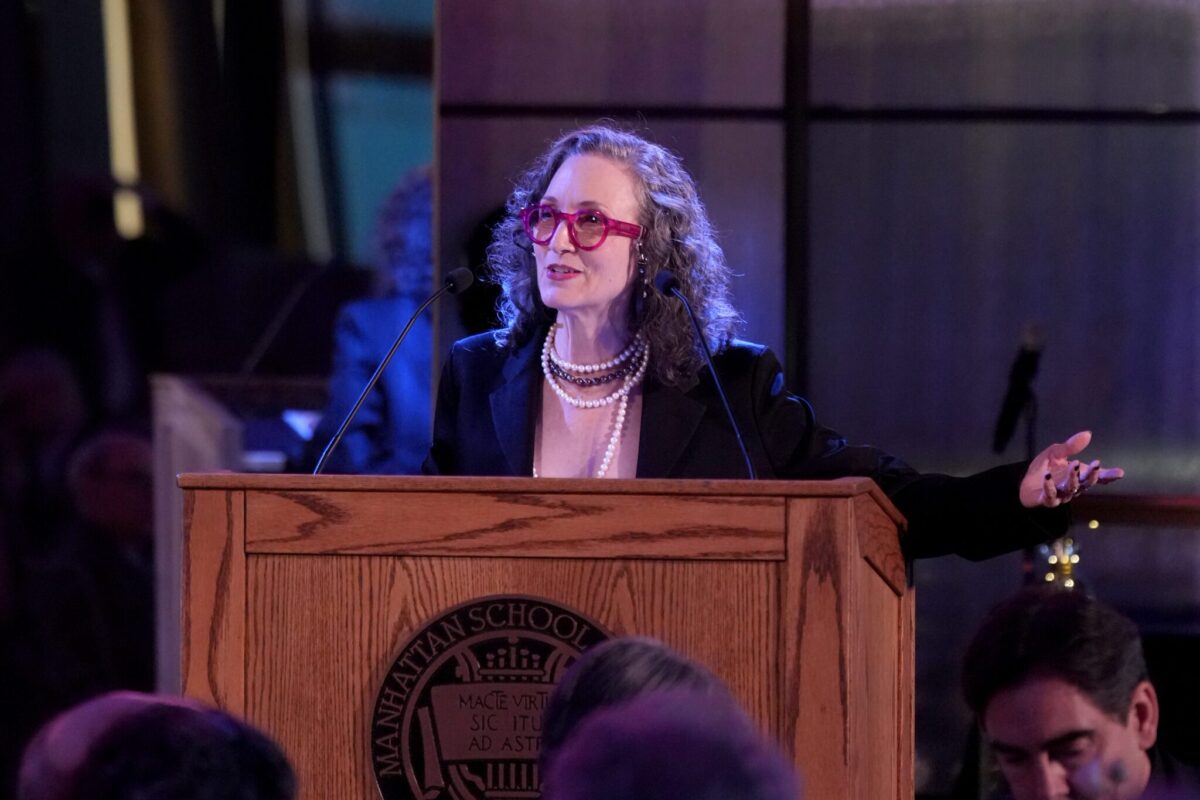
At the center of the evening was Lorraine Gallard, honored for twelve years as board chair. Gallard is herself an alumna of MSM’s Precollege Division, which lends her tenure a certain symmetry: she joined the Board of Trustees in 2009, was elected chair in 2014, and has since helped guide an institution she first encountered as a child through a period of substantial growth. Under her chairmanship, the school has continued its evolution as one of the world’s leading conservatories, preparing young artists for careers across classical music, jazz, vocal arts and musical theater.
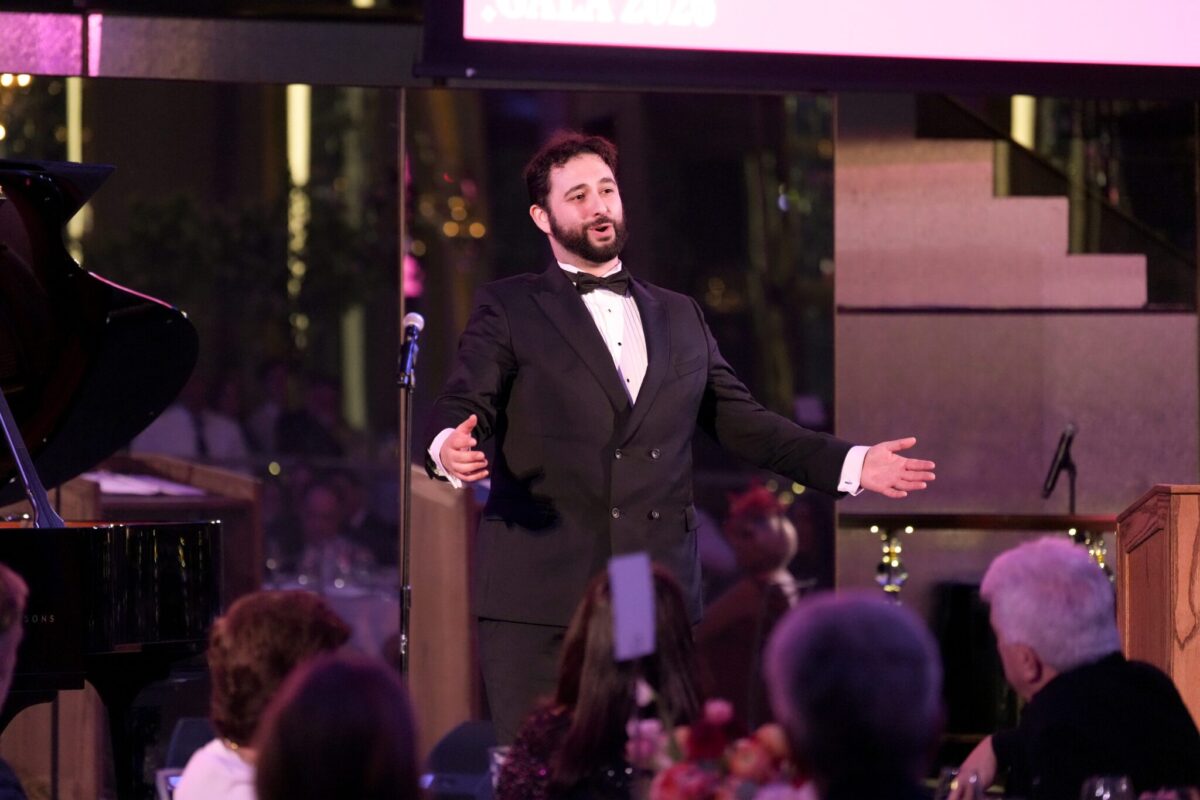
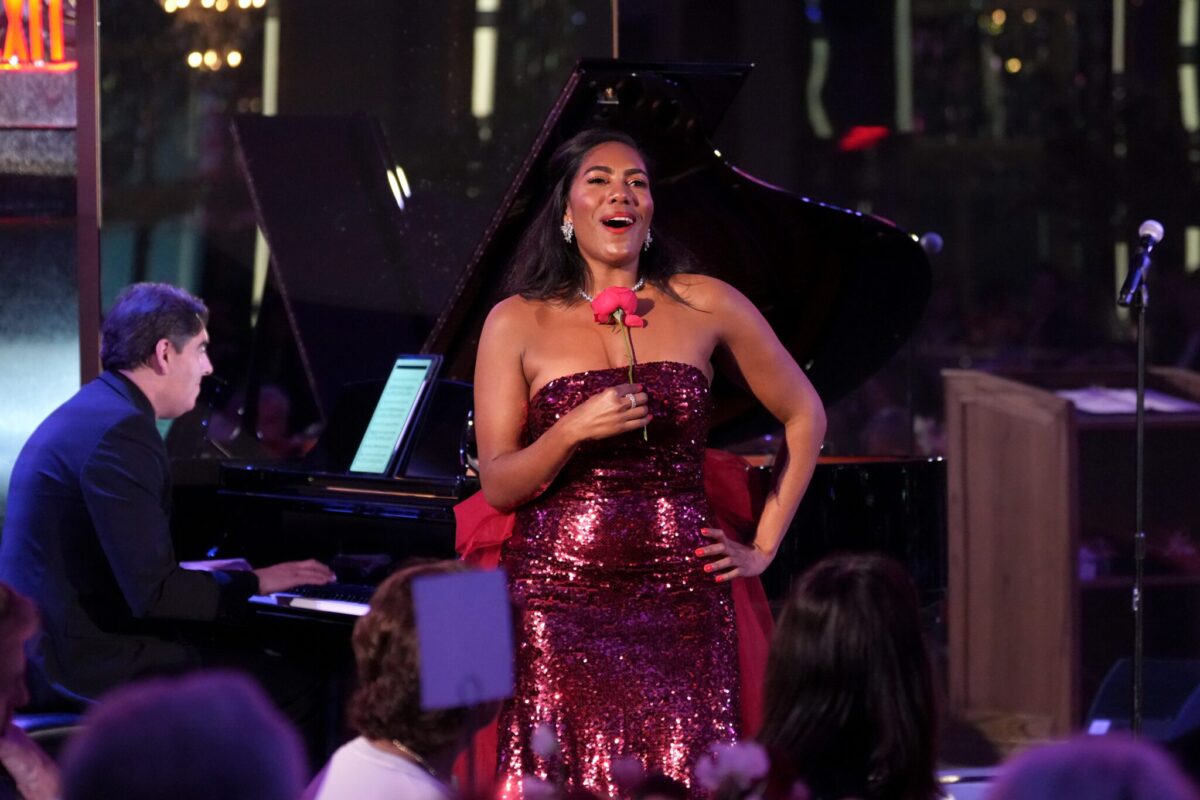
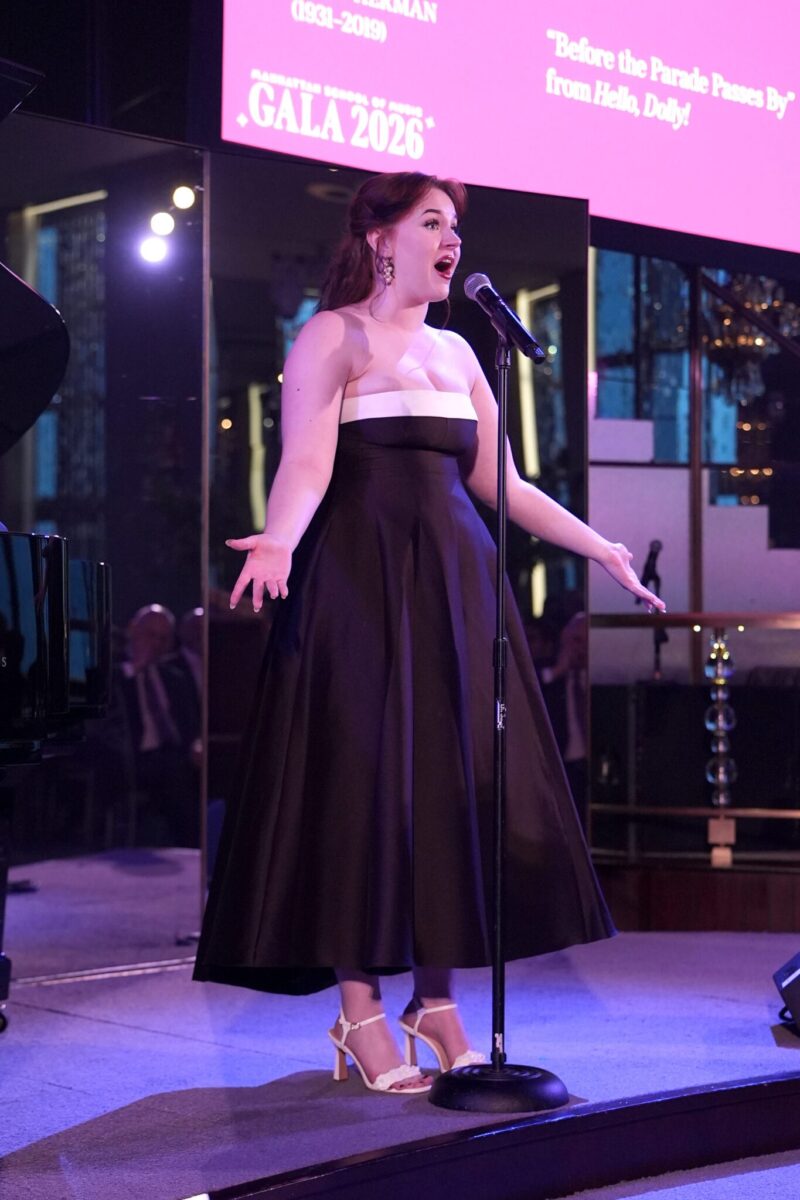
The program unfolded as a sequence of voices at different stages of formation. After Mathias, Meredith Layne Hungerford, a Bachelor of Music candidate in musical theater, performed “Before the Parade Passes By” from Hello, Dolly!, with Shane Schag at the piano. Following remarks from MSM President James Gandre, Benjamin R. Sokol, a triple alumnus of the school, took on Rossini’s “La calunnia è un venticello” from The Barber of Seville, again with Schag accompanying. Three singers, three points along the same trajectory, the piano bench occupied throughout by a member of the school’s artistic staff.
A video tribute, “Celebrating MSM Faculty: A Tradition of Mentorship,” turned the evening’s attention to the people who make that trajectory possible. David Loud, music director of MSM’s Musical Theatre program and a member of the musical theater faculty, offered opening remarks. Gandre and trustee Noémi K. Neidorff, a double MSM alumna, continued the tribute before Gallard addressed the room. The framing was deliberate. A conservatory’s reputation rests on its graduates, but its actual work happens in practice rooms and studios, one student and one teacher at a time.
The evening’s culminating performance came from J’Nai Bridges, the three-time Grammy Award winner, MSM alumna and honorary doctorate recipient. Bridges sang “L’amour est un oiseau rebelle” from Carmen and “You’ll Never Walk Alone” from Carousel, with Schag at the piano. The pairing was itself a statement about the school’s range, moving from Bizet’s coiled seduction to a Rodgers and Hammerstein hymn that Broadway and opera have both claimed. Coming after the student and early-career performances, it read less as a headline appearance than as the far end of a continuum the audience had watched being drawn all evening.
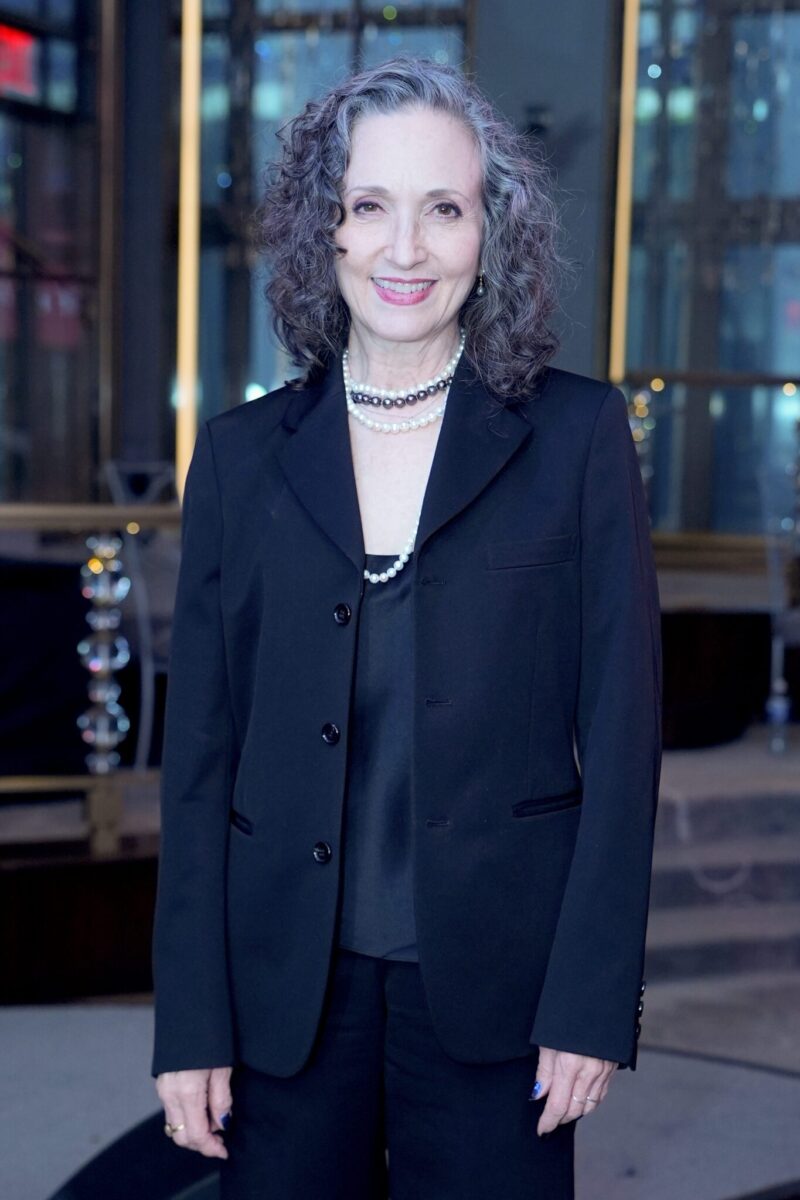
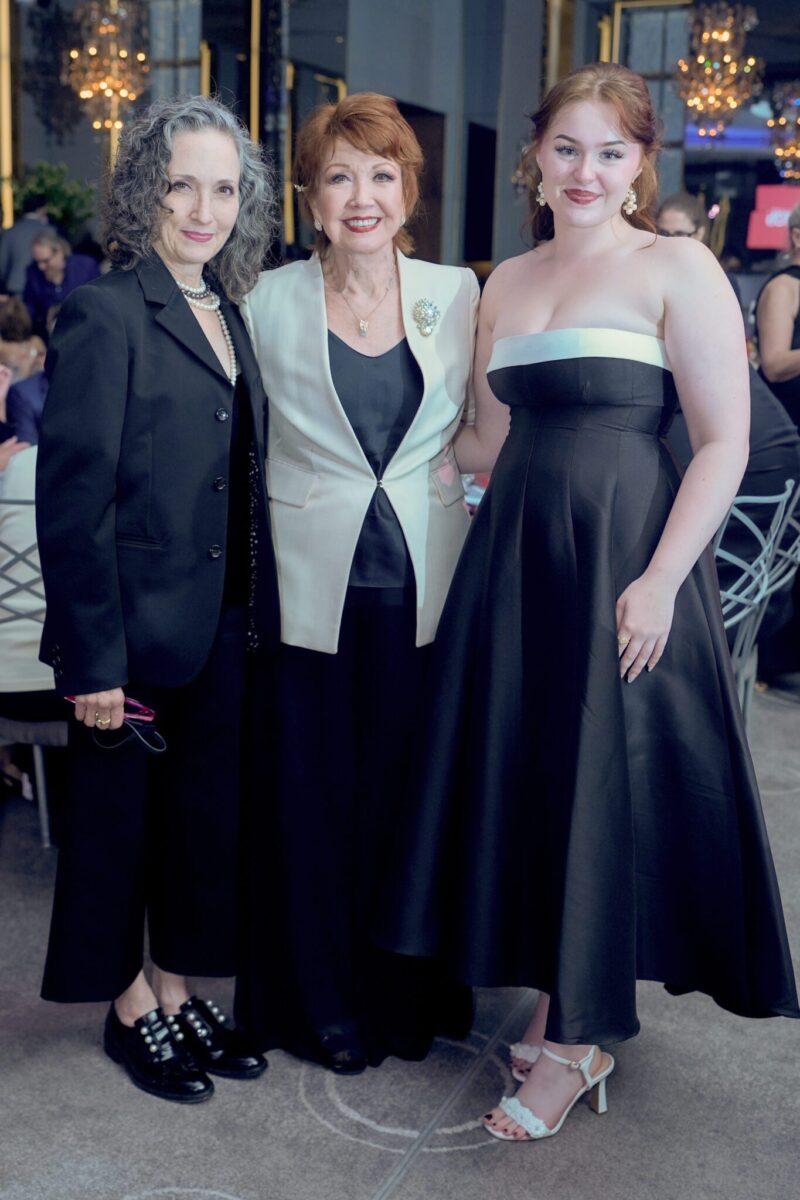
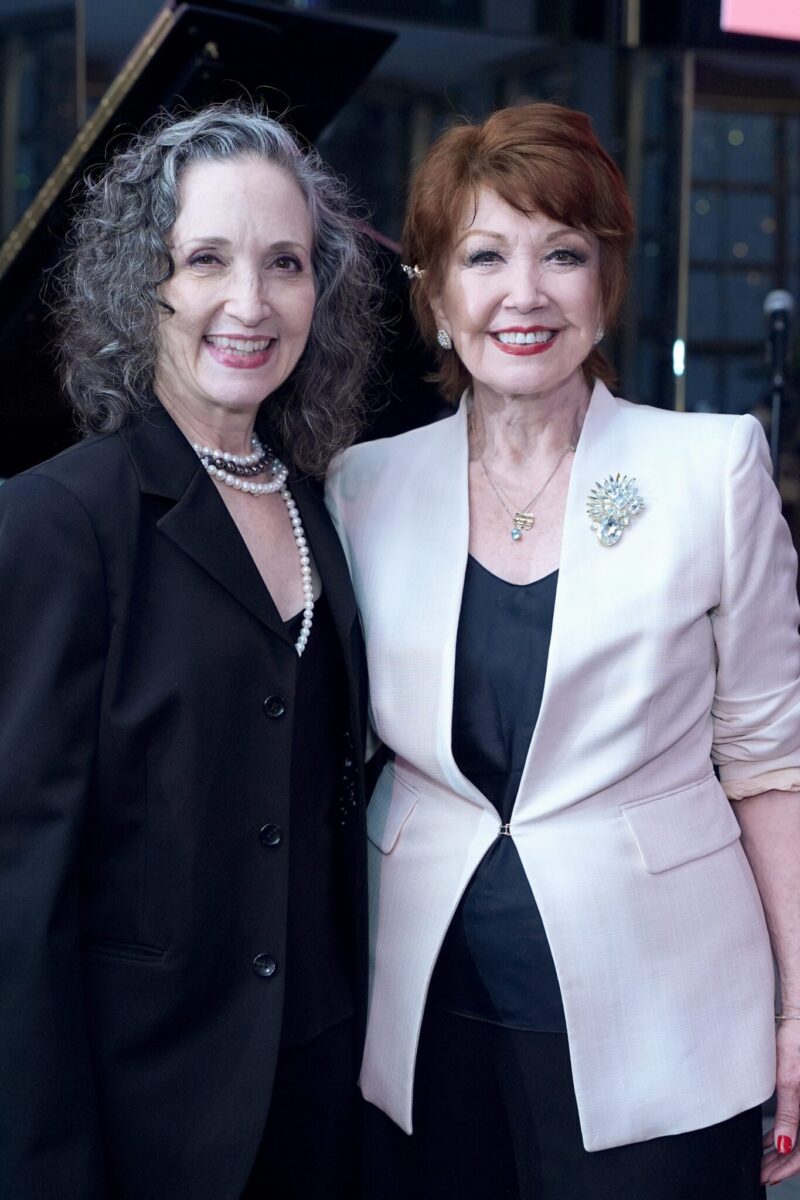
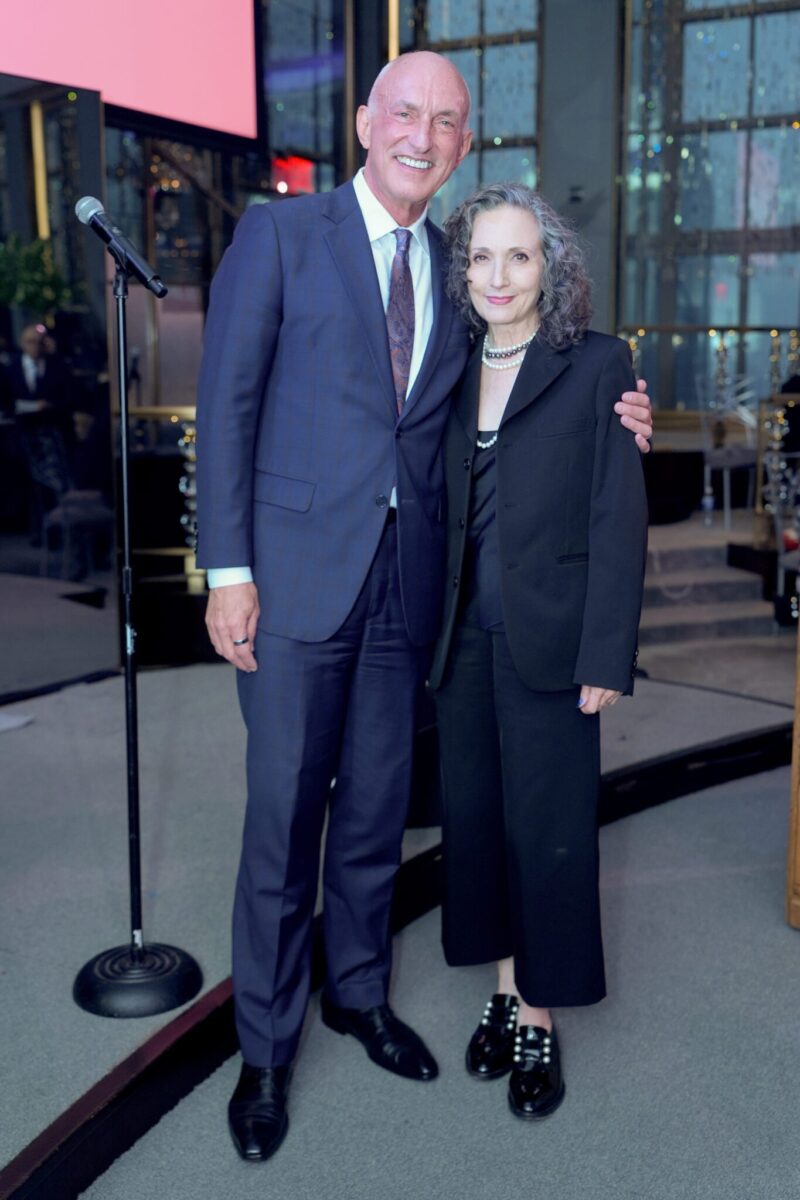
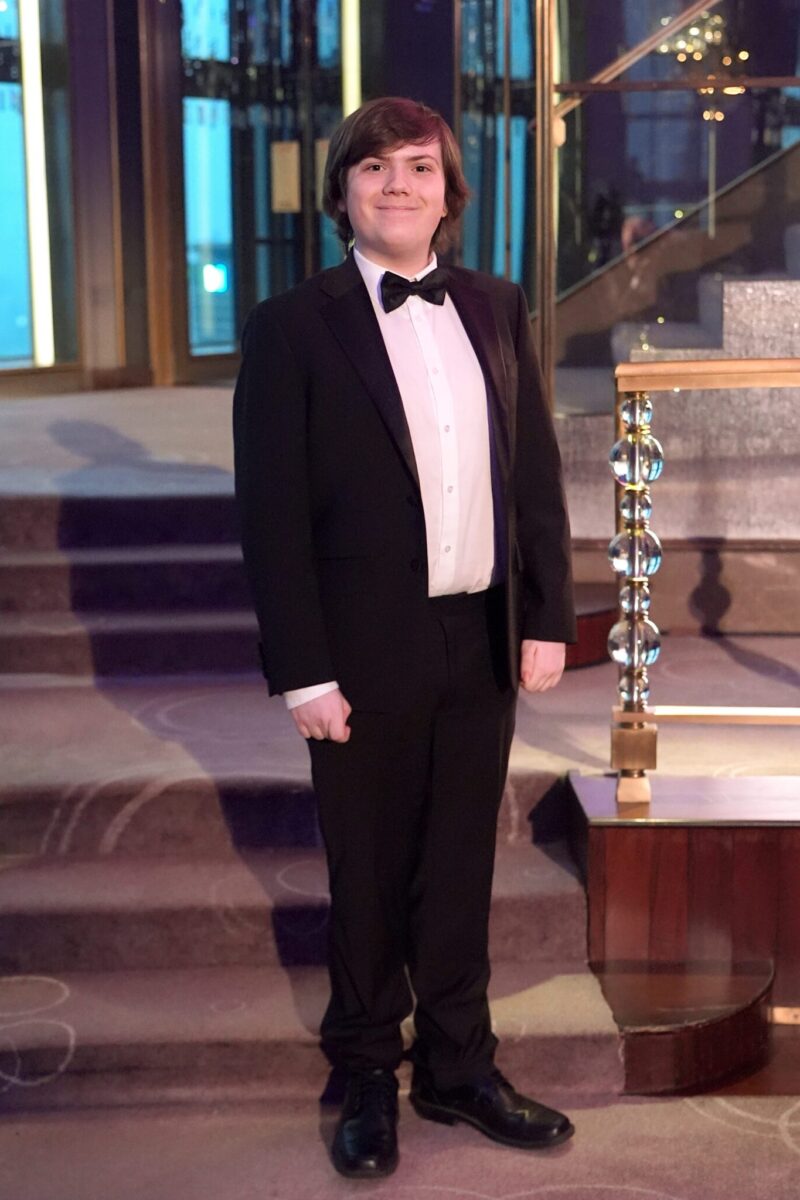
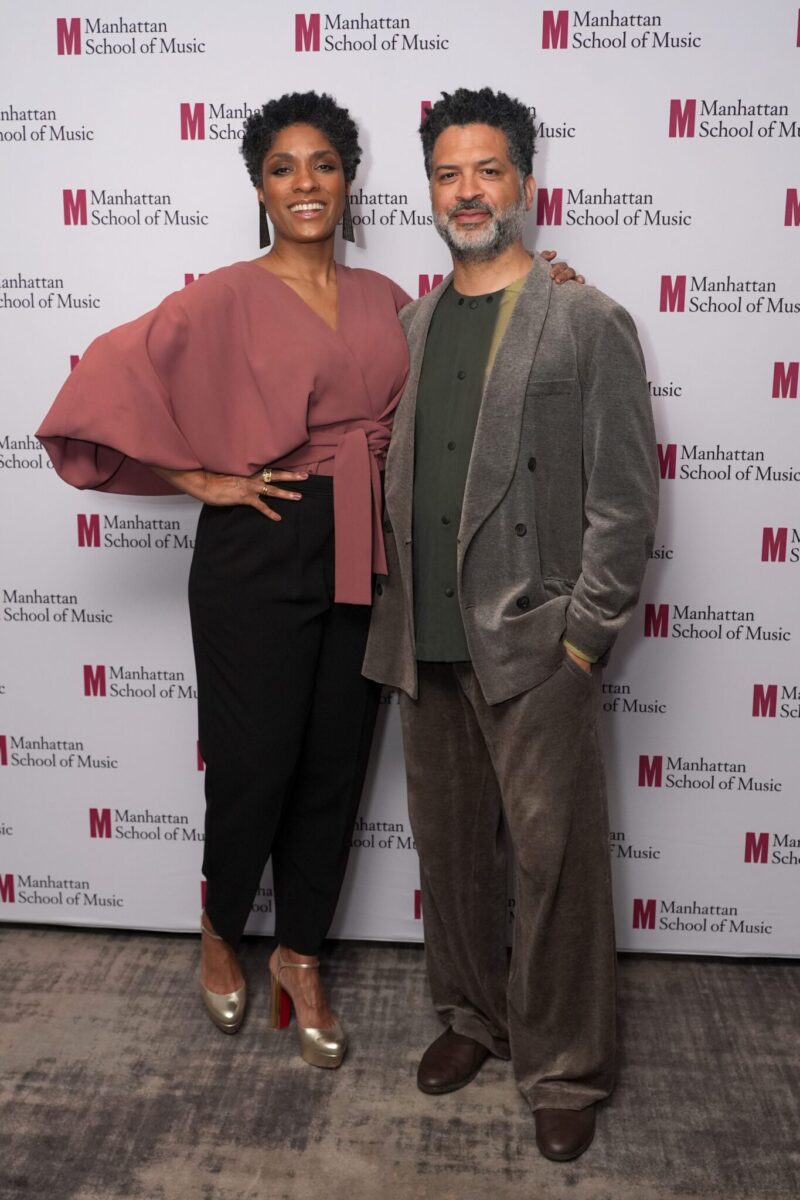
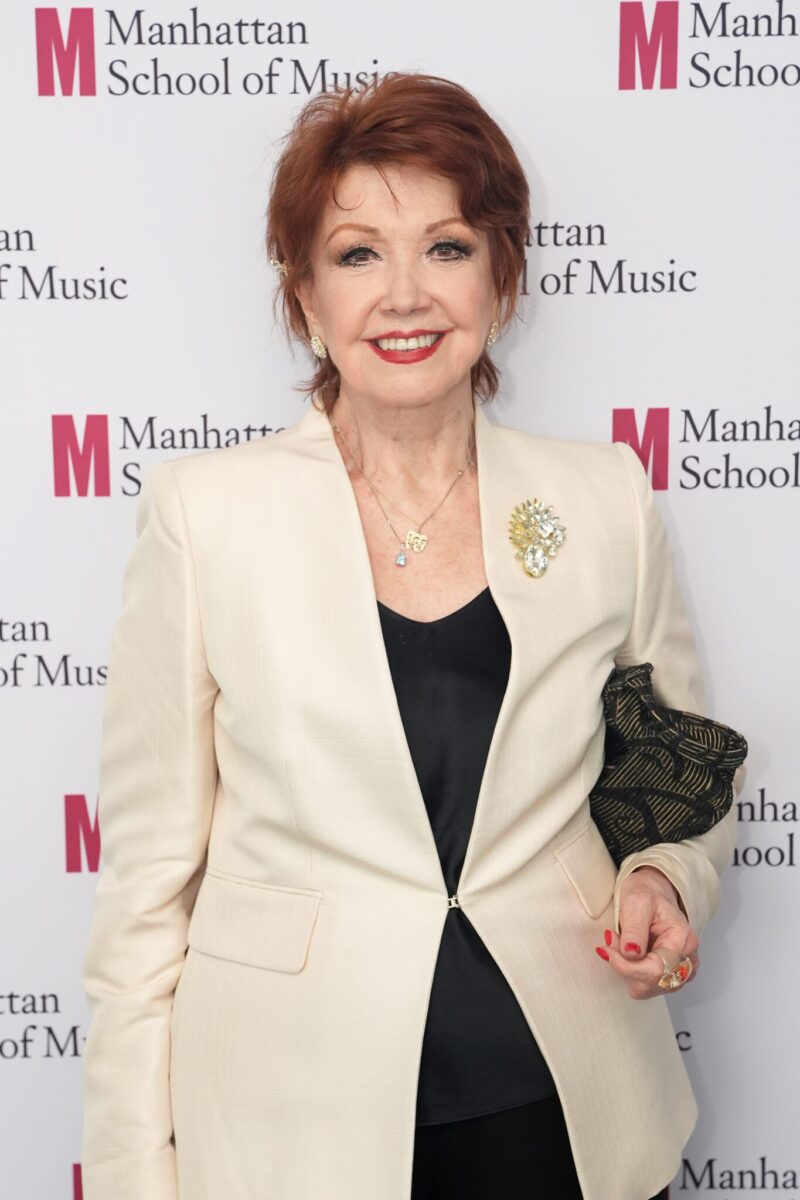
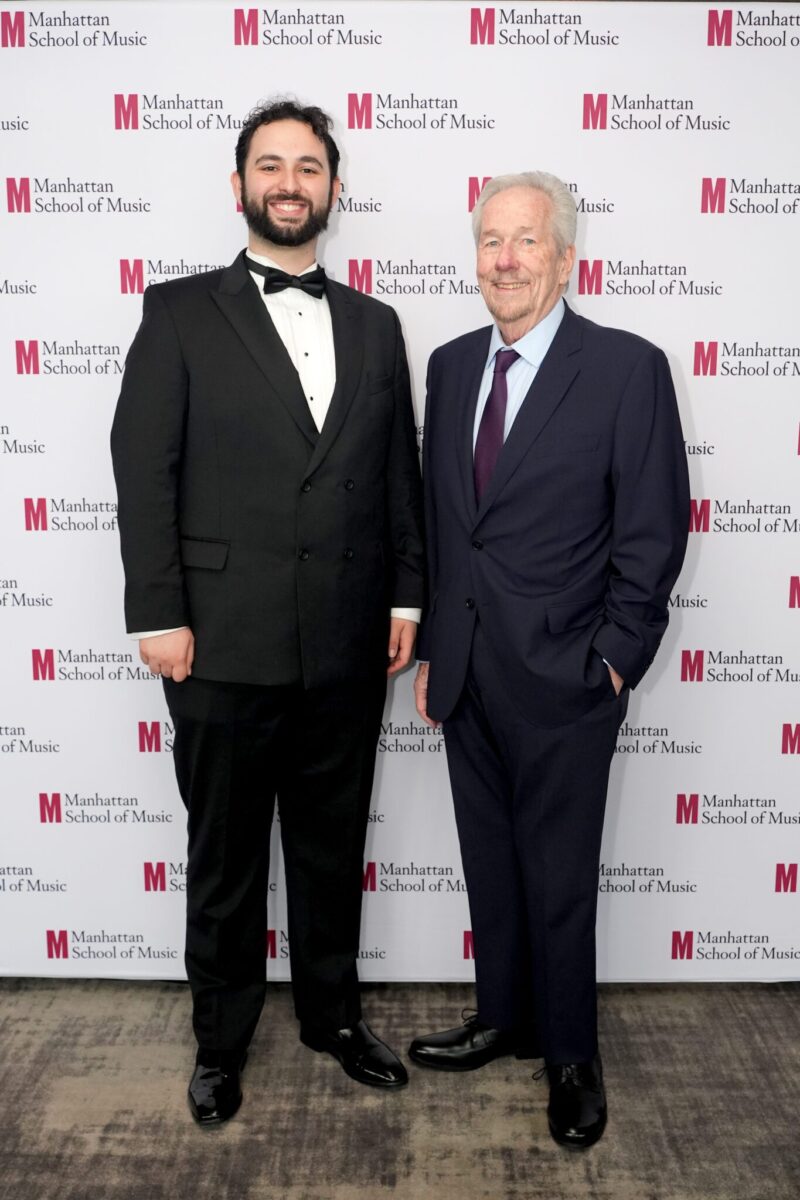
The room reflected the breadth of that continuum. Among those present were Donna McKechnie, the Tony Award winner and Broadway veteran; Jason Moran, the jazz pianist, composer and visual artist, and mezzo-soprano and composer Alicia Hall Moran, both MSM alumni; Ted Chapin, former President of the Rodgers and Hammerstein Organization; Jane Chu, former Chair of the National Endowment for the Arts; and Ann Ziff, Chairman of the Board of the Met Opera. Institutional leadership was well represented by Howard Herring, President and CEO of New World Symphony and an MSM alumnus; Anthony Mazzocchi, President and CEO of Kaufman Music Center and a double alumnus; James Roe, President and Executive Director of Orchestra of St. Luke’s; Paul Tetreault, Director of Ford’s Theatre; and Robert Sirota, composer and former MSM President.
Founded in 1918 by Janet Daniels Schenck as a community music school, MSM now enrolls more than 1,000 undergraduate and graduate students from over 50 countries and nearly all 50 states. Its artist-teacher faculty is drawn from the New York Philharmonic, the Met Opera Orchestra and the upper ranks of the jazz and Broadway communities, which means students are frequently taught by musicians who performed the night before at Lincoln Center or in a Broadway pit. The school’s original mission also persists: the Precollege program serves 525 musicians between the ages of 8 and 18, while the Arts-in-Education Program reaches roughly 6,000 New York City schoolchildren and the Distance Learning Program another 2,000.
Gandre closed the evening with farewell remarks. What lingered was the shape of the program rather than any single performance: a Precollege student, an undergraduate, an alumnus, and finally a singer at the top of her field, each accompanied by the same pianist. It is difficult to demonstrate mentorship in a speech. It is fairly easy to demonstrate it in a running order.
For more information on Manhattan School of Music, its history and its curriculum, visit www.msmnyc.edu.