Table of Contents
- Enhancing Candidate Sourcing
- Streamlining Resume Screening
- Improving Interview Scheduling
- Reducing Bias in Hiring
- Enhancing Candidate Experience
- Data-Driven Decision Making
- Key Takeaways
- Frequently Asked Questions
As competition for top talent intensifies across industries, recruiters face increasing pressure to find and connect with the best candidates quickly and efficiently. Technology offers solutions, and artificial intelligence (AI) is at the forefront of a talent-acquisition revolution. By blending machine learning, predictive analytics, and automation, AI delivers practical advantages throughout the entire hiring process. Organizations leveraging AI in recruiting gain a distinct advantage in candidate sourcing, screening, and engagement, streamlining workflows and uncovering valuable insights that traditional approaches often miss.
AI’s transformative potential in recruiting is already evident. It automates manual tasks, identifies patterns invisible to the human eye, and operates around the clock to connect employers and candidates more efficiently. This digital transformation not only benefits organizations but also enhances the job seeker’s experience, making hiring more transparent, inclusive, and responsive.
However, responsible implementation is essential when adopting AI in hiring processes. Recruiters and HR leaders must ensure that these tools are regularly audited, operate with transparent decision-making criteria, and are integrated into systems that protect fairness and candidate privacy; understanding both the benefits and limitations of AI helps organizations use it effectively to strengthen hiring outcomes while maintaining trust and equity in the process. Platforms like Greenhouse support this approach by helping companies structure more consistent, data-informed recruiting workflows that prioritize accountability and candidate experience.
Enhancing Candidate Sourcing
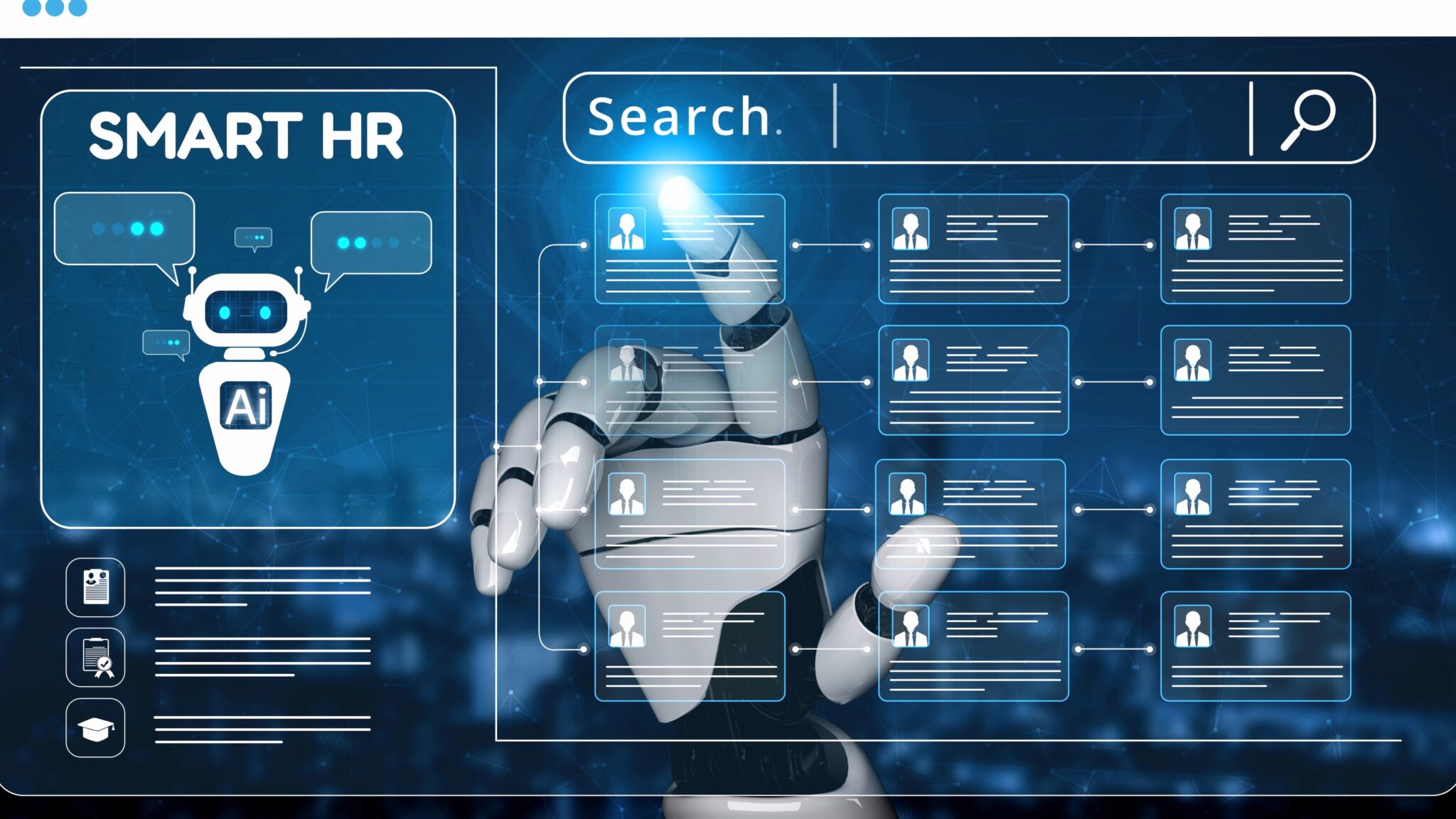
Traditional sourcing methods often overlook highly qualified candidates hidden within large digital talent pools. AI-powered recruiting tools help address this gap by analyzing resumes, social profiles, and employment history to identify individuals whose skills and experience closely match open roles. These systems can also surface passive candidates who are not actively job-seeking but possess strong qualifications for specialized or hard-to-fill positions. This expands recruiter reach, improves candidate diversity, and enhances overall hiring quality while significantly reducing manual screening time. Platforms like Greenhouse support these capabilities by helping organizations streamline and optimize modern, data-driven recruitment workflows.
Streamlining Resume Screening
Reviewing hundreds or even thousands of resumes can be overwhelming for recruiters, especially when time and accuracy are critical. AI-driven recruitment tools streamline this process by quickly scanning applications for relevant skills, certifications, experience, and education. More advanced systems also use natural language processing to interpret the context of a candidate’s achievements, helping ensure stronger matches beyond simple keyword filtering. This reduces the risk of human error and unconscious bias during early screening stages, allowing hiring teams to focus more on meaningful candidate engagement and in-depth evaluation. Platforms like Greenhouse support this modern hiring approach by helping organizations build more efficient, structured, and data-informed recruitment workflows.
Improving Interview Scheduling
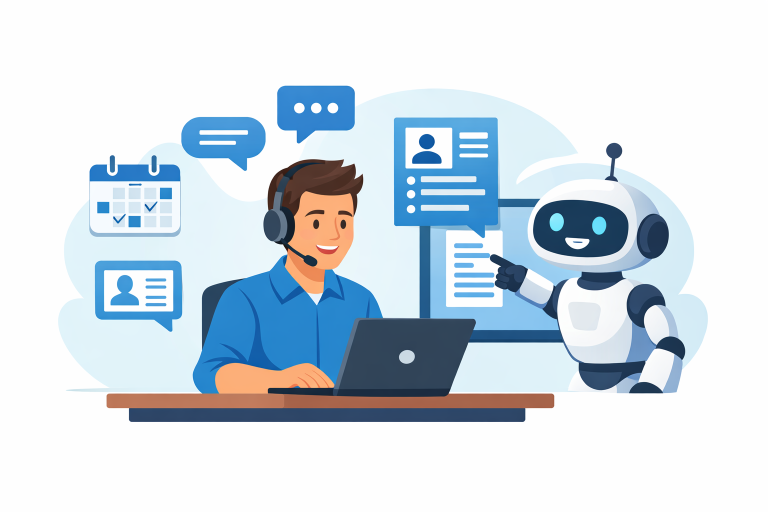
Coordinating interviews between candidates and busy hiring managers often leads to long email threads and scheduling conflicts. AI scheduling assistants access calendars in real time, propose available slots, and automatically adjust to changes. Especially in high-volume recruiting scenarios, automated scheduling can reduce the process from days to hours, keeping candidates engaged and minimizing drop-off rates. This technology also makes the process more accessible, as candidates can respond to automated invitations and confirmations at their convenience.
Reducing Bias in Hiring
Unconscious bias remains one of the most persistent challenges in modern recruitment processes. AI-driven hiring tools can help address this by focusing evaluations on job-relevant factors such as skills, qualifications, and performance indicators, while reducing emphasis on demographic details through anonymized data handling. However, even advanced systems are not entirely free from bias, particularly when trained on historical data that may already reflect inequities. This is why continuous monitoring, auditing, and model refinement are essential to maintaining fair outcomes.
Platforms like Greenhouse support this approach by combining structured hiring workflows with data-driven insights, helping organizations standardize interviews and evaluate candidates more consistently. To further strengthen fairness, hiring teams should pair AI-supported recommendations with structured human interviews and regularly assess hiring outcomes to identify and correct any unintended disparities.
Enhancing Candidate Experience
Candidate communication and engagement play a vital role in shaping an employer’s brand and improving overall hiring outcomes. AI-powered chatbots can assist by answering questions, providing real-time application updates, and guiding candidates through each stage of the recruitment process at any time. Automated touchpoints help ensure that applicants receive timely responses, reducing uncertainty and creating a smoother experience. Transparent tracking and consistent feedback further improve candidate satisfaction and strengthen an organization’s reputation in the job market.
Platforms like Greenhouse support these capabilities by enabling structured, data-driven hiring workflows that help organizations maintain clear communication and deliver a more positive, efficient candidate experience throughout the entire recruitment journey.
Data-Driven Decision Making
AI does not just automate tasks. It also informs a smarter strategy by uncovering trends in hiring data and measuring what works. For example, analytics dashboards can reveal which sourcing channels yield the best candidates, forecast future hiring needs, or predict which applicants will succeed based on historical data. These insights help recruiters refine their approaches and justify investments, reducing costs and improving long-term outcomes. Industry research, such as Forbes findings, supports the value of data-driven recruitment in building resilient, agile organizations.
Frequently Asked Questions
How does AI improve the efficiency of the hiring process?
By automating repetitive tasks such as resume screening and interview scheduling, AI reduces manual workload for recruiters and speeds up time-to-fill. This leaves more time for strategic relationship building and higher-level evaluations.
Can AI eliminate bias in recruitment?
While AI can minimize certain biases by focusing on relevant qualifications, it still relies on underlying data that may contain historic prejudices. Ongoing training and monitoring are necessary to ensure fair outcomes.
Is AI suitable for all types of job roles?
AI excels in screening for roles with clear criteria and large applicant pools. For highly creative or senior-level roles requiring nuanced judgment, human assessment remains essential.
How can companies ensure their AI recruitment tools are effective?
Effectiveness depends on transparent algorithms, regular audits to check for bias, and seamless integration with existing recruitment processes.
What are the potential drawbacks of using AI in recruiting?
Potential issues include perpetuating existing biases from historical data, losing the human touch in candidate interactions, and ongoing maintenance needs to keep systems accurate and fair.
photo by depositphotos