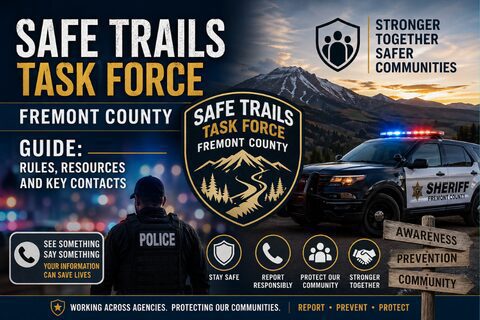
The Safe Trails Task Force Fremont County is a name that comes up often in local safety talks and community meetings. Many people hear it and assume it has something to do with hiking or outdoor recreation. In reality, it is a serious public safety effort that works to protect families from major criminal threats. Understanding what it actually does helps residents respond in a smarter and safer way.
This guide is written to give you a clear picture of how this task force works and why it matters. You will learn about reporting rules, key contacts, and community resources that can make a real difference. Whether you are a resident or a visitor, knowing this information keeps you better prepared. It also helps you avoid common mistakes that many people make during safety situations.
The Safe Trails Task Force Fremont County operates across multiple agencies and jurisdictions to handle serious threats. These threats include drug trafficking, weapons offenses, and patterns of violence that affect everyday life. A task force model works because it brings more resources together than any single agency could offer alone. This guide will walk you through everything you need to know clearly and practically.
What the Task Force Is And Why It Exists
The Safe Trails Task Force Fremont County is built around a simple but important idea. Criminals do not stay within one city or county line when they operate. Serious crimes like drug trafficking and organized violence often stretch across multiple areas at once. A multi-agency task force allows law enforcement to follow those cases wherever they lead.
This kind of coordinated effort gives investigators access to more tools and more people working on the same problem. One agency alone may not have the resources to handle a case that crosses state or tribal boundaries. When agencies work together, they can share information faster and respond more effectively. That cooperation is the heart of why task forces like this one exist in communities across the country.
The task force focuses specifically on major threats that put families and neighborhoods at real risk. It is not about minor issues or routine local calls. It targets the kind of ongoing criminal networks that require careful investigation over time. Doing that work, it helps reduce harm and create more stability in the communities it serves.
Clearing Up a Common Confusion About the Name
When people first hear the name Safe Trails Task Force Fremont County, they often picture hiking. The word “trails” naturally brings outdoor spaces and recreation to mind for many readers. That confusion is understandable, and it happens more often than you might think. But in this case, the name points to law enforcement work, not park paths.
This task force has nothing to do with trail maintenance, trailhead safety, or outdoor recreation programs. It is a public safety and investigations effort focused on serious criminal activity. The name should not be taken literally in the recreational sense when it appears in community safety discussions. Knowing this early saves readers from misunderstanding the purpose and taking the wrong action.
If you ever see this name mentioned in a local update or community meeting, treat it as a law enforcement reference. Do not connect it to camping rules, wildlife safety, or outdoor guides. The work being done under this name is serious and community-focused in a very different way. Keeping that distinction clear helps you engage with the right information when it matters most.
See More: Top Strategies for Improving Security Guard Performance
Where Fremont County Fits and Why Jurisdiction Matters
Fremont County is not a unique name to just one state, and that can create confusion online. When people discuss the Safe Trails Task Force in public safety conversations, Wyoming is typically the primary context being referenced. This matters a great deal because reporting options and agency boundaries differ from state to state. Knowing which Fremont County is being discussed helps you find the right contacts.
Jurisdiction also plays a big role in how quickly a response happens after a report is made. Some incidents fall under the authority of a city police department, while others belong to the county sheriff. Certain cases may even involve federal or tribal authority depending on the location and nature of the crime. You do not need to be a legal expert, but understanding the basic layers helps you reach the right people faster.
Choosing the correct contact in an urgent situation can genuinely affect the outcome of a response. A call made to the wrong agency is not wasted, but it may slow things down in time-sensitive situations. Local law enforcement can usually help direct you, even if the case belongs to another authority. The key is to act quickly and let professionals sort out the jurisdictional details from there.
What “Rules” Means in a Task Force Guide
When this guide uses the word “rules,” it is not referring to hiking regulations or park policies. These are practical personal safety rules that help you make smart decisions during serious situations. They are also about knowing how to report information correctly without causing harm. Following these community rules protects you, protects others, and protects ongoing investigations.
The most important rule of all is this: do not try to handle serious criminal situations on your own. If you have information about suspected trafficking, threats, or ongoing criminal activity, report it through official channels only. Confronting suspects, spreading unverified claims online, or interfering with active cases can put real people in danger. Staying in your lane as a community member is how you help the most.
Here are some key rules to keep in mind at all times:
- Always call emergency services immediately when there is a risk to someone’s life.
- Write down details as soon as possible while your memory is still fresh and accurate.
- Use official reporting lines and tip forms rather than social media or personal messages.
- Never confront or follow a person you suspect of criminal activity under any circumstances.
- Avoid sharing names, photos, or accusations online unless they come from an official public source.
- Remember that even small details can be useful when investigators are building a larger case.
Personal Safety and Reporting: Quick “Do and Don’t” Checklist
Knowing what to do in a serious situation can feel overwhelming when you are in the middle of it. Having a clear mental checklist helps you act quickly and responsibly without putting yourself at risk. The Safe Trails Task Force Fremont County relies on community members to report what they see through the right channels. Your role as a witness or concerned citizen is valuable and important.
The most effective reports come from people who stay calm and focus on facts rather than emotions. What you actually saw, heard, or experienced is far more useful than what you assumed or guessed. Keep your details specific: times, places, vehicles, and behaviors matter more than general impressions. Investigators can work with facts, but vague claims make their job much harder.
Every person who reports responsibly becomes part of a larger community safety effort. You do not need to know everything or have all the answers before you reach out. If something felt wrong or looked out of place, that feeling is worth reporting through the proper channel. Let trained professionals decide what fits into their ongoing work and what does not.
Key Contacts: Who to Call and When
Having the right contact information ready before you need it is one of the simplest safety habits you can build. Most people know to call for emergencies, but they freeze when the situation is serious but not immediately life-threatening. Understanding the difference between emergency, local, and federal reporting helps you choose the right path. That choice can affect how quickly and effectively a situation gets handled.
Local police departments handle city-level incidents and non-emergency situations that happen within town limits. The county sheriff typically covers areas outside city boundaries and provides broader regional law enforcement support. Federal tip lines are best used when the issue involves large criminal networks, repeated trafficking, or cross-border activity. When in doubt, start local and let the agency connect you to the right level of support.
Use this simple contact guide to know who to reach:
- Emergency (life-threatening situations): Call your local emergency number immediately without delay.
- City-level incidents: Contact the local police department for issues happening within the town.
- Outside city limits: Reach out to the county sheriff for county-wide coverage and patrol support.
- Larger criminal networks: Use federal tip reporting channels for trafficking or ongoing organized activity.
- Unsure where to start: Begin with local law enforcement and they will direct you appropriately.
What to Report: The Details That Actually Help
Many people hesitate to report something because they are not sure if what they saw actually matters. The truth is that task force investigations are often built from many small pieces that connect into a larger picture. Even one detail you consider minor might be the link that ties a case together for investigators. Reporting what you know is always better than staying silent and wondering later.
The most useful information is always specific and based on what you personally observed. Focus on exact locations, dates, times, and physical descriptions rather than general feelings or second-hand stories. Vehicle descriptions and license plate numbers are especially valuable when they are accurate and recorded quickly. If you witnessed something directly, that firsthand account carries real weight in an investigation.
Digital information also plays an important role in modern investigations and should be handled carefully. If you have screenshots, messages, or usernames related to suspicious activity, preserve them in their original form. Do not edit, crop, or alter anything before sharing it with law enforcement or through a tip line. Original context is often just as important as the content itself when investigators review digital evidence.
Trusted Safety Resources for Families and the Community
Public safety threats and drug risks are often connected, which means community resources play a real prevention role. Families who understand the risks are better equipped to have honest conversations with young people before problems arise. The Safe Trails Task Force in Fremont County works alongside community efforts to reduce harm at the ground level. Prevention and enforcement together create stronger and more lasting safety outcomes.
One of the clearest dangers in many communities right now involves counterfeit pills and fentanyl-laced substances. Never take any medication that was not prescribed to you by a licensed medical professional. Avoid pills purchased online or from unofficial sources, even if they look identical to real prescriptions. Treat any unknown tablet as potentially deadly because many of them are exactly that.
Families dealing with addiction or the fear of it do not have to face it alone or without support. Local health clinics, community counseling services, and support groups offer help that can change outcomes. Learning to recognize the signs of overdose and knowing how to respond can save a life in a critical moment. Talk to teens openly and plainly about the real risks involved with substances, because honest conversations matter.
Understanding Partner Agencies Without Getting Lost in Acronyms
Task forces involve multiple agencies working together, and that can feel complicated when you are not familiar with the structure. A simple way to think about it is to group the agencies by the role they play rather than trying to memorize names and acronyms. Some provide federal investigative support, some offer state-level coordination, and others handle county or city-level patrol and response. Each layer brings a different strength to the overall effort.
The partnership model exists because no single agency has the resources, authority, or reach to handle every dimension of a serious case. Federal agencies bring specialized investigative tools and broader jurisdiction across state lines. State and county agencies add regional knowledge and coordination that federal teams may not have on their own. City police bring ground-level presence and immediate local response that keeps communities directly connected to the work.
Working together does not mean every agency does the same job at the same time. It means they share information, agree on priorities, and fill in gaps that would otherwise let serious cases fall through. This coordinated approach is what allows task forces to follow complex criminal networks across borders without losing momentum. For residents, the important thing is knowing that multiple layers of support are working on the same problems.
See More: Beyond the Trailer: What Really Matters When Shipping a Sports Car
Community Prevention: Small Actions That Lower Risk Over Time
Community safety does not only improve through enforcement. It also grows stronger through consistent, everyday prevention habits that anyone can build. Checking in on neighbors, noticing repeated suspicious activity, and supporting local youth programs all reduce opportunities for harm to take hold. These small actions add up over time into something much larger and more meaningful.
Schools, families, and community leaders all have a role in teaching practical decision-making before problems arise. Young people benefit from honest conversations about peer pressure, unsafe situations, and the real dangers of unknown substances. When those conversations happen early and often, they build the kind of judgment that protects people in difficult moments. Prevention work is not dramatic, but it is deeply effective when it becomes a community habit.
The way a community talks about safety also matters just as much as the actions people take. Clear, calm communication keeps neighborhoods strong and prevents fear from turning into division or panic. Rumor and misinformation can do real damage to trust and cooperation when safety is already a concern. Communities that report responsibly, support prevention, and stay connected to accurate information are the ones that improve over time.
Community Expectations: What You Can Realistically Expect
It is natural to want fast results when a community is dealing with serious safety concerns. Many residents hope a task force will quickly resolve every problem and bring immediate visible change to their area. But real investigations take time, especially when they involve criminal networks with deep roots and cross-border operations. Understanding that timeline helps communities stay patient and supportive rather than frustrated and disengaged.
What you can realistically expect is steady, focused pressure on the biggest threats in your area over time. Disrupting supply chains, removing repeat offenders, and improving coordination between agencies all contribute to lasting safety improvements. These outcomes may not always look dramatic from the outside, but they build genuine stability in communities that stick with the process.
Here is what steady task force work typically delivers over time:
- Disruption of local and regional drug supply chains that fuel community harm.
- Removal of repeat offenders who create an ongoing risk for vulnerable residents.
- Improved information sharing between agencies that prevents cases from going cold.
- Greater coordination that closes the jurisdictional gaps that criminals try to exploit.
- A slow but real reduction in violence connected to organized criminal networks.
Staying Informed Without Falling for Rumors
Public safety topics can spread fear quickly, especially when social media amplifies unverified claims before facts are confirmed. A calm and practical approach to information is one of the most useful habits a community member can develop. Trust official public updates and verified statements rather than posts from unknown or unconfirmed sources. If something sounds extreme or vague, treat it as unconfirmed until an official statement backs it up.
Impersonation scams are also a real and growing concern that residents need to know about. Some scammers pretend to be law enforcement officers to frighten people into sending money or giving personal information. If you receive an unexpected call from someone claiming to be an official, hang up and verify by calling a number you find independently. Real agencies will never demand gift cards, cryptocurrency, or immediate wire transfers to resolve a situation.
Staying informed also means understanding that silence from a task force is not the same as inaction. Major investigations are often kept private to protect their integrity and the safety of those involved. The absence of public updates does not mean nothing is happening behind the scenes. Trust the process, report what you know, and resist the urge to fill information gaps with speculation or rumor.
Final Thoughts
The Safe Trails Task Force Fremont County is best understood as a coordinated community protection effort that works across borders and agencies. This guide is not meant to create fear but to give readers the clarity and confidence to act responsibly when it matters. When people understand the purpose of the task force and know who to contact, they become a genuine part of the safety solution. That shared responsibility is what makes communities more resilient over the long run.
Keep the information in this guide somewhere accessible so you are prepared before a situation arises, rather than scrambling during one. Know your contacts, stay calm in urgent moments, avoid rumors, and use community resources that reduce harm at every level. Safety grows strongest when enforcement and prevention work together with an informed and engaged community behind them. Your awareness and your willingness to report responsibly can make a real difference every single day.
Frequently Asked Questions
What is the Safe Trails Task Force Fremont County?
It is a multi-agency law enforcement effort targeting serious criminal threats like drug trafficking and violence across Fremont County and surrounding jurisdictions.
Is this task force related to hiking or outdoor trails?
No, the name is connected to public safety work, not recreational trail maintenance or outdoor activity programs of any kind.
When should I call emergency services?
Call immediately if a crime is happening right now or someone’s life is in immediate danger and cannot wait.
What is the difference between local police and federal tip lines?
Local police handle city or county incidents directly, while federal tip lines are better suited for large networks or trafficking activity.
What details should I include when reporting suspicious activity?
Share exact times, locations, vehicle descriptions, license plates, repeated patterns, and anything that suggests risk to vulnerable people.
Can I post photos of suspected criminals on social media?
It is safer not to because it can interfere with active investigations and spread harmful misinformation to a wide audience.
What if I only have a small piece of information to share?
Report it anyway because investigators often use small details to connect larger patterns across multiple cases and locations.
How can families protect against counterfeit pill risks?
Only use medication from a licensed pharmacy, never accept pills from unknown sources, and have honest conversations with teens early.
What should I do if I think someone is overdosing nearby?
Treat it as a medical emergency, call for help right away, and follow any overdose response training you have received.
How do I avoid law enforcement impersonation scams?
Hang up on unexpected official-sounding callers, look up a verified number yourself, and never send money or personal details to unknown callers.