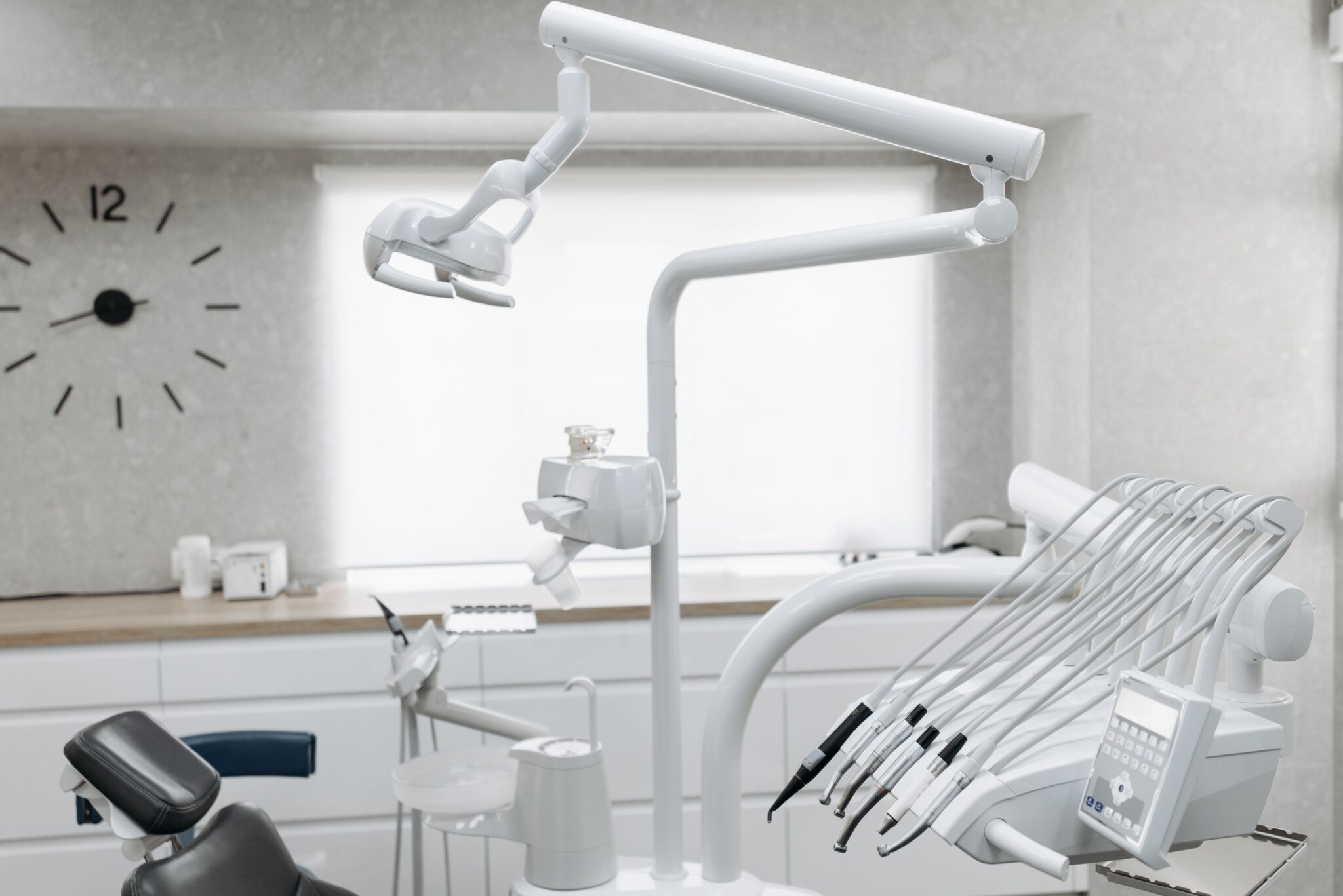
Opening your own dental practice is a big milestone, and the space you build it in will shape your workflow, your patient experience, and your finances for years. It’s also one of the most expensive types of commercial build-out you can take on. Between plumbing for every chair, vacuum and air systems, and X-ray shielding, a dental office asks a lot more of a space than a typical office or retail store.
In this guide, we’re walking through what a dental office build-out costs in 2026, what drives those numbers up or down, and how to budget so you’re not caught off guard halfway through construction.
What a Dental Office Build-Out Typically Costs in 2026
There’s no single national price for a dental build-out, because location, the condition of your space, and your equipment choices all swing the number. Still, published 2026 cost guides and recent project filings give you a realistic starting range.
Cost Per Square Foot
Many 2026 contractor guides put construction-only costs for a dental build-out between roughly $150 and $300 per square foot, with high-cost metros running higher. A second-generation space that already has dental plumbing can come in as low as about $75 per square foot, while an empty cold shell often starts at $200 or more.
Real projects show how much your market matters. Recent dental build-outs registered with Texas regulators in the Houston area carried estimated construction costs between about $100 and $130 per square foot. One 2,000-square-foot office with seven treatment rooms, for example, came in at an estimated $225,000.
Cost Per Operatory
Many dentists find it easier to budget by operatory. Construction for a single operatory typically runs about $35,000 to $55,000 before you add the chair and equipment. Plan on roughly 300 to 500 square feet of total space per operatory once you account for hallways, sterilization, imaging, and the front office.
Working with a contractor who builds dental offices regularly helps you keep those per-operatory costs predictable. LNB Construction, for example, plans their dental build-outs around operatories, vacuum and air systems, imaging shielding, and sterilization, so you can catch costly layout and mechanical issues before construction starts.
Equipment Costs
Equipment is where budgets most often stretch. Estimates range from about $30,000 to $60,000 per operatory for owner-supplied basics up to $80,000 to $150,000 for a fully equipped room with digital imaging. Your choice of manufacturer and technology level makes a big difference here.
The Main Cost Categories
Every dental build-out includes the same core categories, and knowing what each one covers helps you read a contractor’s bid line by line.
Construction and Framing
This covers demolition, framing, drywall, ceilings, doors, and the general build of your floor plan. Your layout drives this cost, since more rooms and corridors mean more walls.
Plumbing
Every operatory needs water, drains, and connections for vacuum lines. You’ll also need plumbing for your sterilization area, restrooms, and lab. Most dental offices that place or remove amalgam must install an amalgam separator under EPA rules, so make sure your plumber includes it.
Vacuum and Compressed Air
Dental offices run on central vacuum and compressed air systems, which need a dedicated mechanical room and piping to every chair. These systems can run into the tens of thousands of dollars, so confirm whether your bid includes the equipment, the piping, or both.
Electrical
Your electrical scope covers lighting, outlets, dedicated circuits for chairs and imaging, and data cabling for your practice software. Imaging equipment and digital workflows add circuits that a typical office doesn’t need.
HVAC
Dental offices need strong ventilation and consistent temperature control, especially around sterilization and any area that uses nitrous oxide. If your space’s existing system can’t handle the load, upgrading it can add significantly to your budget.
Cabinetry and Millwork
Operatory cabinetry, sterilization counters, and reception desks fall here. Custom millwork looks great but costs more than modular dental cabinetry, so weigh the look you want against your budget.
Flooring and Finishes
Clinical areas need durable, seamless, easy-to-clean flooring, while your reception area can lean more toward comfort and style. Paint, wall protection, and lighting fixtures round out this category.
Regulatory Compliance
Your build-out must meet ADA accessibility standards, local building codes, and fire codes. Most states also require radiation shielding for X-ray rooms, often based on a plan from a qualified expert. If you offer nitrous oxide, your medical gas system will need to meet specific installation and inspection standards.
Factors That Affect Your Total Cost
Two dentists can build offices the same size and get very different bills. These factors explain most of the difference.
Office Size and Operatory Count
Operatory count is the biggest single driver, since each room adds plumbing, electrical, cabinetry, and equipment. A four-operatory startup and a ten-operatory group practice live in completely different budget ranges.
Location
Labor rates, permit fees, and code requirements vary widely by city. If you’re in a high-cost market like Los Angeles, expect to land at the upper end of published ranges. Checking local market conditions, like the data in the Loftway Report, can help you understand what you’re up against before you sign a lease.
Existing Space Conditions
A former dental office with plumbing already in place can save you a lot of money. A cold shell with no ceilings, restrooms, or HVAC distribution means you’re paying for everything.
New Build-Out vs. Renovation
Renovating an existing practice usually costs less per square foot than a full build-out, but working around an open practice can stretch your timeline. If you need to keep seeing patients, plan for phased construction.
How Long Do Dental Build-Outs Take?
Dental offices take longer than most commercial build-outs because of the heavy mechanical work. LNB Construction, for example, puts most of their commercial projects at 10 to 20 weeks from permit to opening and notes that dental offices with heavy mechanical needs run longer. Permitting is usually the biggest variable, so start that process as early as you can.
Tips for Budgeting and Managing Unexpected Costs
Even a careful plan runs into surprises once walls come down. These steps help you stay in control.
Build in a Contingency
Set aside a contingency of at least 10% of your construction budget for problems you can’t see during the walkthrough, like outdated plumbing or code upgrades the city requires.
Get a Line-Item Bid
A line-item bid breaks out every trade, so you can see exactly where your money goes and compare contractors fairly. A lump-sum number makes it much harder to spot what’s missing.
Read Your Lease and TI Allowance Closely
Many landlords offer a tenant improvement allowance, but it rarely covers a full dental build-out. Read the landlord’s work letter so you know exactly what’s included before you commit.
Line Up Financing Early
Many dentists fund their first practice with an SBA loan or equipment financing. If you’re still working out your options, Loftway’s guide to financing is a helpful starting point, and you’ll want a contractor whose billing matches what your lender expects.
How to Choose a Qualified Contractor
Your contractor can make or break both your budget and your opening date, so choose one who builds dental offices regularly.
Look for Dental Experience
A contractor who understands operatory plumbing, vacuum and air systems, and X-ray shielding will spot problems early and keep your inspections on track. Ask for examples of healthcare or dental projects they’ve completed.
Ask About Billing and Communication
If you’re borrowing to build, your lender will release funds in draws that need proper documentation. Ask how the contractor bills and how often they’ll update you on progress.
LNB Construction
LNB Construction focuses on building out leased commercial space, and their dental office build-outs cover operatories, vacuum and air systems, imaging shielding, and sterilization rooms. From their Katy, Texas headquarters, they work on site in all fifty states, so you can work with them whether you’re opening in Texas or elsewhere.
They give you a line-item bid, handle drawings and permitting, and send weekly written updates with photos, so you always know where your project stands. If you’re funding your practice with an SBA loan, they bill on AIA G702 and G703 forms, which keeps your lender’s draws moving and your build on schedule.
The Bottom Line
A dental office build-out in 2026 can range from around $100 per square foot in lower-cost markets to $300 or more in expensive metros, before equipment that can add tens of thousands of dollars per operatory. Your operatory count, location, and the condition of your space will decide where you land.
Get a line-item bid, build in a contingency, and choose a contractor who knows dental work inside and out. With a realistic budget and the right team, you can open your doors on time and on budget.
Frequently Asked Questions
Here are answers to some common questions you might have about how much it costs to build out a dental office.
How Much Does It Cost to Build Out a Dental Office in 2026?
Construction-only costs often range from about $150 to $300 per square foot in many markets, though some areas come in lower and high-cost cities run higher. Equipment adds roughly $30,000 to $150,000 per operatory depending on your technology choices.
How Much Does One Dental Operatory Cost?
Construction for a single operatory typically runs about $35,000 to $55,000 before equipment. Fully equipping that room can add another $30,000 to $150,000.
How Long Does a Dental Office Build-Out Take?
Many commercial build-outs take 10 to 20 weeks from permit to opening, and dental offices often take longer because of their plumbing and mechanical work. Permitting is usually the biggest variable.
Is It Cheaper to Build Out a Former Dental Office?
Usually, yes. A second-generation dental space with existing plumbing can cost as little as about $75 per square foot to build out, compared to $200 or more for an empty shell.