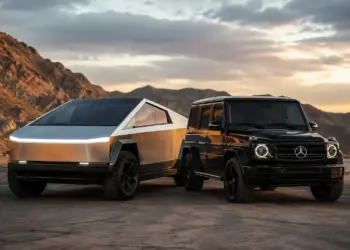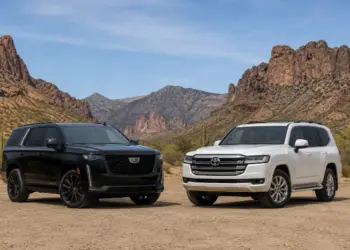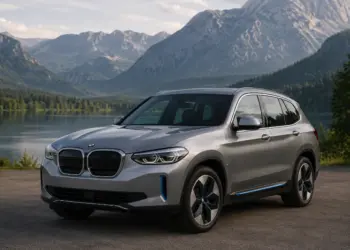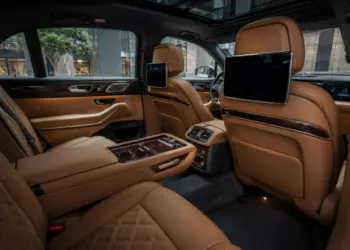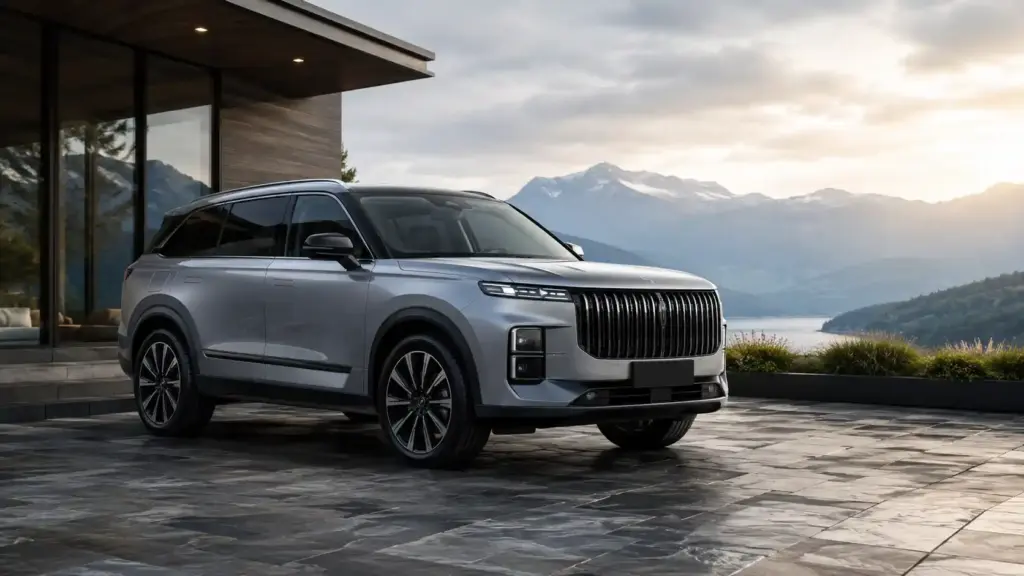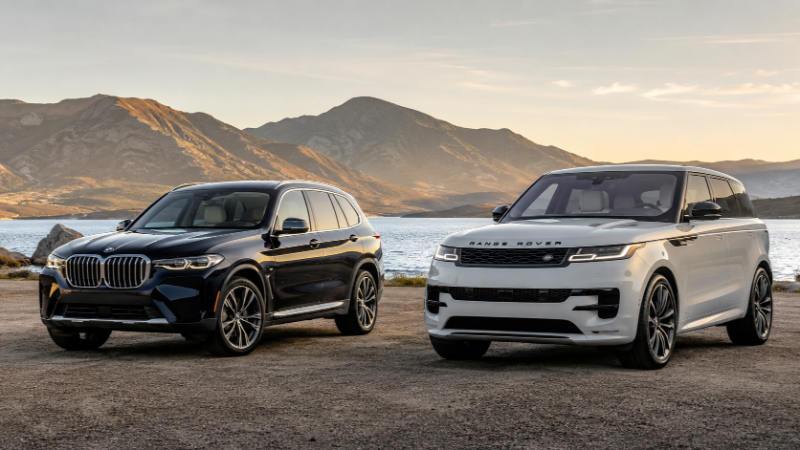
The global premium automotive industry has undergone a profound transformation over the past decade, and in 2026, one segment stands clearly above the rest: luxury SUVs. Once viewed primarily as practical family vehicles, luxury SUVs have evolved into the centerpiece of the modern premium mobility experience. Across North America, Europe, the Middle East, and Asia-Pacific markets, affluent consumers continue to choose SUVs over traditional luxury sedans, reshaping the luxury vehicle market and influencing future automotive development.
This dominance reflects more than a temporary market trend. Instead, it highlights changing consumer expectations regarding convenience, versatility, technology, and lifestyle integration. Buyers increasingly seek vehicles capable of delivering executive comfort during weekday commutes while simultaneously supporting family travel, leisure activities, and long-distance journeys. Consequently, luxury SUVs have become the ideal solution for modern mobility demands.
Moreover, premium SUV brands have invested heavily in SUV innovation, introducing sophisticated designs, advanced technologies, electrified powertrains, and elevated luxury experiences. As a result, luxury SUVs now combine status, practicality, and performance in ways that traditional vehicle categories struggle to match.
Meanwhile, the rapid expansion of electric luxury SUV offerings has further accelerated market growth. Consumers no longer view luxury solely through craftsmanship and prestige; they also associate it with sustainability, connectivity, and future-ready mobility. Therefore, luxury SUVs continue to redefine what premium transportation means in 2026.
Why Luxury SUVs Have Become the Preferred Premium Vehicle?
Luxury SUVs occupy a unique position within the automotive landscape because they successfully merge luxury and practicality. Unlike many traditional luxury vehicles that excel in specific environments, SUVs adapt seamlessly to multiple aspects of daily life. Consumers increasingly value products that offer flexibility without sacrificing quality, and luxury SUVs satisfy that expectation exceptionally well.
Moreover, the elevated driving position remains one of the most influential factors behind SUV popularity. Drivers appreciate enhanced road visibility, increased confidence in traffic, and a commanding sense of control. Although luxury sedans still provide exceptional comfort, many buyers perceive SUVs as delivering a more reassuring driving experience.
Additionally, luxury SUVs support a broader range of lifestyles. They accommodate families, business professionals, frequent travelers, and outdoor enthusiasts without requiring compromises. Consequently, many affluent households view a premium SUV as a complete mobility solution rather than a specialized vehicle.
Key advantages include:
- Spacious interiors for passengers and cargo
- Greater versatility for diverse travel needs
- Elevated driving position and visibility
- Premium comfort across multiple environments
- Strong balance between luxury and practicality
As modern consumers prioritize convenience and adaptability, luxury SUVs align naturally with contemporary lifestyle expectations.
The Evolution of Luxury SUVs Over the Past Decade
Luxury SUVs have undergone remarkable transformation since the early stages of premium SUV adoption. Initially, these vehicles focused heavily on utility and capability. However, manufacturers gradually recognized growing consumer demand for more refined and sophisticated experiences.
Consequently, automotive brands introduced substantial improvements in design, materials, ride quality, and technology integration. Modern luxury SUVs now feature handcrafted interiors, advanced suspension systems, and premium digital ecosystems that rival or surpass many traditional flagship sedans.
Meanwhile, global market demand encouraged manufacturers to expand SUV portfolios across multiple size categories. Compact premium SUVs, midsize executive SUVs, and full-size luxury family vehicles now address a wide spectrum of consumer preferences. As a result, buyers can select models tailored precisely to their lifestyle requirements.
Furthermore, engineering advancements have dramatically improved handling, efficiency, and comfort. Today’s premium SUVs deliver driving dynamics that would have seemed impossible for vehicles of their size only a decade ago.
Table 1: Key Advantages Driving Luxury SUV Demand
| Luxury SUV Advantage | Consumer Benefit | Lifestyle Impact | Market Appeal | Future Relevance |
|---|---|---|---|---|
| Elevated seating position | Better visibility | Increased confidence | High | Strong |
| Spacious interior | Enhanced comfort | Family flexibility | High | Strong |
| Versatile cargo capacity | Greater practicality | Travel convenience | High | Strong |
| Advanced technology | Connected experiences | Seamless mobility | High | Growing |
| Electrified platforms | Sustainability | Reduced emissions | Rising | Critical |
Why Affluent Buyers Prefer SUVs Over Sedans?
Consumer psychology plays a major role in the continued success of luxury SUVs. Affluent buyers increasingly prioritize vehicles that support both professional and personal lifestyles. Therefore, SUVs have emerged as the preferred choice for individuals seeking versatility without compromising prestige.
One significant factor is interior space. Luxury SUVs offer expansive cabins, flexible seating configurations, and superior cargo capacity. Consequently, owners enjoy greater convenience during business travel, family outings, and everyday transportation.
Moreover, safety perception remains an influential consideration. While modern luxury sedans achieve outstanding safety standards, many consumers associate larger vehicles with enhanced protection. This perception contributes significantly to ongoing SUV demand.
In addition, road presence carries considerable importance within premium markets. Luxury SUVs project confidence, success, and sophistication. Their commanding proportions create a strong visual identity that resonates with many affluent consumers.
Furthermore, SUVs adapt effectively to urban environments, highways, and recreational destinations. In contrast, traditional sedans often appear more specialized in their intended use cases. Therefore, buyers frequently view SUVs as offering greater value through broader functionality.
Technology and Innovation Driving Luxury SUV Growth
Technology continues to strengthen the position of luxury SUVs within the premium automotive sector. Manufacturers increasingly use SUVs as flagship platforms for introducing advanced innovations, thereby accelerating consumer adoption.
AI-powered driver assistance systems represent one of the most significant developments. These technologies enhance safety, convenience, and driving comfort while supporting the industry’s gradual transition toward autonomous mobility. Consequently, luxury SUV owners often gain access to the latest technological advancements before they become widely available.
Moreover, premium infotainment ecosystems have evolved into comprehensive digital environments. Advanced displays, voice-controlled interfaces, cloud-based connectivity, and personalized software experiences create seamless interactions between drivers and vehicles.
Additionally, sustainable luxury materials are becoming central to premium automotive design. Manufacturers increasingly incorporate recycled materials, ethically sourced components, and environmentally responsible production processes. As a result, luxury now encompasses sustainability alongside craftsmanship and performance.
Other influential innovations include:
- Over-the-air software updates
- AI-assisted personalization systems
- Advanced connectivity ecosystems
- Predictive navigation technologies
- Enhanced driver-assistance features
Therefore, technological leadership remains a powerful driver of luxury SUV market expansion.
The Rise of Electric Luxury SUVs
Electrification has become one of the defining trends shaping the luxury SUV market 2026. Rather than disrupting SUV dominance, electric technology has strengthened the segment’s position within the premium automotive industry.
Affluent consumers increasingly value sustainability alongside luxury ownership. Consequently, manufacturers have expanded their portfolios with electric luxury SUVs that combine environmental responsibility with exceptional comfort and performance.
Moreover, electric powertrains offer characteristics particularly well suited to luxury vehicles. Instant torque delivery, smooth acceleration, near-silent operation, and refined driving dynamics enhance the premium ownership experience. As a result, electric SUVs often exceed consumer expectations regarding both performance and comfort.
Meanwhile, luxury brands continue implementing ambitious electrification strategies. Significant investments in dedicated EV architectures, battery innovation, and charging infrastructure support long-term market growth.
Luxury Vehicle Preferences in 2026
| Vehicle Type | Traditional Strength | Modern Consumer Preference | Luxury Positioning | Market Trend |
| Luxury Sedan | Ride comfort | Moderate | Classic luxury | Declining |
| Luxury Coupe | Styling | Niche | Exclusive | Stable |
| Luxury SUV | Versatility | Very High | Modern luxury | Growing |
| Electric Luxury SUV | Sustainability + performance | Extremely High | Future luxury | Rapid growth |
| Luxury Crossover | Urban practicality | High | Lifestyle-focused | Growing |
Furthermore, consumers increasingly associate electric SUVs with innovation and future mobility. Therefore, these vehicles occupy a strategic position at the intersection of luxury, technology, and sustainability.
Luxury SUVs as Status Symbols
Luxury vehicles have always served as symbols of achievement, and luxury SUVs continue that tradition in distinctive ways. However, the nature of status signaling has evolved considerably.
Modern consumers often prioritize visible yet practical expressions of success. Consequently, luxury SUVs offer an ideal balance between prestige and everyday usability. They communicate affluence while simultaneously demonstrating functionality and versatility.
Moreover, luxury branding exerts significant influence over purchasing decisions. Premium manufacturers invest heavily in design language, customer experience, and brand storytelling, reinforcing the aspirational appeal of SUV ownership.
Meanwhile, social perception increasingly revolves around lifestyle rather than exclusivity alone. Luxury SUV owners often project images of active families, successful careers, global travel, and modern sophistication. As a result, these vehicles function as lifestyle statements as much as transportation tools.
Additionally, the growth of executive SUVs reflects changing expectations among business leaders. Many professionals now prefer vehicles that support both executive mobility and family responsibilities. Therefore, luxury SUVs align perfectly with contemporary definitions of success.
The Future of Luxury SUVs Beyond 2026
The future of the premium SUV segment appears exceptionally strong as technological innovation continues accelerating across the automotive industry. Manufacturers are developing vehicles that function increasingly as intelligent mobility platforms rather than traditional transportation products.
Autonomous driving integration represents one of the most transformative developments on the horizon. As these technologies mature, high-end SUVs may evolve into highly personalized mobile environments that prioritize productivity, entertainment, and relaxation.
Moreover, software-defined vehicle architectures will allow manufacturers to continuously enhance functionality through digital updates. Consequently, ownership experiences may improve long after the initial purchase.
Meanwhile, AI-powered personalization systems will become increasingly sophisticated. Future models could automatically adapt seating positions, climate settings, route preferences, and entertainment selections based on individual user behavior.
Additional future developments include:
- Advanced autonomous capabilities
- Software-driven feature ecosystems
- Sustainable manufacturing innovations
- Intelligent energy management systems
- Integrated mobility service platforms
Therefore, the premium SUV category is positioned to remain central to future mobility strategies for the foreseeable future.
Unique Insight: A Fundamental Shift in Consumer Priorities
The remarkable success of this vehicle segment reflects a broader transformation in consumer behavior. Affluent buyers increasingly prioritize versatility over specialization, seeking products capable of supporting multiple aspects of modern life.
Moreover, luxury itself has evolved. Traditional definitions centered primarily on exclusivity, craftsmanship, and prestige. While those qualities remain important, contemporary luxury increasingly emphasizes convenience, adaptability, and seamless user experiences.
Consequently, premium consumers gravitate toward products that integrate naturally into diverse lifestyles. Modern executive SUVs achieve this balance by combining executive transportation, family utility, advanced technology, and aspirational branding within a single ownership experience.
Electrification further reinforces this trend rather than replacing it. Electric premium SUVs deliver sustainability, innovation, and performance without sacrificing practicality. As a result, they strengthen the core value proposition that has fueled continued growth throughout the premium automotive market.
Looking ahead, future luxury vehicles will likely merge technology, sustainability, personalization, and versatility into increasingly unified experiences. Many of today’s upscale SUV models already embody these characteristics. Therefore, their market leadership reflects not merely commercial success but a deeper evolution in consumer expectations.
Conclusion
In 2026, premium SUVs continue to dominate the global automotive landscape because they satisfy multiple consumer priorities simultaneously. They deliver prestige, comfort, practicality, advanced technology, family flexibility, and future-ready mobility within a single vehicle category.
Moreover, changing consumer behavior increasingly favors adaptable products capable of supporting diverse lifestyles. These vehicles align perfectly with that shift by offering versatility without compromising premium experiences.
Meanwhile, electrification, software innovation, and AI-driven personalization continue enhancing the appeal of the segment. Consequently, it remains at the forefront of automotive evolution.
As the luxury vehicle market progresses toward a more connected, sustainable, and technology-driven future, premium utility vehicles appear uniquely positioned to lead that transformation. Their continued success reflects the convergence of modern luxury, mobility innovation, and evolving consumer expectations.
FAQ
Why are premium SUVs so popular in 2026?
They combine comfort, technology, practicality, status appeal, and versatility, making them ideal for modern lifestyles.
Are electric premium SUVs becoming more common?
Yes. Major luxury brands are rapidly expanding their electric lineups as demand for sustainable mobility continues to grow.
Are these vehicles good family options?
Yes. They provide spacious cabins, flexible seating, advanced safety systems, and excellent long-distance comfort.
How is technology changing the segment?
AI systems, electrification, connectivity, over-the-air updates, and advanced driver-assistance technologies are transforming ownership experiences.