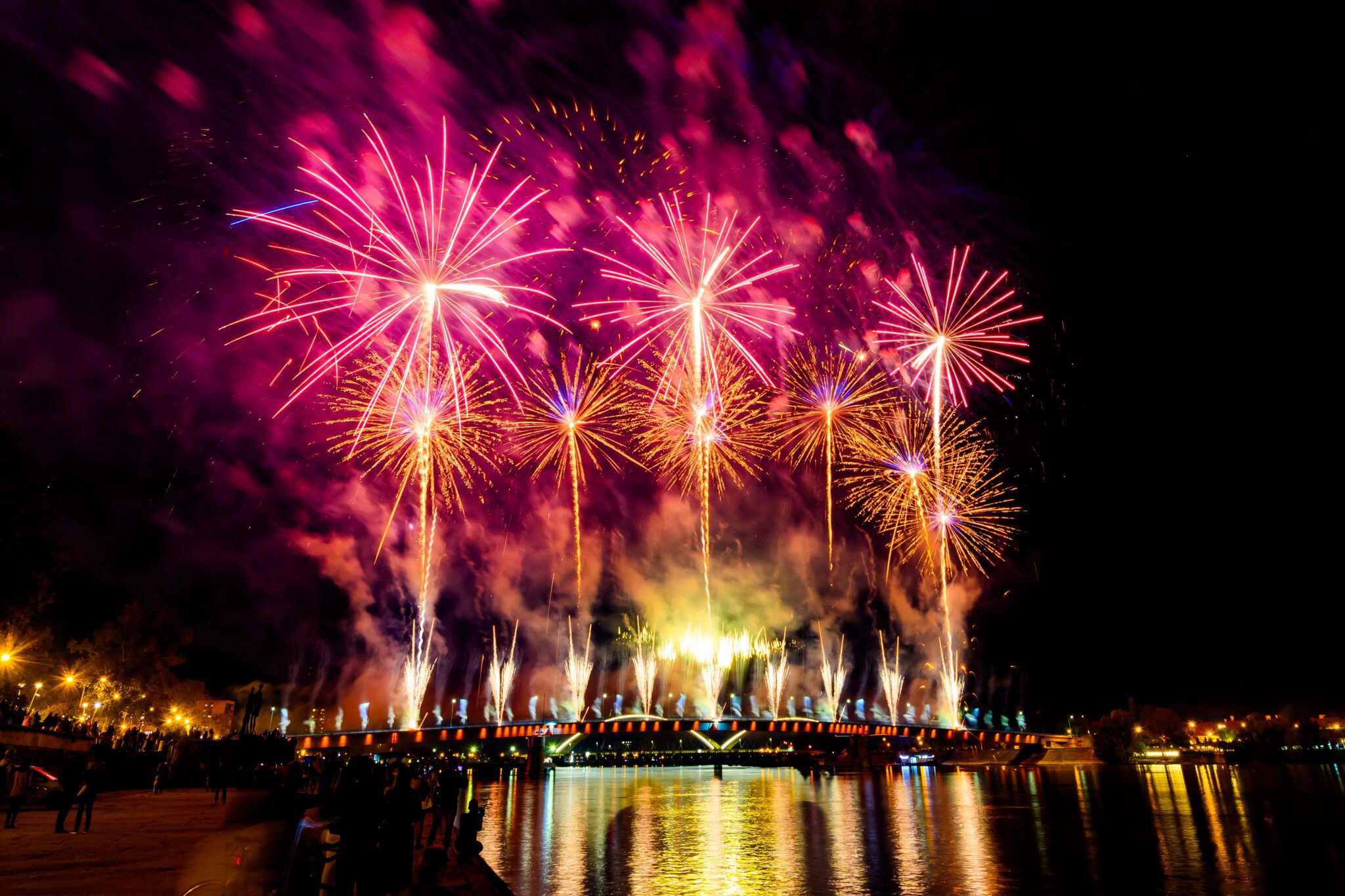
A great firework display isn’t just “a lot of loud bangs.” The ones that stick with you—the shows people talk about on the walk home—feel deliberate. They build anticipation, have a clear rhythm, and land a finale that makes sense rather than simply running out of stock.
The good news is you don’t need a stadium budget to borrow the same design principles professionals use. You do, however, need to think like a show designer: plan for the space, the audience, and the story you’re telling in the sky.
Start With the Experience, Not the Fireworks
Before you pick a single cake or rocket, answer three questions:
What’s the mood you want?
Is it a family-friendly community event? A wedding? A Bonfire Night gathering with neighbours? The “feel” determines everything—from colour palette to intensity. A wedding display can lean into elegant golds and whites with softer transitions, while a public event may benefit from bolder colours and stronger pacing.
Who’s watching, and from where?
Professionals design for sightlines first. Walk the viewing area in daylight and check:
- Are there trees or buildings that will block low breaks?
- Will people be spread out (needing higher effects) or concentrated close to the firing line?
- Is there ambient noise (roads, wind) that will swallow subtle effects?
If most viewers are far back, higher breaks and larger bore cakes read better. If the audience is close (at a safe distance), tight, well-timed sequences and layered heights make more impact than sheer scale.
What’s the “shape” of the show?
Think in three acts: opening, build, finale. Even a 6–8 minute display benefits from structure. Without it, the middle turns into a blur and the finale doesn’t feel earned.
Design Like a Pro: Pacing, Contrast, and “Breathing Room”
Professional shows rely on contrast. If everything is loud, nothing feels loud.
Build with intention (and leave space)
A common amateur mistake is firing continuously. Pros intentionally create moments of lightness—slower sequences, fewer shots, or quieter effects—to reset attention. That “breathing room” makes the next escalation feel bigger.
A simple pacing trick: aim for two noticeable peaks before the finale. The first peak convinces the crowd the show is strong; the dip afterward sets up the real crescendo.
Use contrast as your secret weapon
Contrast can come from:
- Colour: shift from cool blues to warm golds; avoid random rainbow unless that’s the point.
- Height: alternate mid-level effects with occasional high breaks to keep the sky dynamic.
- Texture: mix willows, peonies, glitter, crackle, strobes—each has a different “feel.”
- Rhythm: a rapid 10-second volley hits harder after a calmer 20 seconds.
A display that feels “designed” usually has fewer effect types than you’d expect, but they’re used more thoughtfully.
Source the Right Effects (and Match Them to the Venue)
Once you know the mood and structure, you can choose fireworks that support that plan rather than dictate it. This is where having access to a broad range matters—because you’re selecting for roles, not grabbing whatever is available.
When you’re comparing options, read performance details like duration, shot count, and effect description. If you’re planning ahead and want a wide mix to build a coherent show, it helps to browse an online store offering fireworks across the UK where you can compare categories and specs in one place instead of guessing from names alone.
A practical approach is to assign fireworks to “jobs”:
Openers: confidence without overwhelming
Look for bright, welcoming effects—clean bursts, modest crackle, or fan-shaped cakes that fill the sky early without peaking too soon.
Mid-show builders: layered and rhythmic
This is where you introduce variety: alternating colours, mixing heights, and using sequences that create momentum. Avoid spending your best items here; your job is to raise stakes gradually.
Finale pieces: density and pace
Finales feel professional when they’re dense (more going on at once) and fast (shorter gaps). Choose fireworks with strong lift, bright breaks, and minimal “dead air” between shots.
Map the Show: A Simple Cue Plan Anyone Can Use
You don’t need firing software to plan cues. You do need a written running order and a sense of timing. If you’re firing manually, the goal is to minimise decision-making in the moment.
Here’s a lightweight framework (one page is enough):
- Segment 1 (0:00–1:30): two items, slightly separated, establish tone
- Segment 2 (1:30–3:30): three to four items, introduce contrast and height
- Segment 3 (3:30–5:30): first peak, then a brief reset (something elegant or slower)
- Segment 4 (5:30–end): finale sequence—two items that overlap, then the “last word”
If you want a single rule to remember: plan overlaps deliberately. A professional feel often comes from controlled layering—one piece still finishing while the next begins—rather than firing everything one after another like a playlist on shuffle.
Get the Practicalities Right (So the Design Survives Reality)
A beautifully planned show can fall apart if basics are missed.
Safety distances and firing layout
Always follow the manufacturer’s minimum safety distances and local guidance. Set up in daylight, on stable level ground, and secure items properly. Even small cakes can tip if placed poorly or fired on uneven surfaces.
Wind and fallout
Wind direction changes the whole design. If it’s gusty, favour effects that hold up well (clean breaks and strong lift) and be cautious with pieces that produce heavy fallout. Professionals will also angle the firing line slightly, so effects drift away from the audience, not over them.
Sound management
In residential areas, balance the mix. Too many high-report effects can fatigue an audience and create complaints. A “designed” show often uses loud moments sparingly—and makes them count.
Rehearse the process, not the pyrotechnics
You can’t rehearse fireworks, but you can rehearse roles: who lights what, in what order, with what backup plan if something misfires or you need to pause.
The Finishing Touch: Make the Finale Feel Inevitable
A strong finale isn’t simply the most expensive fireworks at the end. It’s a clear acceleration: tighter timing, brighter sky, rising intensity, and a final punctuation mark.
Two tactics professionals use constantly:
Bring back a theme
If your display leaned into gold glitter early, reintroduce it in the last 30 seconds. If you used a specific colour pairing, echo it before the final barrage. That callback makes the show feel cohesive, like a story completing a loop.
End cleanly
Avoid the “awkward fade-out” where one last item sputters on after the peak. The best endings feel decisive—one final, unmistakable punctuation, then darkness. Let the crowd react.
A Professional Show Is Mostly Planning
If you take one lesson from professional designers, let it be this: the magic is in the choices between the fireworks. Pacing, contrast, sightlines, and a written cue plan will do more for your display than simply buying bigger effects.
Plan the experience first, design your structure, pick fireworks that serve specific roles, and make the finale feel earned. Do that, and your display won’t just be impressive—it’ll feel intentional.