Table Of Contents
- Why a Plumbing Calendar Helps
- Monthly Plumbing Checks
- Seasonal Plumbing Tasks
- How to Find Hidden Leaks
- Water Heater Care
- Drains, Toilets, and Fixtures
- Safety Limits for Homeowners
- When to Get Professional Help
- Quick Year-Round Checklist
- Conclusion
Plumbing problems rarely announce themselves at a convenient time. A slow drip, a minor drain backup, or a damp cabinet can lead to expensive water damage when it goes unnoticed. Following a practical maintenance calendar helps homeowners catch issues early, protect fixtures, and make informed decisions about when to call for San Antonio, Texas plumbing services. You do not need to turn every month into a major DIY project. Most preventive checks take only a few minutes and require no special tools. The goal is to notice changes in water use, water pressure, drainage, appliance connections, and visible pipe conditions before they become emergencies.
Why a Plumbing Calendar Helps
Small plumbing issues can waste water, raise utility costs, and create conditions for mold or structural damage. A recurring calendar turns maintenance into a manageable habit instead of an afterthought. Keep a simple note on your phone or household calendar with repair dates, appliance ages, recurring clogs, and the location of important shut-off valves. The EPA’s home maintenance guidance recommends regular attention to leaks, toilets, faucets, water pressure, hot water systems, and water-using appliances. Regular observation is valuable because it gives you a baseline. When a fixture starts sounding different, draining slowly, or using more water, you are more likely to recognize that change quickly.
Monthly Plumbing Checks
Set aside about 15 minutes each month for a visual inspection. Focus on locations where water is used frequently or where a small leak could remain hidden.
Look Under Sinks
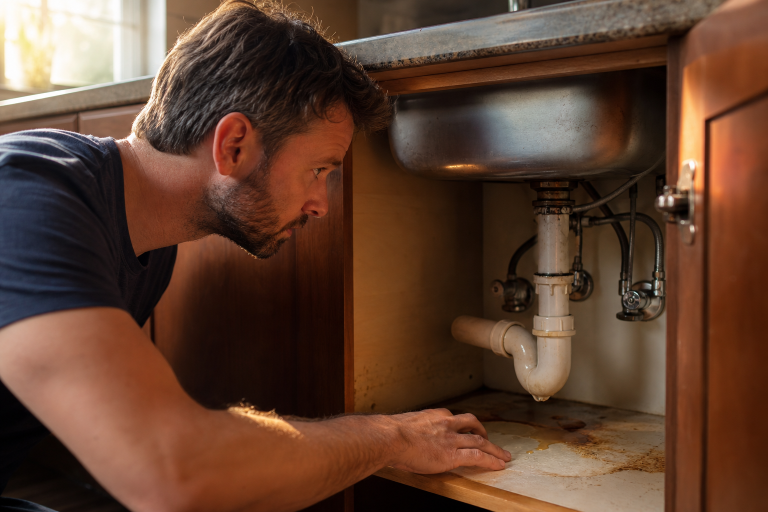
Open kitchen, bathroom, laundry room, and utility sink cabinets. Move cleaning products or stored supplies out of the way, then look for dampness, water spots, swollen cabinet material, corrosion, or a musty smell. Run the faucet for a moment while watching the visible supply lines, drain connections, and garbage disposal area.
Test Toilets for Silent Leaks
A toilet can leak from the tank into the bowl without leaving water on the floor. Add a few drops of food coloring to the tank, wait about 10 minutes without flushing, and check the bowl. If color appears, the flapper or another internal component may no longer seal properly. Also listen for a toilet that refills when no one has flushed.
Check Faucets and Showerheads
Look for drips after handles are closed, moisture around fixture bases, and mineral buildup on aerators or showerheads. Scale can restrict water flow and cause uneven spraying. Clean removable aerators carefully, following the fixture manufacturer’s instructions, and replace worn washers or cartridges only if you are comfortable with the task.
Seasonal Plumbing Tasks
Winter and Early Spring
Inspect exposed pipes in garages, crawl spaces, attics, and other unheated areas after freezing weather. Look for cracks, moisture, water stains, or warped flooring near walls and ceilings. Replace batteries in leak alarms and automatic shut-off devices, if installed.
Spring
Compare water bills with the same period from the prior year. Check outdoor faucets, hose connections, irrigation controls, and visible supply lines for leaks. Clear leaves and debris around exterior drains so rainfall can move away from the home properly.
Summer
Higher lawn watering, travel, and home projects can hide excessive water use. Inspect washing machine hoses and refrigerator water lines for bulges, cracks, rust, or moisture. Check the water heater floor and connections for signs of corrosion, leaks, or unusual noises.
Fall
Prepare outdoor faucets and irrigation equipment before cold weather returns. Confirm that the main water shut-off valve and individual fixture shut-offs are accessible, labeled, and not blocked by storage. Review the household emergency plan and keep a trusted plumbing professional’s contact information readily available.
How to Find Hidden Leaks
If your water bill rises unexpectedly or you suspect a hidden leak, perform a basic meter test. First, turn off faucets, appliances, irrigation, ice makers, and other water-using devices. Record the water meter reading, avoid using water for two hours, then check the meter again. A changed reading can indicate water is moving somewhere it should not be. Other clues include peeling paint, swollen flooring, damp odors, growing water stains, unexplained running water sounds, or repeated toilet refills. A hidden leak may be inside a wall, beneath a slab, or in an underground line, so unexplained meter movement is a good reason to schedule a professional evaluation.
Water Heater Care
Water heaters need regular attention because sediment can accumulate in tank-style units, reducing performance. Inspect the area around the unit for rust, moisture, damaged insulation, loose connections, and leaks. Review the manufacturer’s instructions before flushing a tank, testing components, or adjusting temperature settings. Water heaters involve scalding water and may involve electricity or gas. Call a qualified professional if the unit leaks, produces loud popping sounds, fails to provide steady hot water, or smells like gas. Do not ignore gas odors. Leave the area if necessary and follow local emergency guidance.
Drains, Toilets, and Fixtures
Keep Drains Clear
Use drain screens to catch hair and food particles. Keep grease, paint, coffee grounds, and harsh chemical drain cleaners out of plumbing lines. Address slow drains early with safe cleaning methods or professional help. Repeated clogs, bubbling fixtures, or backups may signal a deeper blockage or venting problem.
Protect Toilets and Appliances
Flush only toilet paper and human waste. Wipes, paper towels, cotton products, and cleaning pads can cause damaging blockages even when labeled “flushable.” Check toilet bases for movement or moisture. For washers and dishwashers, inspect visible connections, keep shut-off valves accessible, and replace aging supply lines based on manufacturer guidance.
Safety Limits for Homeowners
Visual checks, meter readings, cleaning aerators, and testing toilets are usually reasonable homeowner tasks. Stop and get help for gas line work, electrical work near water heaters or pumps, leaks inside walls or ceilings, sewer line blockages, widespread low pressure, suspected contamination, or pipe damage beneath concrete.
When to Get Professional Help
Active water flow, ceiling leaks, sewage odors, burst pipes, sudden pressure loss, and gas smells require prompt attention. If it is safe, shut off the nearest fixture valve or the home’s main water supply. Take photos, note when the issue began, and avoid covering serious damage with a temporary cosmetic repair. Ask prospective professionals about licensing, insurance, written estimates, and applicable repair warranties.
Quick Year-Round Checklist
- Check under sinks monthly for moisture and corrosion.
- Test toilets for silent leaks at least once each year.
- Review water bills for unexplained changes.
- Inspect appliance hoses and exterior faucets seasonally.
- Check water heater connections and the surrounding floor regularly.
- Keep shut-off valves clear, labeled, and easy to reach.
- Schedule a professional inspection when a problem repeats or remains unexplained.
After plumbing repairs, water interruptions, or long periods away from home, follow the CDC’s guidance for preventing waterborne germs at home, especially when cleaning water-using devices or restoring normal water use.
Conclusion
A home plumbing calendar makes prevention easier. A few quick monthly checks can reveal leaks, worn components, poor drainage, and equipment problems before they turn into disruptive repairs. Watch for changes, respond quickly to warning signs, and bring in qualified help whenever hidden pipes, sewage, gas, electricity, or active water damage is involved. Regular maintenance can also help extend the life of plumbing fixtures, improve water efficiency, and reduce the risk of unexpected emergencies. Simple habits such as checking under sinks, inspecting exposed pipes, testing shutoff valves, and monitoring water pressure can make a noticeable difference over time. By staying proactive throughout the year, homeowners can avoid many common plumbing issues and keep their systems operating safely and efficiently.