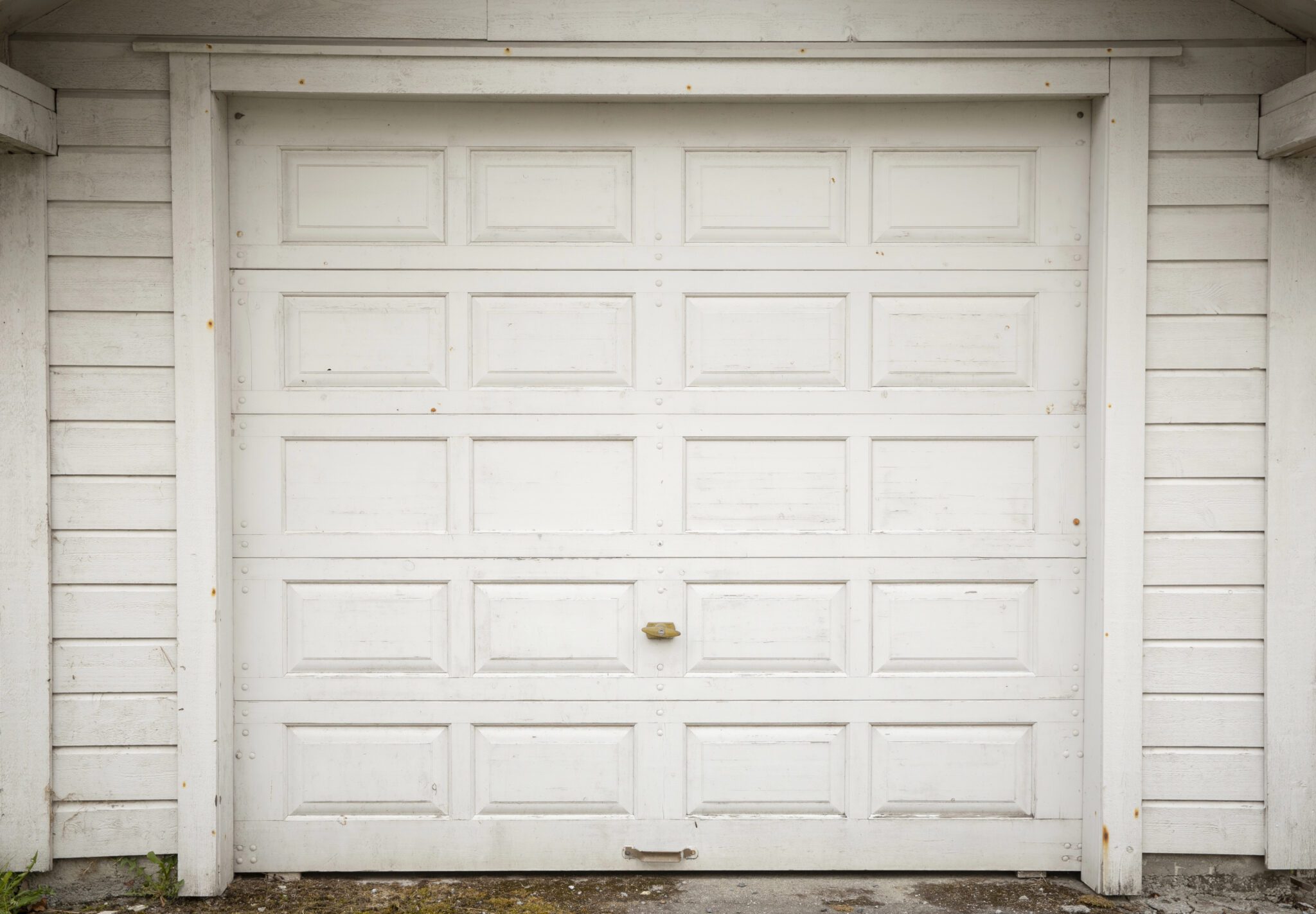
Keeping the largest moving part of your house in good repair is important and shows that you value your time and the safety of your home. The garage door is a complicated device consisting of springs, cables, and tracks that must work together to move the bulky panels. This guide will provide you with steps to take in caring for your door and will provide you with a great return on the time that you invest.
Conducting a Visual and Audio Safety Check
To begin with, you must use your sight and hearing to notice the different behaviours of the door and its mechanisms while it opens and closes. A door isn’t considered healthy if it isn’t opening and closing silently and evenly. If you hear loud and rough noises coming from the door, it can be a sign of poor door health. If a bolt’s loose, or if the sliding bracket is loose and you do nothing, it could cause an issue.
Keeping the Tracks Clear of Dirt and Debris
To keep the tracks working smoothly, regularly clean the metal tracks on either side of the door for grease, spiderwebs, and small debris that can cause the door rollers to malfunction and misalign. Cleaning the inside of the tracks and the grease that sticks to the motor causes the motor to operate less securely. A build-up of grease can also cause the rollers to stick, and it is a common mistake.
Lubricating the Moving Parts with the Right Products
Apply a high-quality silicone or lithium spray to the rollers, the hinges, and the large torsion springs to keep them moving freely. This lubrication acts as a protective shield that reduces the heat and the wear caused by the constant motion of the heavy parts during the day. A quiet door is usually a sign of a well-oiled system that is not under any unnecessary stress from the electric opener on the ceiling.
Testing the Balance of the Heavy Panels
Check if the springs are doing their job correctly by pulling the manual release cord and lifting the door halfway up to see if it stays in place on its own. A well-balanced door should not crash to the floor, as the tension in the springs should perfectly offset the weight of the panels. If the door feels very heavy or refuses to stay still, garage door repairs in Melbourne professionals prevent the motor from burning out.
Checking the Condition of the Weather Stripping
Look at the rubber seal along the bottom of the door and the strips on the sides to ensure they are still soft and making a tight connection with the ground. These seals are essential for keeping out the rain. the dust, and the local pests that might try to find a warm home inside your garage during the night. The rubber has become brittle or has started to crack, which can increase your home heating costs.
Tightening the Nuts and Bolts Regularly
Because your garage door vibrates every time it moves, the small hardware that holds the system together can slowly start to work its way loose over several months. Use a basic wrench to check the nuts on the back of the tracks and the bolts on the hinges to ensure everything is secure. A loose bracket can cause the door to move out of its proper alignment, which puts a lot of pressure on the cables.
Testing the Auto Reverse Safety Features
Verify that the safety sensors near the floor are working correctly by placing a solid object like a piece of wood in the path of the closing door. The door should sense the obstruction and reverse back to the open position without applying a large amount of force to the object in its way. Also, check that the photo-eye sensors are pointed at each other so that the invisible beam is never interrupted by dust.
Achieving a Reliable and Long-Lasting Door
Taking the time to focus on these maintenance tasks will lead to a garage door that stays in peak condition. You will see that a small amount of care today prevents a total system failure and adds a great deal of value to the overall safety of your home environment. By focusing on cleanliness and lubrication, you create a quieter and more efficient entry point that serves your family well every single day.