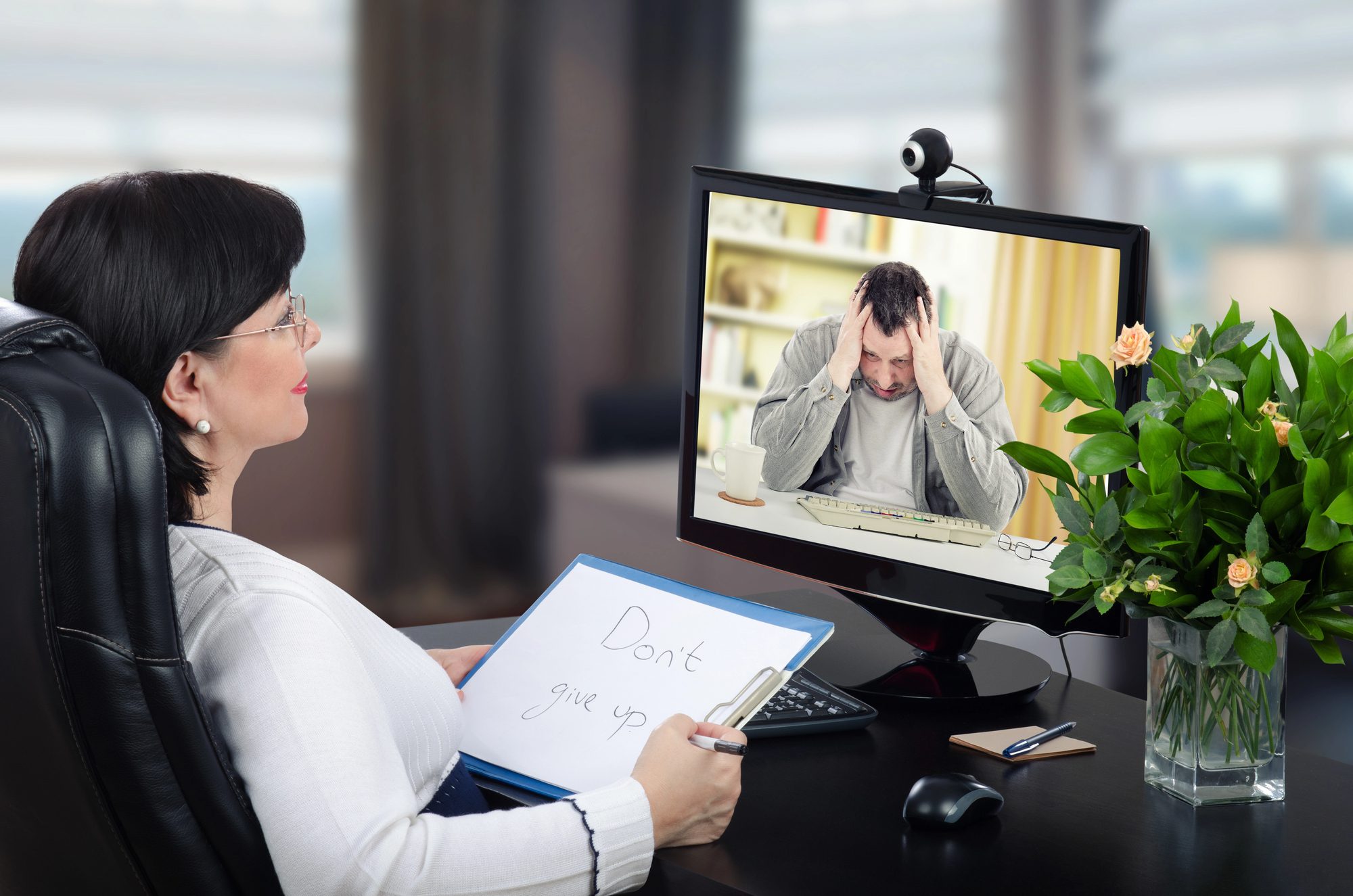
For decades, getting mental health support meant a specific ritual: find a name on an insurance panel, call during business hours, wait weeks for an intake, drive across town, sit in a waiting room. Every step filtered people out. The ones who made it through were often those with flexible jobs, reliable transportation, and the patience to keep dialing after the third voicemail. Therapy online has changed the shape of that filter, and with it, who actually receives care.
What actually changed when therapy moved to a screen
The pandemic forced a natural experiment on a field that had resisted one for decades. Providers who had spent careers insisting therapeutic presence required a shared room found themselves running full caseloads from home offices, and most of them adjusted faster than they expected to. Clients who assumed they needed a couch and a tissue box discovered they preferred a headset and the same armchair they read in every night. Rural clients gained access to specialists their county did not have. Parents stopped scheduling around babysitters. People with panic disorders skipped the parking-lot dread that used to eat the first ten minutes of every session. Cancellation rates dropped in a lot of practices, for the boring reason that rescheduling a video call is easier than rescheduling a commute.
The stranger finding was that some clients, especially younger ones, opened up more readily on video than they had in person. Something about the slight remove of a screen loosened disclosure in a way nobody had predicted, and nobody has fully explained. Therapists gave something up in exchange, though. They lost the full body cues they had trained on. Whether someone’s leg is bouncing under the table matters. So does whether they smell like alcohol at ten in the morning. Video is a different instrument, not a worse one, and clinicians are still figuring out what it picks up and what it misses.
The affordability question is more complicated than it looks
Cost is where the conversation gets messy. On paper, therapy virtual sessions should be cheaper: no lease on a physical office, no receptionist, lower overhead. The prices do not really cooperate.
A therapist advertised at forty dollars a session might be a graduate intern under supervision, which can be excellent value or wildly inappropriate depending on the presenting issue. A licensed clinician in private practice charging two hundred and fifty dollars an hour online is charging roughly what they would charge in person, because their license, malpractice insurance, and training did not get cheaper when the office went away. Subscription platforms sit somewhere in the middle, bundling messaging, live sessions, and scheduling into a weekly rate that undercuts private-pay rates for people who use the service consistently and quietly overcharges those who forget it is billing them.
Insurance complicates the math further. Finding a therapist who takes insurance used to mean calling every name on a directory to see who was still accepting new patients and still in-network. Many virtual platforms now handle that verification upfront, which is a real improvement for anyone who has spent a Saturday afternoon on hold with a member services line. Copays can bring the per-session cost well below what any cash-pay platform charges, though network breadth still varies by plan and state.
Anyone weighing options can compare structures directly through services like https://www.betterhelp.com/online-therapy/, which publish their pricing and insurance acceptance policies openly, then measure that against a local low cost therapist or community mental health center.
What good virtual care looks like
Not every video session is quality care. The medium has lowered the barrier to entry for practitioners as well as clients, and the range of what gets offered under the label of online therapy is wider than most people realize.
A few markers help. Licensed clinicians rather than coaches. Credentialing information visible before signup. Matching based on presenting concerns rather than whoever has an open slot at three on Tuesday. HIPAA-compliant video infrastructure. A defined process for crisis situations, since a therapist three states away cannot walk a client to an emergency room.
The modality inside the modality matters too. Video sessions most closely replicate traditional therapy. Phone works surprisingly well for clients who find eye contact draining or who process better while walking. Live chat and asynchronous messaging occupy a different category entirely, closer to journaling with a trained responder than to psychotherapy as it has usually been practiced. Each has a place. The trouble starts when platforms sell one and clients think they are buying another.
There is also a growing category of self-directed content, sometimes marketed as a therapy online course, which is not therapy. Structured programs on managing anxiety, sleep, or grief can help, and some are built on solid clinical frameworks. A workbook still cannot respond when the specific situation is the whole point.
Where therapy online still falls short
Severe mental illness, active suicidal ideation, psychosis, and complex trauma involving dissociation often need more containment than a screen provides. Same with substance use disorders where medical supervision matters. A camera cannot administer a medication check or run a blood draw.
State licensing rules constrain the flexibility that makes online better in the first place. A therapist licensed in Ohio generally cannot legally treat a client physically located in Michigan, even if that client is only visiting for the weekend. Interstate compacts are expanding, but the patchwork remains, and clients who travel a lot should ask about it directly before assuming coverage travels with them.
Technology itself creates friction. A dropped connection during a difficult disclosure is its own small trauma. Home is not always a safe space to talk openly, particularly for clients living with abusive partners or in crowded households. Some of the barriers virtual care was supposed to remove come back wearing different clothes.
Then there is the cultural question underneath all of this, which is whether frictionless access changes what therapy is. The old version involved a certain deliberate weight: showing up somewhere on purpose, closing a door, sitting across from another person. It is not obvious whether that weight was doing therapeutic work or just filtering out people who could not afford the tax. Clinicians disagree, sometimes sharply, and the disagreement is unlikely to resolve soon.
Practical guidance for anyone considering it
A reasonable approach starts with a few honest questions. What is the presenting issue, and does it fit the modality? Is insurance in play, and if so, which platforms accept it? Is the goal weekly structured sessions, ongoing messaging support, or something in between? What happens if the first therapist match does not work?
That last question matters more than people expect. Fit is the single strongest predictor of therapy outcomes, and switching providers after two or three sessions if the pairing feels off is normal, not a failure. Good platforms make switching easy. Ones that make it hard are telling you something.
Budget honestly, too. A cheap therapist attended sporadically because the schedule keeps slipping tends to deliver less than a moderately priced one attended every week.
And expect the work to feel like work. Therapy online removes logistical barriers, but not the internal ones, the discomfort of saying things out loud, the slow pace of change, the occasional session that feels like nothing happened. Those show up the same whether the room is real or rendered. Access is not an outcome. It is only the first thing that has to be true for outcome to be possible, and for a lot of people the old system never even got them that far.
photo by depositphotos