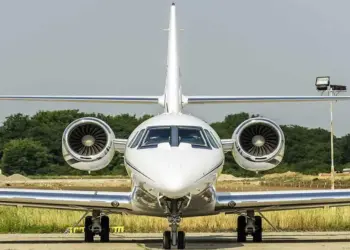
The transformation of private aviation technology is redefining how ultra-high-net-worth individuals experience global mobility. In today’s era of hyper-connectivity and data-driven travel, private aviation technology sits at the center of a quiet revolution that is reshaping private jets, elevating business aviation, and redefining expectations within luxury aviation. What once revolved around speed and exclusivity now increasingly depends on intelligence, personalization, and seamless digital integration.
As demand grows among elite travelers, manufacturers and operators are investing heavily in private jet innovation that blends artificial intelligence, predictive maintenance, and real-time connectivity. These advancements are not incremental upgrades; they represent a structural shift in how aircraft are designed, operated, and experienced. The modern cabin is no longer just a luxurious space it is becoming a fully connected executive environment.
At the same time, sustainability pressures and digital transformation are converging to redefine what the future of private aviation looks like. From AI-assisted flight planning to ultra-personalized cabin environments, technology is now the defining differentiator in a market where time, privacy, and efficiency matter more than ever. As a result, executive air travel is evolving into a seamlessly orchestrated ecosystem rather than a standalone service.
The Evolution of Private Aviation Technology
The evolution of private aviation technology has been shaped by a continuous push toward efficiency, comfort, and control. Early business jets prioritized speed and range, but modern aircraft now integrate advanced avionics, predictive systems, and digital ecosystems that optimize every phase of flight.
Manufacturers such as Gulfstream, Bombardier, Dassault Aviation, and Embraer Executive Jets have shifted their focus from pure performance metrics to integrated technological ecosystems. Today’s aircraft are designed not just to fly, but to think, adapt, and communicate.
Moreover, digital transformation has reshaped operational infrastructure across business aviation. Flight planning, maintenance scheduling, and airspace optimization now rely heavily on real-time data analysis. Consequently, operators can reduce downtime, increase reliability, and improve fleet utilization.
This shift marks a transition from mechanical excellence to intelligent aviation systems. As technology continues to mature, the aircraft itself becomes part of a broader digital network that connects passengers, operators, and global aviation infrastructure.
How Digital Innovation Is Enhancing the Passenger Experience?
Passenger expectations in luxury aviation have evolved significantly. Today’s ultra-high-net-worth travelers expect seamless personalization, uninterrupted connectivity, and intuitive cabin environments that adapt in real time.
Cabins now function as extensions of personal and professional life. Advanced cabin management systems allow passengers to control lighting, temperature, entertainment, and communication systems through smart interfaces or voice commands. As a result, the private jet experience has become increasingly immersive and personalized.
Additionally, digital booking platforms and concierge-driven services have streamlined access to private jets, reducing friction in scheduling and route planning. Instead of traditional fixed processes, travelers now benefit from dynamic, on-demand solutions that prioritize flexibility.
In parallel, operators are using data analytics to anticipate passenger preferences, ensuring that every journey feels tailored and consistent. This level of personalization reflects a broader shift in ultra-high-net-worth travel, where experience quality outweighs traditional luxury markers.
AI, Connectivity, and Smarter Aircraft Operations
Artificial intelligence has become one of the most influential forces in modern private jet innovation. AI-driven systems now support predictive maintenance, operational efficiency, and flight optimization across global fleets.
Predictive maintenance, in particular, has transformed aircraft reliability. By analyzing sensor data in real time, operators can identify potential issues before they occur, reducing downtime and improving safety. Meanwhile, AI-powered flight planning systems optimize routes based on weather, air traffic, and fuel efficiency.
Connectivity also plays a critical role. High-speed satellite internet ensures that passengers remain fully connected throughout the flight, effectively turning aircraft into flying offices. This capability has become essential for executive travelers who depend on uninterrupted communication.
Key technological advancements include:
- AI-based predictive maintenance systems
- Real-time flight optimization algorithms
- High-speed onboard satellite connectivity
- Automated flight scheduling and dispatch systems
- Enhanced cockpit decision-support tools
As these systems mature, digital aviation is evolving into a fully integrated operational framework that connects aircraft, passengers, and ground infrastructure in real time.
Technology Transforming Private Aviation
| Technology | Application | Benefit for Travelers |
|---|---|---|
| AI Predictive Maintenance | Real-time aircraft diagnostics | Increased safety and reduced delays |
| Satellite Connectivity | Global high-speed internet onboard | Seamless communication and productivity |
| Smart Cabin Systems | Automated lighting, climate, and entertainment | Fully personalized travel environment |
| Digital Flight Planning | AI-driven route optimization | Faster, more efficient travel times |
| Data Analytics Platforms | Passenger preference tracking | Tailored luxury travel experiences |
These innovations collectively demonstrate how private aviation technology is moving toward an ecosystem where intelligence and automation define the passenger experience.
Sustainability, Safety, and the Next Generation of Business Jets
Sustainability has become a central priority within business aviation, particularly as regulatory pressure and environmental expectations increase. Manufacturers are investing in sustainable aviation fuels (SAF), aerodynamic efficiency, and lightweight composite materials to reduce emissions.
At the same time, safety systems have become more advanced and more automated. Modern aircraft integrate enhanced situational awareness tools, redundant navigation systems, and AI-assisted cockpit support. These developments significantly improve operational safety across all phases of flight.
In parallel, cybersecurity has emerged as a critical concern. As aircraft become more connected, protecting onboard systems from digital threats has become a key focus area for manufacturers and operators.
Sustainability initiatives include:
- Increased adoption of sustainable aviation fuel (SAF)
- Lightweight airframe materials for fuel efficiency
- AI-driven fuel consumption optimization
- Carbon offset integration into flight operations
Together, these innovations reflect how the future of private aviation is being shaped not only by luxury but also by responsibility and long-term viability.
How Leading Aircraft Manufacturers Are Driving Innovation?
Major manufacturers are competing aggressively to define the next generation of private jets. Each company brings a distinct technological philosophy to the evolving market.
Gulfstream continues to lead in ultra-long-range performance and cabin innovation, integrating advanced avionics and high-speed connectivity. Bombardier focuses on cabin comfort and operational efficiency, while Dassault Aviation emphasizes aerodynamic design and flight deck intelligence. Embraer Executive Jets, meanwhile, targets accessibility and smart cabin integration within the mid-size segment.
This competitive landscape has accelerated innovation across the industry, forcing manufacturers to integrate digital systems more deeply into aircraft design.
Key strategic differences include:
- Gulfstream: Ultra-long-range performance and advanced cabin tech
- Bombardier: Comfort-focused innovation and operational reliability
- Dassault Aviation: Engineering efficiency and advanced avionics
- Embraer Executive Jets: Smart systems and market accessibility
As a result, competition now centers not only on aircraft performance but also on digital experience and technological integration.
Manufacturer Innovation Comparison
| Manufacturer | Innovation Focus | Competitive Strength |
|---|---|---|
| Gulfstream | Ultra-long-range jets and cabin technology | Luxury performance leadership |
| Bombardier | Cabin comfort and efficiency | Balanced performance and design |
| Dassault Aviation | Advanced aerodynamics and avionics | Engineering precision |
| Embraer Executive Jets | Smart cabin systems and accessibility | Market versatility |
This landscape shows how luxury aviation has evolved into a technology-driven industry where innovation defines market leadership.
The Future of AI, Automation, and Executive Air Travel
The next phase of private aviation technology will likely be defined by deeper AI integration and increasing levels of automation. While fully autonomous passenger jets remain distant, AI-assisted flight systems are already reshaping how aircraft operate.
In the future, aircraft will function as fully connected executive environments, where AI manages everything from route optimization to cabin personalization. This evolution will significantly enhance efficiency while maintaining human oversight in critical flight operations.
Moreover, digital ecosystems will integrate air travel with ground logistics, hotel services, and corporate scheduling platforms. As a result, executive air travel will become a fully synchronized mobility experience rather than a standalone journey.
Why Technology Has Become the Ultimate Luxury Differentiator?
Technology is now the defining factor in luxury aviation. Unlike traditional luxury markers such as cabin materials or aircraft size, digital intelligence and connectivity create ongoing value throughout the entire journey.
Modern passengers increasingly expect seamless integration between work, travel, and personal life. Therefore, aircraft equipped with advanced systems provide a significantly enhanced experience compared to conventional jets.
Ultimately, the greatest shift lies in perception: private aviation is no longer just transportation. Instead, it is becoming a fully integrated digital mobility ecosystem powered by intelligence, automation, and personalization.
Unique Insight
The real transformation driven by private aviation technology is not simply about faster aircraft or more luxurious cabins. Instead, it is about turning aviation into an invisible service layer that adapts continuously to passenger needs.
AI is becoming an unseen concierge, managing everything from cabin settings to flight efficiency. At the same time, hyper-personalization is replacing standardized luxury, ensuring that no two journeys feel the same. Furthermore, connected aircraft are evolving into airborne executive offices, enabling uninterrupted productivity at 40,000 feet.
Most importantly, sustainability and digital intelligence are no longer optional—they define long-term competitiveness. As a result, private aviation is shifting from a luxury product into a fully integrated mobility ecosystem that blends technology, experience, and efficiency.
Conclusion
Private aviation technology is fundamentally reshaping how the world’s most discerning travelers experience flight. From AI-powered operations and smart cabins to sustainable aviation systems and advanced connectivity, innovation now defines every aspect of private jets and business aviation.
As the industry evolves, luxury aviation is becoming more intelligent, more connected, and more personalized. Ultimately, the future of executive mobility will not be defined by aircraft alone, but by the seamless technological ecosystems that support them.
Frequently Asked Questions
What is private aviation technology?
Private aviation technology refers to digital systems, AI, avionics, and cabin innovations that enhance private jet performance and passenger experience.
How is AI improving private aviation?
AI optimizes routes, predicts maintenance issues, and personalizes cabin environments for passengers.
What technologies are transforming private jets?
Advanced connectivity, smart cabins, predictive maintenance, and digital flight systems are reshaping private aviation technology.
How do smart cabins improve passenger experiences?
They allow full customization of lighting, climate, entertainment, and communication systems.
Is sustainable technology changing business aviation?
Yes, SAF fuels, lightweight materials, and AI efficiency tools are reducing emissions and improving sustainability.
Which manufacturers lead in private aviation innovation?
Gulfstream, Bombardier, Dassault Aviation, and Embraer Executive Jets are key innovators.
How does technology improve flight safety?
It enhances situational awareness, predicts failures, and strengthens cockpit decision systems.
What role does connectivity play in executive air travel?
It enables real-time communication, productivity, and seamless digital integration onboard.
What is the future of private aviation technology?
It will focus on AI-driven automation, hyper-personalization, and fully connected aircraft ecosystems.
Why is private aviation technology important for ultra-high-net-worth travelers?
Because it delivers efficiency, privacy, personalization, and seamless global mobility at the highest level.