Key Takeaways
- Digital workspaces enhance collaboration and flexibility in modern offices.
- Technological advancements like AI and IoT are integral to this transformation.
- Flexible workspaces are becoming a core part of business growth strategies.
- Designing workspaces with employee well-being in mind leads to higher productivity.
In today’s rapidly evolving work environment, digital workspaces are revolutionizing how we perceive and interact with office spaces. This transformation is more than a shift in technology; it is a deliberate effort to create environments that elevate collaboration, boost flexibility, and improve productivity for all employees. Incorporating intelligent solutions, such as a smart workplace, is paving the way for a new era in office design, where technology seamlessly supports daily operations and team dynamics.
Traditional barriers are being dismantled, and digital workspaces are inviting a blend of virtual and physical resources to foster a much more connected and adaptive work experience. Digital tools now fuel an ecosystem that supports not only remote or hybrid teams but also unifies organizational goals by breaking down silos and promoting transparent communication. As a result, businesses are discovering that workspace transformation involves as much attention to human needs as it does to the technological framework. This shift is accelerating because the benefits extend beyond efficiency. Companies that invest in digital transformation report higher levels of innovation, engagement, and employee satisfaction. Smart office designs that integrate technology into workspace layouts now attract top talent and improve retention rates, making them a key differentiator in fiercely competitive markets. Global workplace trends also show that organizations are reimagining real estate needs, downsizing traditional square footage, and putting greater emphasis on versatile, tech-equipped environments. These spaces support on-demand collaboration, focused work, and social connection, critical factors in today’s workforce priorities.
The Rise of Digital Workspaces
The move away from static offices to digital workspaces has gained momentum, driven by the need to accommodate different work preferences and to harness the productivity of a distributed workforce. Reports from publications such as TechRadar highlight that modern digital workspaces deliver increased efficiency, faster decision-making, and access to collaborative tools that were not possible in past office models. This transformation is fundamentally about agility; organizations can now respond quickly to changing market demands and employee needs as work boundaries become more fluid.
Technological Integration in Office Design
The engine behind workplace transformation is advanced technology. Integrating artificial intelligence (AI) and the Internet of Things (IoT) into office environments enables organizations to monitor space utilization, personalize services, and optimize operations using real-time data. As Facilities Dive notes, the workplace is becoming a living organism where sensors, smart access systems, and analytics platforms converge to support employee productivity and enhance the work atmosphere. High-performing digital workplaces rely on these technologies to create dynamic spaces that adapt on demand, while also supporting better decision-making about layout, amenities, and resource allocation.
Flexible Workspaces: A New Norm
Office flexibility is emerging as a cornerstone of progressive business strategy. Instead of fixed cubicles or desks, contemporary workspaces offer modular configurations that adapt to evolving team sizes, project scopes, and even daily attendance fluctuations. According to a recent analysis from Digital Journal, 96 percent of startups and small-to-medium-sized enterprises have maintained or expanded their workspace footprint after embracing flexible office arrangements. This proves the lasting value of environments that accommodate short-term scaling and agile project work.
Designing for Employee Well-being
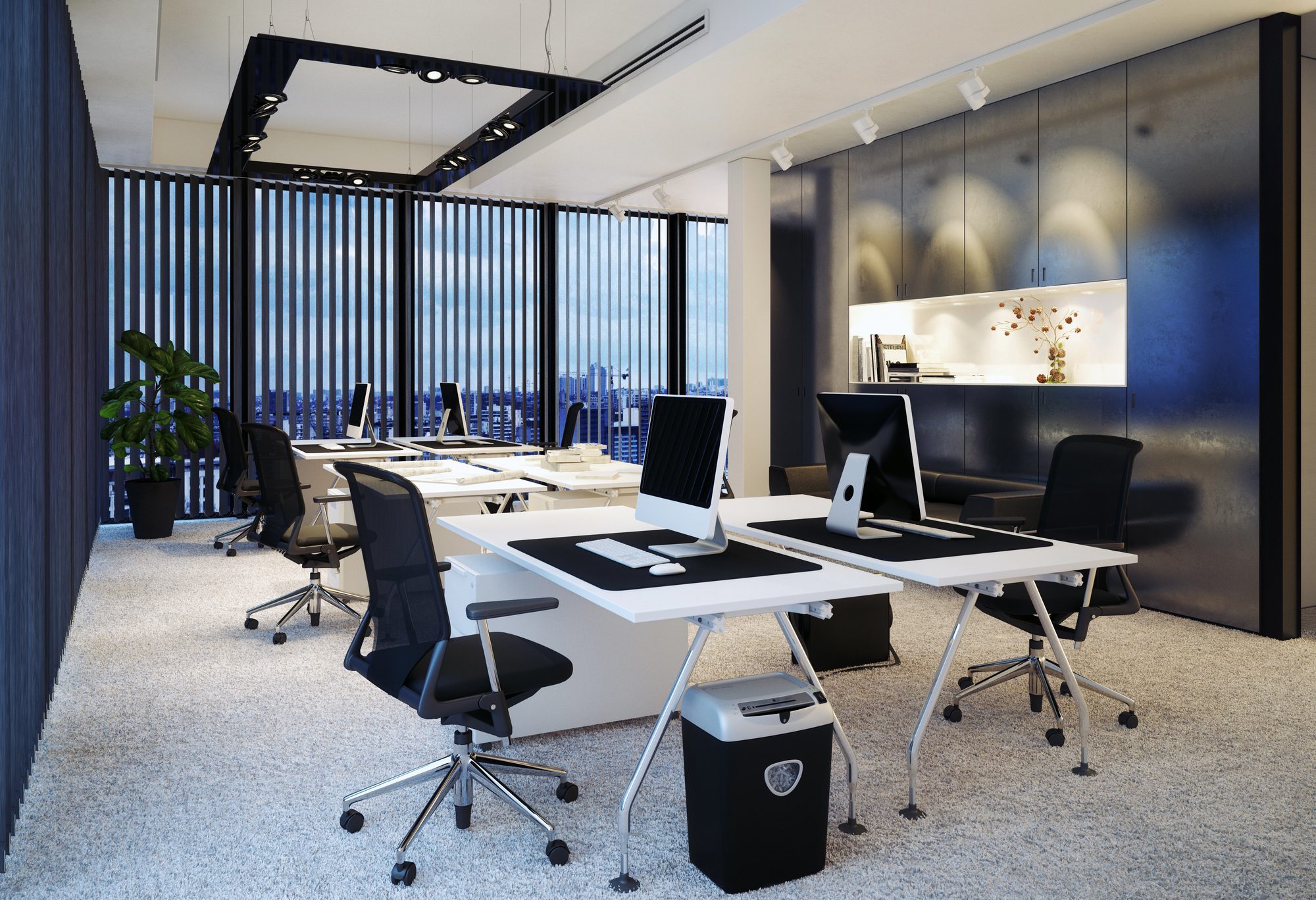
An increasing number of organizations are prioritizing employee health, comfort, and satisfaction in the design of their workspace. Incorporating features such as natural sunlight, ergonomic furnishings, quiet zones, and shared collaboration areas has a measurable impact on both morale and productivity. Moving from facility-driven design to experience-driven design is a major step forward, as highlighted by recent studies in business publications such as Business News This Week. These improved environments not only improve focus and creativity but also reduce absenteeism and workplace stress.
Challenges in Implementing Digital Workspaces
Transitioning to digital workspaces poses unique challenges for leaders and IT teams. Ensuring cybersecurity, managing a rapidly evolving technology stack, and catering to a diverse workforce all require a strategic approach. Data privacy and security become paramount as more sensitive information moves to cloud-based platforms and remote access technologies. Simultaneously, addressing the expectations of multigenerational teams with varying levels of comfort with technology requires thoughtful training and change management initiatives. Success hinges on balancing innovation with strong governance and clear communication.
The Future of Office Spaces
The office environment of the future will likely blend physical presence with sophisticated virtual platforms, facilitating seamless collaboration between in-person and remote staff. Workplace design will continue to prioritize both technological functionality and the human experience, ensuring that innovation and well-being are at the heart of business operations. Workplace experts anticipate ongoing adaptation to societal shifts, including increased remote work, greater emphasis on inclusivity, and evolving expectations for work-life balance.
Conclusion
Digital workspaces are at the forefront of reshaping the modern office by merging technology, flexibility, and a strong emphasis on employee well-being. Businesses that invest in transforming their work environments gain a decisive advantage: higher productivity, improved engagement, and future-proof resilience. As companies continue to evolve and embrace these innovations, they not only improve operational outcomes but also help define the next chapter in the world of work.