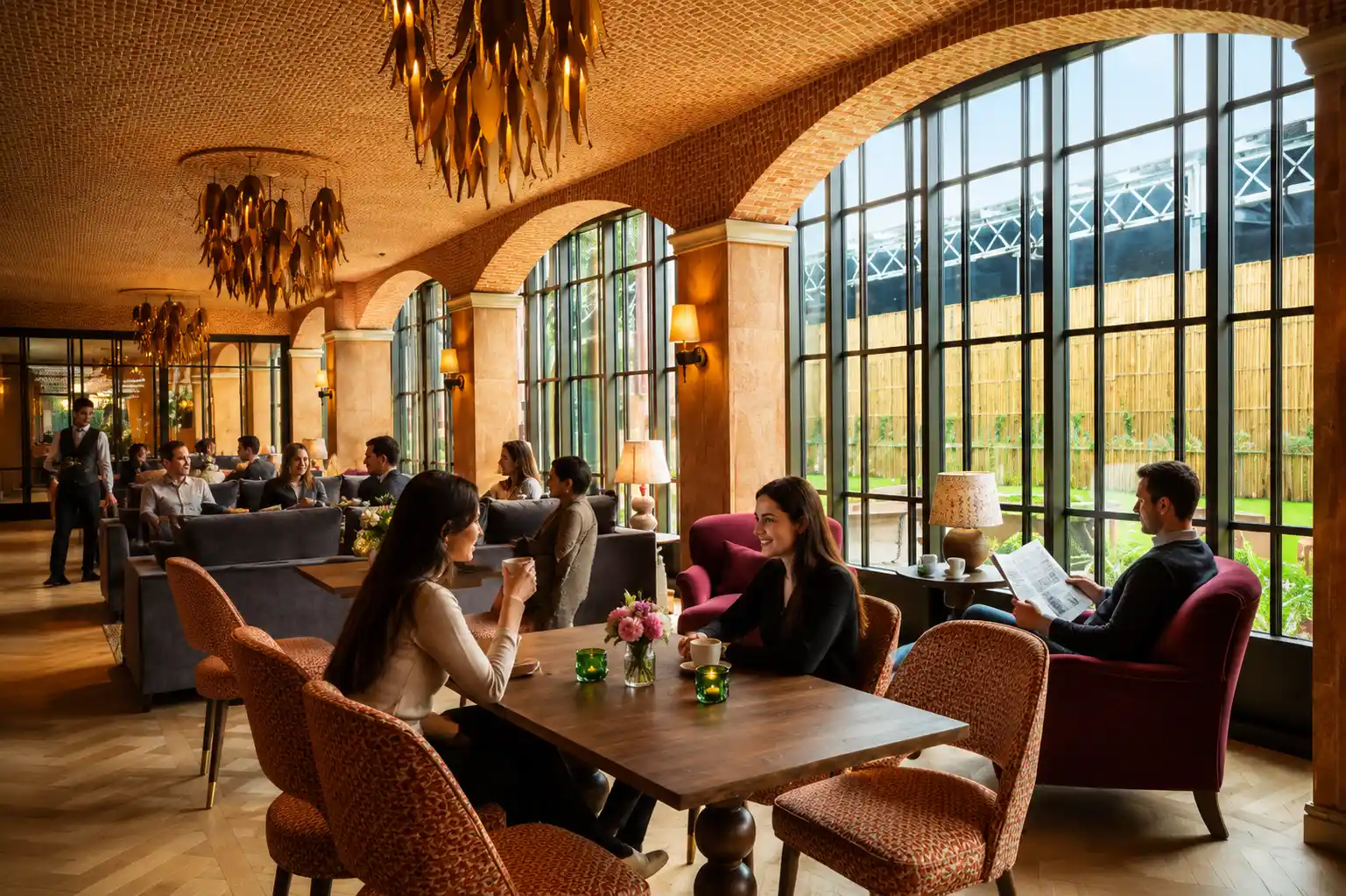
London members’ clubs occupy a unique place in the world’s luxury landscape. Within a city celebrated for its royal heritage, financial influence, and cultural sophistication, these institutions remain among the most coveted addresses for affluent individuals seeking far more than a place to dine or socialize. They represent privacy, belonging, and access to carefully curated communities.
The enduring appeal of private members clubs London lies in their ability to blend old-world traditions with contemporary luxury. From discreet townhouses in Mayfair to vibrant cultural spaces in West London, these exclusive clubs London offer experiences that rival the world’s finest hotels while maintaining an atmosphere of intimacy and exclusivity.
For entrepreneurs, artists, executives, and international tastemakers, membership increasingly reflects a lifestyle choice rather than a status symbol alone. The rise of hospitality-led concepts, wellness experiences, and cultural programming has transformed many Mayfair private clubs into complete lifestyle ecosystems.
As global wealth becomes increasingly mobile, London’s club culture continues to shape the London luxury lifestyle, attracting members from every continent and reinforcing the city’s reputation as one of the world’s foremost destinations for refined living.
The Legacy of London’s Members’ Clubs
London’s private club tradition dates back centuries. The city’s earliest clubs emerged as gathering places for aristocrats, politicians, and intellectuals who valued discretion and shared interests. Over time, these establishments evolved into influential social institutions where relationships, ideas, and business opportunities flourished behind closed doors.
Today, the heritage remains intact, but the clientele has broadened considerably. International entrepreneurs sit alongside artists, financiers, celebrities, and innovators. The appeal now extends beyond exclusivity itself. Members increasingly seek environments that offer meaningful connections, exceptional hospitality, and experiences unavailable elsewhere.
This evolution explains why London’s club scene remains unrivalled. It has managed to preserve tradition while continually adapting to the expectations of a new generation of affluent global citizens.
The Most Prestigious Members’ Clubs in London
Among the city’s elite addresses, several clubs have achieved almost legendary status.
Annabel’s
Annabel’s remains one of the world’s most celebrated private clubs. Founded in 1963, it became synonymous with glamour, royalty, and celebrity culture.
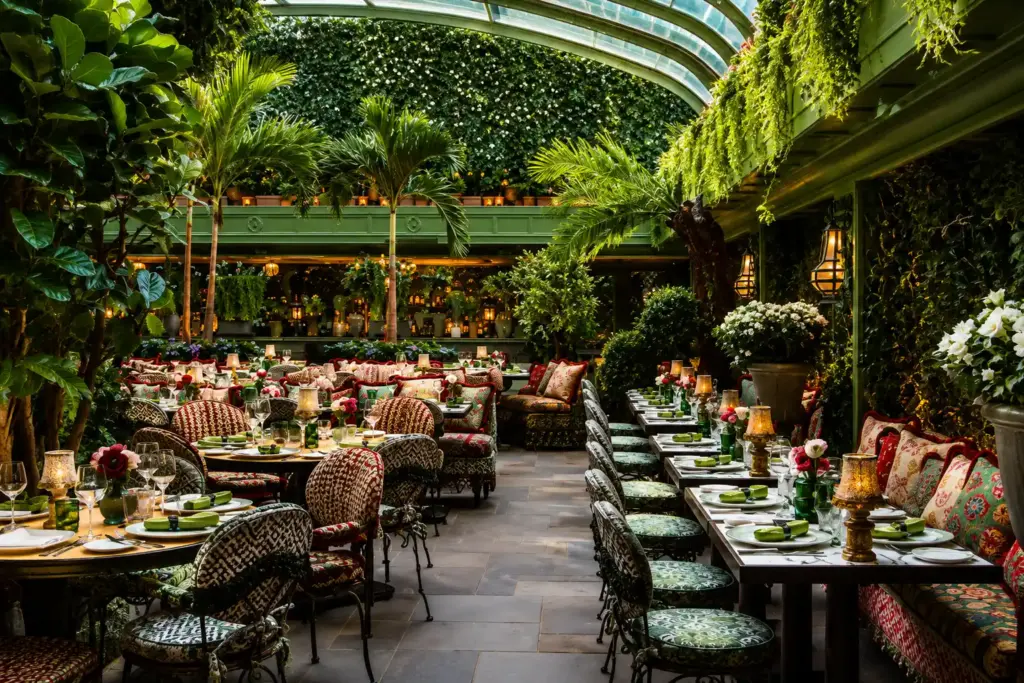
Its interiors are theatrical and extravagant, featuring lavish dining rooms, private salons, and spectacular floral installations. Membership is highly selective, attracting entrepreneurs, aristocrats, and international high-net-worth individuals.
What distinguishes Annabel’s is its ability to combine exclusivity with vibrant social energy. Few clubs can rival its reputation for unforgettable events and exceptional hospitality.
5 Hertford Street
5 Hertford Street, often known simply as 5HS, is among the most discreet and sought-after addresses in Mayfair.
The club’s understated elegance and strict privacy policies have made it a favourite among financiers, celebrities, and influential families. Dining is central to the experience, while the atmosphere remains intentionally intimate.
Its exclusivity stems largely from its privacy. Membership is considered one of the most difficult to obtain in London.
The Arts Club
The Arts Club began in 1863 as a gathering place for artists and intellectuals.
Today, it combines heritage with contemporary luxury, offering exceptional dining, art exhibitions, and a dynamic cultural programme. The club appeals to creatives, collectors, entrepreneurs, and global tastemakers.
Its ability to preserve its artistic identity while embracing modern hospitality distinguishes it from traditional business-oriented clubs.
Oswald’s
Oswald’s has quickly become one of Mayfair’s most exclusive dining destinations.
The atmosphere is refined and understated, emphasizing exceptional service and culinary excellence. Members appreciate its intimate environment and the opportunity to entertain privately.
Its focus on discretion and fine dining has elevated its status among London’s elite.
Mark’s Club
Mark’s Club represents classic British club culture at its finest.
Located in the heart of Mayfair, it offers a traditional yet elegant environment that appeals to established business leaders and long-standing members of British society.
The club’s enduring appeal lies in its sense of continuity and its commitment to preserving timeless traditions.
The New Generation of Luxury Members’ Clubs
A new wave of clubs has emerged, reflecting changing expectations around lifestyle, wellness, and community.
Maison Estelle
Maison Estelle reimagines the private club as a complete lifestyle destination.
Its design is contemporary yet sophisticated, while the offering includes wellness facilities, fine dining, cultural programming, and family-friendly spaces.
The club appeals to globally minded professionals seeking community alongside luxury.
The Twenty Two
The Twenty Two merges the worlds of boutique hospitality and private membership.
Its stylish interiors and intimate atmosphere attract creative entrepreneurs and international visitors looking for a more relaxed form of exclusivity.
Home House
Home House occupies a magnificent Georgian townhouse and balances heritage with contemporary social life.
Its varied programming, elegant interiors, and vibrant community make it one of London’s most accessible luxury clubs without sacrificing exclusivity.
The Conduit
The Conduit focuses on purpose-driven entrepreneurship and global change.
Its membership philosophy centres on impact, attracting innovators, business leaders, and creatives committed to social and environmental initiatives.
House of KOKO
House of KOKO combines music, culture, and hospitality in a uniquely immersive setting.
Its creative energy appeals to artists, performers, and younger entrepreneurs who value cultural experiences as much as exclusivity.
| Members’ Club | Signature Experience | Best Known For |
|---|---|---|
| Annabel’s | Lavish social events | Glamour and celebrity culture |
| 5 Hertford Street | Ultra-private dining | Discretion and exclusivity |
| The Arts Club | Art exhibitions and cultural programming | Creative community |
| Maison Estelle | Lifestyle and wellness offerings | Modern luxury membership |
| House of KOKO | Music and cultural experiences | Creative atmosphere |
The emergence of these newer clubs illustrates how London’s membership culture continues to evolve. Heritage remains important, yet increasingly the most successful clubs offer experiences that extend well beyond traditional networking.
What Makes London’s Members’ Clubs So Exclusive?
Exclusivity in London’s clubs is carefully curated rather than simply created by high membership fees.
Several characteristics define these institutions:
- Selective membership processes.
- Exceptional dining and hospitality.
- High levels of privacy and discretion.
- Exclusive cultural events and performances.
- Wellness and lifestyle programming.
- Access to influential communities.
Privacy has become particularly valuable. In an age dominated by social media and public visibility, discretion itself has become a luxury.
The finest clubs also function as hospitality brands. Members expect Michelin-quality dining, impeccable service, and experiences comparable to the world’s leading hotels. This hospitality-led approach has become one of the defining trends in the luxury members club London market.
At the same time, networking remains a significant attraction. Relationships formed in these environments often lead to business partnerships, investments, and long-term collaborations that would be difficult to replicate elsewhere.
Heritage Clubs vs. Modern Lifestyle Clubs
The distinction between traditional and contemporary clubs reveals how significantly London’s private membership landscape has changed.
Heritage clubs prioritize continuity, tradition, and longstanding social customs. Their appeal often lies in history, prestige, and exclusivity.
Modern clubs, by contrast, place greater emphasis on experiences, wellness, design, and cultural programming. They attract internationally mobile members seeking community and lifestyle benefits.
| Club | Typical Member | Lifestyle Focus |
| Annabel’s | International social elite | Dining and entertainment |
| 5 Hertford Street | Entrepreneurs and financiers | Privacy and networking |
| The Arts Club | Creatives and collectors | Arts and culture |
| The Conduit | Purpose-driven leaders | Global impact and collaboration |
| House of KOKO | Artists and innovators | Music and creativity |
Neither model is inherently superior. Heritage clubs offer continuity and prestige, while modern clubs provide flexibility and experiential luxury. Increasingly, successful institutions blend elements of both.
Why London’s Members’ Clubs Continue to Define Luxury Living?
The enduring influence of London members’ clubs stems from their ability to offer something increasingly rare: genuine community.
Luxury today is less about ownership and more about access. Affluent individuals value experiences, trusted networks, and environments where meaningful relationships can develop naturally.
These clubs also provide a sense of permanence in an increasingly transient world. Their members become part of communities that often span generations and continents.
For international members, joining an elite London club offers immediate entry into one of the world’s most influential social and business ecosystems.
The Future of Elite Private Membership
The future of London’s club culture appears exceptionally strong.
Several trends are shaping the next chapter:
- International memberships continue to grow.
- Wellness has become central to the luxury experience.
- Cultural programming is increasingly important.
- Family-friendly concepts are gaining popularity.
- Hospitality standards continue to rise.
The modern member expects much more than an elegant dining room or prestigious address. They seek experiences that enrich every aspect of life.
As a result, many clubs are evolving into comprehensive lifestyle platforms that combine social interaction, business opportunities, wellness, and cultural engagement.
Unique Insight
The true significance of London members’ clubs lies not in exclusivity alone but in their ability to create meaningful human connections.
Community has become the new luxury. In a world where almost everything is publicly accessible, private spaces that foster trust and genuine relationships have acquired extraordinary value.
Privacy is also replacing visibility as a status symbol. Many affluent individuals increasingly prefer discreet environments over public displays of wealth.
Moreover, hospitality is evolving into curated lifestyle ecosystems. Members no longer simply visit a club; they become part of an ongoing experience encompassing dining, culture, wellness, and social capital.
This model has begun influencing luxury hospitality worldwide. From New York to Dubai and Singapore, developers increasingly look to London’s clubs as blueprints for future luxury communities.
Ultimately, the greatest value of these institutions lies in the carefully curated networks and exceptional experiences they cultivate. Their elegant interiors may capture attention, but their communities are what create lasting relevance.
Conclusion
For centuries, London members’ clubs have represented some of the world’s most prestigious social institutions. They have successfully balanced heritage with innovation, exclusivity with community, and tradition with modern luxury.
From the glamour of Annabel’s and the discretion of 5 Hertford Street to the cultural energy of House of KOKO and the contemporary vision of Maison Estelle, London’s clubs continue to redefine what luxury membership means.
As global lifestyles evolve, these institutions remain remarkably relevant because they offer something increasingly difficult to find elsewhere: privacy, belonging, and access to exceptional communities. Their enduring appeal ensures that London’s members’ clubs will continue to shape the future of luxury living for generations to come.
Frequently Asked Questions
What are London members’ clubs?
Private institutions that provide members with exclusive access to dining, social spaces, cultural events, and networking opportunities.
Which are the most prestigious members’ clubs in London?
Annabel’s, 5 Hertford Street, The Arts Club, Oswald’s, and Mark’s Club are widely regarded among the city’s most prestigious clubs.
How do you join a London members’ club?
Most clubs require an application, references from existing members, and approval from a membership committee.
Can visitors access private members’ clubs in London?
Many clubs allow guests when accompanied by a member, although access policies vary considerably.
What is Annabel’s famous for?
Annabel’s London is renowned for its extravagant interiors, exceptional events, and glamorous international clientele.
Why is 5 Hertford Street considered so exclusive?
Its strict privacy policies, highly selective membership process, and discreet atmosphere contribute to its exclusivity.
Are London members’ clubs only for business professionals?
No. London members’ clubs attract creatives, entrepreneurs, celebrities, philanthropists, and international social figures.
What is the difference between traditional and modern members’ clubs?
Traditional clubs emphasize heritage and continuity, while newer clubs focus on lifestyle, wellness, and curated experiences.
Which London members’ clubs are popular with celebrities?
Annabel’s, 5 Hertford Street, and House of KOKO are particularly popular among celebrities and creative professionals.
Why do London members’ clubs remain symbols of luxury?
They combine privacy, exceptional hospitality, influential communities, and experiences that cannot easily be replicated elsewhere.