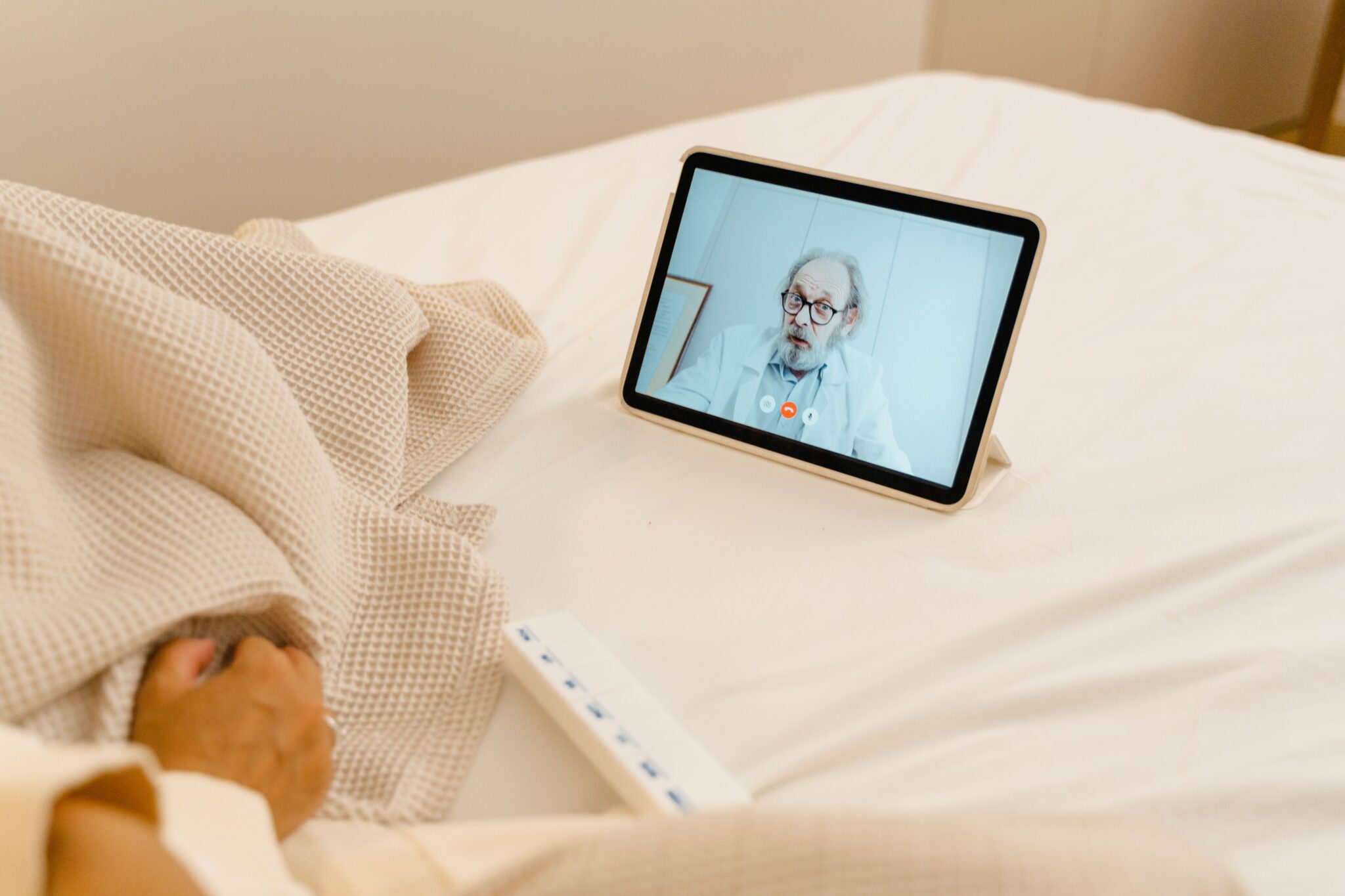
If you’ve tried booking a doctor’s appointment in the last few years, you’ve probably noticed — long wait times, busy phone lines, packed waiting rooms, and limited availability. Healthcare systems across the world are under serious pressure. There are staff shortages, rising patient numbers, growing chronic disease cases, and increasing costs. Hospitals are stretched thin, and many providers are overwhelmed.
Remote consultations — whether through video calls, phone appointments, or secure messaging platforms — have quietly become one of the most practical ways to reduce that pressure. What started as a temporary solution during public health emergencies has evolved into a long-term structural change in how care is delivered.
So let’s get into how this shift is reducing pressure in real, measurable ways.
Reducing Overcrowding in Hospitals and Emergency Departments
One of the most useful changes brought by remote consultations is that patients can get medical guidance without automatically traveling to a hospital. A minor infection, medication question, or follow-up concern may not require an emergency department visit, but people often go there when they cannot get timely advice elsewhere.
Virtual consultations can provide an earlier point of contact. A doctor can discuss symptoms through video, review relevant medical history, and decide whether the person can safely manage the issue at home or needs to be seen in person.
Seph Fontane Pennock, CEO & AI Therapy Expert at Psychology.com, sees this accessibility as an important part of how digital care can support people before problems become more disruptive. “People are more likely to seek help when getting that first conversation does not feel like a major obstacle. Remote care can make it easier to ask about a concern, understand what the next step should be, and avoid delaying care simply because getting to a clinic is difficult.”
This kind of early assessment can also help direct patients to the right level of care. Someone who needs urgent treatment can be advised to seek in-person attention, while a less serious concern may be handled through appropriate remote guidance and follow-up.
Shortening Wait Times for Primary and Specialist Care
Access to primary care has become increasingly difficult in many regions. Patients often wait weeks — sometimes months — to see a provider. Specialists may have even longer waitlists. Remote consultations help expand capacity without requiring new buildings or expanded physical infrastructure.
Virtual visits eliminate room turnover time. There is no need to prepare an exam room, manage patient flow through hallways, or handle large numbers of on-site administrative tasks. Providers can often schedule shorter follow-up visits virtually, allowing them to see more patients in a day.
Travel time is another factor. When patients do not need to commute, parking becomes irrelevant and appointment delays caused by traffic decrease. This improves punctuality and overall efficiency.
For rural and underserved areas, remote consultations are especially impactful. Instead of traveling hours to see a specialist, patients can connect from their homes. This expands reach without physically relocating healthcare providers.
When access improves, backlogs shrink. Shorter wait times reduce system strain and improve patient satisfaction at the same time.
Supporting Chronic Disease Management Without Constant In-Person Visits
Chronic conditions such as diabetes, hypertension, asthma, and heart disease often require regular follow-ups rather than occasional medical attention. For many patients, traveling to a clinic for every check-in can become difficult, especially when mobility, work, transportation, or distance creates an extra barrier.
Remote consultations can make routine follow-ups easier. Patients can share home blood pressure readings, glucose records, symptoms, or other information during a video appointment. A provider can review the changes, answer questions, and decide whether an in-person visit is necessary.
For patients recovering from an operation, this convenience can be particularly helpful. Dr Tan Sok Chuen, from Hip & Knee Orthopaedics, explains, “Follow-up care does not always require a patient to come into the clinic. When someone is recovering from a knee procedure, for example, some progress can be discussed remotely while other concerns may need a physical assessment. For patients considering treatment such as robotic knee surgery singapore, having clear follow-up support can also make the recovery process easier to manage.”
The same approach can help people stay connected with their healthcare team when transportation or mobility is a problem. A patient who might otherwise postpone an appointment can sometimes speak with a provider from home instead.
Improving Workforce Efficiency and Flexibility
Healthcare workforce shortages are a major contributor to system strain. Doctors, nurses, and specialists are managing heavy caseloads, long hours, and administrative burdens. Remote consultations help improve workflow flexibility.
Providers can structure schedules more efficiently. Short follow-ups or routine check-ins can be grouped virtually, leaving in-person slots open for cases requiring physical exams or procedures. This balanced scheduling improves productivity without extending work hours.
Remote care also allows providers to serve broader geographic areas. A specialist in one city can consult with patients in another region without traveling. This reduces the uneven distribution of healthcare expertise.
Administrative efficiency improves as well. Digital documentation systems often integrate directly with virtual consultation platforms, streamlining record-keeping and reducing paperwork.
Lowering Operational and Infrastructure Costs
Running a hospital or clinic involves far more than paying doctors and nurses. Physical space, utilities, cleaning, reception areas, and room maintenance all add to the cost of providing care. Remote consultations can reduce some of that pressure when an appointment does not require a physical examination.
This can be especially useful for routine mental-health appointments, follow-ups, medication discussions, and other visits where patients can be safely supported without using an examination room. Moving appropriate appointments online can also free physical space for patients who actually need to be seen in person.
“When you look at mental healthcare, many appointments are based on conversation, observation, and ongoing follow-up rather than procedures,” says Sade Savage, PA-C, DMSc, CAQ-psych, Board-Certified Psychiatric Physician Assistant at Zellig Psychiatry. “Having a secure remote option can make those visits easier to attend while also allowing clinics to use their physical space for patients who need hands-on care.”
There can be operational benefits as well. Fewer people coming into a facility can reduce pressure on waiting areas, reception teams, cleaning schedules, and other day-to-day resources. For busy healthcare systems, even small reductions in these demands can add up over time.
Expanding Mental Health and Preventive Care Access
Mental health services have historically faced long waitlists and limited access. Remote consultations have significantly improved this situation. Patients can attend therapy sessions from home, which reduces travel time and lowers stigma.
Because mental health care does not typically require physical exams, it adapts well to virtual platforms. This has expanded access for people who previously avoided or delayed seeking support.
Preventive care also benefits. Patients are more likely to attend annual wellness check-ins, medication reviews, or lifestyle counseling sessions when they can connect virtually. Removing logistical barriers encourages early intervention.
When preventive and mental health services become more accessible, serious crises decrease. This reduces emergency visits, psychiatric hospitalizations, and advanced disease complications.
Strengthening System Resilience During Public Health Crises
Healthcare systems can become difficult to access during public health emergencies, natural disasters, severe weather, or unexpected disruptions. Clinics may have fewer staff available, transportation can become unreliable, and people may avoid crowded medical settings when there is a risk of infection.
Remote consultations provide another way to keep appropriate care moving during these periods. Patients can speak with healthcare professionals from home, continue routine follow-ups, discuss medications, or get guidance about whether they need to seek in-person treatment.
Rachel Donovan, Family Recovery & Intervention Advocate at Mandala Healing Center, mentions, “When someone is already dealing with a difficult health or recovery situation, losing access to support can make things harder very quickly. Having a way to stay connected with professionals during a disruption gives families another option. Even a simple check-in can help someone stay on track instead of feeling like they have been left on their own.”
This can be particularly important for people who depend on regular support. Someone managing a chronic condition may still need to communicate with their provider, while a person receiving mental-health or recovery support may benefit from maintaining contact with their care team.
Conclusion
Remote consultations are not just a convenience feature. They are a structural solution to some of the most pressing challenges facing healthcare systems today. By reducing unnecessary hospital visits, shortening wait times, and strengthening crisis resilience, remote care directly eases system-wide pressure.
The goal is not to eliminate in-person care. It is to use virtual consultations strategically. When routine and manageable cases move online, hospitals and clinics gain the capacity to focus on complex and urgent needs.
Healthcare demand will continue to rise. Populations are aging. Chronic diseases are increasing. Workforce shortages remain a reality. Remote consultations offer a realistic, scalable way to manage that demand.