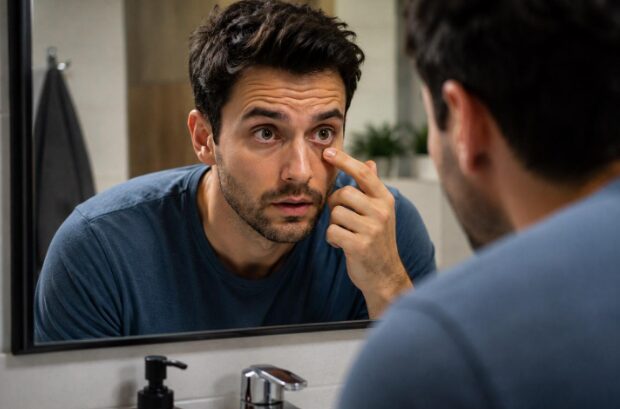
Few myths about alcohol are as persistent as the idea that drinking makes your pupils bigger. It shows up in movies, party conversations, and even some outdated first-aid guides. But do your pupils dilate when drunk, really? Below, we answer the most frequently asked questions about alcohol and pupil size, using a straightforward Q&A format to clear up the confusion once and for all.
1. Does Alcohol Make Your Pupils Big?
Generally, no. Does alcohol make your pupils big is one of the most commonly searched questions on this topic, and the honest answer is that alcohol typically does not cause noticeable pupil enlargement. In fact, alcohol is more often associated with mild pupil constriction rather than dilation, especially as blood alcohol concentration rises. Moderate drinking, according to ophthalmologists, has little to no significant effect on pupil size in most people.
2. So Why Do People Think Alcohol Dilates Pupils?
This misconception likely comes from a few overlapping sources:
- Confusion with red, bloodshot eyes. Alcohol causes blood vessels in the eyes to widen (vasodilation), which makes eyes look red or glassy. This is often mistaken for pupil dilation, even though it’s an entirely different physical process.
- Association with other drugs. Substances like cocaine, MDMA, and other stimulants do cause significant pupil dilation, and because alcohol is frequently used alongside these substances socially, people sometimes attribute the dilation to alcohol itself.
- Early-drinking sympathetic response. In the first stages of drinking, some people experience a brief burst of nervous system activity that can cause slight, temporary dilation before alcohol’s depressant effects take over.
3. Do Your Pupils Dilate When Drunk at Higher Levels of Intoxication?
Typically, no; the opposite tends to happen. As intoxication increases, alcohol enhances activity in the parasympathetic nervous system, the branch responsible for pupil constriction. Cases of acute alcohol intoxication are more often associated with visibly constricted pupils rather than dilated ones. Any dilation that does occur is usually brief and tied to external stimulation, not steady drinking itself.
4. What Actually Happens to Your Eyes When You Drink?
Even without major pupil dilation, alcohol affects the eyes in several noticeable ways:
- Pupils respond more slowly to changes in light
- Contrast sensitivity decreases, making it harder to judge distance or handle glare
- Eyes may appear red or bloodshot due to vasodilation
- Vision can become blurred or doubled at higher levels of intoxication
- Eyes may feel dry due to alcohol’s dehydrating effects
These changes, especially slowed pupil response and reduced contrast sensitivity, are part of why nighttime driving becomes significantly more dangerous while impaired.
5. Can Pupil Size Help Tell Alcohol Apart from Other Drugs?
Yes, and this is one of the more practically useful takeaways from understanding does alcohol make your pupils big. Because different substances affect the nervous system differently, pupil size can offer a helpful (though not definitive) clue:
- Alcohol and opioids are generally associated with constricted pupils
- Stimulants and hallucinogens (cocaine, MDMA, LSD, methamphetamine) are generally associated with dilated pupils
This is part of why medical professionals and drug recognition experts use pupil size as one factor, among several, when trying to assess what substances may be involved in a person’s impairment.
6. If Someone’s Pupils Are Dilated After Drinking, What Does That Mean?
If someone appears to be drinking and their pupils are clearly dilated rather than constricted, it’s often worth considering whether another substance might be involved. Polysubstance use, particularly combining alcohol with stimulants, is common and carries elevated health risks, including added strain on the cardiovascular system. Dilated pupils in someone who’s been drinking shouldn’t automatically be dismissed as a normal alcohol effect.
7. Does Long-Term Alcohol Use Affect Pupil Function Differently?
Yes. While a single episode of drinking has limited effect on pupil size, long-term heavy alcohol use can affect how well the pupils respond to light over time. Chronic alcohol misuse has been linked to changes in autonomic nervous system function, which regulates pupil behaviour, sometimes resulting in less predictable or sluggish pupil responses even outside of active intoxication.
8. Is Pupil Size a Reliable Way to Tell If Someone Is Drunk?
Not on its own. Because alcohol’s effect on pupil size is subtle and inconsistent, pupil appearance alone isn’t a reliable indicator of alcohol impairment. Other signs, slurred speech, poor coordination, slowed reaction time, and the smell of alcohol, are far more consistent indicators. Pupil size becomes more useful when trying to distinguish alcohol from other substances, rather than confirming alcohol use by itself.
9. Why Does This Distinction Actually Matter?
Beyond correcting a common myth, understanding the real answer to do your pupils dilate when drunk has practical value. For families noticing signs of substance use in a loved one, recognizing that dilated pupils point away from alcohol and toward other possible substances can prompt a more accurate, honest conversation about what’s actually going on. It can also matter clinically: treatment approaches often differ depending on which substances are involved, so an accurate read on physical symptoms supports better-informed care from the start.
When to Look Beyond the Symptoms
Understanding eye and pupil changes can be a helpful piece of the puzzle, but it’s rarely the full picture. If alcohol use is frequent, difficult to control, or occurring alongside other substances, physical symptoms like these are often just the visible surface of a much larger pattern. In those cases, a proper clinical assessment, rather than guesswork based on physical signs, is the most reliable way to understand what’s actually happening and what kind of support might help.
The Bottom Line
To directly answer the questions people, ask most often: does alcohol make your pupils big? Not typically. Do your pupils dilate when drunk? Usually not; if anything, the opposite tends to happen. What alcohol does reliably cause is slowed pupil response, reduced contrast sensitivity, and the telltale redness most people associate with drinking. Recognizing this distinction matters not just for correcting a common myth, but for spotting when dilated pupils might be signaling something beyond alcohol alone.